
Best Time to Visit Argentina | Buenos Aires, Patagonia & Month-by-Month Guide
Jay Vora
Founder & CEO
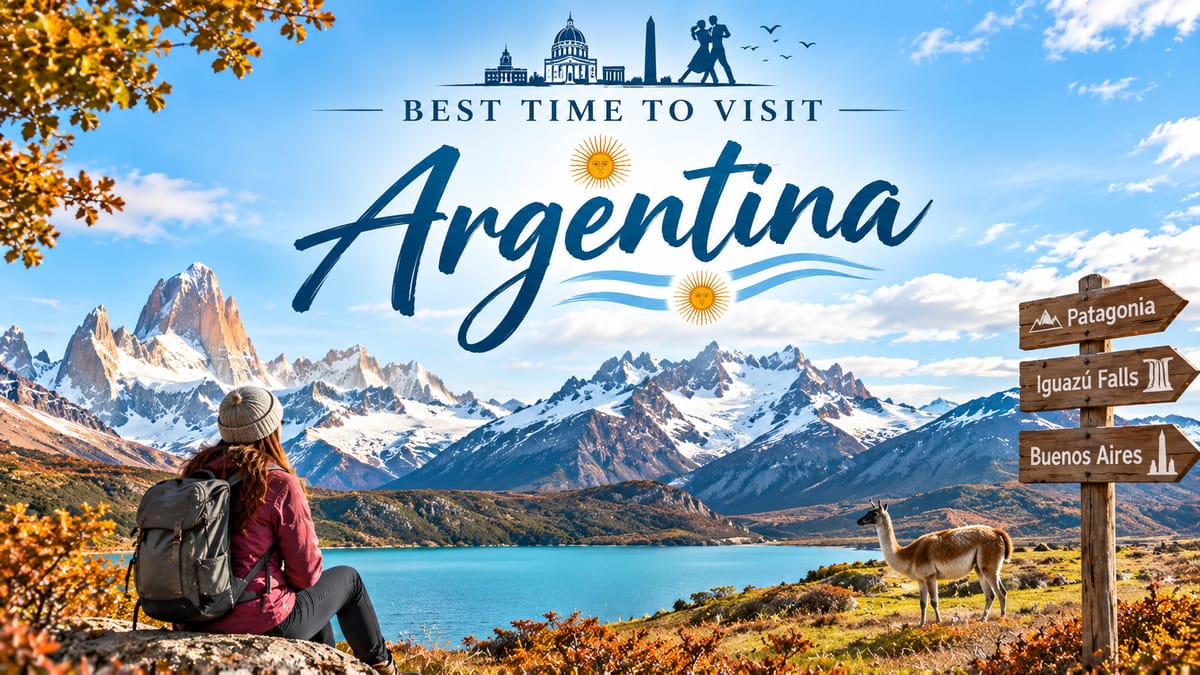
Best Time to Visit Argentina
Argentina is another country where one national weather forecast tells you almost nothing useful.
Buenos Aires can be warm and humid while Patagonia is cold and windy.
Mendoza may be enjoying perfect vineyard weather while Ushuaia feels almost polar.
The north can be hot when the far south is still dealing with snow.
So the best time to visit Argentina depends almost entirely on which version of the country you want.
For a broad first trip combining Buenos Aires, Patagonia and Mendoza, October to November and March to April are among the most attractive periods.
For Patagonia specifically, December to February offers the longest days and best access.
For skiing, winter matters.
For wine harvest, March becomes especially interesting.
Argentina rewards regional planning.
Understanding Argentina’s Seasons
Argentina lies in the Southern Hemisphere.
That means:
- Summer: December to February
- Autumn: March to May
- Winter: June to August
- Spring: September to November
But the country stretches so far north to south that climate varies dramatically.
That is part of what makes travelling here so interesting.
Spring in Argentina: September to November
Spring is one of the best seasons for a first visit.
Buenos Aires becomes pleasant.
Mendoza warms up.
Patagonia begins reopening fully after winter.
This is a strong period for:
- City travel
- Road trips
- Wine regions
- Patagonia
- Couples
- Photography
November is especially good.
Summer in Argentina: December to February
Summer is peak season in Patagonia.
Days are long.
Roads and hiking trails are at their most accessible.
Buenos Aires can become hot and humid.
This season is best for:
- Patagonia
- Ushuaia
- Hiking
- National parks
- Long road trips
The trade-off is higher prices and larger crowds in famous southern destinations.
Autumn in Argentina: March to May
Autumn is excellent.
March is especially strong because summer warmth remains while crowds begin easing.
Wine regions enter harvest season.
Patagonia starts turning golden and red.
Autumn is ideal for:
- Mendoza
- Buenos Aires
- Patagonia photography
- Food and wine
- Couples
Winter in Argentina: June to August
Winter changes the travel map.
Patagonia becomes much colder.
Some hiking routes close or become difficult.
Ski resorts come alive.
Buenos Aires remains perfectly visitable.
Winter is best for:
- Skiing
- City breaks
- Lower crowds
- Mountain resorts
Argentina Month by Month
January
Peak summer.
Patagonia is in full season.
Buenos Aires can be hot and humid.
Best for: Patagonia, Ushuaia and outdoor travel.
February
Strong summer conditions continue.
Excellent for hiking and southern road trips.
March
One of the best all-round months.
Patagonia remains accessible while Mendoza enters harvest season.
April
Autumn colour becomes especially beautiful in the south.
A fantastic month for photography.
May
Cooler and quieter.
Shoulder-season travel works well in Buenos Aires and wine regions.
June
Winter begins.
Ski destinations start becoming important.
Patagonia travel becomes more weather-dependent.
July
Peak ski season.
Southern mountain regions are cold and snowy.
August
Winter continues.
Good for skiing and quieter city travel.
September
Spring begins.
Conditions start improving across much of the country.
October
One of the best shoulder-season months.
Excellent for cities, wine country and early Patagonia travel.
November
A fantastic first-trip month.
Longer days and pleasant weather make multi-region travel easier.
December
Summer begins.
Patagonia moves into peak season.
Book early.
Best Time Based on Your Travel Style
First-Time Visit
October-November, March-April
Buenos Aires
March-May, September-November
Patagonia
November-March
Mendoza
March-April, September-November
Iguazu Falls
March-May, August-October
Ushuaia
December-March
Skiing
June-August
Wine Harvest
March
Buenos Aires
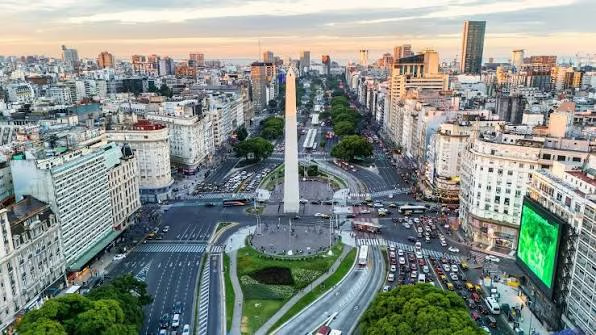
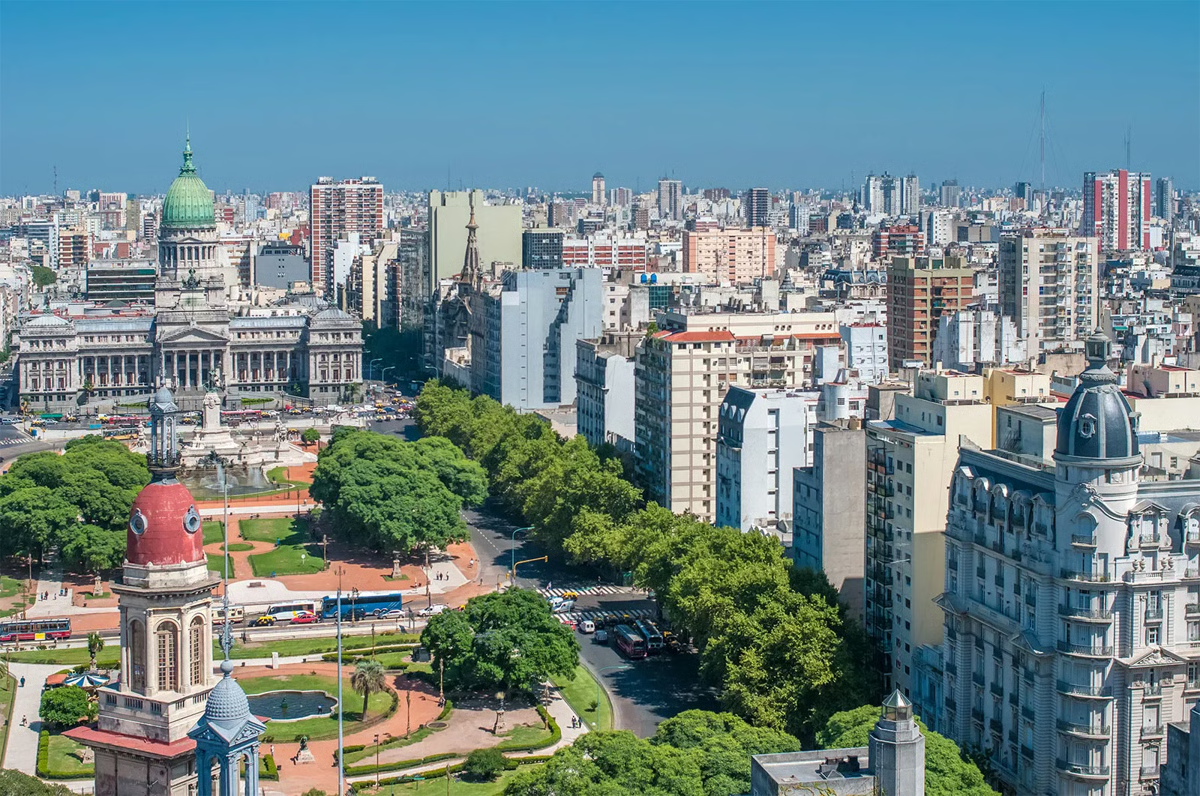
Buenos Aires is one of South America’s great cities.
It feels European in some neighbourhoods and unmistakably Latin American in others.
The city is built around:
- Food
- Football
- Tango
- Architecture
- Late nights
- Café culture
Highlights include:
- Recoleta
- San Telmo
- Palermo
- La Boca
- Puerto Madero
- Teatro Colón
Give Buenos Aires at least four nights.
Recoleta
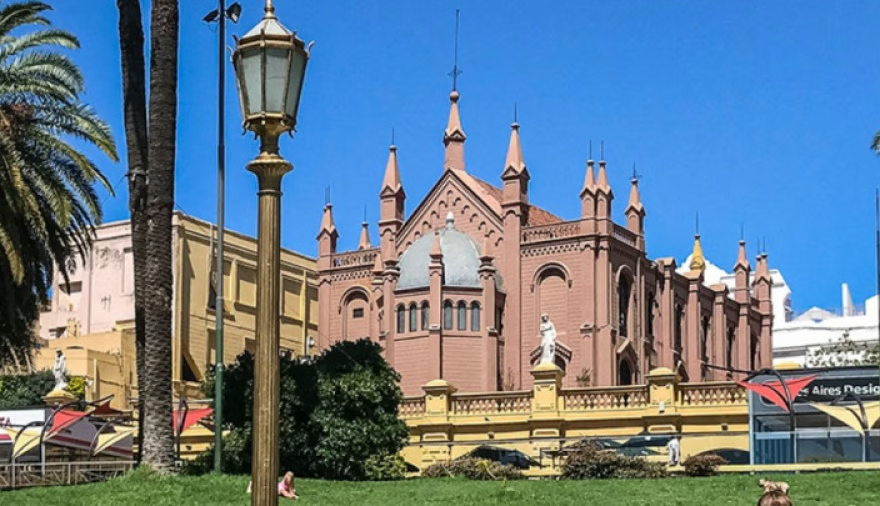
Recoleta is one of the city’s most elegant districts.
It is known for:
- Historic architecture
- Museums
- Parks
- Recoleta Cemetery
- Cafés
It is a good area for first-time visitors who want central access with a more polished atmosphere.
San Telmo
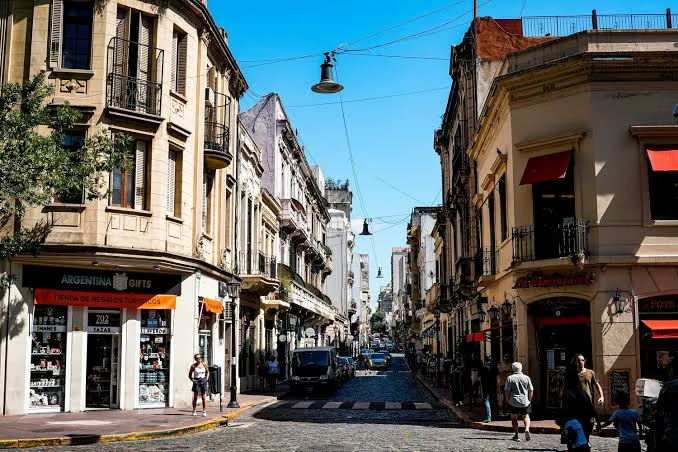
San Telmo feels older and more atmospheric.
Expect:
- Cobblestone streets
- Antique shops
- Tango culture
- Markets
- Historic buildings
Sunday is especially lively around the market area.
Palermo
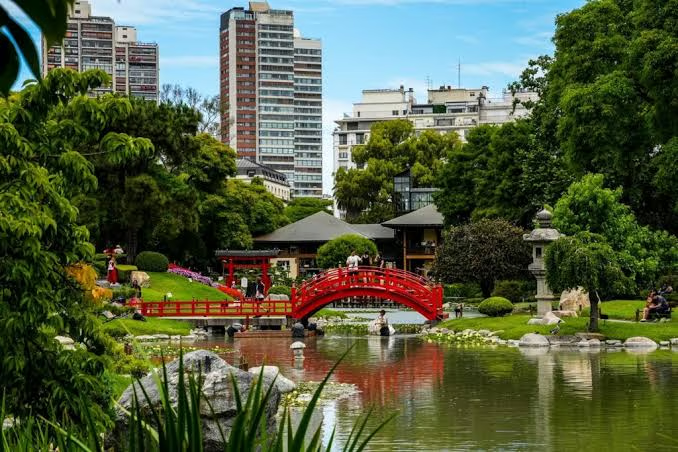
Palermo is broader, greener and more contemporary.
It is one of the best areas for:
- Restaurants
- Bars
- Boutique hotels
- Nightlife
- Parks
Many travellers end up spending more time here than they planned.
Atlas Insider Tip
Do not over-schedule Buenos Aires mornings.
The city runs late.
Dinner starts late.
Nightlife starts even later.
If you plan 8 AM sightseeing every day after midnight dinners, you will spend the trip exhausted.
Adapt to the local rhythm.
Tango
Tango is deeply associated with Buenos Aires.
There are different ways to experience it.
You can attend:
- Large stage shows
- Intimate performances
- Traditional milongas
A polished dinner show is very different from watching locals dance at a milonga.
Neither is automatically better.
Choose the experience that matches what you want.
Football in Argentina
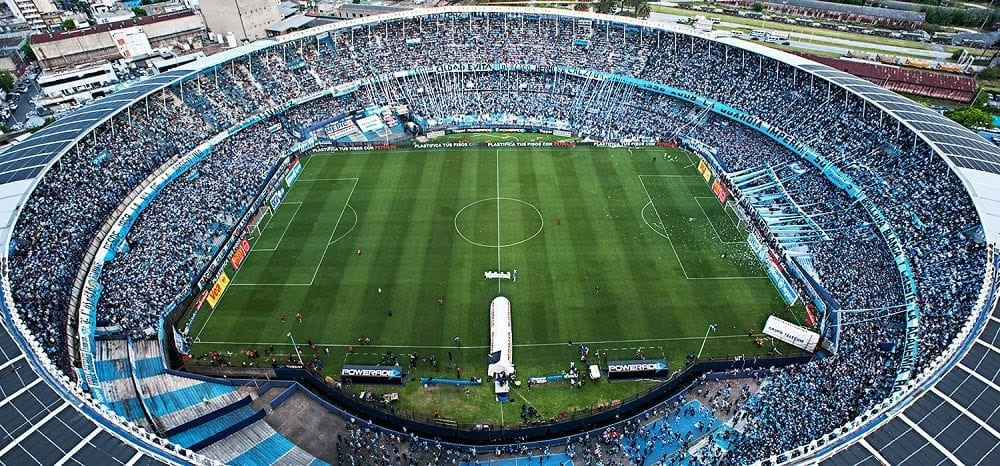
Football is not simply entertainment here.
It is part of identity.
Clubs such as Boca Juniors and River Plate have enormous cultural importance.
If you want to attend a match, use reputable ticket channels or organised operators and check current access arrangements.
Match-day logistics can be complex for visitors.
Patagonia
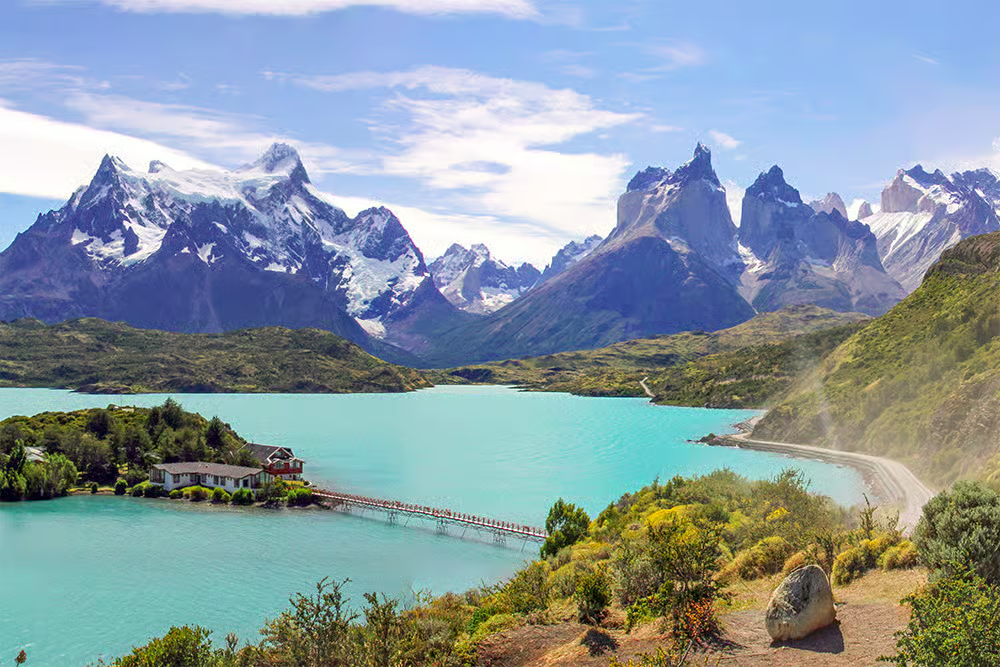
Patagonia is one of the main reasons many travellers dream about Argentina.
But Patagonia is enormous.
It includes:
- Mountains
- Glaciers
- Lakes
- Steppe
- Forests
- Remote roads
It is not one destination you can “do” in three days.
El Calafate
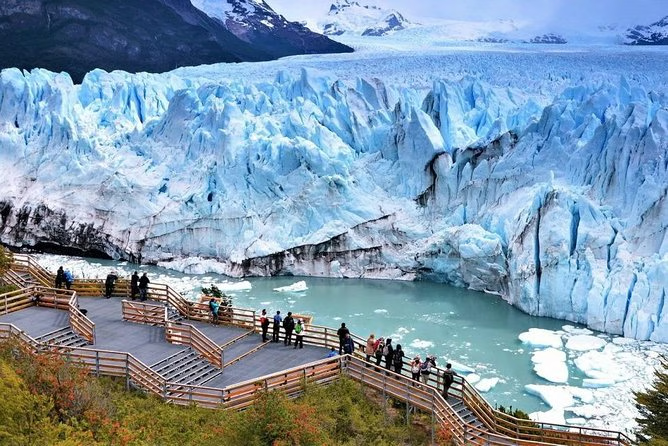
El Calafate is the main gateway to Perito Moreno Glacier.
The town itself is primarily a base.
The real attraction is the surrounding glacial landscape.
Two to three nights works well.
Perito Moreno Glacier
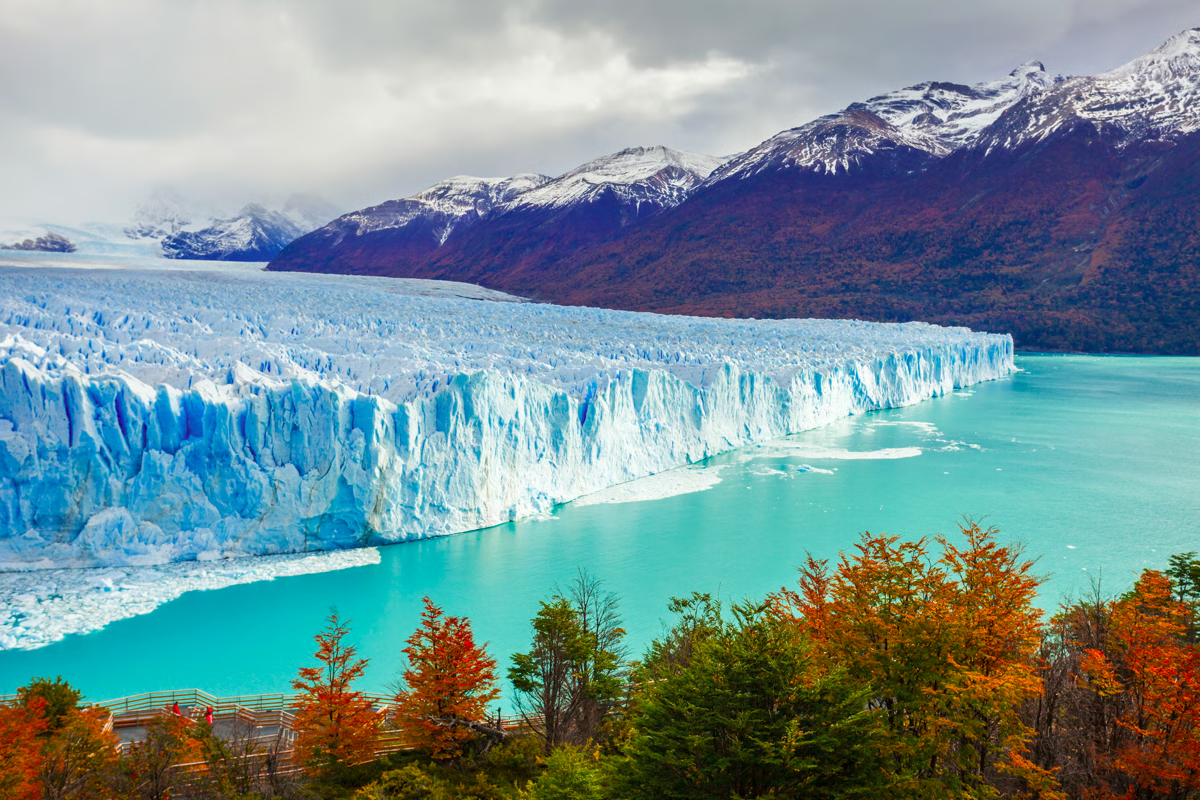
Perito Moreno is one of Argentina’s most spectacular natural attractions.
Unlike many retreating glaciers, it has historically been known for periods of relative stability, though glacier behaviour changes over time.
Visitors can experience it through:
- Viewing walkways
- Boat trips
- Guided glacier activities
The scale is difficult to understand from photographs.
Atlas Insider Tip: Give Perito Moreno Time
Do not treat the glacier as a one-hour photo stop.
Stay.
Listen.
Sections of ice may crack or collapse into the water without warning.
That unpredictability is part of the experience.
The longer you remain, the more the landscape starts feeling alive.
El Chaltén
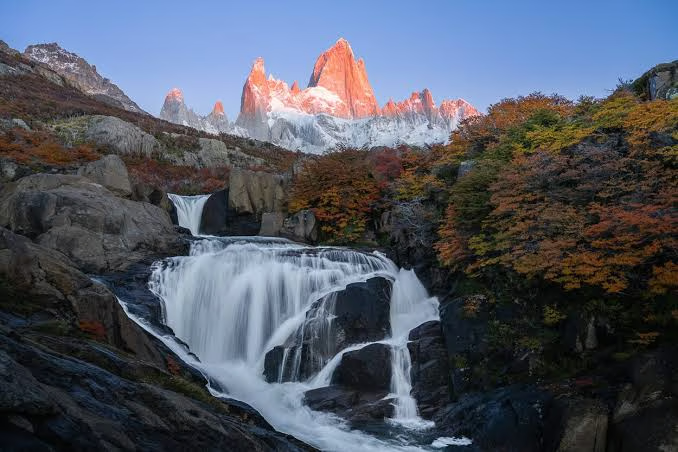
El Chaltén is Argentina’s trekking capital.
It is the gateway to trails around:
- Fitz Roy
- Cerro Torre
- Lago de los Tres
This destination is best for travellers who enjoy hiking.
Weather is famously changeable.
Build buffer days if one specific trek matters to you.
Best Time for El Chaltén
December to February offers the longest daylight and warmest conditions.
November and March can be excellent shoulder-season alternatives.
Wind is common throughout the region.
Bariloche
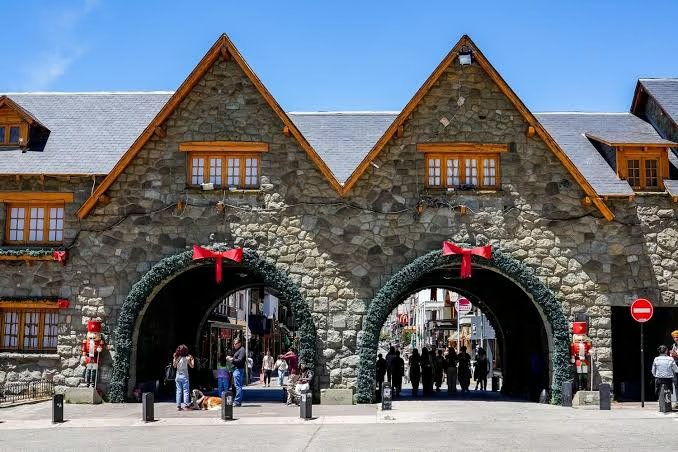
Bariloche sits among lakes and mountains in northern Patagonia.
It feels completely different from El Calafate.
The region is known for:
- Lakes
- Hiking
- Road trips
- Chocolate
- Skiing in winter
Summer and autumn are especially beautiful.
Route of the Seven Lakes
The drive between Bariloche and San Martín de los Andes is one of Argentina’s great road trips.
The route passes:
- Lakes
- Forests
- Mountain viewpoints
- Small towns
Do not rush it.
The stops are the experience.
Ushuaia
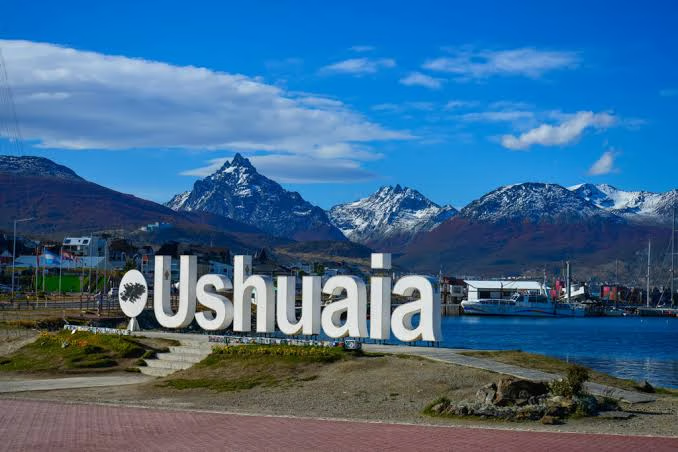
Ushuaia sits at the southern edge of Argentina in Tierra del Fuego.
It is famously marketed as the “End of the World.”
Travellers come for:
- Beagle Channel
- Mountains
- Wildlife
- Tierra del Fuego National Park
- Antarctica connections
Summer is the easiest season.
Antarctica Gateway
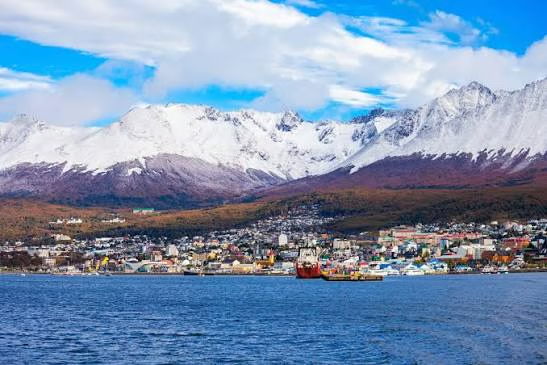
Ushuaia is one of the world’s main departure points for Antarctic expedition cruises.
That makes it strategically important far beyond Argentina.
Antarctica sailings are highly seasonal and require separate planning.
Mendoza
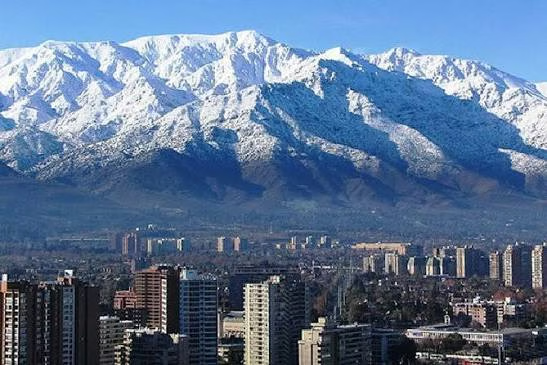
Mendoza is Argentina’s wine capital.
The Andes form a dramatic backdrop behind vineyard country.
The region is particularly known for Malbec.
Travellers come for:
- Winery visits
- Long lunches
- Mountain views
- Boutique hotels
- Cycling through vineyards
Wine Harvest Season
March is especially important in Mendoza because of harvest.
It can be one of the most atmospheric times to visit.
The region often hosts harvest-related celebrations and events.
Exact dates vary.
Atlas Insider Tip: Don’t Self-Drive a Wine Day
If your itinerary involves multiple winery tastings, arrange:
- A driver
- Guided wine tour
- Hotel transfer
It is safer and much more relaxing.
Wine country is not the place to build the day around who has to drive afterward.
Iguazu Falls
Argentina shares Iguazu Falls with Brazil.
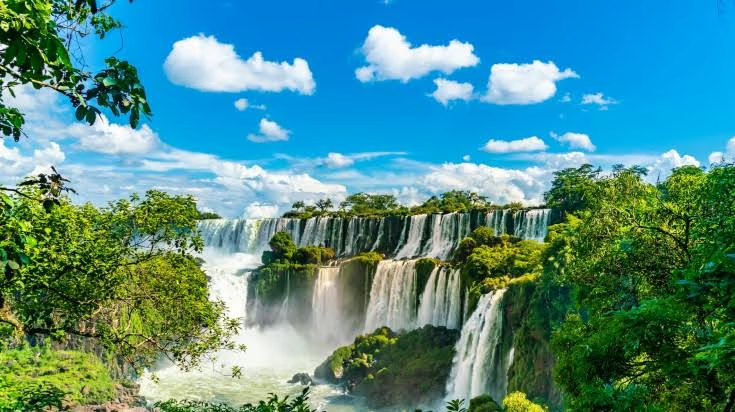
The Argentine side gives you a more immersive experience through extensive walkways.
You can get extremely close to the water.
Many travellers consider both national sides complementary rather than competing.
Argentine Side vs Brazilian Side
Argentine Side
Best for:
- More trails
- Closer waterfall access
- Full-day exploration
Brazilian Side
Best for:
- Panoramic views
- Understanding the full scale of the falls
If possible, experience both.
Salta and Northwest Argentina
Northern Argentina offers landscapes completely different from Patagonia.
Around Salta and Jujuy, you’ll find:
- Colourful mountains
- Desert scenery
- Colonial towns
- High-altitude roads
- Indigenous cultural influences
This region deserves far more international attention.
Quebrada de Humahuaca
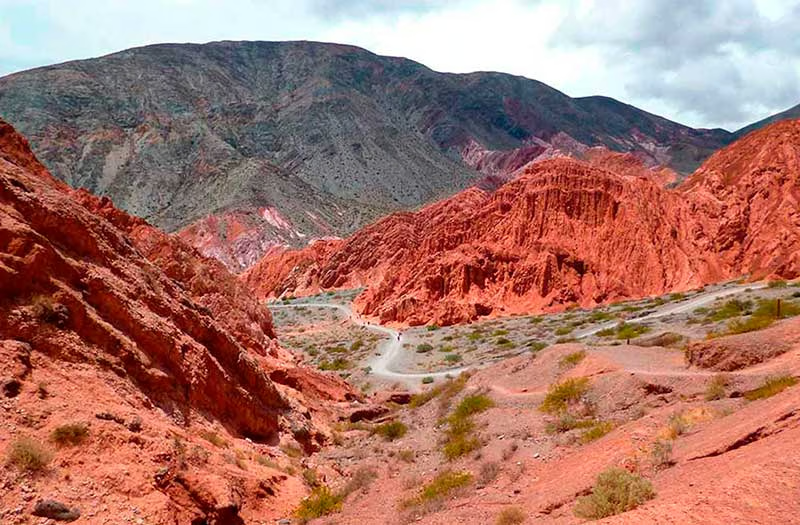
This dramatic valley in Jujuy is known for:
- Multicoloured mountains
- Historic villages
- High-altitude landscapes
It works especially well as a road trip.
Argentina for Couples
Argentina is excellent for couples who want variety.
A strong trip might combine:
Buenos Aires → Mendoza → Patagonia
You get:
- City life
- Wine
- Mountains
- Food
- Dramatic landscapes
It feels romantic without relying on beach resorts.
Argentina for Honeymooners
A honeymoon could look like:
Buenos Aires → Mendoza wine lodge → El Calafate
or
Buenos Aires → Bariloche → Patagonia
This suits couples who prefer food, scenery and experiences over resort-only travel.
Argentina for Families
Argentina can work well for families, particularly with older children.
Good options include:
- Buenos Aires
- Iguazu Falls
- Bariloche
- Patagonia
The main challenge is distance.
Domestic flights are often essential.
Getting Around Argentina
Argentina is huge.
Domestic flights can save enormous amounts of time.
Travellers often underestimate the distances between:
- Buenos Aires
- Patagonia
- Mendoza
- Iguazu
- Northwest Argentina
Avoid designing an itinerary that requires a flight every second day.
Atlas Insider Tip: Pick a Theme
For a first trip, choose one broad theme.
Classic Argentina
Buenos Aires + Patagonia
Food & Wine
Buenos Aires + Mendoza
Nature
Iguazu + Patagonia
Big Adventure
Patagonia + Ushuaia
You will enjoy the country far more than if you try to combine everything.
What Should You Eat in Argentina?
Food is central to the experience.
Asado
Argentina’s barbecue tradition.
It is as much social ritual as meal.
Empanadas
Different regions have their own styles and fillings.
Try several.
Milanesa
Breaded meat served in many variations.
Provoleta
Grilled provolone cheese.
Simple and excellent.
Dulce de Leche
A caramel-like milk spread used across desserts and pastries.
Alfajores
Sandwich cookies often filled with dulce de leche.
Vegetarian Travel in Argentina
Traditional Argentine cuisine is very meat-focused.
But vegetarian travel is increasingly easy in Buenos Aires and major tourist cities.
You’ll find:
- Empanadas
- Pasta
- Pizza
- Salads
- Grilled vegetables
- Modern vegetarian restaurants
Outside large cities, options may be more limited.
Argentine Wine
Argentina is best known internationally for Malbec.
But the country also produces:
- Torrontés
- Cabernet Sauvignon
- Pinot Noir
- Chardonnay
Mendoza is the headline region, but Salta and Patagonia also produce distinctive wines.
How Many Days Do You Need in Argentina?
5 to 6 Days
Buenos Aires + one nearby experience
8 to 10 Days
Buenos Aires + Mendoza or Iguazu
12 to 14 Days
Excellent for Buenos Aires + Patagonia
2 to 3 Weeks
Better for three major regions
For most first-time travellers, 12 to 14 days gives Argentina enough room to breathe.
A Good First-Time Argentina Route
A strong first journey could be:
Buenos Aires → El Calafate → El Chaltén
With more time:
Buenos Aires → Mendoza → El Calafate
Another excellent route:
Buenos Aires → Iguazu → Patagonia
Choose based on what excites you most.
Argentina vs Brazil
These neighbours create very different travel experiences.
Choose Argentina for:
- Buenos Aires
- Patagonia
- Wine
- Andes
- Tango
- Cooler mountain landscapes
Choose Brazil for:
- Rio
- Beaches
- Amazon
- Pantanal
- Tropical culture
- Larger wildlife diversity
A longer South America trip can combine the two beautifully.
Argentina vs Chile
Choose Argentina for:
- Buenos Aires
- Mendoza
- Larger Argentine Patagonia circuits
- Tango and food culture
Choose Chile for:
- Atacama Desert
- Narrow Pacific geography
- Torres del Paine access
- Strong wine regions
Together, they make one of South America’s great multi-country trips.
Travel Tips Before You Go
- Plan Argentina by region.
- Choose October-November or March-April for a balanced first trip.
- Give Buenos Aires at least four nights.
- Build weather buffers into Patagonia.
- Book peak Patagonia stays early.
- Use domestic flights strategically.
- Stay longer in fewer regions.
- Use a driver for wine-tasting days.
- Pack layers for Patagonia even in summer.
- Check current entry and transport requirements before departure.
Quick Summary
| Travel Goal | Best Time |
|---|---|
| Overall Best Time | October-November, March-April |
| Buenos Aires | March-May, September-November |
| Patagonia | November-March |
| Mendoza | March-April, September-November |
| Iguazu Falls | March-May, August-October |
| Ushuaia | December-March |
| Skiing | June-August |
| Wine Harvest | March |
Frequently Asked Questions
What is the best month to visit Argentina?
For a broad first trip, November and March are especially strong because they work well across several major regions.
How many days are enough for Argentina?
Around 12 to 14 days is a good starting point if you want Buenos Aires plus Patagonia or another major region.
What is the best time to visit Patagonia?
November through March is the main travel season, with December to February offering the longest daylight and highest visitor numbers.
Is Buenos Aires worth four days?
Yes. The city rewards slower travel, especially if food, nightlife, architecture and neighbourhood exploration interest you.
Mendoza or Patagonia?
Choose Mendoza for wine, food and a slower luxury experience.
Choose Patagonia for trekking, glaciers and dramatic landscapes.
Argentina or Brazil for first South America trip?
Choose Argentina for cities, wine and mountain landscapes.
Choose Brazil for beaches, tropical energy and wildlife.
Both are outstanding, but they feel completely different.
Continue Exploring on Mindflix Atlas
- Best Time to Visit Brazil
- Best Time to Visit New Zealand
- Best Time to Visit Canada
- Best Time to Visit Chile (Coming Soon)
- 50 International Destinations Every Indian Traveller Should Experience at Least Once
- Argentina Travel Guide (Coming Soon)
- Buenos Aires Travel Guide (Coming Soon)
- Patagonia Travel Guide (Coming Soon)
- Mendoza Wine Travel Guide (Coming Soon)
- The Perfect 14-Day Argentina Itinerary (Coming Soon)
- Argentina vs Brazil (Coming Soon)
- Best South America Destinations for First-Time Travellers (Coming Soon)
Argentina is the kind of country that keeps getting larger the more you understand it.
You arrive thinking about Buenos Aires.
Then Patagonia enters the picture.
Then Mendoza.
Then Iguazu.
Then the northwest.
And suddenly one trip is nowhere near enough.
That is exactly how Argentina should be travelled.
Choose one version of the country.
Give it time.
And leave the rest as a reason to return.
Mindflix Atlas helps you understand the destination before you book it, so you can travel smarter and experience more.