
Best Time to Visit Belgium: Brussels, Bruges, Ghent & Month-by-Month Guide (2026)
Jay Vora
Founder & CEO
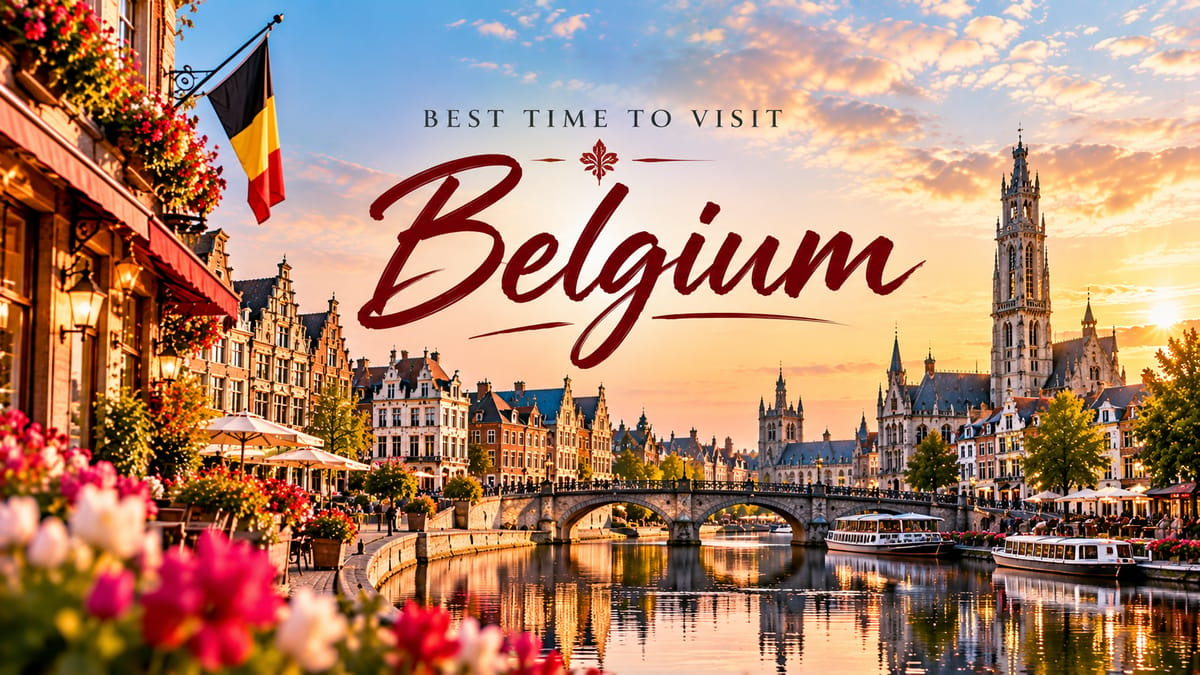
Best Time to Visit Belgium
Belgium is easy to overlook on a European itinerary.
That is usually a mistake.
Brussels gives you grand squares, museums and European institutions.
Bruges looks almost impossibly preserved.
Ghent feels younger, livelier and less polished in the best possible way.
Antwerp brings fashion, design and a completely different urban personality.
And because the country is compact, you can experience several sides of Belgium without spending half the trip moving between hotels.
For most first-time travellers, April to June and September to October are among the best times to visit Belgium.
Spring brings longer days and milder weather.
Early autumn offers comfortable sightseeing conditions with fewer peak-summer crowds.
But Belgium can also be excellent in December, when Christmas markets and winter atmosphere take over many historic centres.
Understanding Belgium’s Weather
Belgium has a temperate maritime climate.
That means the weather can be changeable throughout the year.
Expect:
- Mild summers
- Cool winters
- Rain in every season
- Cloudy days at any time
- Occasional sudden sunshine after rain
A compact umbrella or lightweight waterproof jacket is useful almost year-round.
Spring in Belgium: March to May
Spring starts slowly.
March can still feel cold.
April becomes more comfortable.
May is one of the strongest months overall.
Spring is excellent for:
- Brussels
- Bruges
- Ghent
- Antwerp
- Walking tours
- Canal trips
- Photography
Summer in Belgium: June to August
Summer brings the longest days.
City squares stay lively late into the evening.
Outdoor cafés fill up.
Festivals become more common.
This is a good period for:
- City breaks
- Canal travel
- Families
- Outdoor dining
- Festivals
July and August are also busier, especially in Bruges.
Autumn in Belgium: September to November
September is arguably one of Belgium’s best travel months.
The weather can remain pleasant while crowds begin easing.
October becomes cooler and more atmospheric.
Autumn suits:
- Couples
- Food travel
- Photography
- City breaks
- Beer-focused trips
By November, days become shorter and colder.
Winter in Belgium: December to February
Winter is cold and often damp.
But December can be magical.
Historic squares fill with:
- Lights
- Christmas stalls
- Seasonal food
- Ice rinks
- Festive decorations
Brussels, Bruges and Ghent all become particularly atmospheric.
Belgium Month by Month
January
Cold and quiet.
This is one of the calmest periods for museums and major cities.
Best for: Lower crowds, food and indoor culture.
February
Winter continues.
The weather remains cool and often grey.
A good value month for city breaks.
March
Spring begins slowly.
Temperatures improve but remain unpredictable.
April
One of the better shoulder-season months.
Walking becomes more comfortable and daylight increases.
May
Excellent for first-time visitors.
Longer days, mild weather and relatively manageable crowds make sightseeing easier.
June
Summer begins.
Outdoor cafés and historic squares become much livelier.
July
Peak summer.
Expect more visitors, especially in Bruges and Brussels.
August
Still busy and pleasant for outdoor travel.
Some cities feel quieter locally during holiday periods, while tourist areas remain active.
September
One of the strongest all-round months.
Warm enough for outdoor sightseeing with fewer peak-season crowds.
October
Cooler and atmospheric.
Autumn colours add character to canals and parks.
November
Darker and quieter.
Christmas-market preparations begin later in the month.
December
One of Belgium’s most atmospheric months.
Festive lights and Christmas markets transform historic centres.
Best Time Based on Your Travel Style
First-Time Visit
April-June, September-October
Brussels
April-June, September-December
Bruges
April-June, September-October
Ghent
April-June, September-October
Antwerp
April-June, September-December
Christmas Markets
Late November-December
Food & Beer
Year-round
Fewer Crowds
January-March, November
Brussels
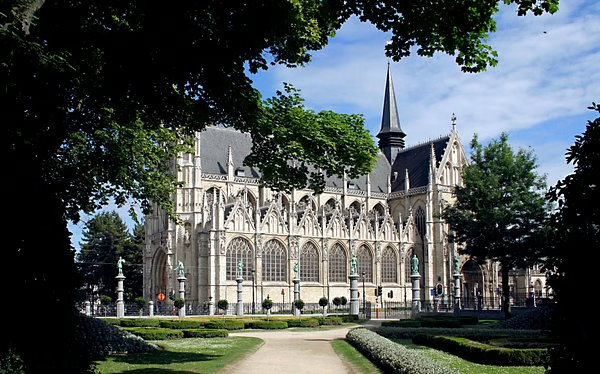
Brussels is often treated as a transit city.
That undersells it.
The city mixes:
- Grand architecture
- European institutions
- Surrealist art
- Comic-book culture
- Food
- Beer
Highlights include:
- Grand-Place
- Royal Galleries
- Atomium
- Mont des Arts
- Magritte Museum
- Sablon
Two nights is usually enough for a strong first visit.
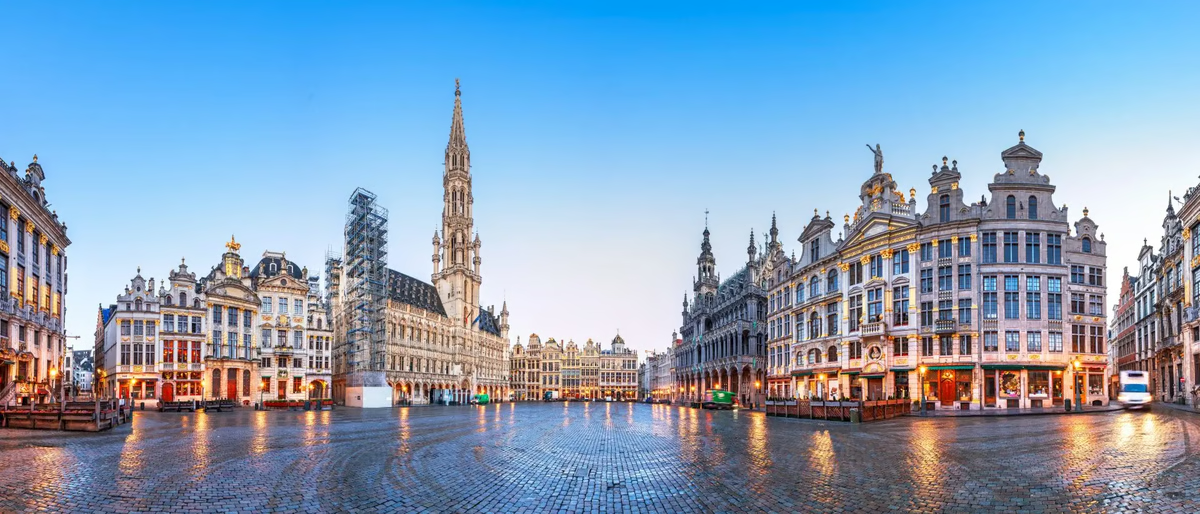
Grand-Place
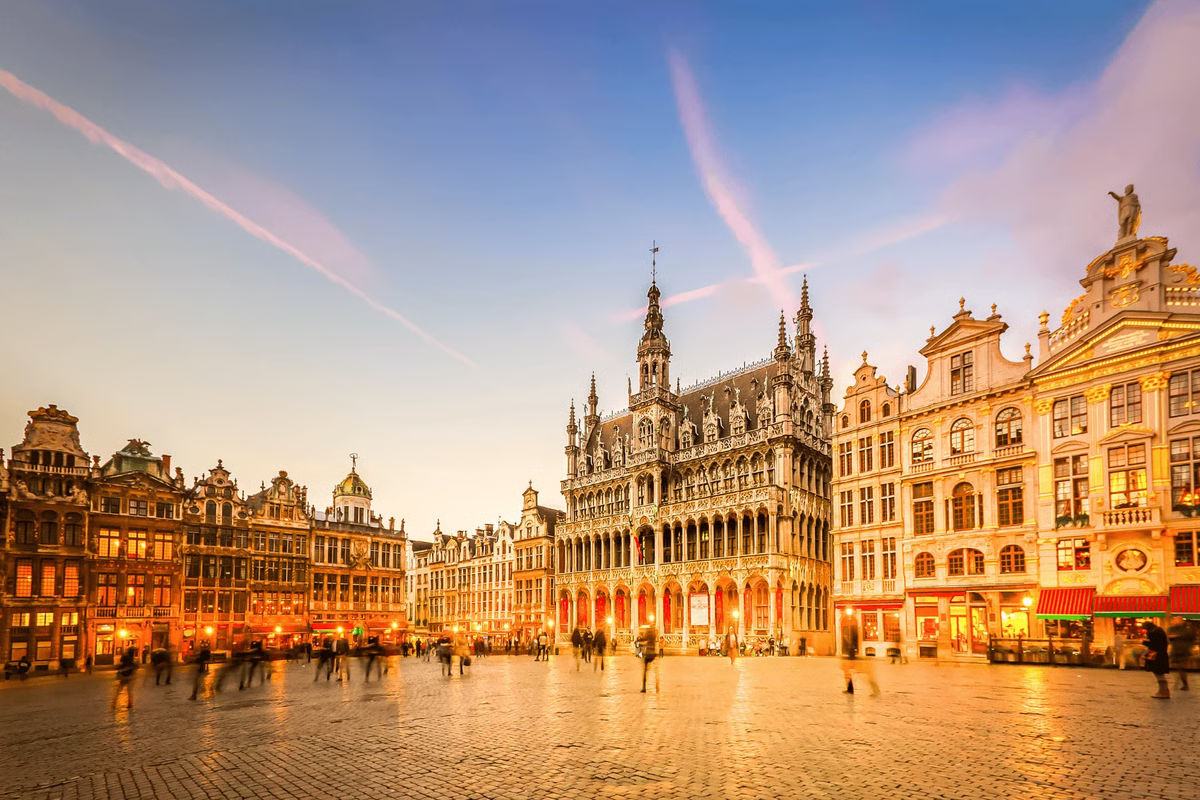
Grand-Place is Brussels at its most impressive.
The surrounding buildings create one of Europe’s great historic squares.
Visit more than once.
Morning is quieter.
Evening brings dramatic lighting and a completely different atmosphere.
Atlas Insider Tip
Do not judge Brussels only by the streets around the main railway stations.
Some arrival areas can feel functional or underwhelming.
Give the city time.
Walk toward the historic centre, Sablon and surrounding neighbourhoods before deciding what you think of it.
Brussels often improves after the first few hours.
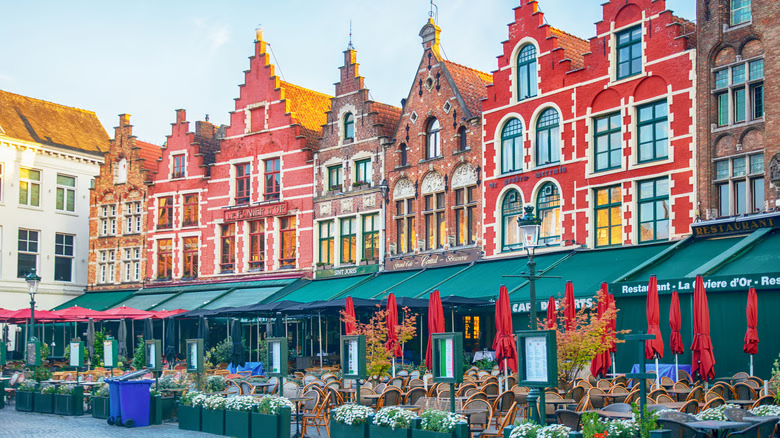
Bruges
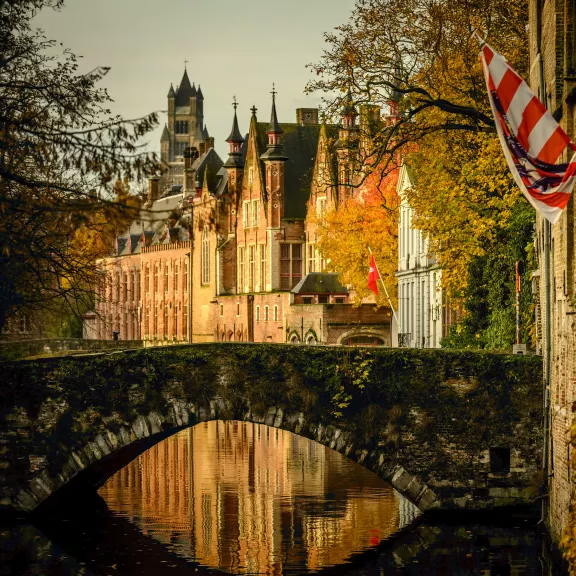
Bruges is the city many travellers picture when they imagine Belgium.
Think:
- Canals
- Medieval buildings
- Cobbled streets
- Church towers
- Chocolate shops
It is beautiful.
It is also very popular.
Should You Stay Overnight in Bruges?
Yes, if you have the time.
Bruges changes considerably after day visitors leave.
Early mornings and evenings are quieter.
The canals become more atmospheric.
The historic centre feels less like an attraction and more like a city.
A one-night stay can transform the experience.
Atlas Insider Tip: See Bruges Before Breakfast
If you stay overnight, go for a walk before breakfast.
The streets around:
- Markt
- Burg Square
- Rozenhoedkaai
can feel completely different before the tour groups arrive.
That early hour is one of the best reasons not to visit Bruges only as a day trip.
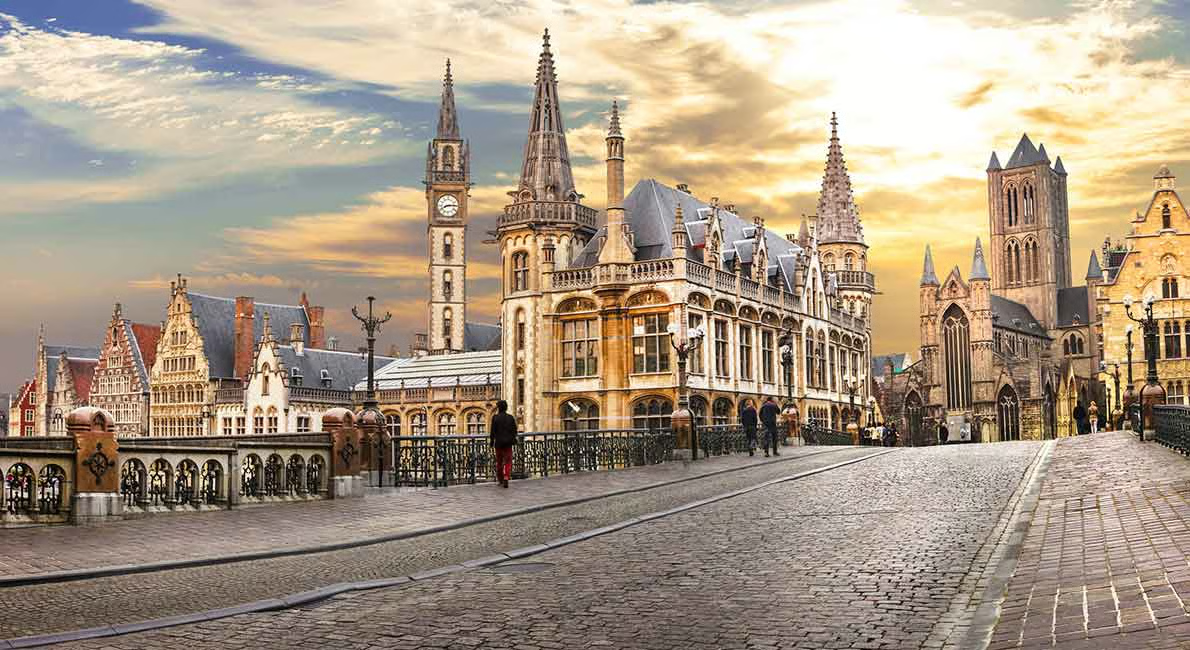
Ghent
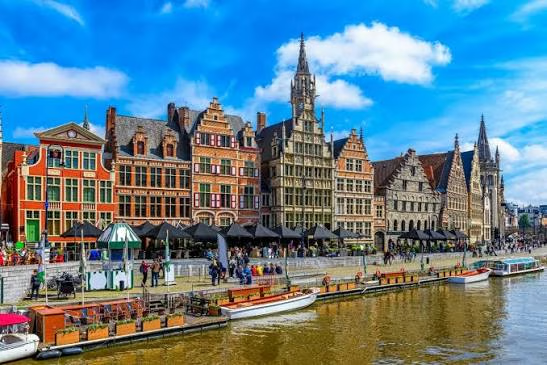
Ghent is one of Belgium’s strongest cities and still sometimes overlooked.
It has:
- Medieval architecture
- Canals
- A major university population
- Nightlife
- Restaurants
- A more lived-in atmosphere than Bruges
For many travellers, Ghent becomes the surprise favourite.
Gravensteen Castle
Gravensteen sits dramatically in central Ghent.
The medieval fortress gives you a very different experience from the elegant streets of Bruges.
It is easy to combine with a walking route through the old city.
Graslei and Korenlei
These canal-side streets form one of Ghent’s most photogenic areas.
Visit during the day.
Then return after dark.
The buildings and bridges become beautifully illuminated.
Bruges vs Ghent
This is one of Belgium’s most common travel questions.
Choose Bruges for:
- Fairytale atmosphere
- Romantic canals
- Medieval streets
- Photography
Choose Ghent for:
- Livelier evenings
- Younger atmosphere
- Food
- A more local feel
The smartest answer?
Visit both.
They are close enough that you do not need to choose.
Antwerp
Antwerp feels completely different from Bruges and Ghent.
It is Belgium’s fashion and design city.
Highlights include:
- Cathedral of Our Lady
- Grote Markt
- Central Station
- Fashion district
- Museums
- Diamond district
It works especially well for travellers interested in architecture, art and shopping.
Antwerp Central Station
Antwerp’s railway station is an attraction in itself.
It is often considered one of Europe’s most striking station buildings.
Arriving by train feels like part of the sightseeing.
Belgium by Train
Belgium is one of Europe’s easiest countries to explore by rail.
Brussels connects efficiently with:
- Bruges
- Ghent
- Antwerp
- Leuven
This means a rental car is unnecessary for most first-time itineraries.
Should You Base Yourself in Brussels?
You can.
Brussels works well as a central rail base.
But staying every night in Brussels means missing Bruges and Ghent after the day-trippers leave.
A better trip might include:
Brussels + Ghent
or
Brussels + Bruges
with day trips from each.
Belgium + Netherlands
Belgium combines beautifully with the Netherlands.
A strong route could be:
Amsterdam → Rotterdam → Antwerp → Ghent → Bruges → Brussels
This gives you a compact multi-country trip with minimal flying and easy train connections.
Belgium + France
Belgium also combines naturally with northern France.
For a longer European itinerary, you could travel:
Amsterdam → Brussels → Paris
or
Bruges → Brussels → Paris
The short distances make this one of Europe’s easiest multi-country journeys.
Belgian Chocolate
Chocolate is one of the country’s great pleasures.
You will find everything from:
- Historic chocolatiers
- Luxury pralines
- Small artisan shops
- Modern experimental brands
Brussels and Bruges both have countless options.
The best strategy is simple:
Try several.
Belgian Waffles
There is no single Belgian waffle.
Two famous styles are:
Brussels Waffle
Lighter and rectangular.
Often served with toppings.
Liège Waffle
Denser, sweeter and caramelised.
Usually delicious without much added to it.
Try both.
Belgian Fries
Belgian fries are treated seriously.
They are often double-fried for crispness.
Look for traditional friteries rather than assuming the best fries will come from a formal restaurant.
Belgian Beer Culture
Belgian beer is extraordinarily varied.
Styles include:
- Trappist ales
- Lambic
- Gueuze
- Saison
- Strong dark ales
Beer culture here is about much more than quantity.
Glassware, brewing traditions and serving rituals are often part of the experience.
Non-drinkers can still enjoy Belgium fully through its food, cafés and cultural attractions.
Vegetarian Travel in Belgium
Vegetarian travel is easy in major cities.
Brussels, Ghent and Antwerp have strong vegetarian and vegan scenes.
Traditional Belgian cuisine can be meat-heavy, but modern options are widely available.
Ghent is especially good for plant-based travellers.
Belgium for Couples
Belgium works beautifully for couples because it is easy to travel slowly.
A strong itinerary might be:
Brussels → Ghent → Bruges
Think:
- Boutique hotels
- Canal walks
- Chocolate
- Café stops
- Historic squares
- Easy train journeys
It makes a very relaxed European break.
Belgium for Families
Families can enjoy Belgium too.
Popular experiences include:
- Chocolate shops
- Canal cruises
- Castles
- Comic-book culture
- Mini-Europe in Brussels
- Easy train journeys
Short travel times are a major advantage.
Christmas Markets in Belgium
Belgium becomes especially atmospheric during the festive season.
Popular destinations include:
- Brussels
- Bruges
- Ghent
- Antwerp
Exact market dates change each year.
Always confirm current schedules before planning a December trip around specific events.
How Many Days Do You Need in Belgium?
2 to 3 Days
Brussels + one day trip
4 Days
Brussels + Bruges + Ghent
5 to 6 Days
Brussels + Bruges + Ghent + Antwerp
7 Days
Excellent for a slower, broader trip
For most first-time visitors, 4 to 6 days works very well.
A Good First-Time Belgium Route
A balanced first trip could be:
Brussels → Ghent → Bruges
With more time:
Brussels → Antwerp → Ghent → Bruges
Because train distances are short, you can keep hotel changes to a minimum.
Travel Tips Before You Go
- Visit in May, June or September for an easy first trip.
- Stay overnight in Bruges if possible.
- Give Ghent more than a rushed few hours.
- Use trains rather than renting a car.
- Carry rain protection.
- Book festive-season hotels early.
- Try both Brussels and Liège-style waffles.
- Explore beyond Brussels’ main tourist streets.
- Avoid turning every city into a day trip.
- Combine Belgium with the Netherlands for an excellent longer itinerary.
Quick Summary
| Travel Goal | Best Time |
|---|---|
| Overall Best Time | April-June, September-October |
| Brussels | April-June, September-December |
| Bruges | April-June, September-October |
| Ghent | April-June, September-October |
| Antwerp | April-June, September-December |
| Christmas Markets | Late November-December |
| Food & Beer | Year-round |
| Fewer Crowds | January-March, November |
Frequently Asked Questions
What is the best month to visit Belgium?
May, June and September are among the strongest months for a first-time visit.
How many days are enough for Belgium?
Around 4 to 6 days gives you enough time for Brussels, Ghent and Bruges without rushing.
Is Bruges worth staying overnight?
Yes. The city is noticeably quieter in the early morning and evening after many day visitors leave.
Bruges or Ghent?
Choose Bruges for fairytale scenery and romance.
Choose Ghent for atmosphere, nightlife and a more lived-in city feel.
Ideally, visit both.
Do I need a car in Belgium?
No for most first trips. Train connections between major cities are convenient.
Belgium or Netherlands?
Choose Belgium for medieval cities, chocolate, beer culture and compact historic centres.
Choose the Netherlands for Amsterdam, tulips, cycling and canal landscapes.
The two countries are especially good together.
Continue Exploring on Mindflix Atlas
- Best Time to Visit the Netherlands
- Best Time to Visit Germany
- Best Time to Visit France
- Best Time to Visit Austria
- Best Time to Visit Every Country
- Belgium Travel Guide (Coming Soon)
- Bruges Travel Guide (Coming Soon)
- Ghent Travel Guide (Coming Soon)
- The Perfect 5-Day Belgium Itinerary (Coming Soon)
- Belgium vs Netherlands (Coming Soon)
- Amsterdam + Belgium Itinerary (Coming Soon)
- Best Medieval Cities in Europe (Coming Soon)
Belgium works best when you stop treating it as somewhere between France, Germany and the Netherlands.
It has its own rhythm.
Grand squares.
Canal towns.
Chocolate shops.
Train journeys that barely seem long enough to settle into your seat.
And cities close enough to combine, yet different enough to remember separately.
Brussels gives you scale.
Bruges gives you romance.
Ghent gives you energy.
Antwerp gives you edge.
The smartest Belgium trip is not about seeing dozens of places.
It is about realising how much variety fits inside a very small map.
Mindflix Atlas helps you understand the destination before you book it, so you can travel smarter and experience more.