
Best Time to Visit Bhutan: Weather, Festivals & Month-by-Month Guide (2026)
Jay Vora
Founder & CEO
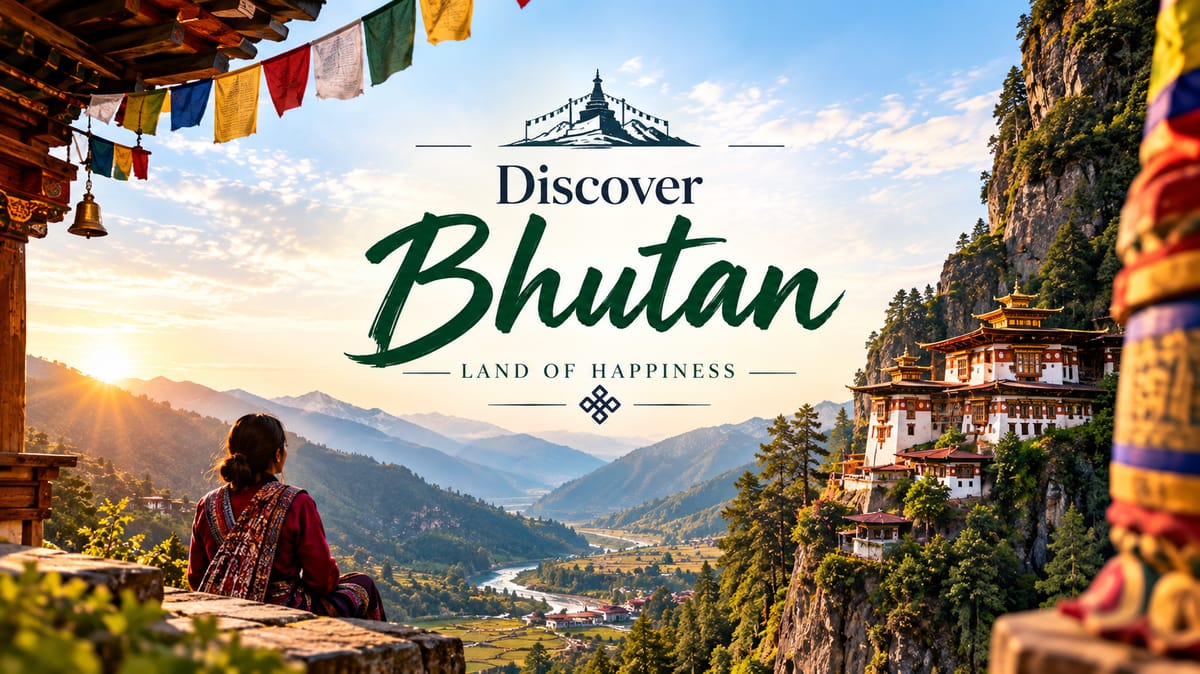
Best Time to Visit Bhutan
Bhutan does not feel like a destination designed for rushing.
The roads are slower.
The mountains dominate everything.
Monasteries sit above valleys.
Prayer flags appear beside rivers and mountain passes.
And some of the country’s most memorable places require a little effort before you reach them.
For most first-time travellers, March to May and September to November are among the best times to visit Bhutan.
Spring brings pleasant weather and flowering landscapes.
Autumn often delivers clearer skies and excellent mountain views.
But Bhutan changes considerably with the seasons.
Your ideal month depends on whether you care most about trekking, festivals, photography, quieter travel or simply comfortable sightseeing.
Understanding Bhutan’s Seasons
Bhutan’s geography creates very different conditions across a relatively small country.
Lower valleys can feel mild while high mountain passes are cold.
Broadly, the year can be divided into:
- Spring: March to May
- Summer/Monsoon: June to August
- Autumn: September to November
- Winter: December to February
Altitude matters just as much as the month.
Spring in Bhutan: March to May
Spring is one of Bhutan’s most beautiful seasons.
Days become warmer.
Forests turn greener.
Rhododendrons bloom in many mountain areas.
This is an excellent period for:
- First-time visits
- Trekking
- Photography
- Punakha
- Paro
- Nature
April is especially popular.
Summer in Bhutan: June to August
Summer overlaps with the monsoon.
Expect:
- Rain
- Clouds
- Green valleys
- Occasional travel delays
This is the quieter season.
It can appeal to travellers who prioritise lower crowds and lush scenery over crystal-clear mountain views.
Autumn in Bhutan: September to November
Autumn is arguably Bhutan’s strongest all-round season.
Rainfall reduces.
Skies often become clearer.
Temperatures are comfortable.
The Himalayan backdrop can be spectacular.
This season is particularly strong for:
- Trekking
- Mountain views
- Festivals
- Photography
- Cultural travel
October is one of the most sought-after months.
Winter in Bhutan: December to February
Winter is cold, especially mornings and evenings.
But it also has advantages.
Skies can be beautifully clear.
Crowds are lighter.
Lower-altitude valleys remain accessible.
Winter works well for travellers who are comfortable with cold weather.
Bhutan Month by Month
January
Cold and quiet.
High-altitude areas can be very cold, but lower valleys remain visitable.
Best for: Clear skies, fewer tourists and peaceful cultural travel.
February
Still wintry.
Temperatures begin improving later in the month.
A good period for quieter travel.
March
Spring begins.
Conditions become increasingly pleasant.
Nature starts waking up.
April
One of Bhutan’s best months.
Comfortable weather, flowering landscapes and strong trekking conditions.
May
Still a very good month.
Warmer conditions arrive and greenery intensifies.
June
The monsoon begins affecting many areas.
Rain becomes more frequent.
July
One of the wettest months.
The countryside is intensely green, but mountain views can be limited.
August
Wet conditions continue.
It remains a quieter and more atmospheric period.
September
Rain begins easing.
This is the transition into one of Bhutan’s best seasons.
October
One of the strongest months to visit.
Clearer skies, excellent mountain views and comfortable weather.
November
Cooler and generally clear.
A fantastic month for photography and cultural sightseeing.
December
Winter returns.
Expect crisp mornings, colder nights and quieter tourist sites.
Best Time Based on Your Travel Style
First-Time Visit
March-May, September-November
Tiger’s Nest
March-May, September-November
Trekking
March-May, September-November
Himalayan Views
October-November
Festivals
Spring and autumn, depending on the festival calendar
Photography
April, October, November
Fewer Crowds
December-February, June-August
Green Landscapes
June-August
Paro
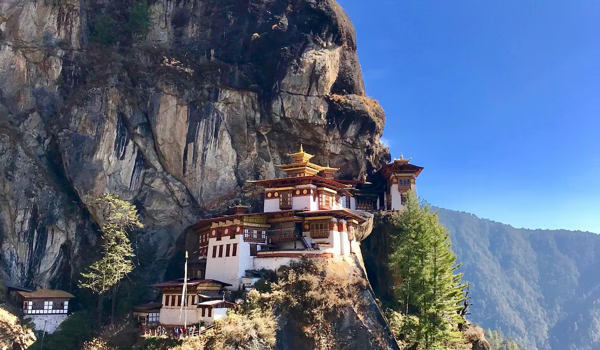
Paro is where many travellers first encounter Bhutan.
The valley is beautiful, quiet and surrounded by mountains.
Highlights include:
- Paro Dzong
- Traditional houses
- National Museum
- Local cafés
- Tiger’s Nest Monastery
It is worth spending more than one rushed night here.
Tiger’s Nest Monastery
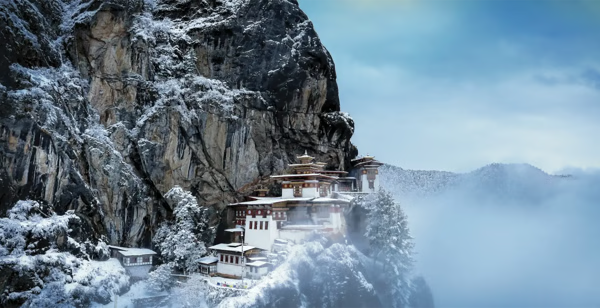
Tiger’s Nest, or Paro Taktsang, is Bhutan’s most famous landmark.
The monastery appears to cling dramatically to a cliff.
Reaching it involves a hike.
The trail is manageable for many travellers, but it should not be underestimated.
Start early.
The morning is cooler, quieter and usually more comfortable.
Atlas Insider Tip
Do not schedule the Tiger’s Nest hike on your first morning if you arrive tired or are not used to altitude.
Give yourself a little time to settle in.
And start the hike early rather than waiting until midday.
You’ll usually get cooler conditions, fewer people and a much more enjoyable climb.
Thimphu
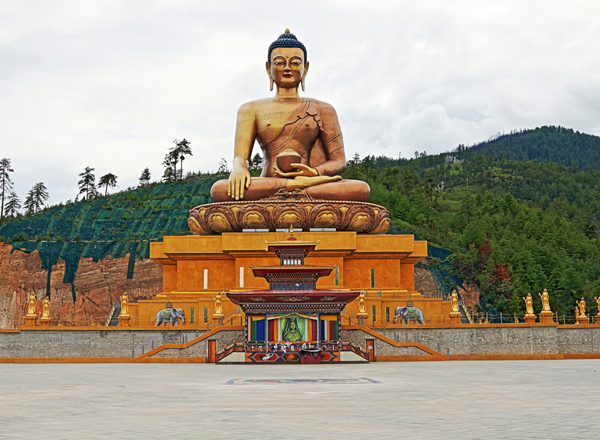
Thimphu is Bhutan’s capital.
It feels unlike most capitals.
You won’t find a huge skyline or hectic urban pace.
Instead, you’ll find:
- Monasteries
- Government buildings
- Craft markets
- Museums
- Cafés
- Mountain surroundings
It is useful for understanding how traditional Bhutanese identity meets modern life.
Punakha
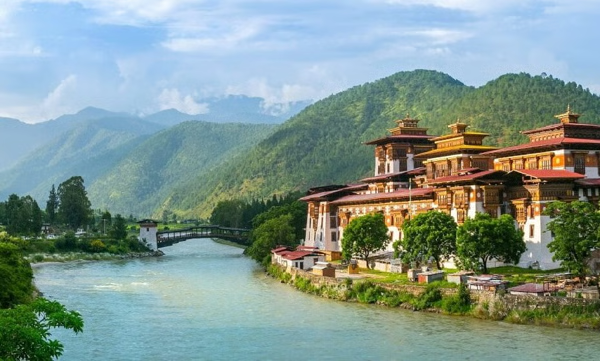
Punakha sits at a lower altitude and has a warmer climate than Paro and Thimphu.
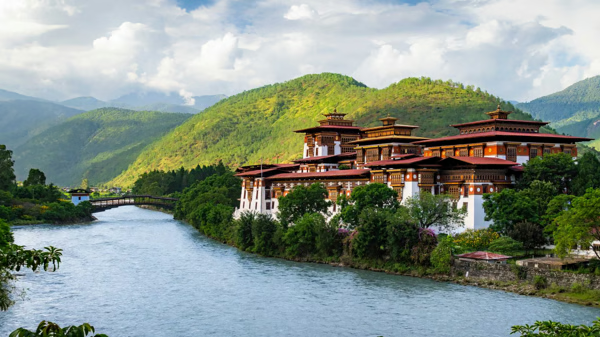
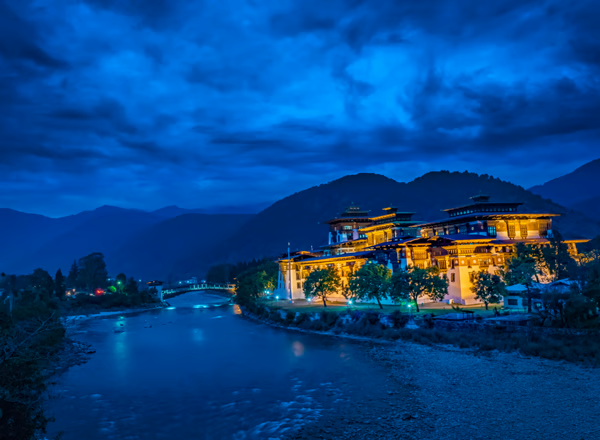
It is famous for the beautiful Punakha Dzong, located where two rivers meet.
The valley also offers:
- Rice fields
- Suspension bridges
- Rural walks
- Quieter landscapes
Punakha often becomes a favourite stop because the pace feels especially relaxed.
Dochula Pass
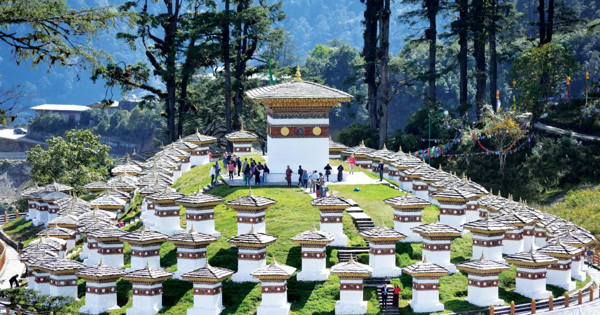
Dochula Pass lies between Thimphu and Punakha.
On a clear day, Himalayan views can be spectacular.
The pass is also known for its collection of chortens.
Weather changes quickly here.
If the mountains are visible, take your time.
Phobjikha Valley
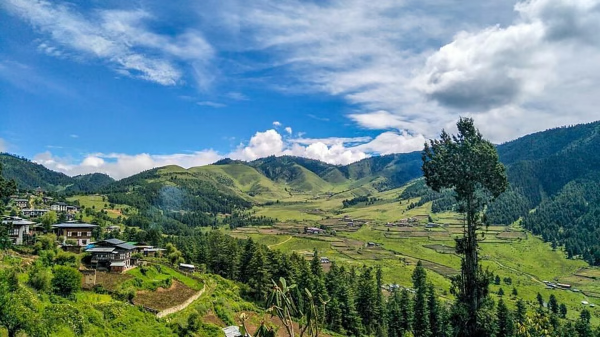
Phobjikha is one of Bhutan’s most beautiful valleys.
It is particularly known for black-necked cranes during their seasonal presence.
The area feels more rural and remote than the classic Paro-Thimphu-Punakha route.
It suits travellers who want:
- Nature
- Quiet
- Village stays
- Photography
Bhutan’s Festivals
Bhutanese religious festivals, often called tsechus, are among the country’s most colourful cultural experiences.
Expect:
- Masked dances
- Traditional clothing
- Religious ceremonies
- Local gatherings
Festival dates follow traditional calendars and can vary.
If attending one is important, always confirm the exact dates before booking your trip.
Bhutan for Couples
Bhutan is a strong choice for couples who want calm, scenery and culture rather than nightlife.
Think:
- Boutique mountain hotels
- Monastery visits
- Valley walks
- Scenic drives
- Slow dinners
It can make a very different kind of honeymoon.
Bhutan for Families
Bhutan can also work well for families.
Older children may enjoy:
- Short hikes
- Fortresses
- Mountain scenery
- Wildlife and nature
Younger children may struggle with long road journeys, so keep the route realistic.
Road Travel in Bhutan
Road distances can look short on a map.
Drive times are another matter.
Mountain roads are winding.
Scenic stops add time.
That means itinerary pacing matters.
Avoid trying to cover too many valleys in one trip.
How Many Days Do You Need in Bhutan?
4 to 5 Days
Paro + Thimphu
6 to 7 Days
Paro + Thimphu + Punakha
8 to 10 Days
A more relaxed trip with Phobjikha or additional valleys
10+ Days
Better for trekking or a deeper cultural journey
For most first-time visitors, 6 to 8 days works very well.
A Good First-Time Bhutan Route
A simple first itinerary could be:
Paro → Thimphu → Punakha → Paro
With more time:
Paro → Thimphu → Punakha → Phobjikha → Paro
This gives you a good balance of culture, scenery and slower travel.
What Should You Eat in Bhutan?
Bhutanese food can be surprisingly spicy.
Ema Datshi
One of the country’s most famous dishes.
It combines chillies and cheese.
And yes, the chilli is often treated as a vegetable, not just seasoning.
Kewa Datshi
Potatoes cooked with cheese.
A milder option for many travellers.
Red Rice
A common Bhutanese staple with a distinctive texture.
Momos
Dumplings found throughout the Himalayan region.
Vegetarian Travel in Bhutan
Vegetarian travellers generally manage well.
Common options include:
- Cheese-based dishes
- Potatoes
- Rice
- Vegetables
- Momos
But if you are sensitive to spice, mention it clearly.
“Not too spicy” can still mean something very different locally.
What to Wear in Bhutan
Pack layers.
Even pleasant days can turn chilly quickly.
Useful items include:
- Light jacket
- Warm layer
- Comfortable walking shoes
- Rain protection
- Modest clothing for religious sites
When entering monasteries or dzongs, respectful dress is important.
Photography in Bhutan
Bhutan is extremely photogenic.
But not every religious space allows photography.
Always check before taking pictures inside temples or sacred areas.
Outside, landscapes and architecture provide endless opportunities.
Travel Tips Before You Go
- Start Tiger’s Nest early.
- Build road-time buffers into your itinerary.
- Pack layers.
- Check festival dates carefully.
- Respect photography restrictions.
- Don’t rush too many valleys.
- Carry comfortable walking shoes.
- Keep some cash for smaller local purchases.
- Give yourself time to adjust to altitude.
- Choose spring or autumn for the easiest first visit.
Quick Summary
| Travel Goal | Best Time |
|---|---|
| Overall Best Time | March-May, September-November |
| Tiger’s Nest | March-May, September-November |
| Trekking | March-May, September-November |
| Himalayan Views | October-November |
| Festivals | Spring & Autumn |
| Photography | April, October-November |
| Fewer Crowds | Winter & Monsoon |
| Green Landscapes | June-August |
Frequently Asked Questions
What is the best month to visit Bhutan?
April and October are among the strongest months for first-time visitors.
How many days are enough for Bhutan?
Around 6 to 8 days works well for Paro, Thimphu and Punakha without rushing.
Is Bhutan good for honeymooners?
Yes. It is ideal for couples who prefer mountains, quiet hotels, culture and slow travel over nightlife.
Is the Tiger’s Nest hike difficult?
It requires several hours of uphill walking and can feel challenging because of altitude. A steady pace, water and an early start help significantly.
Is Bhutan expensive?
The cost depends heavily on nationality, trip style and current tourism rules. Always check the latest official entry and tourism requirements before booking, as policies can change.
Bhutan or Nepal?
Choose Bhutan for a more curated, quieter cultural journey with monasteries and valley road trips.
Choose Nepal for a broader trekking culture, larger cities and more independent travel options.
Both offer very different Himalayan experiences.
Continue Exploring on Mindflix Atlas
- Best Time to Visit Sri Lanka
- Best Time to Visit Thailand
- Best Time to Visit Japan
- Best Time to Visit Every Country
- Best Time to Visit Nepal (Coming Soon)
- Bhutan Travel Guide (Coming Soon)
- Tiger’s Nest Hiking Guide (Coming Soon)
- The Perfect 7-Day Bhutan Itinerary (Coming Soon)
- Bhutan vs Nepal (Coming Soon)
- Best Short International Trips from India (Coming Soon)
Bhutan does not impress by being loud.
It works slowly.
A monastery above a valley.
A quiet mountain road.
Prayer flags moving in the wind.
A village you pass without planning to stop.
The country’s appeal is not about how many places you can tick off.
It is about how much attention you give to each one.
Mindflix Atlas helps you understand the destination before you book it, so you can travel smarter and experience more.