
Best Time to Visit Chile | Atacama, Patagonia & Month-by-Month Guide
Jay Vora
Founder & CEO
Best Time to Visit Chile
Chile is one of the strangest countries on the map.
It stretches for thousands of kilometres from the driest desert on Earth to glaciers, fjords and windswept Patagonia.
That means asking for the best time to visit Chile is almost like asking for the best time to visit several different countries at once.
Santiago may be warm and dry.
Patagonia can be cold and windy.
Atacama may have cloudless desert skies.
And Easter Island follows its own subtropical rhythm.
For most first-time travellers combining Santiago, Atacama and Patagonia, October to November and March to April offer an excellent balance.
But if Patagonia is the main reason for the trip, summer becomes more important.
If desert stargazing is the priority, Atacama follows a different logic again.
Chile rewards travellers who plan by region rather than by national weather.
Understanding Chile’s Seasons
Chile lies in the Southern Hemisphere.
Broadly:
- Summer: December to February
- Autumn: March to May
- Winter: June to August
- Spring: September to November
But geography matters more than the calendar.
Chile includes:
- Atacama Desert
- Mediterranean central valleys
- Andes
- Lake District
- Patagonia
- Pacific islands
Every region behaves differently.
Spring in Chile: September to November
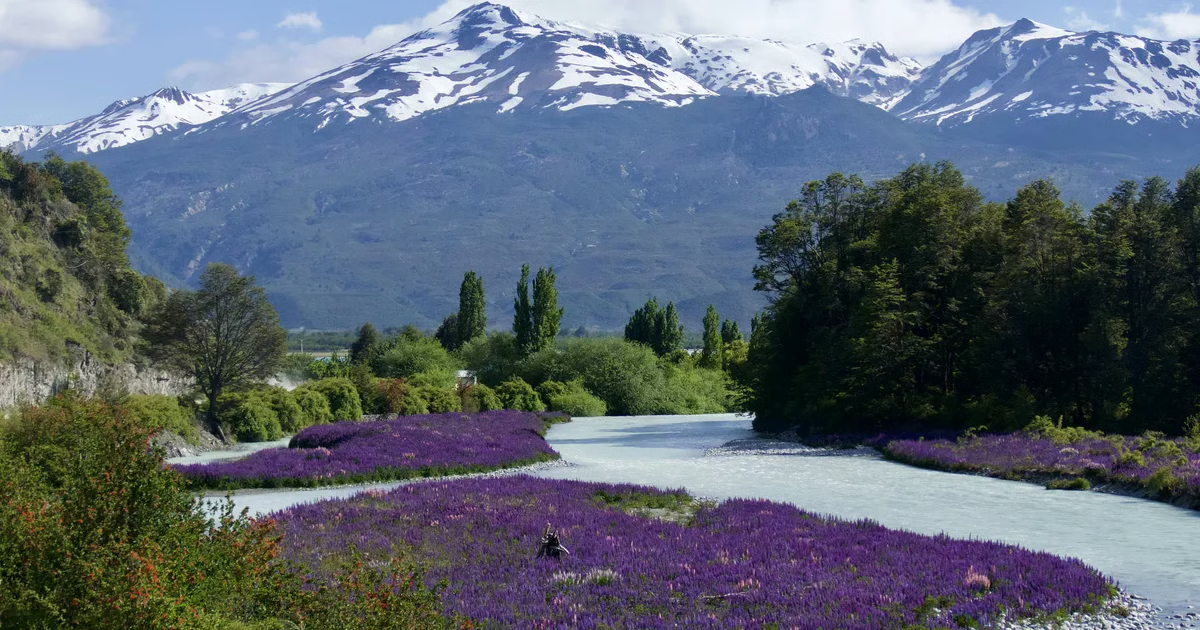
Spring is one of the best overall seasons.
Santiago becomes pleasant.
Wine regions turn greener.
Patagonia begins opening fully after winter.
Atacama remains highly visitable.
Spring is especially good for:
- Multi-region trips
- Santiago
- Wine valleys
- Patagonia
- Road trips
- Couples
- Photography
November is particularly strong.
Summer in Chile: December to February
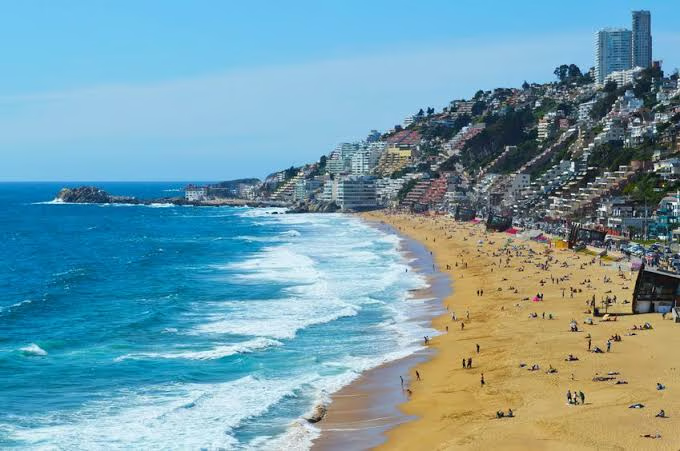
Summer is peak season in Patagonia.
Days are long.
Roads and trekking routes are at their most accessible.
Santiago becomes warmer and drier.
Atacama remains popular.
This season is best for:
- Torres del Paine
- Patagonia
- Hiking
- Road trips
- Lake District
- Outdoor travel
The trade-off is larger crowds and higher prices.
Autumn in Chile: March to May
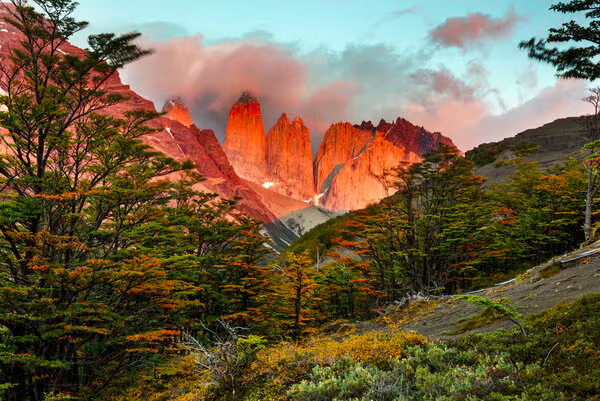
Autumn is one of Chile’s most rewarding shoulder seasons.
March still offers excellent Patagonia conditions.
Wine regions become particularly attractive.
Temperatures begin cooling.
Autumn works well for:
- Santiago
- Mendoza-style wine travel on the Chilean side
- Patagonia photography
- Food
- Road trips
- Couples
Winter in Chile: June to August
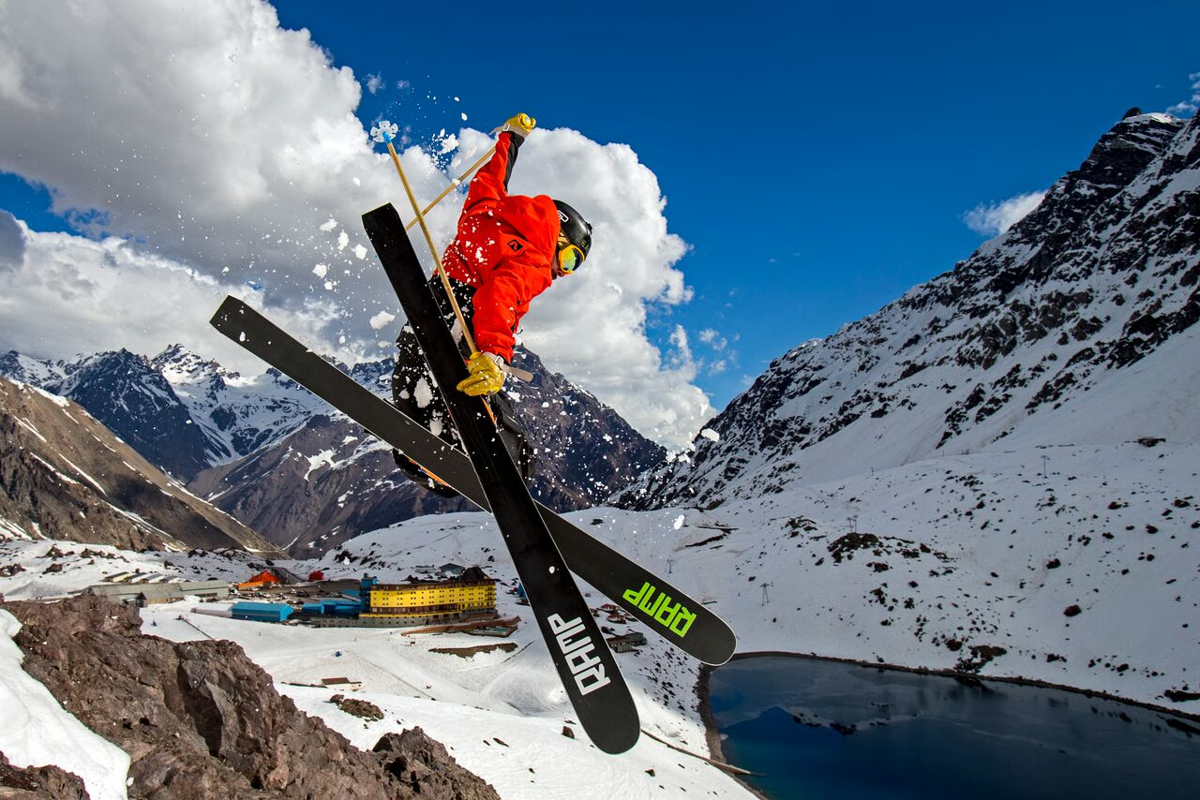
Winter changes the focus.
Patagonia becomes much more difficult for standard sightseeing.
Ski resorts near Santiago become active.
The Atacama Desert remains accessible, though desert nights can be cold.
Winter is best for:
- Skiing
- Santiago city breaks
- Atacama
- Lower crowds in selected regions
Chile Month by Month
January
Peak summer.
Patagonia is in full season.
Santiago is warm and relatively dry.
Best for: Torres del Paine, road trips and outdoor travel.
February
Summer conditions continue.
Excellent for Patagonia and Lake District travel.
March
One of the best all-round months.
Patagonia remains accessible while peak crowds begin easing.
Wine regions become especially attractive.
April
Autumn deepens.
Excellent for photography and quieter travel.
May
Cooler and more transitional.
Patagonia becomes less predictable.
June
Winter begins.
Ski season builds in mountain resorts.
July
Peak winter.
Good for skiing, Santiago and Atacama.
Less ideal for classic Patagonia itineraries.
August
Winter continues.
Good for desert travel and ski trips.
September
Spring begins.
Weather improves quickly across central Chile.
Patagonia travel starts becoming easier again.
October
One of the strongest shoulder-season months.
Excellent for broad itineraries.
November
A fantastic first-trip month.
Longer days, pleasant weather and good access across many regions.
December
Summer returns.
Patagonia moves into peak season.
Book major lodges and trekking stays well in advance.
Best Time Based on Your Travel Style
First-Time Visit
October-November, March-April
Santiago
March-May, September-November
Atacama Desert
Year-round, especially March-November
Torres del Paine
November-March
Patagonia
November-March
Wine Regions
March-April, September-November
Skiing
June-August
Easter Island
Year-round, with seasonal trade-offs
Santiago
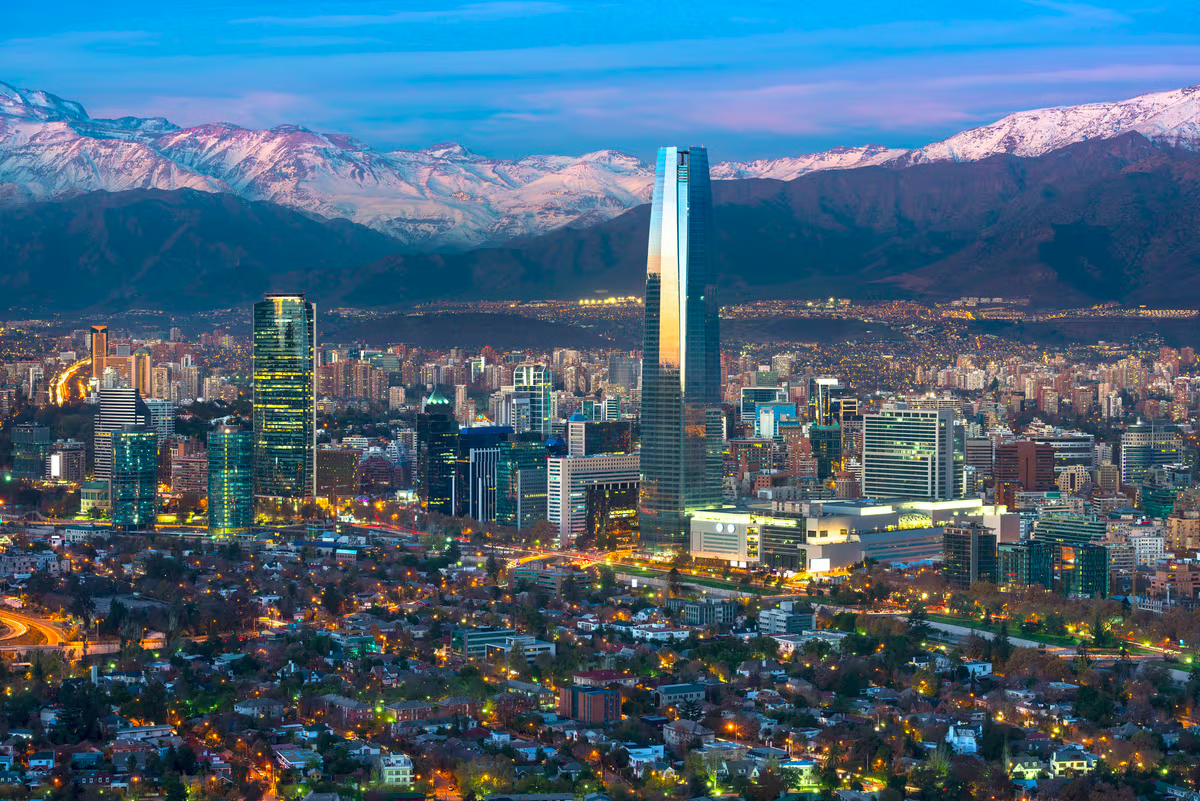
Santiago is often treated as a gateway.
It deserves more than that.
The city sits dramatically beneath the Andes and combines:
- Modern neighbourhoods
- Historic districts
- Restaurants
- Parks
- Museums
- Mountain views
Highlights include:
- Plaza de Armas
- Lastarria
- Bellavista
- Cerro San Cristóbal
- Sky Costanera
Two or three nights is usually enough for a first visit.
Santiago and the Andes
One of Santiago’s most distinctive features is the mountain backdrop.
On clear days, the Andes dominate the skyline.
Visibility can vary significantly depending on weather and air conditions.
If the mountains are clear, take advantage of it.
Atlas Insider Tip
In Santiago, keep one major viewpoint flexible.
If the Andes are beautifully visible in the morning, go then.
Do not assume the same visibility will still be there at sunset.
Chile is full of places where weather and light should outrank your original schedule.
Atacama Desert
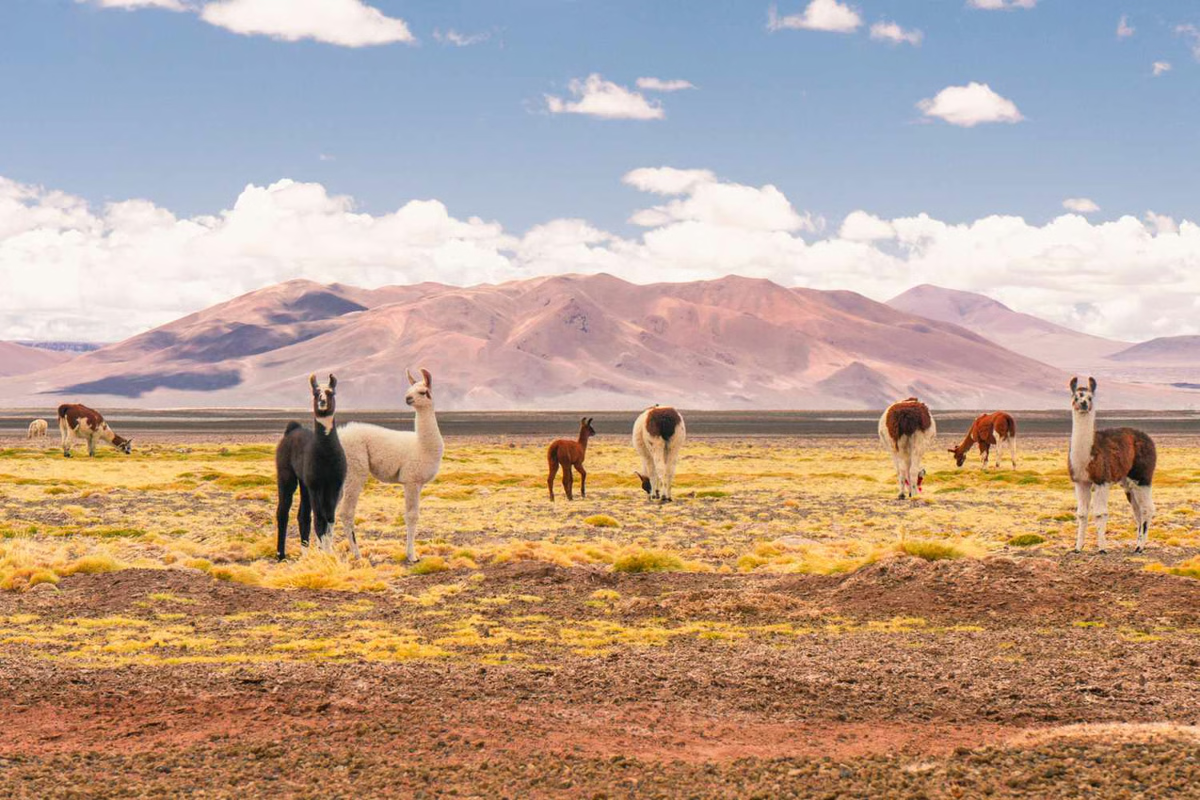
The Atacama is one of Chile’s most extraordinary regions.
It feels almost extraterrestrial.
Expect:
- Salt flats
- Volcanoes
- High-altitude lagoons
- Geysers
- Desert valleys
- Some of the clearest night skies on Earth
San Pedro de Atacama is the main base.
San Pedro de Atacama
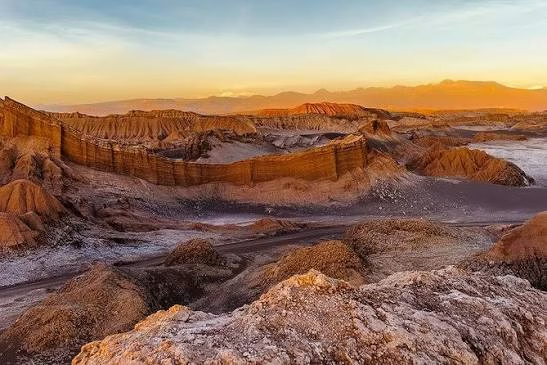
San Pedro is a small desert town surrounded by huge landscapes.
Most travellers stay several nights and take excursions each day.
Popular experiences include:
- Valle de la Luna
- Altiplano lagoons
- El Tatio geysers
- Salt flats
- Stargazing
Three to five nights works well.
High Altitude in Atacama
Many Atacama excursions travel to high elevations.
That means altitude can become a real factor.
Possible effects include:
- Headache
- Fatigue
- Shortness of breath
- Nausea
Take the first day slowly.
Avoid placing your highest-altitude excursion immediately after arrival.
Atlas Insider Tip: Build Altitude Gradually
Do not schedule your most elevated Atacama day first.
Start with lower-altitude desert attractions.
Then move higher.
Your itinerary should respect your body, not just the tour calendar.
Stargazing in Atacama
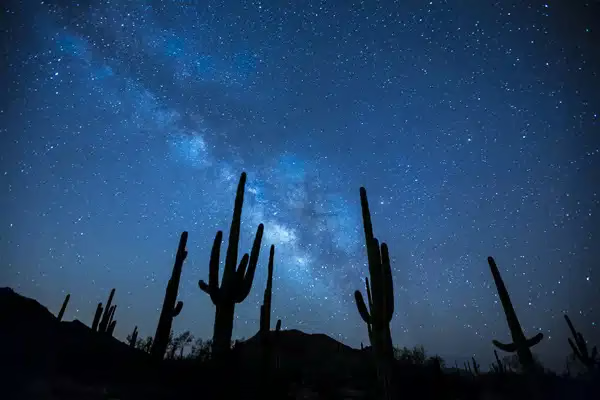
Atacama is one of the world’s great astronomy destinations.
Low humidity and dark skies create excellent conditions.
But stargazing still depends on:
- Clouds
- Moon phase
- Local weather
If astronomy matters, check the lunar calendar when planning your trip.
A bright full moon can significantly reduce the visibility of faint stars.
Valle de la Luna
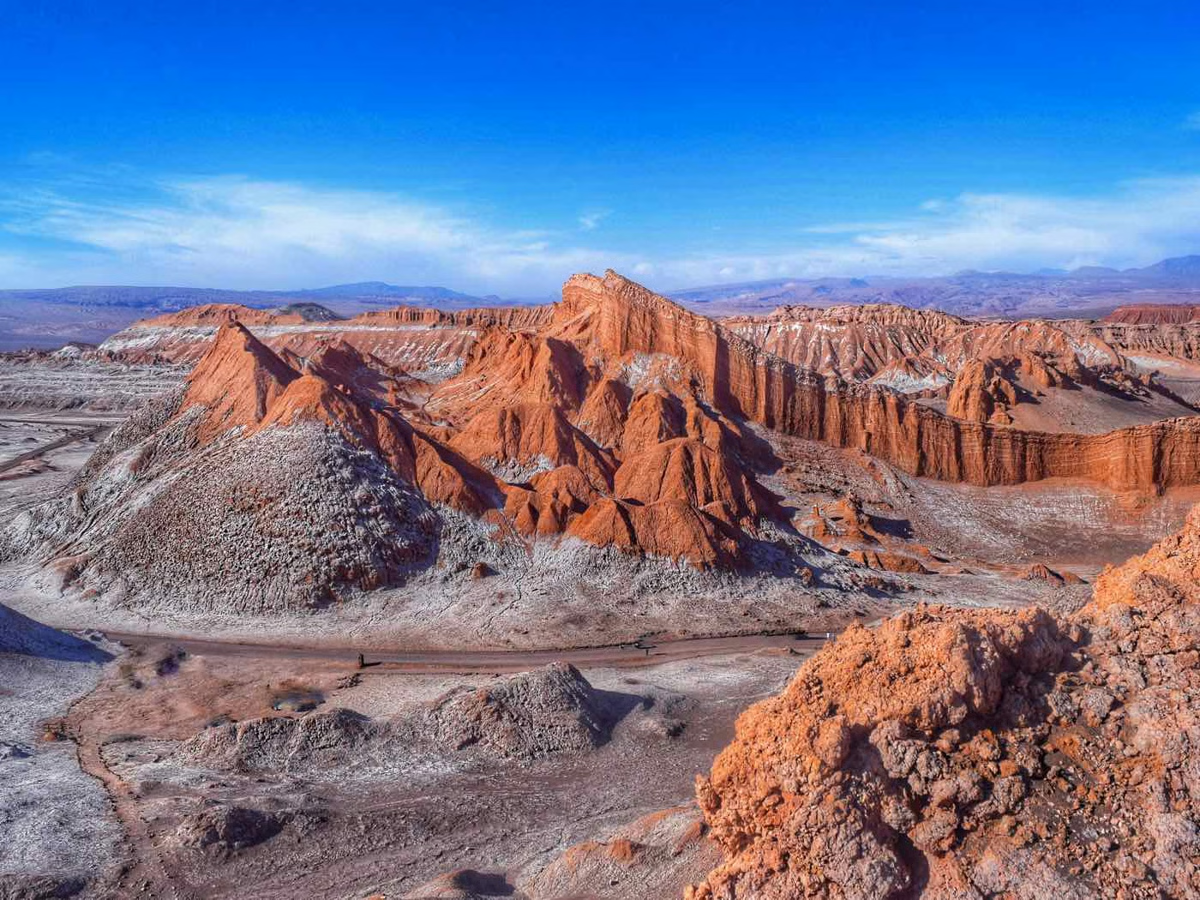
Valle de la Luna is famous for:
- Desert formations
- Salt landscapes
- Huge open views
- Sunset colours
Late afternoon is especially popular.
El Tatio Geysers
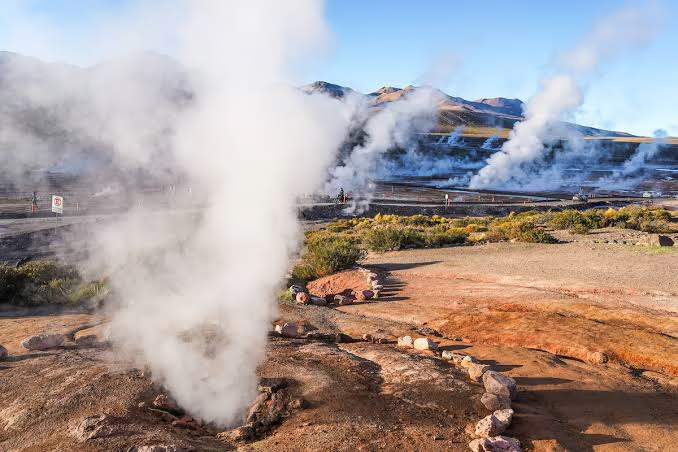
El Tatio is one of the world’s highest geothermal fields.
Tours often leave very early because geothermal activity is especially visible in the cold morning air.
Expect:
- High altitude
- Very cold temperatures
- Early departure
Pack much warmer than San Pedro’s daytime temperatures suggest.
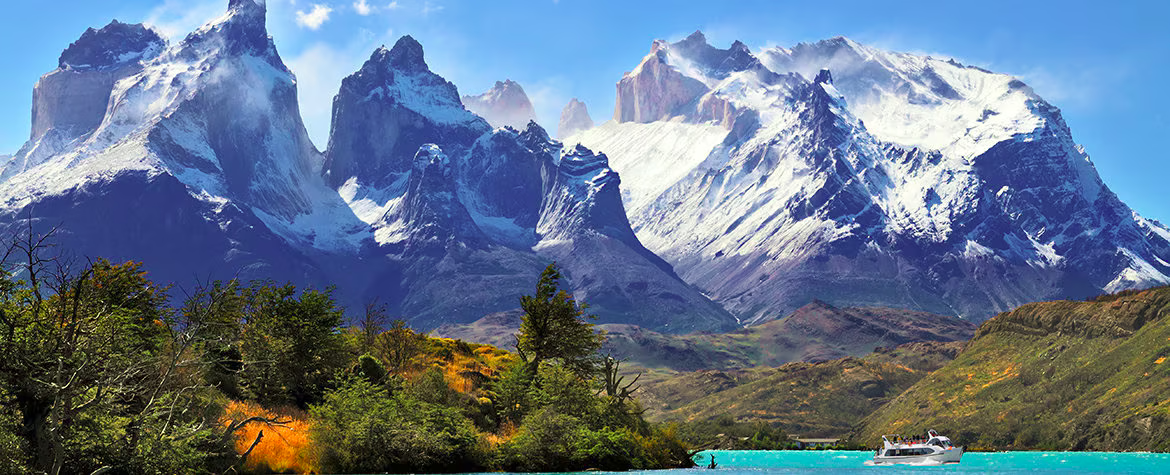
Torres del Paine National Park
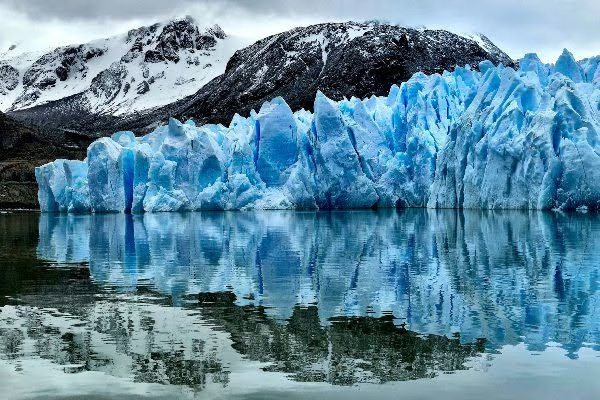
Torres del Paine is one of South America’s great wilderness destinations.
The landscape combines:
- Granite peaks
- Glacial lakes
- Steppe
- Glaciers
- Wildlife
This is the Patagonia many travellers dream about.
Best Time for Torres del Paine
November to March is the main travel season.
You get:
- Longer daylight
- Better trail access
- More open facilities
- More manageable temperatures
But Patagonia weather is famously unpredictable even in summer.
Wind can be intense.
Atlas Insider Tip: Patagonia Weather Always Wins
Do not schedule one must-do hike on your only available day.
If a particular trail or viewpoint matters, build buffer time.
In Patagonia, flexibility can be the difference between seeing the landscape and staring into clouds.
The W Trek
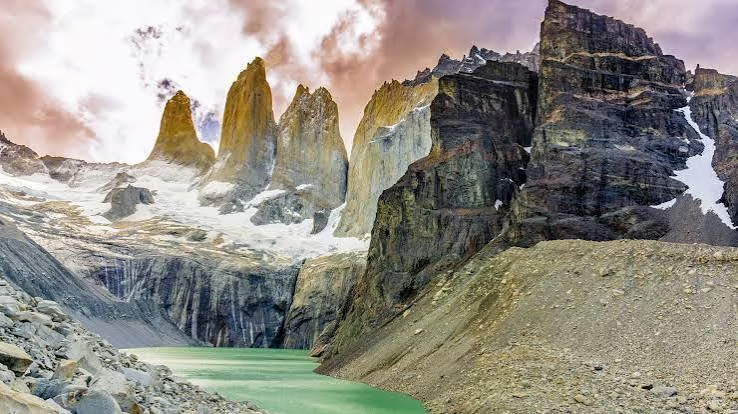 The W Trek is one of Torres del Paine’s most famous hiking routes.
It typically takes several days and requires advance planning.
Travellers should think carefully about:
- Fitness
- Weather
- Accommodation
- Pack weight
- Trail access
This is not a casual city-day excursion.
Puerto Natales
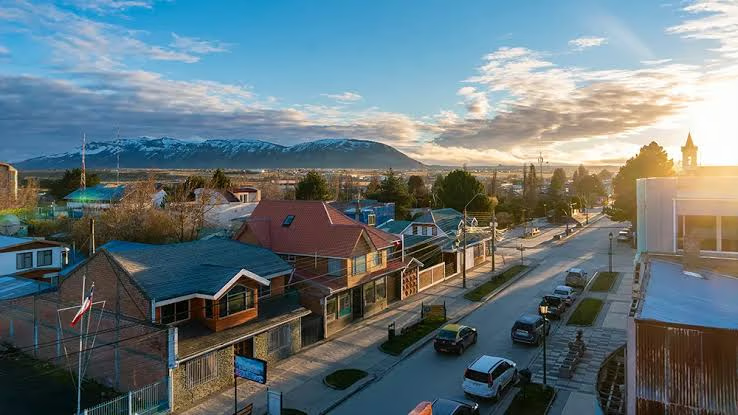 Puerto Natales is the main gateway for many Torres del Paine travellers.
The town offers:
- Hotels
- Restaurants
- Gear shops
- Tour departures
Most travellers spend at least one night here before or after entering the park.
Chilean Patagonia Beyond Torres del Paine
Patagonia is much bigger than one national park.
Other areas include:
- Carretera Austral
- Aysén
- Marble Caves
- Fjords
- Remote valleys
These require more time and more logistical planning, but reward slower travellers.
Carretera Austral
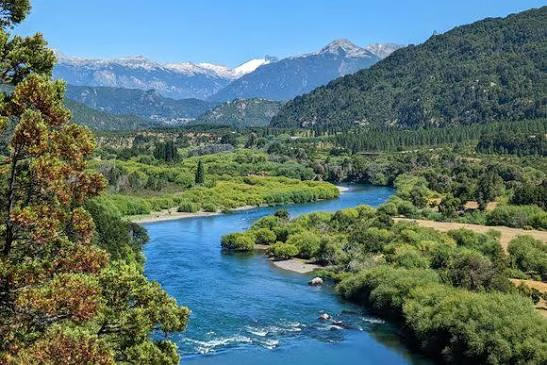 The Carretera Austral is one of South America’s great road trips.
It winds through:
- Forests
- Rivers
- Mountains
- Glacial landscapes
- Remote settlements
This is a journey for travellers who enjoy the road itself.
Chilean Lake District
The Lake District offers another side of Chile.
Expect:
- Volcanoes
- Lakes
- Forests
- German-influenced towns
- Outdoor activities
Popular bases include:
- Puerto Varas
- Pucón
The region works especially well from spring through early autumn.
Puerto Varas
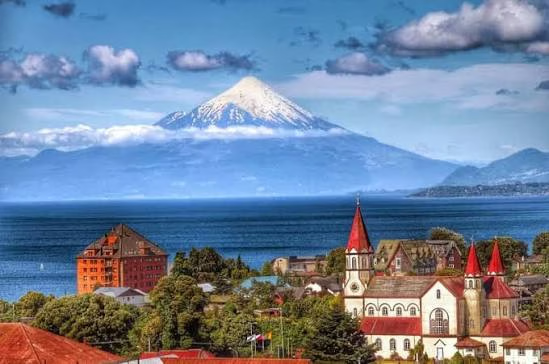 Puerto Varas sits beside Llanquihue Lake with volcano views in the distance.
It is an excellent base for:
- Lakes
- Scenic drives
- Volcano excursions
- Outdoor travel
It feels calmer and greener than Santiago or Atacama.
Pucón
Pucón is one of Chile’s best-known adventure towns.
Travellers come for:
- Hiking
- Hot springs
- Lakes
- Volcano scenery
- Rafting
It is particularly lively in summer.
Chile’s Wine Regions
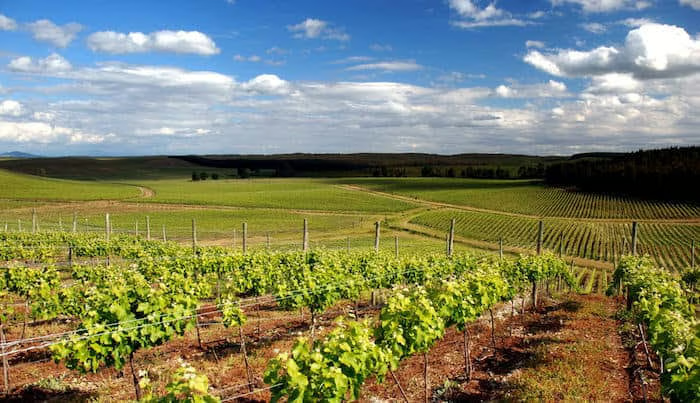 Central Chile contains several internationally respected wine valleys.
Popular regions include:
- Maipo
- Casablanca
- Colchagua
Wine travel is easy to combine with Santiago.
Best Time for Wine Travel
March and April are especially interesting because of harvest season.
Spring is also beautiful as the vineyards turn green again.
A wine-region day trip can work.
An overnight stay is better if you want a slower experience.
Valparaíso
Valparaíso is one of Chile’s most distinctive cities.
It is known for:
- Hills
- Funiculars
- Street art
- Colourful houses
- Port history
The city feels rougher around the edges than polished resort towns.
That character is part of the appeal.
Viña del Mar
Nearby Viña del Mar is more resort-oriented.
It offers:
- Beaches
- Parks
- Restaurants
- Coastal hotels
Many travellers combine it with Valparaíso.
Easter Island
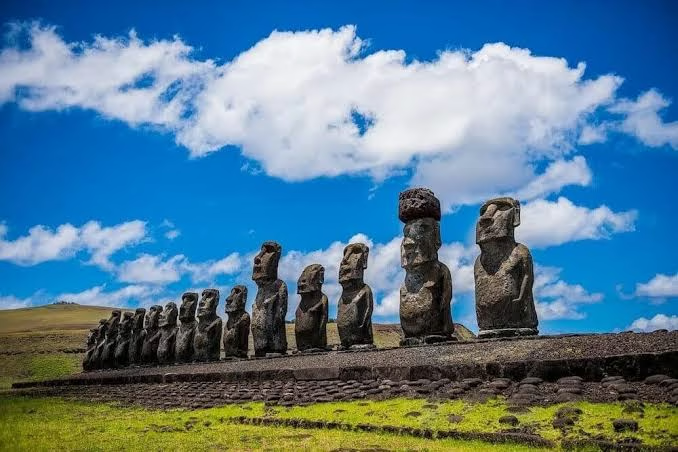
Easter Island, or Rapa Nui, is one of the world’s most remote inhabited islands.
It is famous for its monumental moai statues.
But the island is much more than one archaeological attraction.
Expect:
- Volcanic landscapes
- Polynesian culture
- Coastal scenery
- Sacred sites
Rapa Nui Culture
The moai are not simply photo opportunities.
They are part of a living Indigenous cultural landscape.
Visitors should approach archaeological sites with respect and follow local rules carefully.
Access arrangements can change, so check current official requirements before travelling.
How Long Do You Need on Easter Island?
Three to four nights is a strong minimum.
The distance involved makes very short stays poor value.
Give yourself enough time to understand the island rather than simply photograph a few statues.
Chile for Couples
Chile works beautifully for couples who enjoy dramatic scenery.
A strong itinerary might combine:
Santiago → Atacama → Patagonia
or
Santiago → Wine Country → Lake District
This gives you very different experiences without leaving the country.
Chile for Honeymooners
Chile is especially good for couples who want an active honeymoon.
Think:
- Desert lodges
- Wine estates
- Patagonia hotels
- Scenic drives
- Stargazing
It feels more adventurous than a conventional beach honeymoon.
Chile for Families
Chile can work well for families with older children.
Good options include:
- Santiago
- Atacama
- Lake District
- Easier Patagonia experiences
High altitude and long travel distances need to be considered carefully with younger children.
Getting Around Chile
Chile’s shape creates unusual logistics.
Domestic flights are extremely useful.
Major travel segments often include:
- Santiago → Calama for Atacama
- Santiago → Puerto Natales or nearby gateways for Patagonia
- Santiago → Easter Island
Trying to travel the entire country overland is unrealistic for most first-time visitors.
Atlas Insider Tip: Use Santiago as a Connector, Not a Prison
Chile’s transport network often pulls travellers back through Santiago.
That does not mean you need to spend three separate nights there every time.
Use the city strategically.
Build the trip around the regions you actually came to see.
What Should You Eat in Chile?
Chilean cuisine varies by region and coastline.
Empanadas
A classic snack with many fillings.
Pastel de Choclo
A baked corn-based dish often layered with meat and other ingredients.
Cazuela
A traditional stew.
Seafood
Chile’s long Pacific coastline means seafood plays a major role.
Completo
A heavily topped Chilean-style hot dog.
Vegetarian Travel in Chile
Vegetarian travel is straightforward in Santiago and larger tourist cities.
Traditional menus can be meat- and seafood-heavy, but modern alternatives are increasingly common.
Useful options include:
- Empanadas with cheese or vegetables
- Salads
- Legume dishes
- Pastas
- International cuisine
Chilean Wine
Chile is one of the world’s major wine-producing countries.
Common varieties include:
- Cabernet Sauvignon
- Carménère
- Sauvignon Blanc
- Chardonnay
- Pinot Noir
Wine regions near Santiago are easy to incorporate into a first trip.
How Many Days Do You Need in Chile?
5 to 6 Days
Santiago + wine country or Atacama
8 to 10 Days
Santiago + Atacama or Patagonia
12 to 14 Days
Excellent for Santiago + Atacama + Patagonia
2 to 3 Weeks
Better for adding Lake District or Easter Island
For most first-time travellers, 12 to 14 days creates a much better multi-region trip.
A Good First-Time Chile Route
A strong first journey could be:
Santiago → Atacama → Torres del Paine
With more time:
Santiago → Wine Country → Atacama → Patagonia
Another option:
Santiago → Lake District → Patagonia
Choose the route around the landscapes you care about most.
Chile vs Argentina
These neighbours are often combined but feel very different.
Choose Chile for:
- Atacama Desert
- Pacific coastline
- Torres del Paine
- Wine valleys
- Easter Island
Choose Argentina for:
- Buenos Aires
- Mendoza
- Wider Argentine Patagonia circuits
- Iguazu
- Tango
Together, they create one of South America’s strongest multi-country journeys.
Chile vs Peru
Choose Chile for:
- Desert landscapes
- Patagonia
- Wine
- Long road trips
- Modern city infrastructure
Choose Peru for:
- Machu Picchu
- Inca history
- High-Andes culture
- Food
- Sacred Valley
Both reward travellers who enjoy dramatic geography.
Travel Tips Before You Go
- Plan by region, not by country.
- Use October-November or March-April for a balanced first trip.
- Give Patagonia weather buffer days.
- Build Atacama altitude gradually.
- Check moon phase if stargazing matters.
- Pack layers even in summer.
- Use domestic flights strategically.
- Book peak Patagonia stays early.
- Consider one wine-region overnight.
- Verify current park, entry and Rapa Nui access requirements before departure.
Quick Summary
| Travel Goal | Best Time |
|---|---|
| Overall Best Time | October-November, March-April |
| Santiago | March-May, September-November |
| Atacama Desert | Year-round, especially March-November |
| Patagonia | November-March |
| Torres del Paine | November-March |
| Wine Regions | March-April, September-November |
| Skiing | June-August |
| Easter Island | Year-round |
Frequently Asked Questions
What is the best month to visit Chile?
For a broad first trip, November and March are especially strong because they work well across several major regions.
How many days are enough for Chile?
Around 12 to 14 days works well for Santiago plus two major regions such as Atacama and Patagonia.
Is Atacama worth visiting?
Absolutely. It is one of South America’s most distinctive landscapes and offers exceptional stargazing, high-altitude lagoons and desert scenery.
When is the best time for Patagonia?
November through March is the main season, with December to February offering the longest daylight.
Chile or Argentina?
Choose Chile for Atacama, Pacific landscapes and Torres del Paine.
Choose Argentina for Buenos Aires, Mendoza and broader Argentine Patagonia routes.
The ideal longer trip often includes both.
Is Easter Island worth the distance?
Yes if archaeology, Polynesian culture and remote landscapes genuinely interest you. Because of the travel time involved, stay several nights rather than treating it as a quick add-on.
Continue Exploring on Mindflix Atlas
- Best Time to Visit Argentina
- Best Time to Visit Brazil
- Best Time to Visit New Zealand
- Best Time to Visit Canada
- 50 International Destinations Every Indian Traveller Should Experience at Least Once
- Chile Travel Guide (Coming Soon)
- Atacama Desert Travel Guide (Coming Soon)
- Torres del Paine Guide (Coming Soon)
- The Perfect 14-Day Chile Itinerary (Coming Soon)
- Chile vs Argentina (Coming Soon)
- Patagonia Travel Guide (Coming Soon)
- Best South America Destinations for First-Time Travellers (Coming Soon)
Chile is a country that makes distance part of the experience.
One day you are standing beneath the Andes in Santiago.
A few days later you are watching stars above the Atacama.
Then you are walking through Patagonia with wind strong enough to change your plans.
Few countries move between such extreme landscapes so quickly.
The mistake is trying to conquer all of Chile in one trip.
Choose the regions that matter most.
Give each one enough time.
And let the rest become the reason you return.
Mindflix Atlas helps you understand the destination before you book it, so you can travel smarter and experience more.