
Best Time to Visit Costa Rica: Rainforests, Volcanoes, Beaches & Month-by-Month Guide (2026)
Jay Vora
Founder & CEO

Best Time to Visit Costa Rica
Costa Rica is one of those destinations where the weather forecast never tells the whole story.
A rainy afternoon can follow a perfectly clear morning.
The Pacific coast may be dry while the Caribbean side feels completely different.
The cloud forests can be misty even when the lowlands are sunny.
And sometimes the greener, wetter months are exactly when the country looks most alive.
For many first-time travellers, December to April is the easiest period because much of the Pacific side experiences its drier season.
But that does not automatically make it the best time for everyone.
If you want:
- Lush landscapes
- Lower prices
- Fewer crowds
- Waterfalls at their most powerful
then the greener months can be excellent.
Costa Rica is best planned around region + experience, not one national weather rule.
Understanding Costa Rica’s Seasons
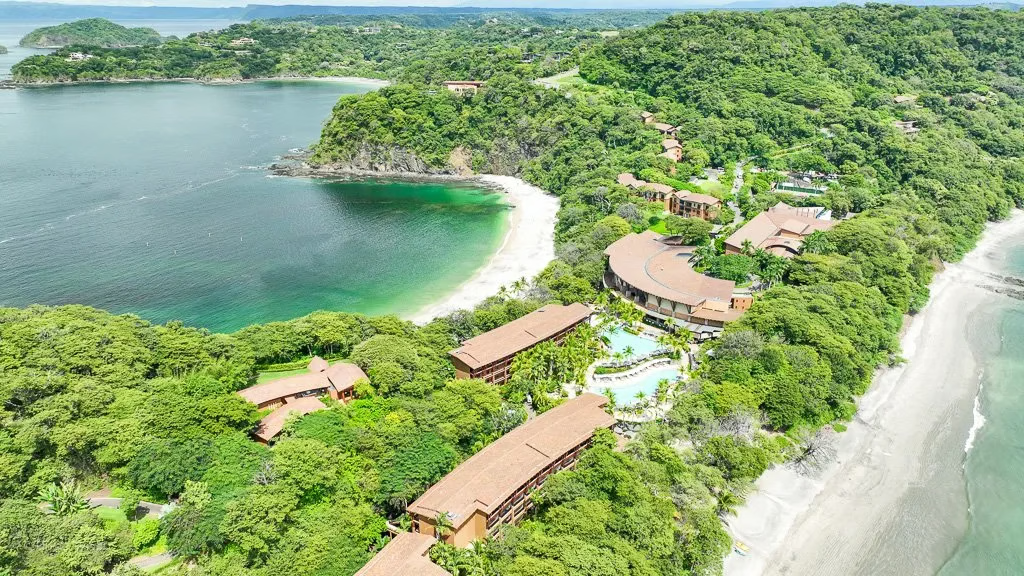
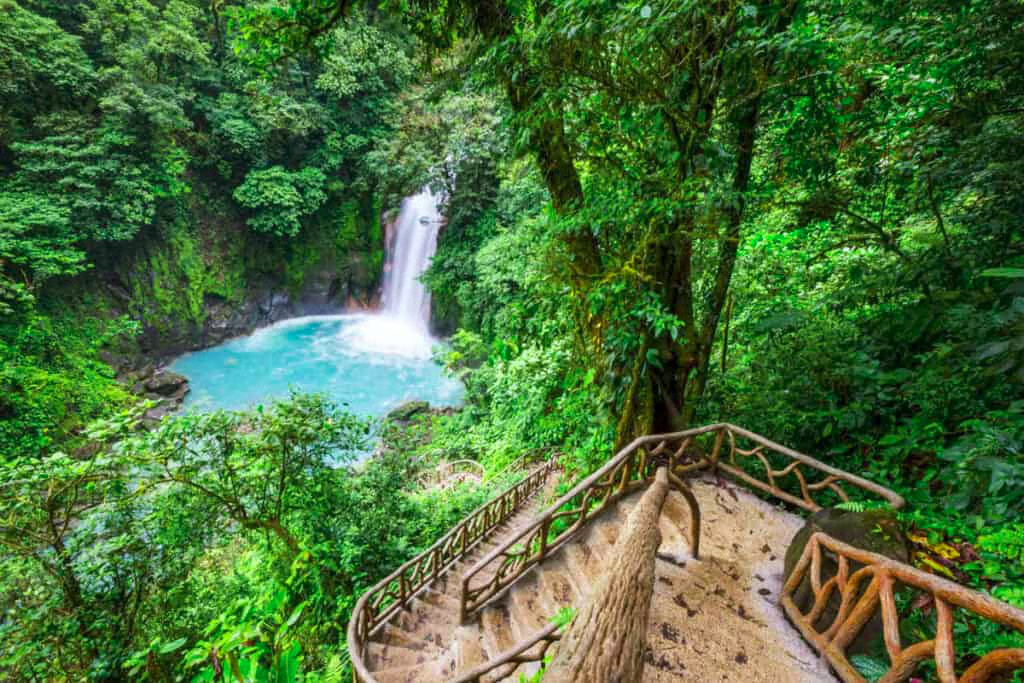
Costa Rica does not have four traditional seasons.
Instead, much of the country is shaped by:
- Dry season
- Green or rainy season
Broadly, on the Pacific side:
- Dry season: December to April
- Green season: May to November
But the Caribbean coast follows a different rainfall pattern.
That is why travellers should never use one weather chart for the entire country.
Dry Season: December to April
This is Costa Rica’s most popular travel period.
Expect:
- More sunshine
- Easier beach days
- Better road conditions in many regions
- Strong demand
- Higher prices
This is ideal for:
- First-time visitors
- Families
- Pacific beaches
- Road trips
- Honeymoons
The trade-off is crowds.
Christmas, New Year and Easter periods can be especially busy.
Green Season: May to November
The green season is often misunderstood.
It does not necessarily rain all day.
Many days may begin bright and clear, with rain building later.
The landscapes become dramatically greener.
This season works well for:
- Wildlife
- Waterfalls
- Rainforest
- Lower crowds
- Better hotel value
September and October can be particularly wet on parts of the Pacific side.
Costa Rica Month by Month
January
One of the most popular months.
Dry weather dominates many Pacific destinations.
Best for: Beaches, families and first-time trips.
February
Excellent dry-season conditions continue.
A strong month for broad itineraries.
March
Warm and generally dry on the Pacific side.
Popular beach regions can feel busy.
April
Often hot.
The dry season begins transitioning toward wetter conditions later in the month.
May
The green season begins.
Landscapes become more lush.
Crowds reduce.
June
A strong value month.
Expect greener scenery and more afternoon showers.
July
Rainy-season conditions continue, though weather can vary considerably.
A good month for wildlife and family travel.
August
Lush and tropical.
Rain is common, but many regions remain highly visitable.
September
One of the wetter months on much of the Pacific side.
Interestingly, parts of the Caribbean coast can experience better conditions around this period.
October
Often very wet on the Pacific side.
This can be an excellent time for quieter travel in selected Caribbean regions.
November
A transition month.
Rain starts easing in some areas while vegetation remains beautifully green.
December
Dry-season conditions return across many Pacific destinations.
Festive-season demand increases sharply.
Best Time Based on Your Travel Style
First-Time Visit
December-April
Pacific Beaches
December-April
Rainforest
Year-round
Wildlife
Year-round, depending on species and region
Adventure Travel
December-April, May-July
Fewer Crowds
May-June, September-November
Caribbean Coast
Seasonality differs from Pacific side
Honeymoon
January-April, May-June
San José
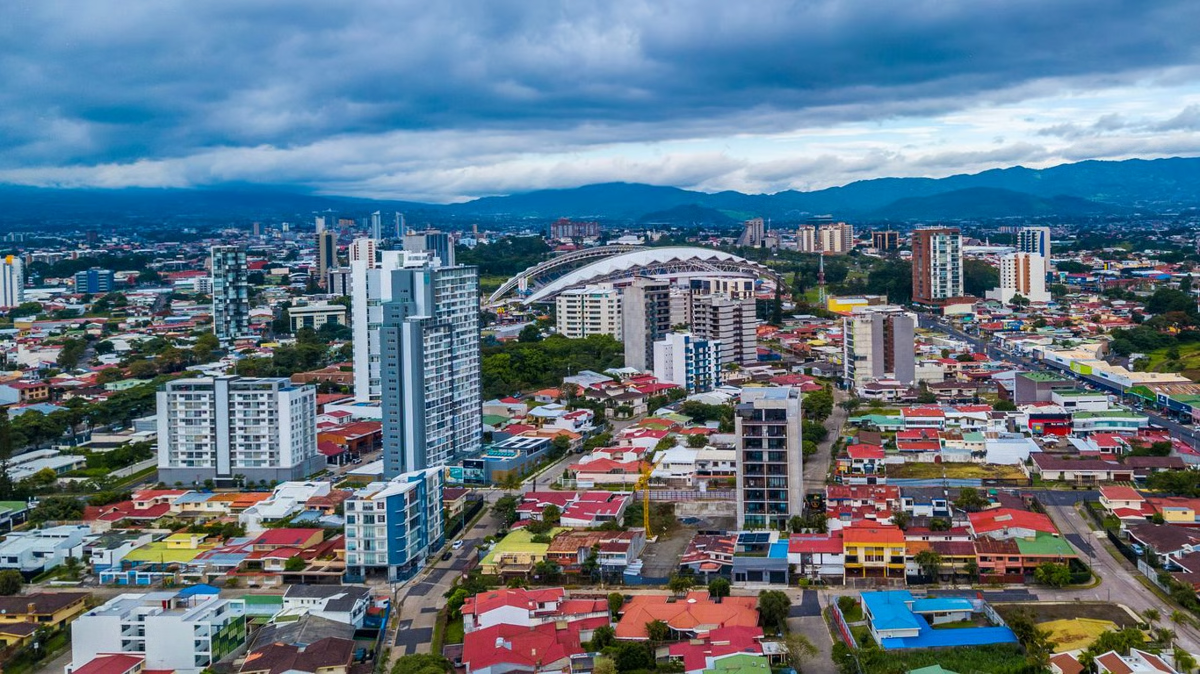
Most international travellers begin in or around San José.
The city is often used mainly as a gateway.
That is reasonable.
But if you have time, the capital offers:
- Museums
- Markets
- Restaurants
- Historic architecture
For most first trips, one night is enough unless urban culture interests you.
Arenal and La Fortuna
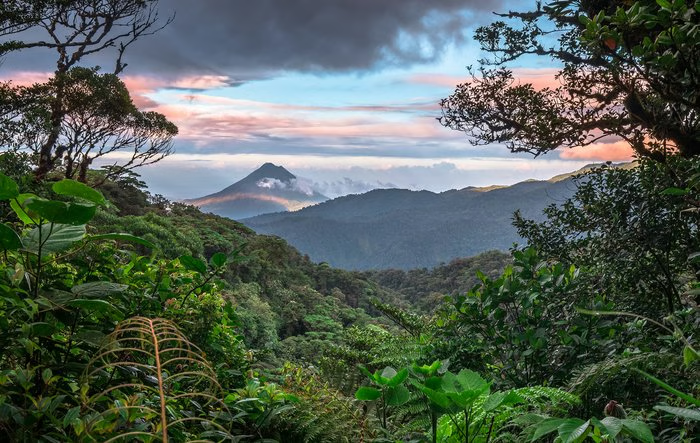
La Fortuna is one of Costa Rica’s most popular bases.
The region is dominated by Arenal Volcano.
Travellers come for:
- Hot springs
- Waterfalls
- Hiking
- Ziplining
- Hanging bridges
- Rafting
It works exceptionally well for first-time visitors.
Arenal Volcano
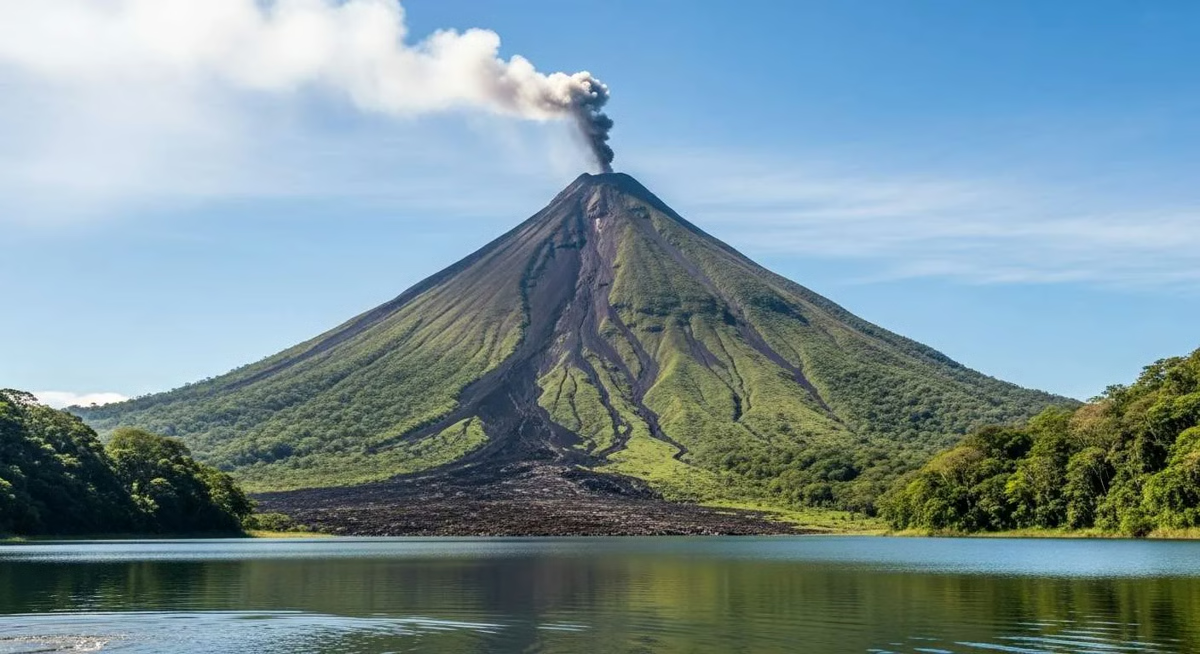
Arenal is one of Costa Rica’s most recognisable landscapes.
Clouds can hide the summit completely.
That means timing matters.
Atlas Insider Tip
Do not schedule one single “volcano viewing hour.”
If Arenal is completely clear when you wake up, take advantage of it.
Cloud can arrive quickly.
Nature does not care what your itinerary says.
La Fortuna Waterfall
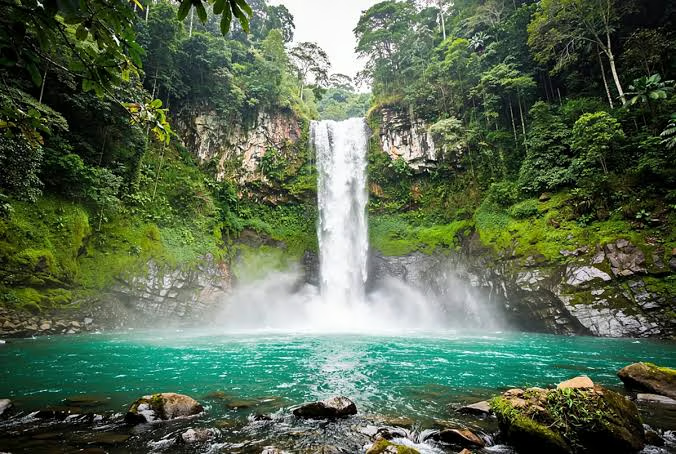
La Fortuna Waterfall is one of the region’s most popular attractions.
The surrounding rainforest makes the setting especially dramatic.
Be prepared for steps.
Going early generally gives you a calmer experience.
Hot Springs

Volcanic activity has made hot-spring experiences a major part of La Fortuna tourism.
Options range from:
- Luxury resorts
- Day-pass complexes
- Smaller thermal experiences
After hiking or rafting, they make perfect sense.
Monteverde
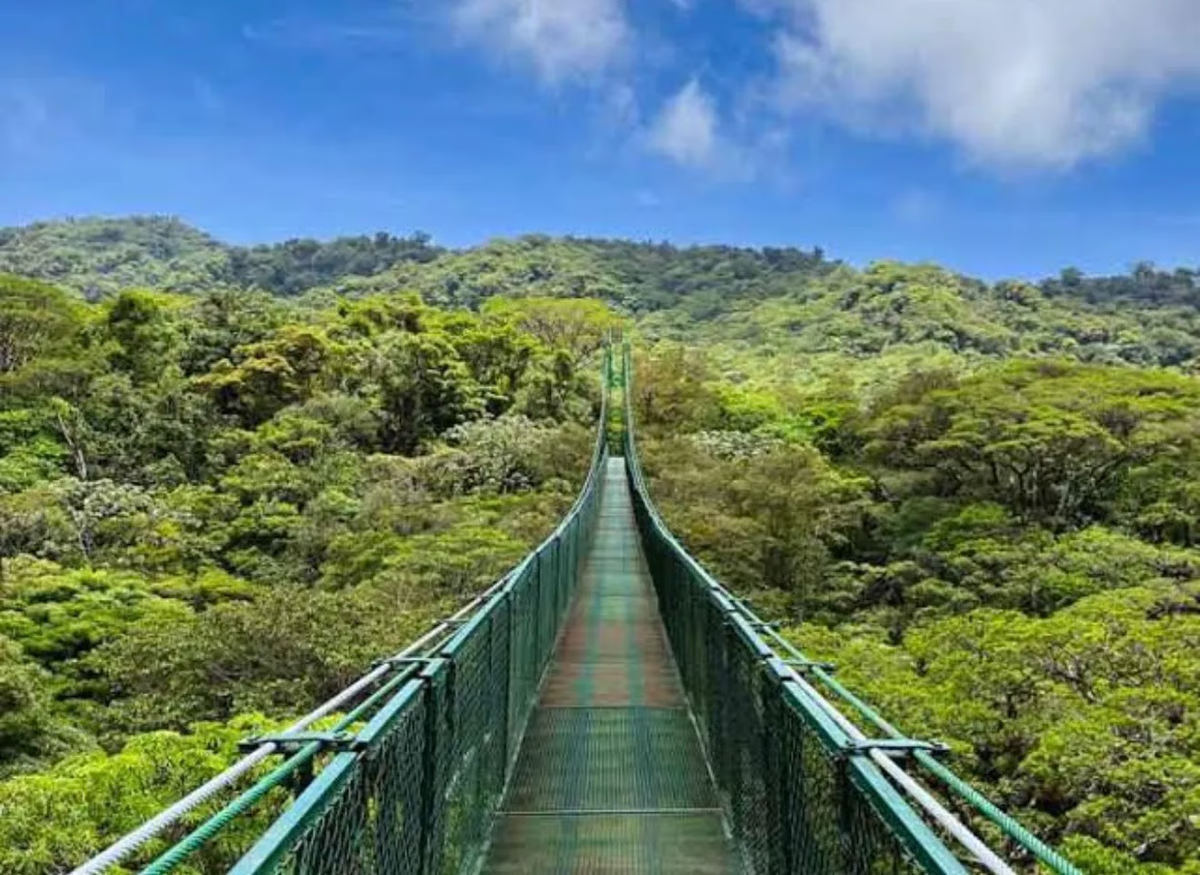
Monteverde offers a completely different environment.
It is known for cloud forest rather than tropical beach scenery.
Expect:
- Mist
- Dense vegetation
- Birdlife
- Hanging bridges
- Cooler temperatures
The atmosphere can feel almost mysterious.
Cloud Forest vs Rainforest
These terms are not interchangeable.
Cloud forests occur at higher elevations and receive much of their moisture from low cloud and mist.
They tend to feel:
- Cooler
- Wetter
- Mossier
- More enclosed
Monteverde is one of the world’s best-known examples.
Quetzals
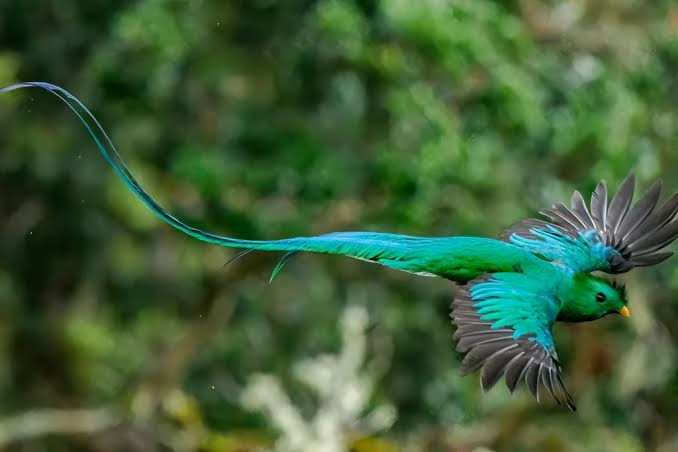
Birdwatchers visit Costa Rica hoping to see the resplendent quetzal.
These extraordinary birds can be found in several highland regions.
A knowledgeable local guide significantly improves your chances.
Wildlife viewing is almost always better when you stop trying to find everything yourself.
Atlas Insider Tip: Hire Guides Selectively
You do not need a guide for every walk.
But for serious wildlife viewing, a good naturalist guide can completely transform the experience.
They notice:
- Tiny frogs
- Sleeping sloths
- Camouflaged snakes
- Distant birds
that most visitors walk straight past.
Manuel Antonio
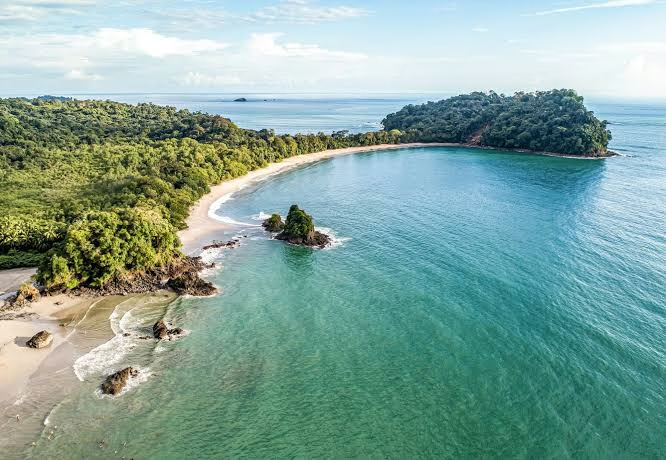
Manuel Antonio is one of Costa Rica’s most famous combinations of rainforest and beach.
It offers:
- National park trails
- Beaches
- Monkeys
- Sloths
- Coastal scenery
It is beautiful.
It is also popular.
Visit early.
Sloths

Sloths are among Costa Rica’s most famous animals.
But they are not always easy to spot.
They often remain high in trees and can be almost invisible when resting.
A guide with a spotting scope can make a huge difference.
Wildlife Etiquette
Never:
- Touch wildlife
- Feed animals
- Encourage guides to move animals
- Block an animal’s path
- Crowd nests or resting sites
Costa Rica’s wildlife should remain wild.
A close photograph is not more important than animal welfare.
Pacific Coast
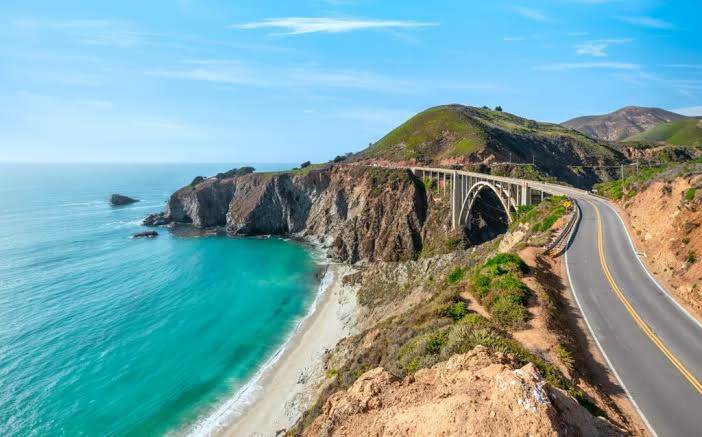
Costa Rica’s Pacific coast offers enormous variety.
Popular areas include:
- Guanacaste
- Nicoya Peninsula
- Manuel Antonio
- Uvita
- Osa Peninsula
The north is generally drier.
The south becomes increasingly tropical and wild.
Guanacaste
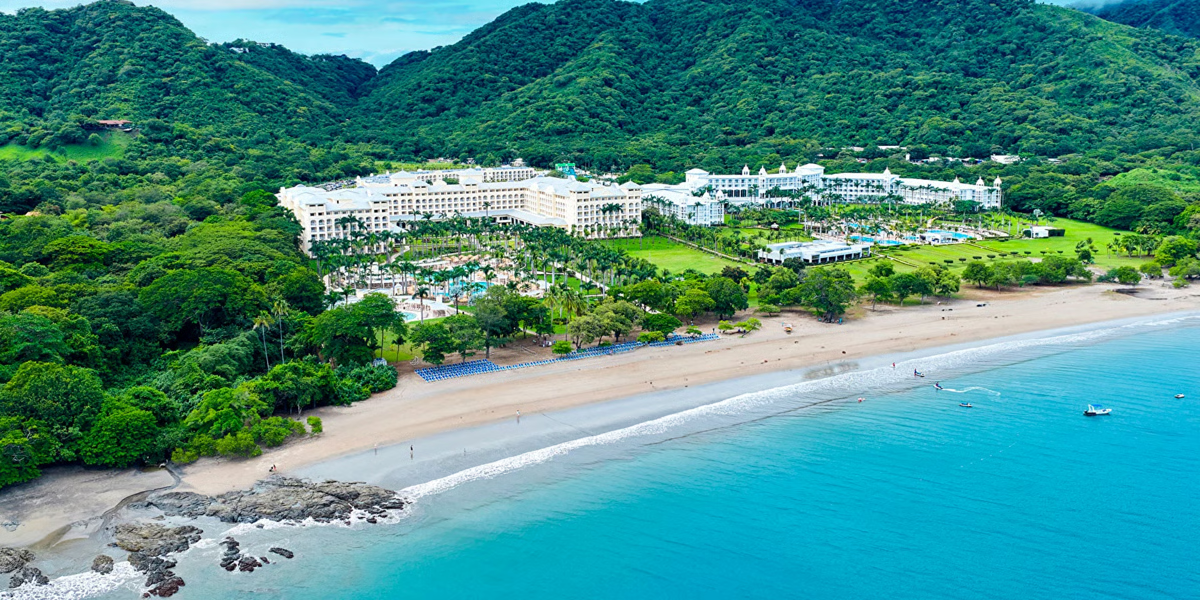
Guanacaste is one of the easiest beach regions for first-time visitors.
It offers:
- Resorts
- Surfing
- Dry tropical landscapes
- Easy airport access
It works especially well for families and couples who want comfortable beach infrastructure.
Nicoya Peninsula
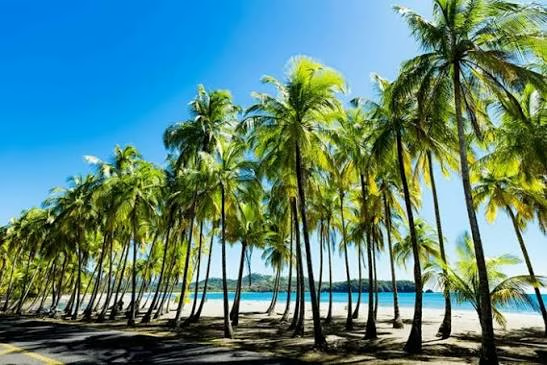
The Nicoya Peninsula has a more relaxed feel.
Popular areas include:
- Santa Teresa
- Montezuma
- Nosara
This region attracts:
- Surfers
- Wellness travellers
- Yoga retreats
- Longer-stay visitors
Road conditions can vary, so transfer planning matters.
Santa Teresa
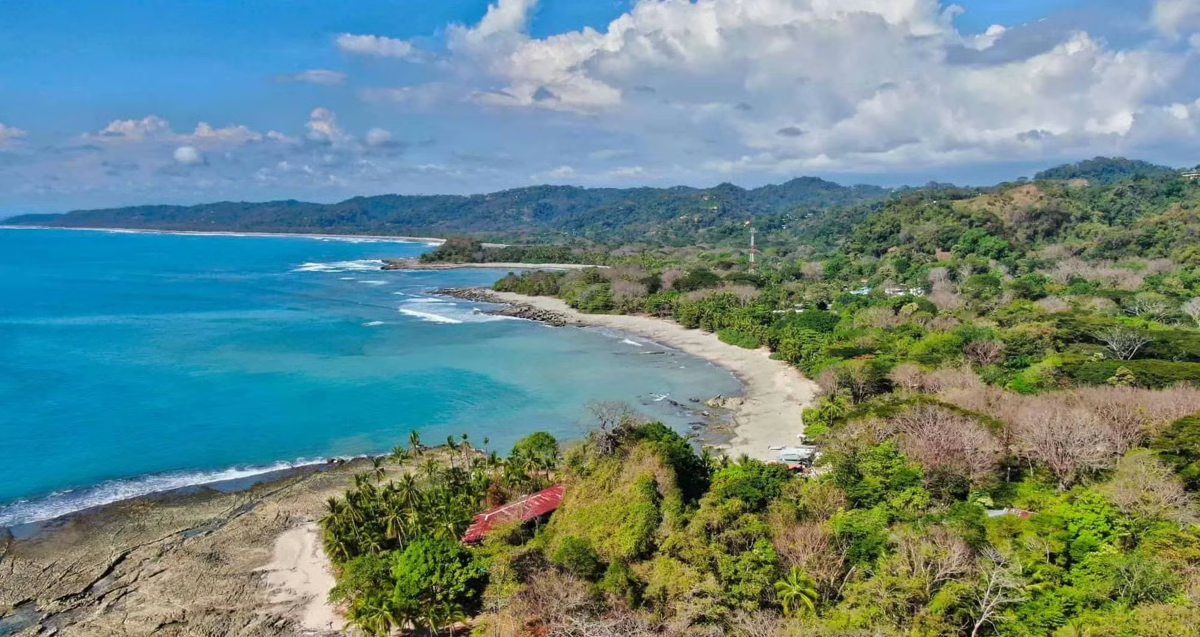
Santa Teresa has become one of Costa Rica’s best-known beach towns.
It combines:
- Surfing
- Cafés
- Boutique hotels
- Wellness
- Nightlife
It is stylish but not always easy to reach.
Do not underestimate transfer time.
Nosara
Nosara is strongly associated with:
- Surfing
- Yoga
- Wellness
- Slow travel
It works well for travellers who want fewer conventional sightseeing days.
Uvita
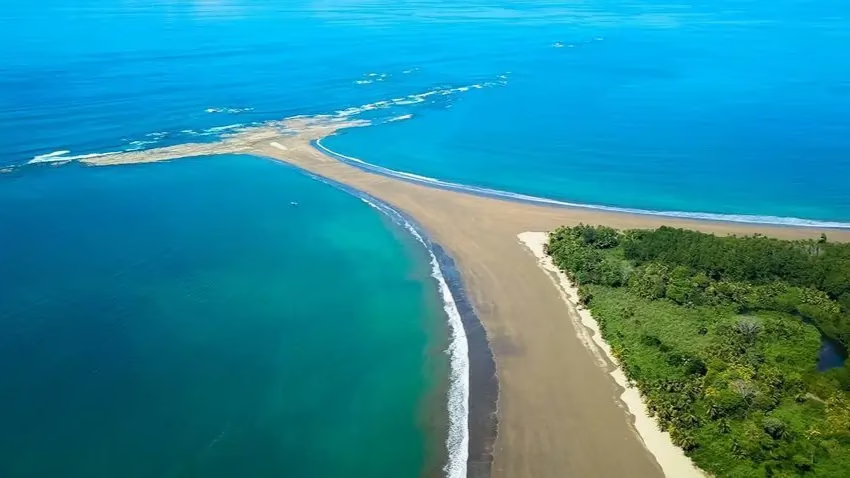
Uvita is known for the distinctive whale-tail-shaped sand formation within Marino Ballena National Park.
The region also offers:
- Waterfalls
- Whale watching
- Rainforest
- Quieter beaches
It works well as a bridge toward the Osa Peninsula.
Osa Peninsula
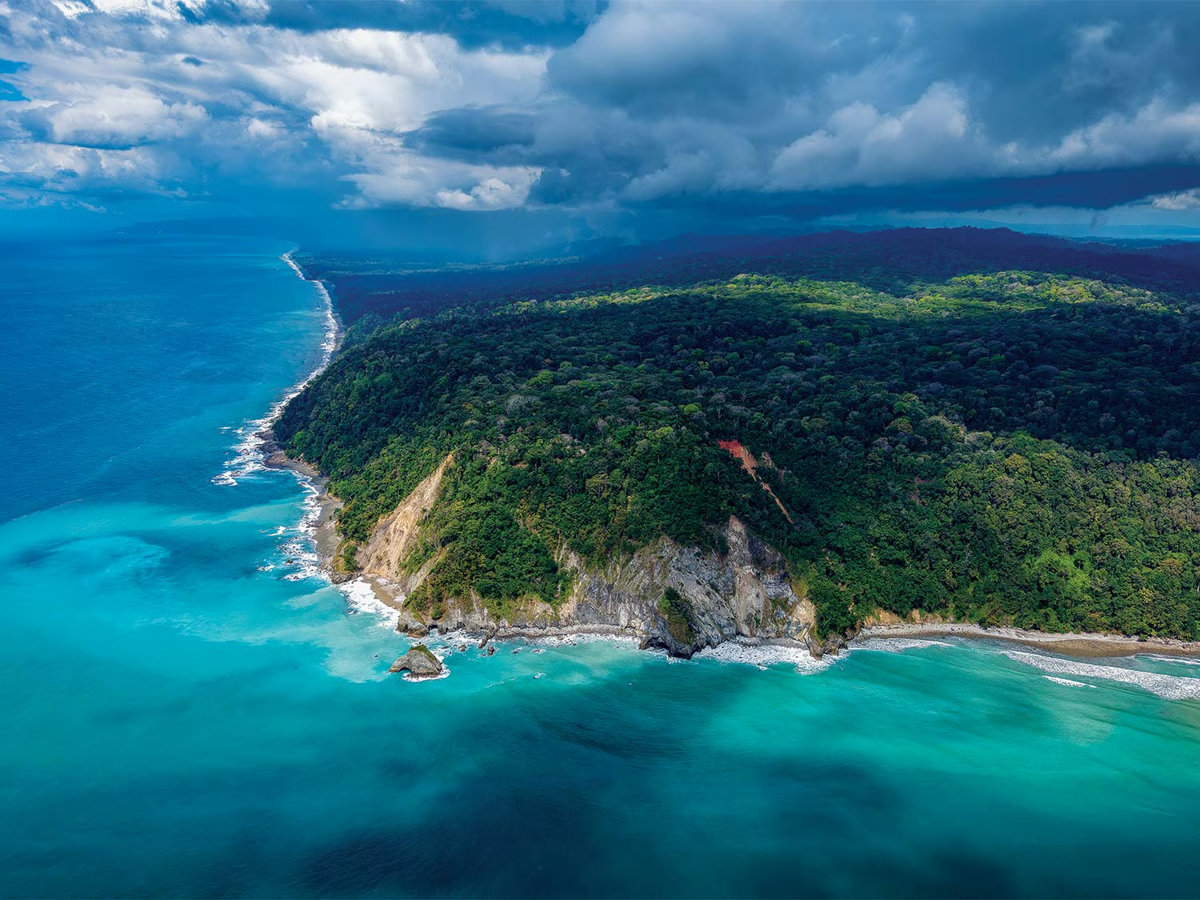
The Osa Peninsula is one of Costa Rica’s most wildlife-rich regions.
It feels much more remote than the country's resort zones.
Travellers come for:
- Corcovado National Park
- Scarlet macaws
- Monkeys
- Tapirs
- Rainforest
- Marine life
This is one of the best areas for serious nature travellers.
Corcovado National Park
Corcovado is often described as one of Costa Rica’s most biologically rich areas.
Travel here requires more planning than Manuel Antonio or La Fortuna.
That is part of its appeal.
For serious wildlife travellers, it can become the highlight of the country.
Caribbean Coast
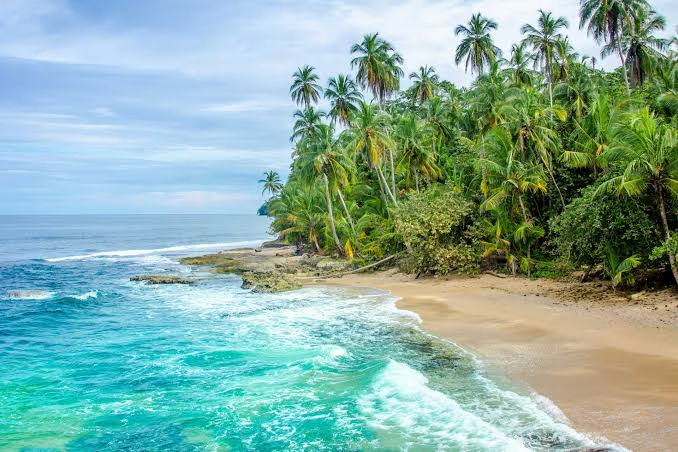
Costa Rica’s Caribbean side feels different from the Pacific.
Popular areas include:
- Puerto Viejo
- Cahuita
- Tortuguero
Expect:
- Caribbean culture
- Rainforest
- Beaches
- Different weather patterns
Puerto Viejo
Puerto Viejo combines:
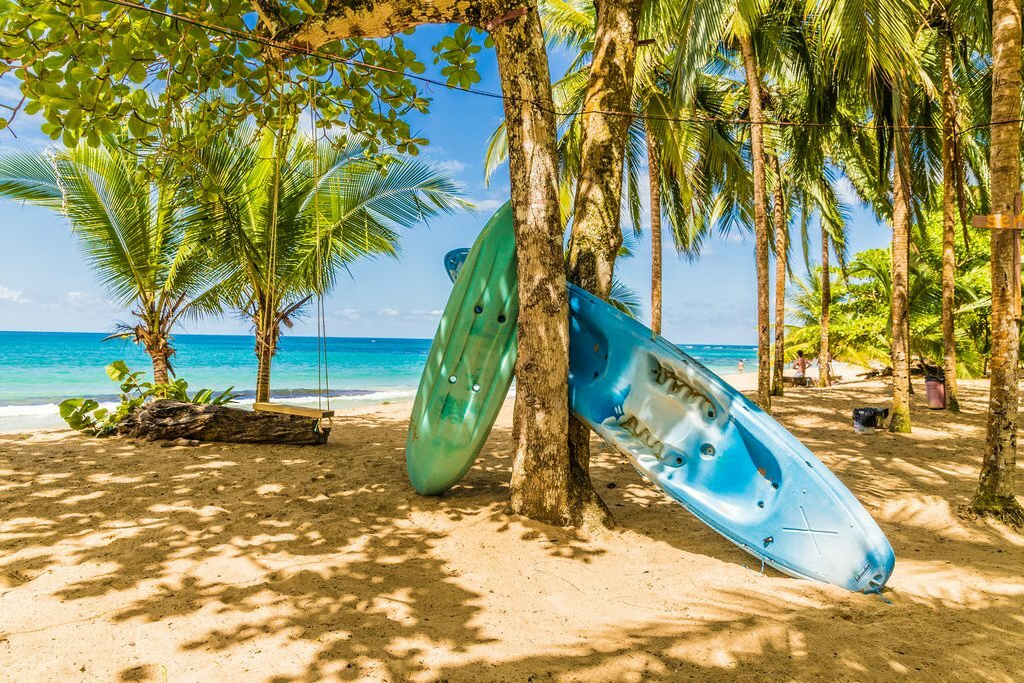
- Caribbean beaches
- Afro-Caribbean culture
- Surf
- Food
- Jungle atmosphere
It has a completely different personality from Guanacaste.
Tortuguero
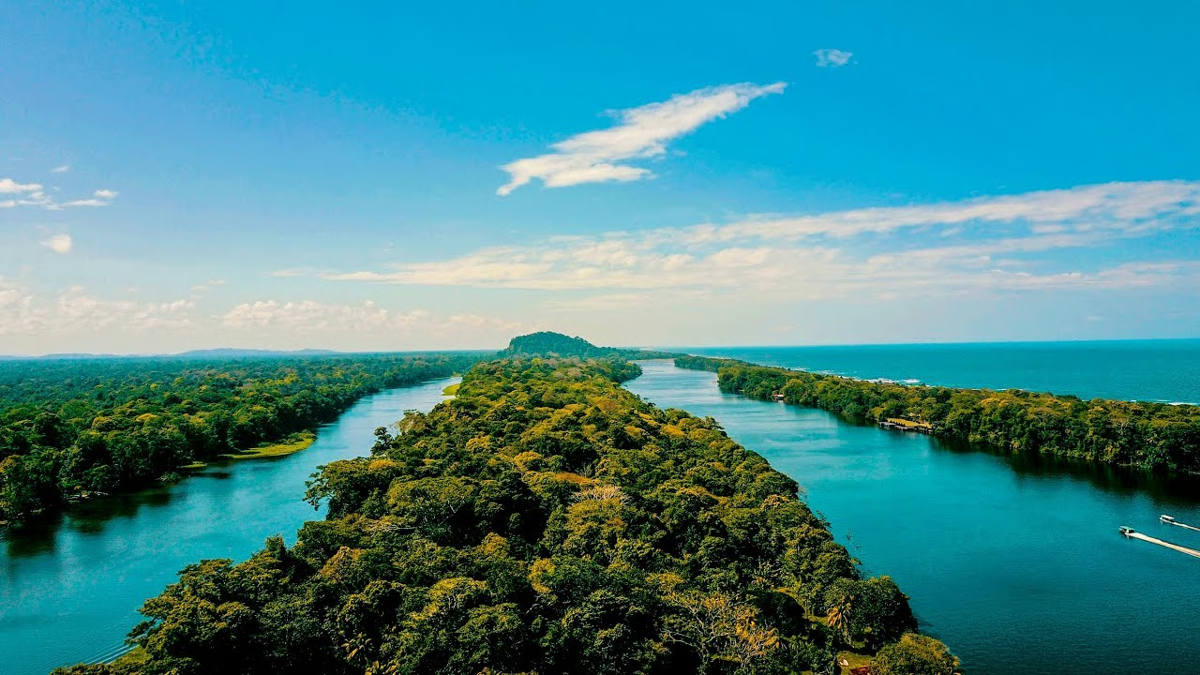
Tortuguero is famous for canals, rainforest and sea turtles.
Much of the area is accessed by boat.
The landscape feels more like an Amazonian waterway than a conventional beach destination.
Sea Turtle Experiences
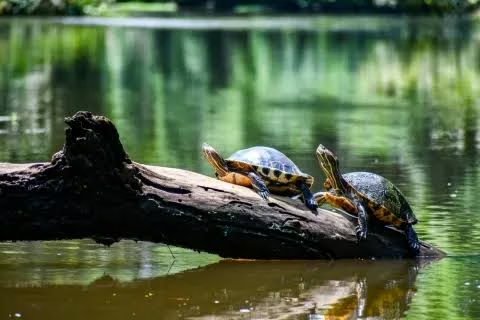
Costa Rica is an important nesting destination for multiple turtle species.
Nesting seasons vary by:
- Species
- Coast
- Location
Always use authorised guides where required.
Never use flash photography or interfere with nesting turtles.
Poás Volcano
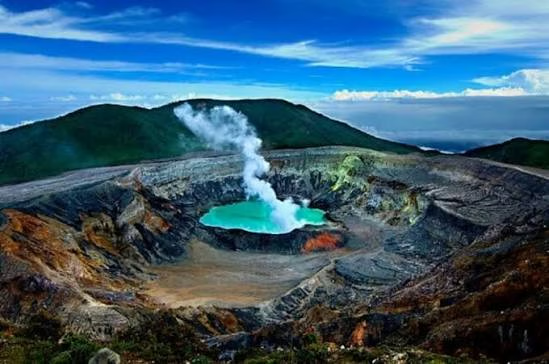
Poás is one of the easiest volcano excursions from the central region.
Its crater can be dramatic when visibility is good.
Access rules and volcanic conditions can change, so always check current official information before visiting.
Rincón de la Vieja
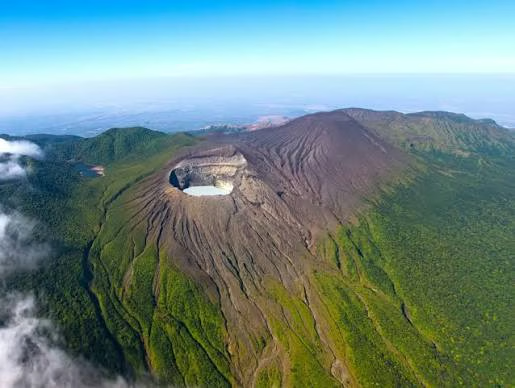
This volcanic region in Guanacaste offers:
- Geothermal activity
- Hiking
- Mud pools
- Waterfalls
- Adventure activities
It makes a strong addition to a beach-focused northern Costa Rica trip.
Costa Rica for Couples
Costa Rica is excellent for couples who want more than a resort.
A honeymoon could combine:
La Fortuna → Monteverde → Pacific Beach
You get:
- Rainforest
- Hot springs
- Adventure
- Beach
without constant flights.
Costa Rica for Honeymooners
A strong honeymoon might look like:
La Fortuna luxury lodge → Monteverde → Santa Teresa
or
La Fortuna → Manuel Antonio
Costa Rica works especially well for couples who want private lodges and experiences during the day rather than simply staying beside a pool.
Costa Rica for Families
Costa Rica is one of the strongest nature destinations for families.
Children can experience:
- Monkeys
- Sloths
- Volcanoes
- Hanging bridges
- Beaches
- Ziplining
The country makes environmental education feel like adventure rather than school.
Costa Rica for Adventure Travellers
Activities can include:
- White-water rafting
- Ziplining
- Surfing
- Canyoning
- Hiking
- Kayaking
- Diving
You do not need to do all of them.
Choose a few properly.
Ziplining
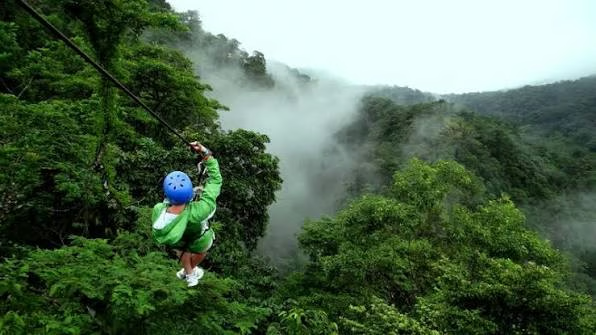
Costa Rica helped popularise canopy ziplining as a major tourism activity.
Monteverde and La Fortuna both offer strong options.
Choose established operators with clear safety standards.
White-Water Rafting
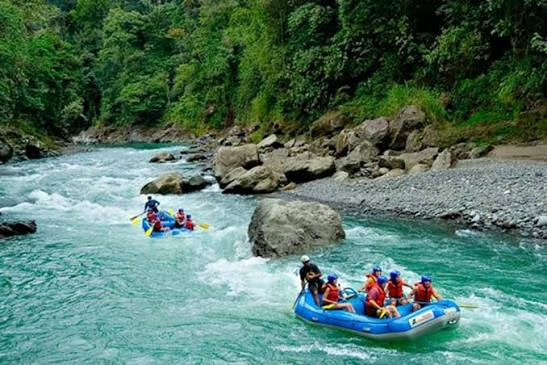
Several rivers offer rafting for different experience levels.
This can be one of the best ways to combine rainforest scenery with adventure.
Always choose difficulty based on actual experience, not ego.
Costa Rica by Car
A rental car gives you flexibility.
But road travel can be slower than maps suggest.
Reasons include:
- Mountains
- Single-lane roads
- Rain
- Road conditions
- River crossings in remote areas
Four-wheel drive can be useful for certain routes, especially in green season.
Atlas Insider Tip: Distances Lie
Two places may look close on a map.
That does not mean the drive is quick.
Costa Rica is a destination where 150 kilometres can consume much more of the day than expected.
Build itineraries around actual transfer time, not map distance.
How Many Places Should You Visit?
For a 7-night trip, three bases are usually enough.
For example:
La Fortuna → Monteverde → Manuel Antonio
Adding five or six destinations often means turning a nature holiday into a luggage-transfer holiday.
What Should You Eat in Costa Rica?
Costa Rican cuisine is generally simple and comforting.
Gallo Pinto
Rice and beans, often served at breakfast.
Casado
A typical plate combining rice, beans, salad, plantain and a main protein.
Ceviche
Popular in coastal regions.
Plantains
Common across many meals.
Fresh Fruit
Costa Rica is excellent for tropical fruit.
Take advantage of it.
Vegetarian Travel in Costa Rica
Vegetarian travel is relatively easy.
Rice, beans, vegetables, plantains, fruit and salads are widely available.
Tourist destinations also offer:
- Vegan cafés
- Smoothie bowls
- International cuisine
Always confirm whether beans or side dishes contain meat products if that matters to you.
Coffee in Costa Rica
Coffee plays an important role in Costa Rican culture and agriculture.
Coffee tours are popular around the Central Valley and highland regions.
A good tour can help explain:
- Growing
- Harvesting
- Processing
- Roasting
For coffee lovers, it is worth more than another generic souvenir stop.
Pura Vida
You will hear the phrase pura vida constantly.
Literally, it means something like “pure life.”
But in everyday use, it can function as:
- Hello
- Goodbye
- Everything is good
- Thank you
- A general attitude
Understanding it helps explain something about Costa Rica’s relaxed social rhythm.
Sustainable Tourism
Costa Rica has built much of its global tourism identity around nature and conservation.
That creates responsibility for visitors too.
Choose operators and hotels that demonstrate meaningful environmental practices rather than simply using words like “eco” in marketing.
Look for:
- Waste reduction
- Local employment
- Habitat protection
- Responsible wildlife practices
- Community involvement
How Many Days Do You Need in Costa Rica?
5 to 6 Days
Two regions
7 to 9 Days
Three regions at a comfortable pace
10 to 12 Days
Excellent first trip
14 Days
Ideal for adding remote wildlife or Caribbean regions
For most first-time travellers, 9 to 12 days works extremely well.
A Good First-Time Costa Rica Route
A classic route could be:
San José → La Fortuna → Monteverde → Manuel Antonio
For beaches and wellness:
La Fortuna → Nosara or Santa Teresa
For wildlife:
La Fortuna → Manuel Antonio → Osa Peninsula
For a slower trip:
La Fortuna → one beach region
You do not need to see the entire country.
Costa Rica vs Ecuador
These are both strong nature destinations.
Choose Costa Rica for:
- Easy rainforest circuits
- Adventure activities
- Beaches
- Sloths and monkeys
- Strong eco-tourism infrastructure
Choose Ecuador for:
- Galápagos
- Andes
- Volcanoes
- Amazon
- Colonial cities
Costa Rica is generally more compact as a nature-and-beach journey.
Ecuador offers greater geographic contrast.
Costa Rica vs Belize
Choose Costa Rica for:
- Volcanoes
- Rainforest
- Larger wildlife circuits
- Adventure travel
Choose Belize for:
- Caribbean reefs
- Diving
- Smaller scale
- Maya archaeological sites
Both work well for travellers who prioritise nature.
Travel Tips Before You Go
- Use December to April for the easiest first trip.
- Consider May or June for greener scenery and fewer crowds.
- Plan Pacific and Caribbean weather separately.
- Keep volcano days flexible.
- Use naturalist guides for serious wildlife experiences.
- Never feed or touch wildlife.
- Build the trip around transfer times, not map distances.
- Avoid too many one- or two-night stops.
- Consider four-wheel drive for remote routes and wetter periods.
- Check current park access and road conditions before travel.
Quick Summary
| Travel Goal | Best Time |
|---|---|
| Overall First Trip | December-April |
| Pacific Beaches | December-April |
| Rainforest | Year-round |
| Wildlife | Year-round, species-dependent |
| Adventure | December-April, May-July |
| Fewer Crowds | May-June, September-November |
| Caribbean Coast | Different seasonal pattern |
| Honeymoon | January-April, May-June |
Frequently Asked Questions
What is the best month to visit Costa Rica?
January, February and March are among the easiest months for a first trip, especially if you are focusing on Pacific-side destinations.
Is the rainy season bad for Costa Rica?
Not necessarily. The green season brings lush landscapes, fewer crowds and often better value. Rain frequently comes in bursts rather than lasting all day, though patterns vary by region and month.
How many days are enough for Costa Rica?
Around 9 to 12 days is ideal for three major regions without rushing.
Where should first-time visitors go?
A classic first itinerary is La Fortuna, Monteverde and Manuel Antonio.
Is Costa Rica good for honeymooners?
Yes. It is especially good for couples who want luxury lodges, nature and adventure combined with beach time.
Costa Rica or Ecuador?
Choose Costa Rica for easier rainforest-and-beach travel.
Choose Ecuador for Galápagos, Andes and greater regional contrast.
Both are outstanding nature destinations.
Continue Exploring on Mindflix Atlas
- Best Time to Visit Ecuador
- Best Time to Visit Peru
- Best Time to Visit Brazil
- Best Time to Visit Tanzania
- Best Time to Visit Kenya
- 50 International Destinations Every Indian Traveller Should Experience at Least Once
- Costa Rica Travel Guide (Coming Soon)
- La Fortuna Travel Guide (Coming Soon)
- Monteverde Travel Guide (Coming Soon)
- The Perfect 10-Day Costa Rica Itinerary (Coming Soon)
- Costa Rica vs Ecuador (Coming Soon)
- Best Wildlife Destinations in the World (Coming Soon)
- Best Eco-Travel Destinations (Coming Soon)
Costa Rica is not a destination built around monuments.
Its landmarks move.
A sloth in a tree.
A toucan crossing the canopy.
Mist drifting through cloud forest.
A volcano appearing between clouds.
A turtle returning to the sea.
That changes the way you travel.
You stop rushing.
You start looking more carefully.
And eventually you realise that the best moments were never the ones you could schedule exactly.
Mindflix Atlas helps you understand the destination before you book it, so you can travel smarter and experience more.