
Best Time to Visit Croatia | Dubrovnik, Split, Islands & Month-by-Month Guide
Jay Vora
Founder & CEO
Best Time to Visit Croatia
Croatia is one of those destinations that can look deceptively simple on a map.
A beautiful coast.
A few famous old towns.
Some islands.
Then you arrive and realise the country is really several different trips stitched together.
Dubrovnik feels historic and dramatic.
Split feels livelier and more relaxed.
Hvar has nightlife and polished island energy.
Korčula feels slower.
Plitvice is all waterfalls, forests and wooden walkways.
And the drive between places can be as memorable as the destination itself.
For most first-time travellers, May to June and September to early October are among the best times to visit Croatia.
The weather is warm, ferries are active, beaches are enjoyable and crowds are generally easier than in peak July and August.
If you want the full summer-island atmosphere, July and August are stronger.
If you want cities, road trips and photography, the shoulder seasons usually win.
Understanding Croatia’s Seasons
Croatia has two broad travel personalities.
The Adriatic coast has a Mediterranean climate.
Inland areas experience more continental conditions.
Broadly:
- Spring: March to May
- Summer: June to August
- Autumn: September to November
- Winter: December to February
The coast is busiest in summer.
Historic cities and inland destinations can work well outside peak season.
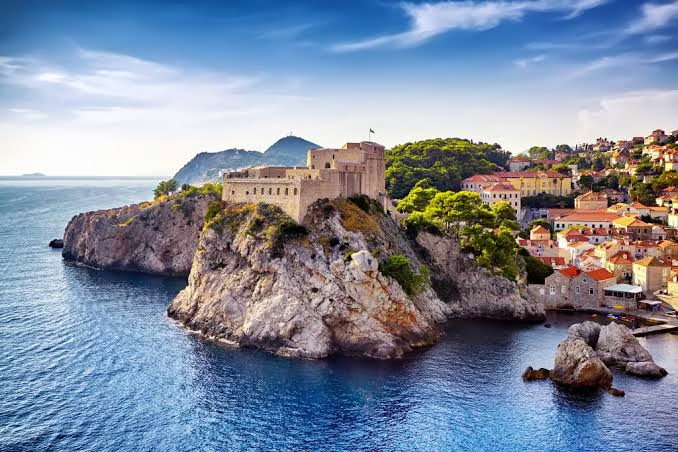
Spring in Croatia: March to May
Spring starts quietly.
March can still feel cool.
April becomes more pleasant.
By May, the coast begins to feel ready for summer.
Spring is especially good for:
- Dubrovnik
- Split
- Road trips
- Plitvice Lakes
- Photography
- Couples
- Walking-heavy itineraries
May is one of the strongest all-round months.
Summer in Croatia: June to August
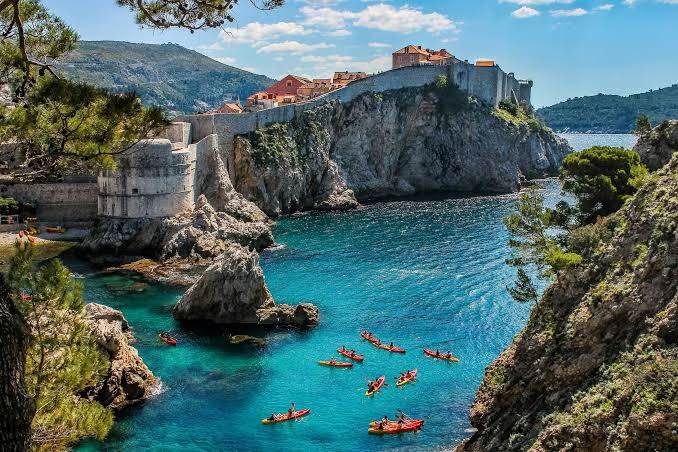
Summer is peak Croatia.
The Adriatic becomes the main attraction.
Ferries are frequent.
Beach clubs are active.
Island towns stay lively late into the evening.
This is best for:
- Hvar
- Island hopping
- Beaches
- Sailing
- Nightlife
- Family holidays
The trade-off is heat, crowds and higher prices.
Dubrovnik in July and August can feel especially busy.
Autumn in Croatia: September to November
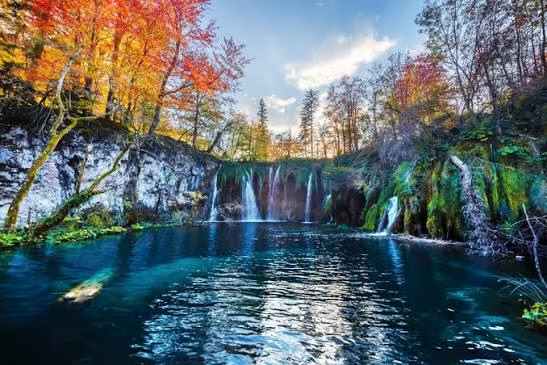
September is arguably Croatia’s best all-round month.
The sea is still warm.
Summer energy remains.
But crowds begin to ease.
October can also be excellent, especially for city travel and road trips, though ferry schedules may begin reducing.
Autumn is strong for:
- Couples
- Food travel
- Dubrovnik
- Split
- Road trips
- Photography
Winter in Croatia: December to February
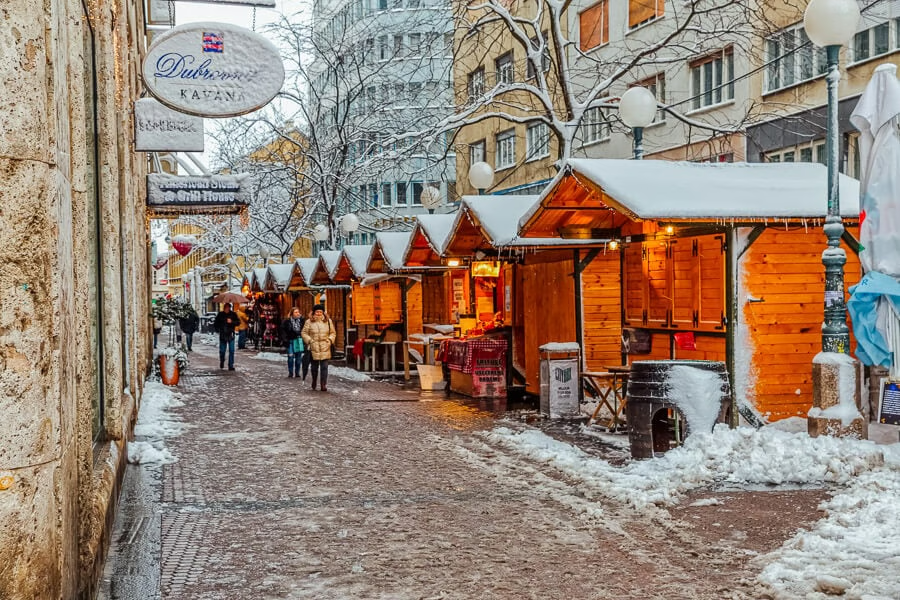
Winter is much quieter.
Many island businesses reduce hours or close seasonally.
The coast can feel calm and local.
This season works best for:
- Historic cities
- Food
- Lower crowds
- Cultural travel
It is not the ideal period for a classic island-hopping holiday.
Croatia Month by Month
January
Quiet and cool.
Coastal cities remain attractive, but island life slows considerably.
Best for: Dubrovnik and Split without summer crowds.
February
Still off-season.
Good for cultural trips and lower hotel prices.
March
Spring begins.
Days get longer, but the sea remains cold.
April
Weather improves.
Excellent for sightseeing before summer crowds arrive.
May
One of the best months to visit Croatia.
Warm days, active ferry routes and manageable visitor numbers make it ideal for a first trip.
June
Summer begins properly.
The coast is lively without always reaching August-level crowds.
July
Peak season.
Hot, busy and energetic.
Excellent for islands, beaches and nightlife.
August
Still peak summer.
Expect high accommodation prices and crowded old towns.
Book early.
September
One of the strongest months overall.
Warm sea, pleasant weather and gradually fewer crowds.
October
Cooler but atmospheric.
Great for cities and road trips.
Some island services begin reducing.
November
Quieter and wetter.
Best for slower cultural travel.
December
Festive atmosphere returns to larger cities.
Not a beach season, but good for urban travel.
Best Time Based on Your Travel Style
First-Time Visit
May-June, September
Dubrovnik
April-June, September-October
Split
May-June, September-October
Hvar
June-September
Island Hopping
June-September
Plitvice Lakes
April-June, September-October
Road Trips
May-June, September-October
Nightlife
July-August
Dubrovnik
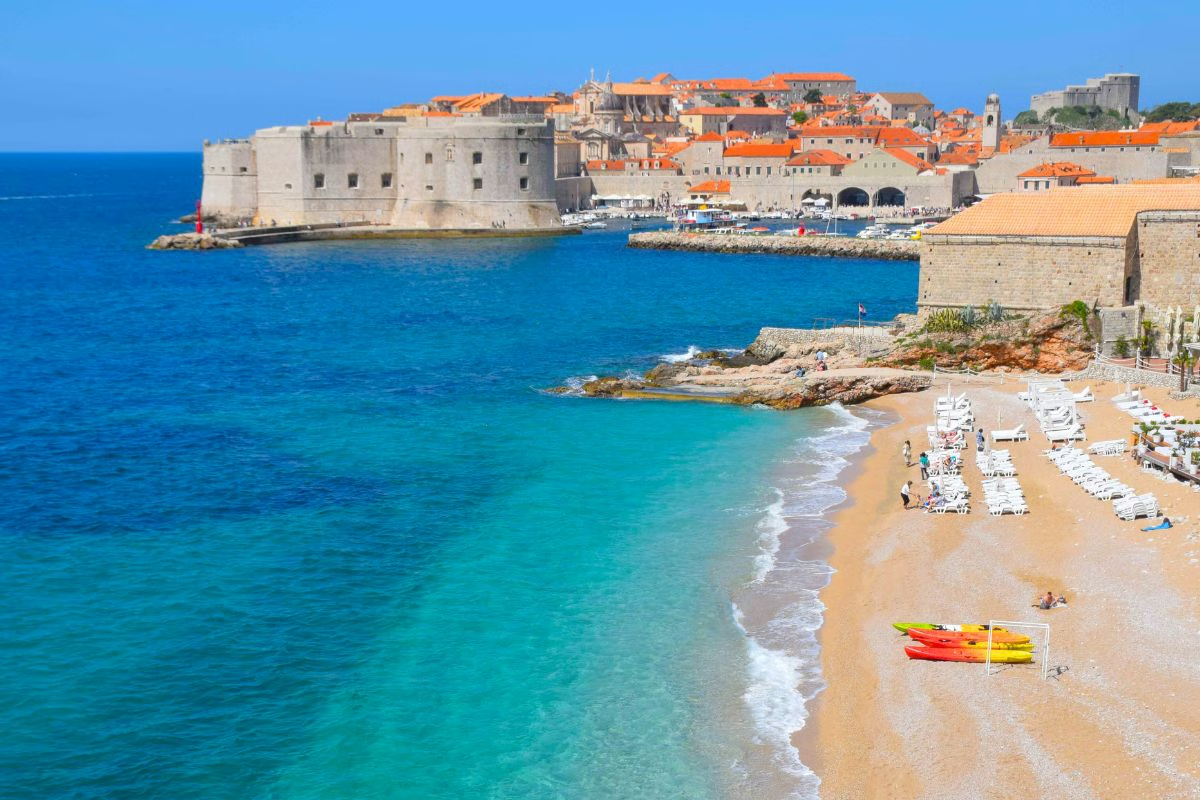
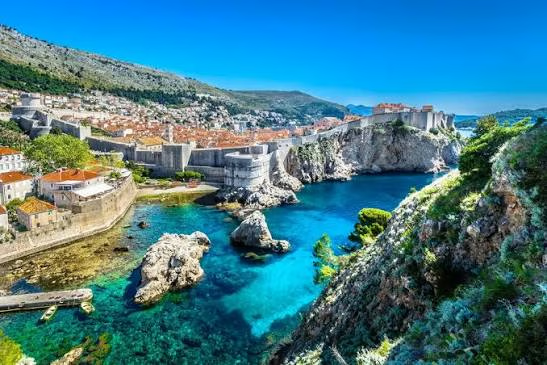
Dubrovnik is one of Europe’s most visually dramatic historic cities.
Its old walls rise directly above the Adriatic.
Inside, you’ll find:
- Stone streets
- Baroque buildings
- Churches
- Small squares
- Seafront views
It is beautiful.
It is also very popular.
Timing matters.
Walk the City Walls
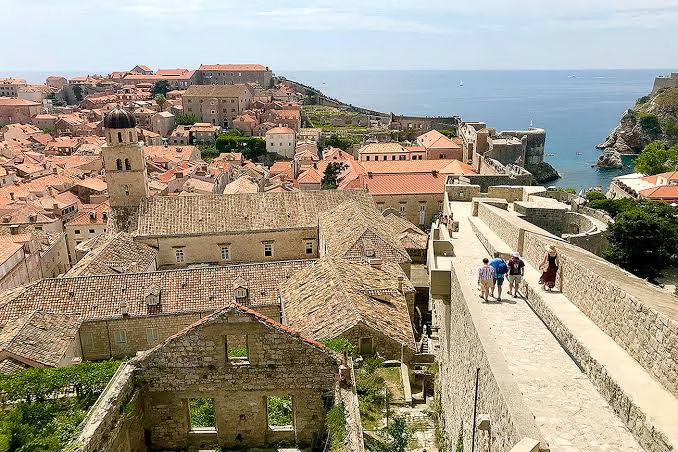
Walking Dubrovnik’s walls is one of the essential experiences.
You get views over:
- Old Town rooftops
- Adriatic Sea
- Fortresses
- Nearby islands
Go early in the morning or later in the afternoon.
Midday can be hot and crowded.
Atlas Insider Tip
In Dubrovnik, sleep inside or very close to the Old Town for at least one night if your budget allows.
The city changes completely before day visitors arrive and after large tour groups leave.
Early morning is when Dubrovnik feels most atmospheric.
Dubrovnik Beyond the Old Town
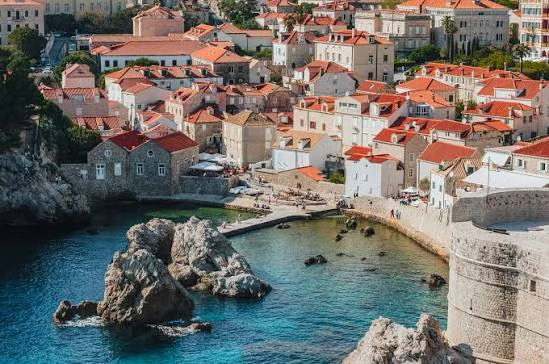
Many travellers spend their entire stay within the walls.
That is a mistake.
Also consider:
- Mount Srđ
- Lokrum Island
- Lapad
- Coastal viewpoints
Dubrovnik becomes much more enjoyable when you alternate historic sightseeing with sea and open space.
Split
Split feels younger and more lived-in than Dubrovnik.
The city is built around Diocletian’s Palace, but this is not a sealed museum complex.
People actually live, shop and eat inside it.
That makes Split feel unusually alive.
Highlights include:
- Diocletian’s Palace
- Riva promenade
- Marjan Hill
- Old Town streets
- Easy island access
Diocletian’s Palace
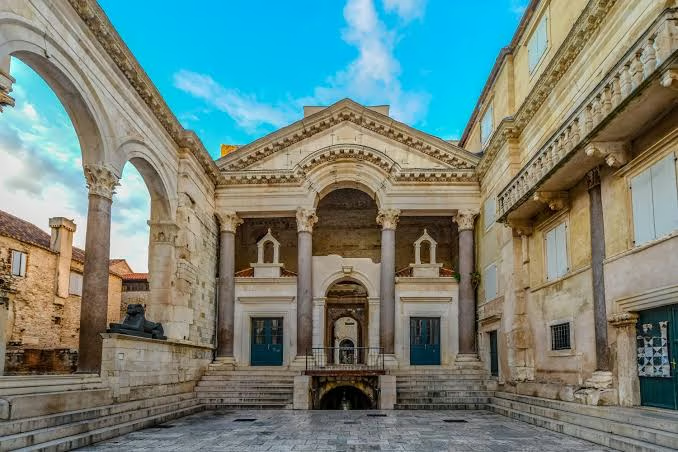
Diocletian’s Palace is one of Split’s defining landmarks.
But “palace” is slightly misleading.
It functions more like a historic city district.
Walk through it slowly.
The best details are often in courtyards, staircases and side streets rather than just the main squares.
Hvar
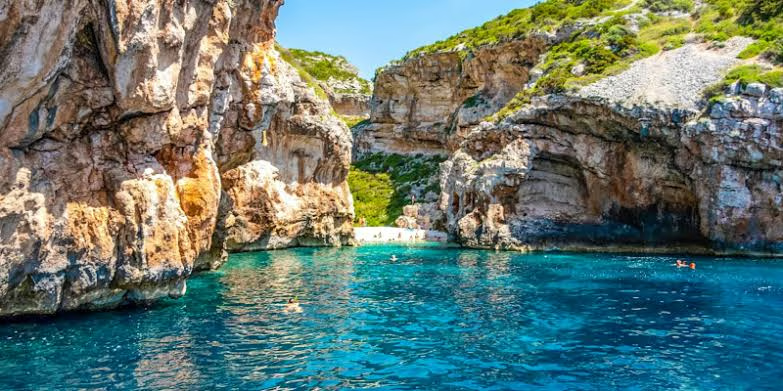
Hvar is one of Croatia’s best-known islands.
It combines:
- Beaches
- Old-town architecture
- Restaurants
- Nightlife
- Boat trips
It can be glamorous.
It can also be relaxed, depending on where you stay and what time of year you visit.
Hvar Town vs the Rest of Hvar
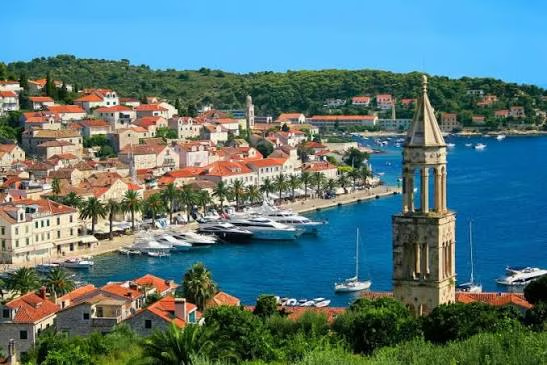
Hvar Town gets most of the attention.
But the island has quieter areas too.
If nightlife is not your priority, explore:
- Stari Grad
- Jelsa
- Smaller coves
You do not have to experience Hvar as a party destination.
Korčula
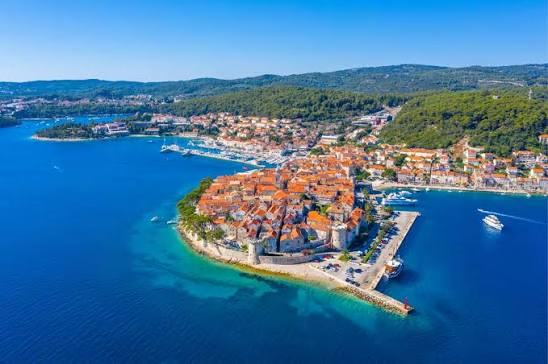
Korčula is a strong alternative for travellers who want something calmer.
The old town is beautiful.
The island also offers:
- Vineyards
- Beaches
- Villages
- Slower evenings
It suits couples and travellers who prefer relaxed island travel.
Brač
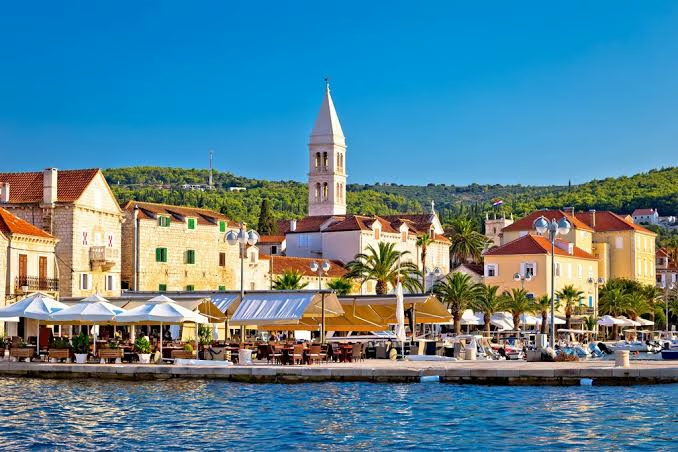
Brač is famous for Zlatni Rat beach near Bol.
The island works well for:
- Beaches
- Windsurfing
- Short island stays
- Easy access from Split
It is often easier to include than more distant islands.
Island Hopping in Croatia
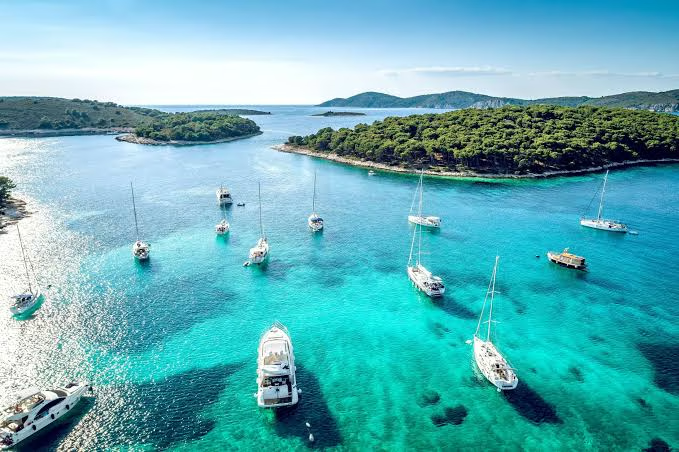
Croatia is ideal for island hopping.
But there is one rule:
Do not overdo it.
Moving islands every night or two creates:
- Ferry stress
- Packing fatigue
- Lost beach time
A better approach is usually:
Split → Hvar → Korčula → Dubrovnik
with enough nights in each place to settle in.
Atlas Insider Tip: Fewer Islands, Better Trip
Three islands in nine days sounds exciting.
In practice, it can feel exhausting.
Choose fewer islands.
Stay longer.
Croatia is not at its best when experienced through ferry terminals.
Plitvice Lakes National Park
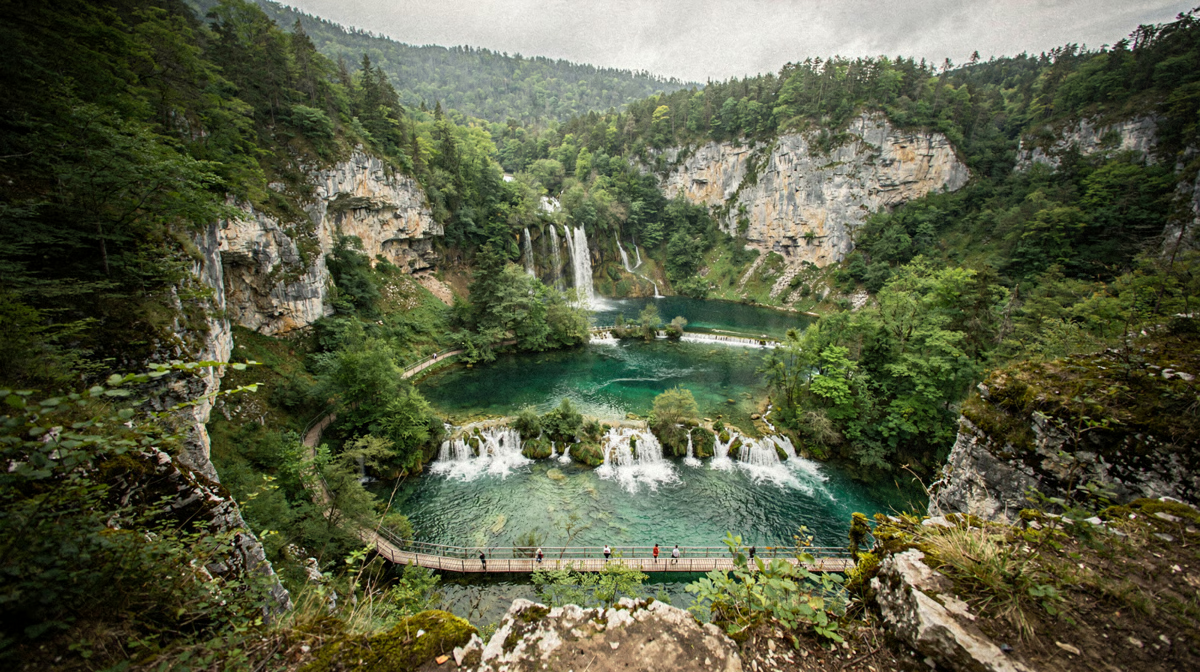
Plitvice Lakes is one of Croatia’s great natural attractions.
It is known for:
- Turquoise lakes
- Waterfalls
- Forests
- Wooden pathways
Spring and autumn are especially attractive because temperatures are cooler and crowds can be easier.
Best Time for Plitvice
April to June and September to October are especially good.
Summer brings fuller visitor numbers.
Winter can be beautiful too, but conditions and access may vary.
Always check current park information before visiting.
Krka National Park
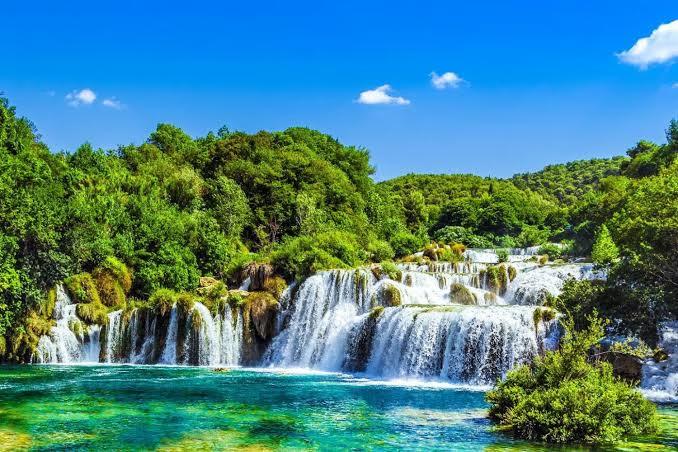
Krka is another popular waterfall destination.
It is easier to combine with Split or Šibenik.
The park offers a different experience from Plitvice and can fit well into a Dalmatian road trip.
Zadar
Zadar is often overlooked, but it has a strong coastal atmosphere.
It is known for:
- Sea Organ
- Sun Salutation
- Roman ruins
- Sunset views
It works well as a stop between Split and northern Croatia.
Šibenik
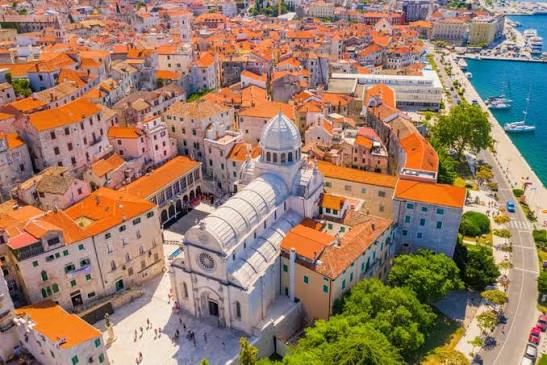
Šibenik is another excellent historic coastal city.
It tends to feel less crowded than Dubrovnik and Split.
The old town, cathedral and surrounding coastline make it a good addition to a road trip.
Rovinj
Rovinj, in Istria, has one of Croatia’s prettiest old towns.
Its pastel buildings rise above the Adriatic.
It feels more Italian in atmosphere than southern Dalmatia.
This is a good reminder that Croatia’s regions are very different from one another.
Istria
Istria is one of Croatia’s great food and wine regions.
Expect:
- Hill towns
- Vineyards
- Olive oil
- Truffles
- Coastal villages
It is perfect for travellers who want a slower road trip rather than a classic island-hopping holiday.
Croatia for Couples
Croatia is excellent for couples.
A romantic itinerary could be:
Split → Hvar → Korčula → Dubrovnik
or
Rovinj → Istrian countryside
You get:
- Sea views
- Boutique hotels
- Old towns
- Boat trips
- Long dinners
May, June and September are especially good.
Croatia for Families
Families can enjoy Croatia very easily.
Good options include:
- Split
- Brač
- Dubrovnik
- Istria
- Plitvice
The coast is especially convenient for combining sightseeing with beach time.
Croatia for Honeymooners
Croatia is a strong honeymoon choice for couples who want more movement than the Maldives but less intensity than a multi-country Europe trip.
You can combine:
- Old towns
- Islands
- Beaches
- Luxury stays
- Road trips
It feels romantic without requiring a purely resort-based holiday.
Croatia by Car
A rental car is useful for:
- Istria
- Plitvice
- Inland villages
- Coastal road trips
It is less useful if your trip is mainly:
- Split
- Hvar
- Korčula
- Dubrovnik
For island-heavy itineraries, ferries and local transfers are usually easier.
Croatia by Ferry
Ferries are central to island travel.
Schedules vary by season.
Summer has the most frequent connections.
Shoulder-season travellers should check timings carefully before locking in hotels.
Do not assume every island connection runs every day year-round.
What Should You Eat in Croatia?
Croatian food changes significantly by region.
Along the coast, Mediterranean influences dominate.
Black Risotto
Often made with cuttlefish or squid ink.
Peka
Meat or seafood slow-cooked with vegetables under a bell-shaped lid.
Grilled Fish
Simple and especially good along the Adriatic coast.
Truffles
Particularly associated with Istria.
Pag Cheese
A distinctive sheep’s-milk cheese from the island of Pag.
Vegetarian Travel in Croatia
Vegetarian travel is increasingly easy in tourist regions.
You’ll find:
- Pasta
- Risotto
- Grilled vegetables
- Salads
- Cheese
- Modern plant-based dishes
Smaller islands and traditional restaurants may have fewer options, so some advance checking helps.
How Many Days Do You Need in Croatia?
4 to 5 Days
Dubrovnik + one nearby experience
7 Days
Split + Hvar + Dubrovnik
10 Days
Ideal for Split + islands + Dubrovnik
12 to 14 Days
Excellent for a broader coastal journey or adding Istria/Plitvice
For most first-time travellers, 8 to 10 days works very well.
A Good First-Time Croatia Route
A strong first itinerary could be:
Split → Hvar → Korčula → Dubrovnik
If you prefer nature:
Zagreb → Plitvice → Split → Dubrovnik
If you prefer road trips and food:
Zagreb → Rovinj → Istria → Plitvice
Croatia is flexible enough to build around your travel style.
Croatia vs Greece
These destinations are often compared.
Choose Croatia for:
- Medieval coastal cities
- Compact island hopping
- Scenic road trips
- Dubrovnik and Split
- Adriatic atmosphere
Choose Greece for:
- Larger island variety
- Ancient ruins
- Whitewashed villages
- Stronger resort-island identity
Both are excellent in late spring and early autumn.
Croatia vs Italy
Choose Croatia for:
- Easier coastal island hopping
- Smaller historic towns
- Adriatic beaches
- Often simpler itineraries
Choose Italy for:
- Greater city variety
- Art
- Food regions
- Ancient history
They combine very well across a longer Adriatic journey.
Travel Tips Before You Go
- Visit in May, June or September for the best balance.
- Avoid overpacking your island itinerary.
- Stay overnight in Dubrovnik if possible.
- Check ferry schedules before booking hotels.
- Book peak-summer accommodation early.
- Start city-wall walks early.
- Use a rental car selectively.
- Give Split at least two nights.
- Add Plitvice if nature matters to you.
- Consider Istria if food and wine are priorities.
Quick Summary
| Travel Goal | Best Time |
|---|---|
| Overall Best Time | May-June, September |
| Dubrovnik | April-June, September-October |
| Split | May-June, September-October |
| Hvar | June-September |
| Island Hopping | June-September |
| Plitvice Lakes | April-June, September-October |
| Road Trips | May-June, September-October |
| Nightlife | July-August |
Frequently Asked Questions
What is the best month to visit Croatia?
June and September are among the strongest months for warm weather, island travel and fewer crowds than peak August.
How many days are enough for Croatia?
Around 8 to 10 days works well for Split, one or two islands and Dubrovnik.
Is Dubrovnik worth visiting?
Yes. Despite the crowds, its old town and coastal setting make it one of Europe’s most distinctive historic cities.
Is Croatia expensive?
Croatia has become significantly more expensive in popular coastal areas, especially during July and August. Shoulder-season travel generally offers better value.
Is Croatia good for honeymooners?
Absolutely. It works especially well for couples who want beaches, historic towns and island hopping in the same trip.
Croatia or Greece?
Choose Croatia for compact Adriatic travel, medieval old towns and road trips.
Choose Greece for broader island choice, ancient history and classic Cycladic scenery.
Both are excellent Mediterranean destinations.
Continue Exploring on Mindflix Atlas
- Best Time to Visit Greece
- Best Time to Visit Italy
- Best Time to Visit Austria
- Best Time to Visit Hungary
- Best Time to Visit Czech Republic
- 50 International Destinations Every Indian Traveller Should Experience at Least Once
- Croatia Travel Guide (Coming Soon)
- Dubrovnik Travel Guide (Coming Soon)
- The Perfect 10-Day Croatia Itinerary (Coming Soon)
- Croatia Island-Hopping Guide (Coming Soon)
- Croatia vs Greece (Coming Soon)
- Best Mediterranean Destinations (Coming Soon)
Croatia is at its best when you stop treating it like a sequence of famous stops.
Don’t rush Dubrovnik.
Don’t collect islands.
Don’t spend every day changing ferries.
Stay long enough for the old towns to empty.
Swim somewhere you did not plan to.
Take the slower coastal road.
And leave enough space for the Adriatic to become the trip, rather than just the background.
Mindflix Atlas helps you understand the destination before you book it, so you can travel smarter and experience more.