
Best Time to Visit Czech Republic: Prague, Český Krumlov & Month-by-Month Guide (2026)
Jay Vora
Founder & CEO
Best Time to Visit the Czech Republic
The Czech Republic is one of those countries many travellers think they already understand because they know Prague.
Then they arrive.
Prague is extraordinary, of course.
Its castle rises above the river.
Gothic towers frame old streets.
Trams rattle through neighbourhoods that feel far removed from the busiest tourist squares.
But beyond Prague, the country becomes quieter.
There are medieval towns, spa cities, castles, vineyards, forests and countryside that many international visitors barely see.
For most first-time travellers, April to June and September to October are among the best times to visit the Czech Republic.
The weather is generally comfortable, daylight is generous and crowds are easier than during peak summer.
But December deserves special mention.
If Christmas markets, winter atmosphere and illuminated old towns are your priority, it can be one of the most memorable times to go.
Czech Republic or Czechia?
You will see both names.
Czechia is the official short-form name of the country, while Czech Republic remains widely used internationally.
Travellers may encounter both in booking systems, maps and travel information.
They refer to the same country.
Understanding the Seasons
The Czech Republic has four distinct seasons:
- Spring: March to May
- Summer: June to August
- Autumn: September to November
- Winter: December to February
Winters can be cold.
Summers can be warm.
Spring and autumn usually offer the easiest balance for sightseeing.
Spring: March to May
Spring begins slowly.
March can still feel wintry.
April becomes noticeably more comfortable.
By May, parks are green, café terraces fill up and walking through Prague becomes much more pleasant.
Spring is excellent for:
- Prague
- Český Krumlov
- Castles
- City breaks
- Photography
- Couples
- Road trips
May is one of the strongest all-round months.
Summer: June to August
Summer brings long days and lively streets.
Outdoor cafés stay busy.
River cruises become popular.
Castles and countryside attractions operate at full pace.
This is a good time for:
- First-time visitors
- Families
- Festivals
- Road trips
- Outdoor dining
- Countryside travel
The trade-off is crowds.
Prague in July and August can become extremely busy around the Old Town, Charles Bridge and Prague Castle.
Autumn: September to November
September is one of the best months of the year.
Summer warmth often lingers, but crowds begin easing.
October becomes cooler and more atmospheric.
Autumn colours improve parks, castles and countryside landscapes.
This season suits:
- Couples
- Photography
- Food travel
- Prague
- Smaller towns
- Cultural trips
By November, days become shorter and colder.
Winter: December to February
Winter transforms the country.
Prague becomes more dramatic.
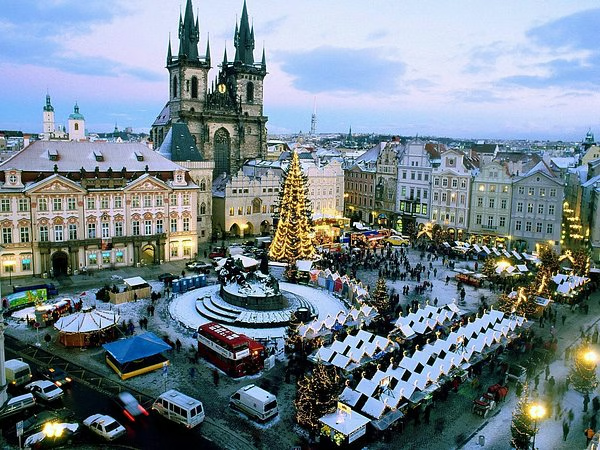
Christmas markets fill historic squares.
There is a different pleasure in walking through the city after dark when towers, churches and bridges are illuminated.
Winter is best for:
- Christmas markets
- Romantic city breaks
- Museums
- Seasonal food
- Fewer crowds after Christmas
January and February can be very cold.
Czech Republic Month by Month
January
Cold and relatively quiet.
Snow is possible, though never guaranteed.
Best for: Museums, cafés and fewer tourists.
February
Winter continues.
The atmosphere remains calm outside major weekend travel periods.
A good month for travellers who do not mind cold weather.
March
Spring begins gradually.
Temperatures remain cool, but days grow longer.
April
One of the better shoulder-season months.
Walking becomes more comfortable and tourist numbers are still manageable.
May
Excellent for first-time visitors.
Pleasant weather and longer daylight make sightseeing easier.
June
Summer begins.
Long days are ideal for Prague and countryside trips.
Crowds begin increasing.
July
Peak tourist season.
Expect warm weather and large crowds at major attractions.
August
Still busy.
Outdoor travel remains excellent, but Prague’s central districts can feel crowded.
September
One of the best months overall.
Good weather often continues while peak summer crowds begin fading.
October
Cool, atmospheric and especially good for photography.
Autumn colour adds character to parks and smaller towns.
November
Quieter and colder.
Christmas preparations begin toward the end of the month.
December
One of the most atmospheric months.
Christmas markets, lights and winter evenings completely change the mood of Prague and other cities.
Best Time Based on Your Travel Style
First-Time Visit
April-June, September-October
Prague
April-June, September-December
Český Krumlov
May-June, September-October
Castles
May-September
Christmas Markets
Late November-December
Couples
May-June, September-December
Photography
May, September, October, December
Fewer Crowds
January-March, November
Prague
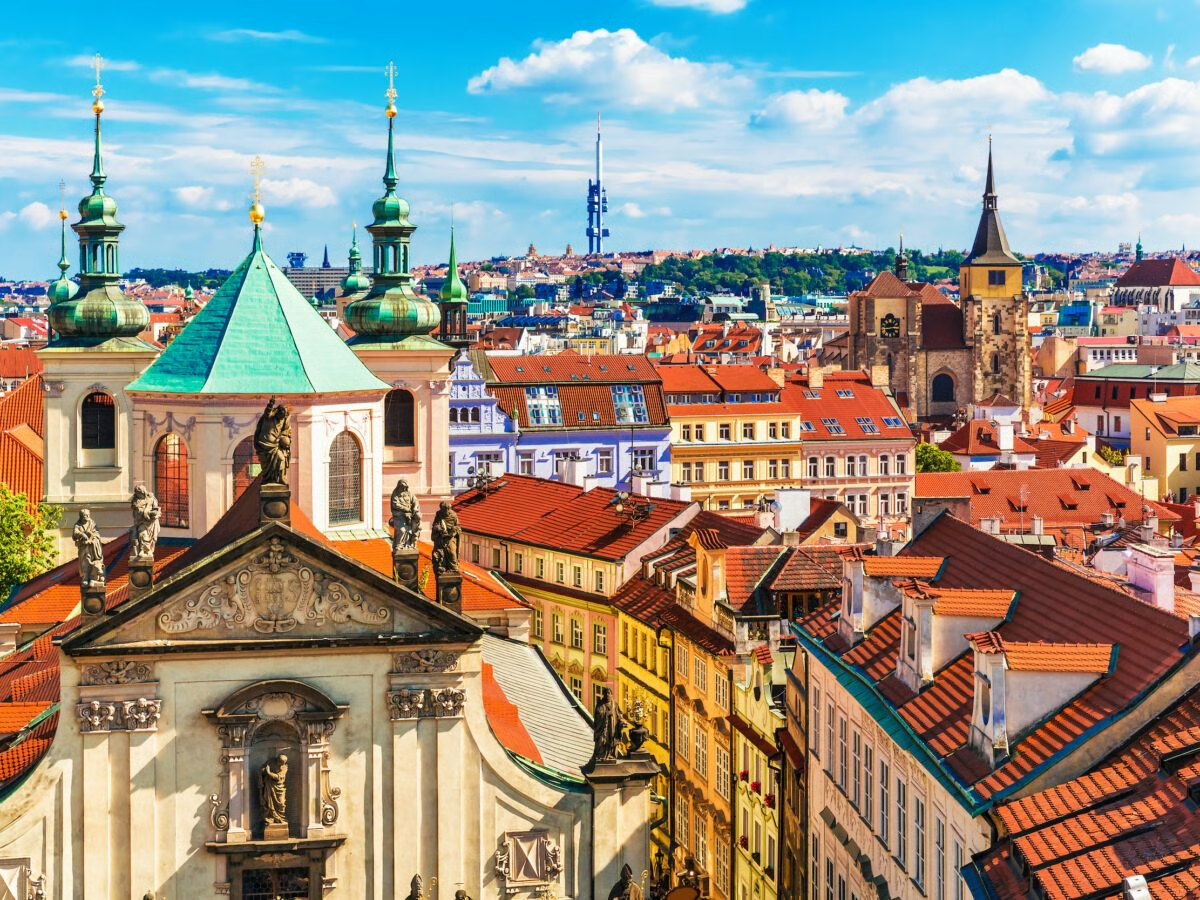
Prague is one of Europe’s great walking cities.
Its skyline is instantly recognisable.
But the city is much better when you stop looking at it only as a collection of famous landmarks.
Highlights include:
- Prague Castle
- Charles Bridge
- Old Town Square
- Astronomical Clock
- Malá Strana
- Jewish Quarter
- Vltava River
- Letná
Give Prague at least three nights.
Four is even better if you want to explore beyond the historic centre.
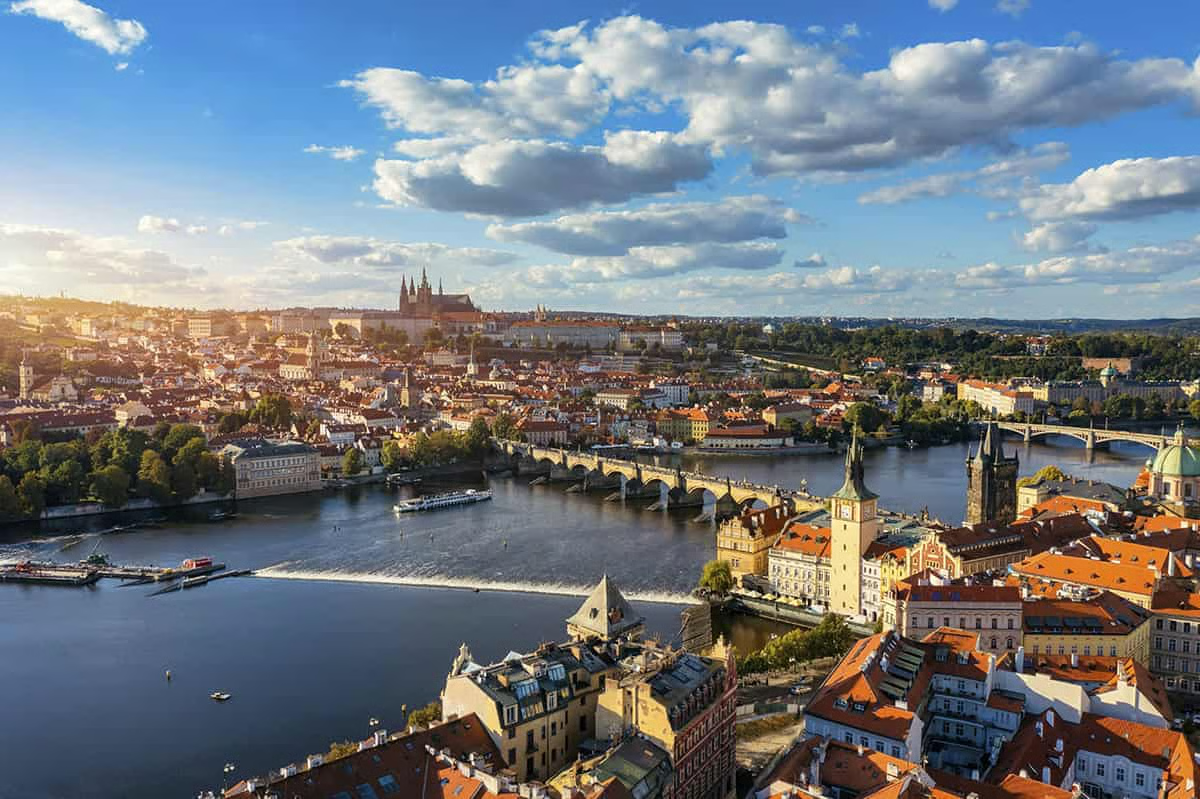
Charles Bridge
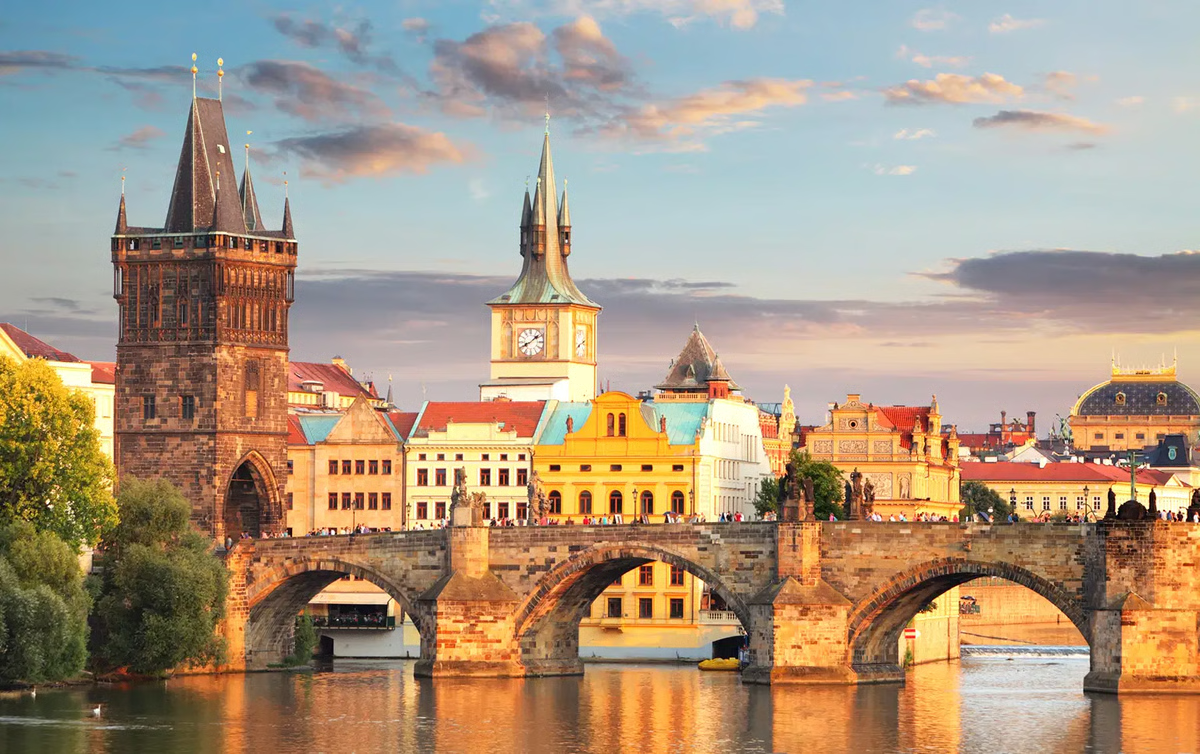
Charles Bridge is one of Prague’s most famous sights.
It is also one of the busiest.
During the middle of the day, the bridge can feel more like a procession than a place.
The solution is simple:
Go early.
Very early if photography matters to you.
Atlas Insider Tip
See Charles Bridge twice.
Go once around sunrise or early morning, when the city is still quiet.
Then return after dark, when Prague Castle and the riverfront are illuminated.
They feel like completely different experiences.
The worst time to judge Charles Bridge is often the middle of a busy afternoon.
Prague Castle
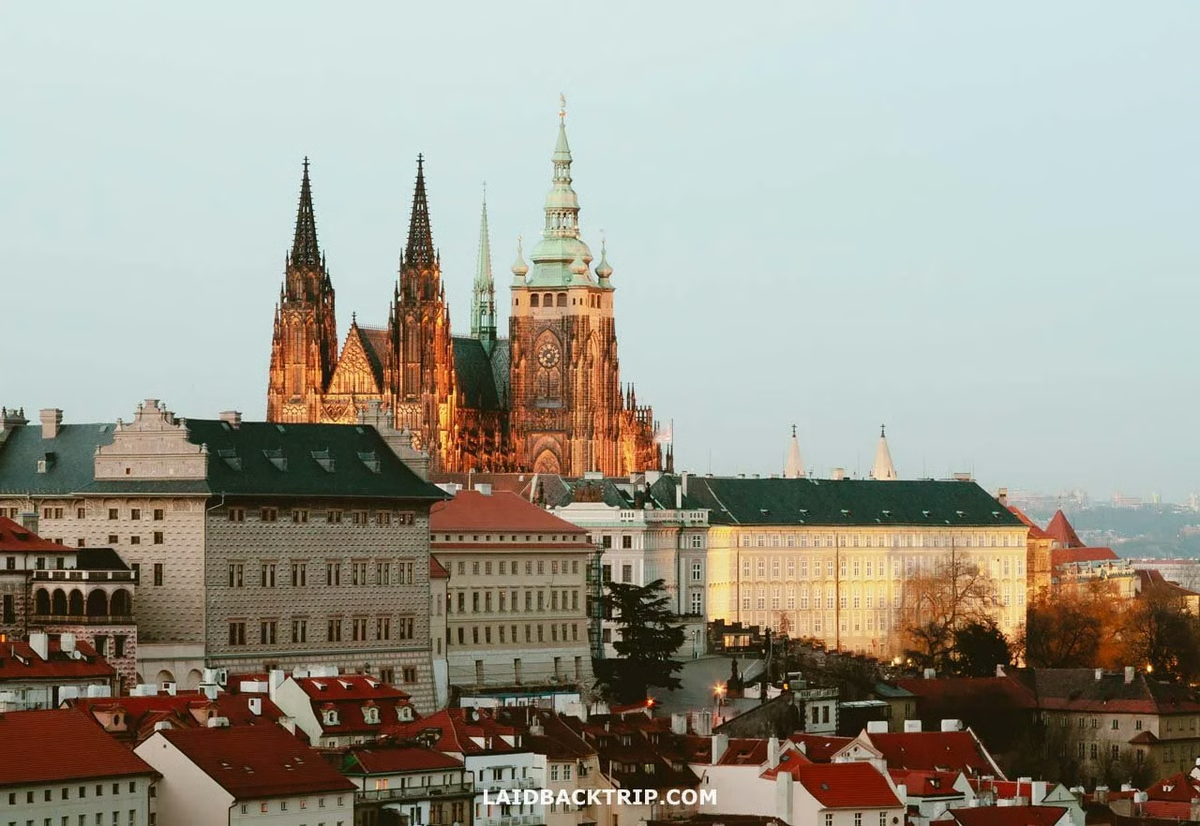
Prague Castle dominates the city from above the Vltava.
The complex includes:
- St. Vitus Cathedral
- Historic courtyards
- Palaces
- Golden Lane
- Viewpoints
It is much larger than many visitors expect.
Allow several hours.
Do not combine it with too many other major attractions on the same day.
Old Town Square
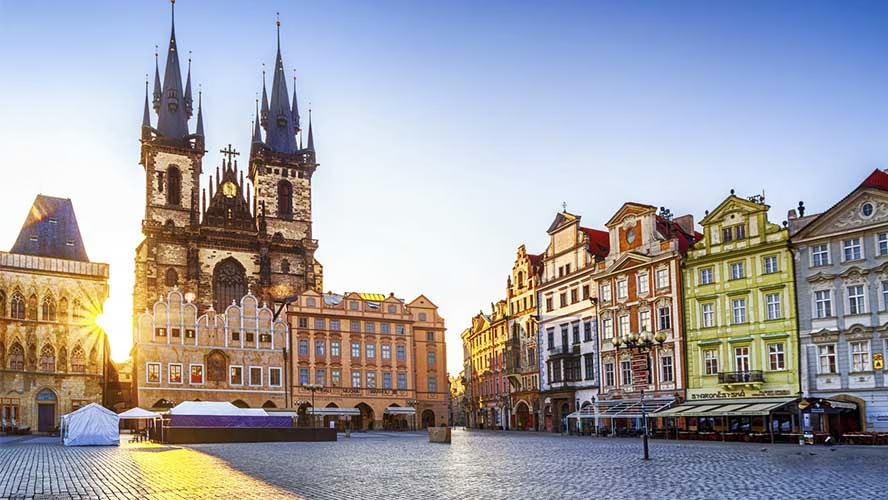
Old Town Square is Prague at its most theatrical.
Gothic towers.
Baroque buildings.
Street activity.
Restaurants.
The Astronomical Clock.
It is beautiful, but extremely tourist-heavy.
Visit the square.
Then walk ten minutes away from it.
Prague gets much more interesting once you leave the most photographed streets.
Astronomical Clock
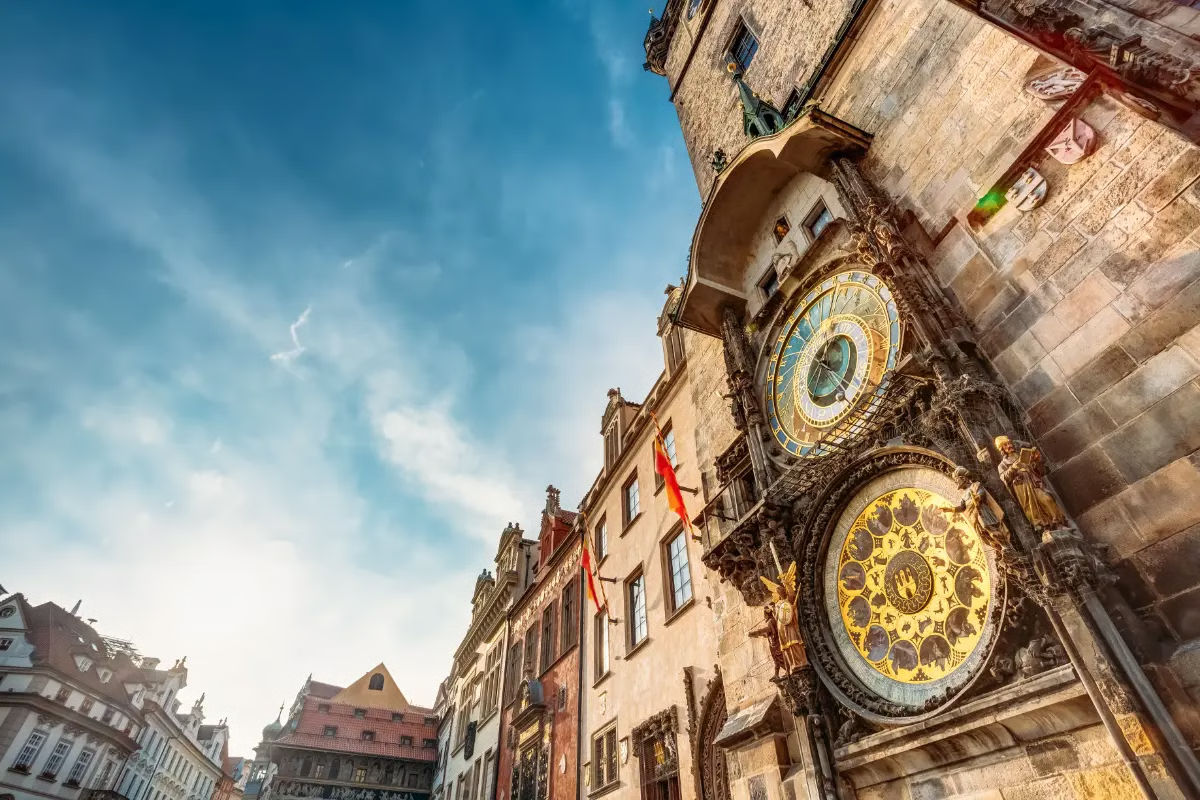
The Astronomical Clock is one of the city’s iconic landmarks.
Visitors gather before the hour to watch its short display.
Enjoy it for what it is, but don’t build your day around it.
The surrounding architecture is more impressive than the performance itself.
Malá Strana
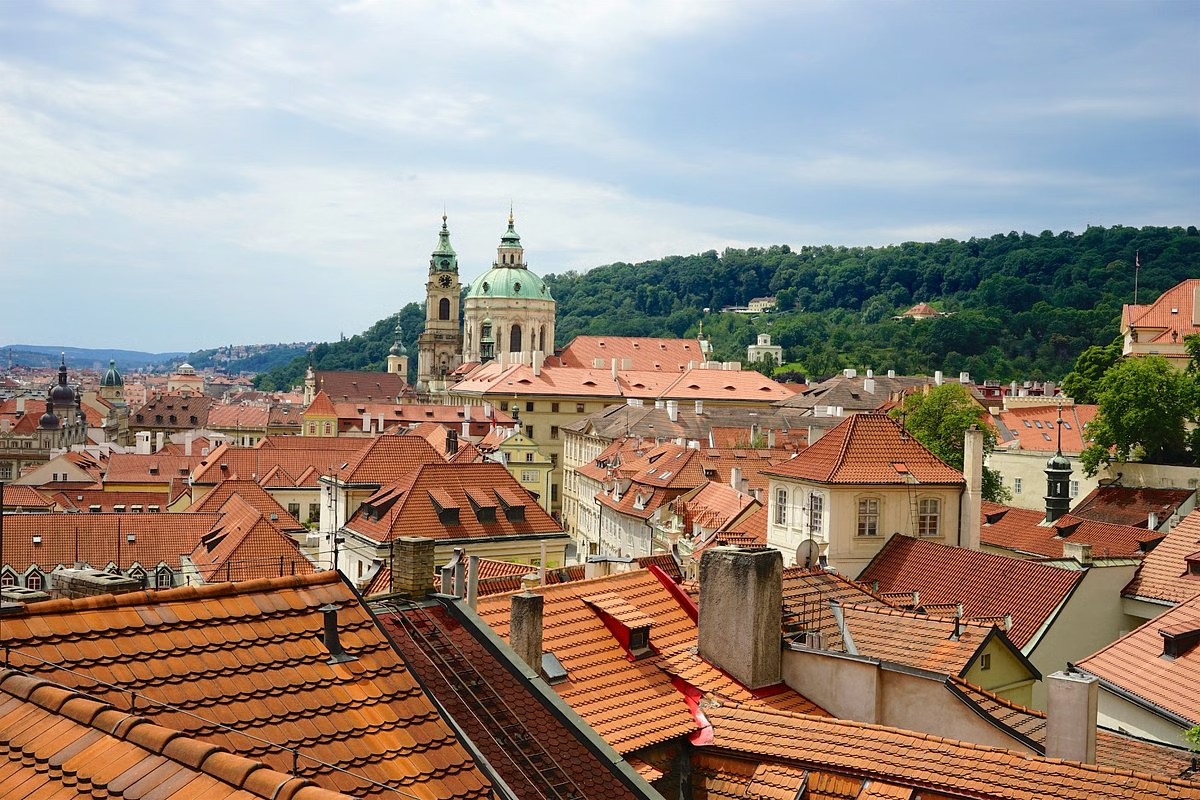
Malá Strana, or the Lesser Town, sits beneath Prague Castle.
It is one of the most atmospheric areas in the city.
Expect:
- Baroque buildings
- Quiet side streets
- Gardens
- Churches
- Hillside views
Spend time wandering without a strict route.
Letná
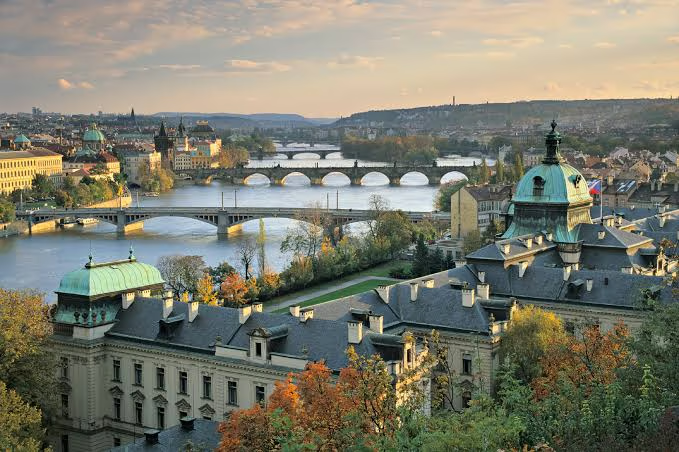
Letná offers excellent views across Prague’s bridges and rooftops.
It also gives you a more local atmosphere than Old Town.
The surrounding park is especially pleasant in warmer weather.
Prague Beyond the Postcard
One of the biggest mistakes first-time visitors make is staying entirely inside the Old Town.
Explore neighbourhoods such as:
- Vinohrady
- Holešovice
- Karlín
- Žižkov
You will find:
- Cafés
- Restaurants
- Local bars
- Parks
- Fewer souvenir shops
This is where Prague begins to feel like a living city rather than a preserved attraction.
Český Krumlov
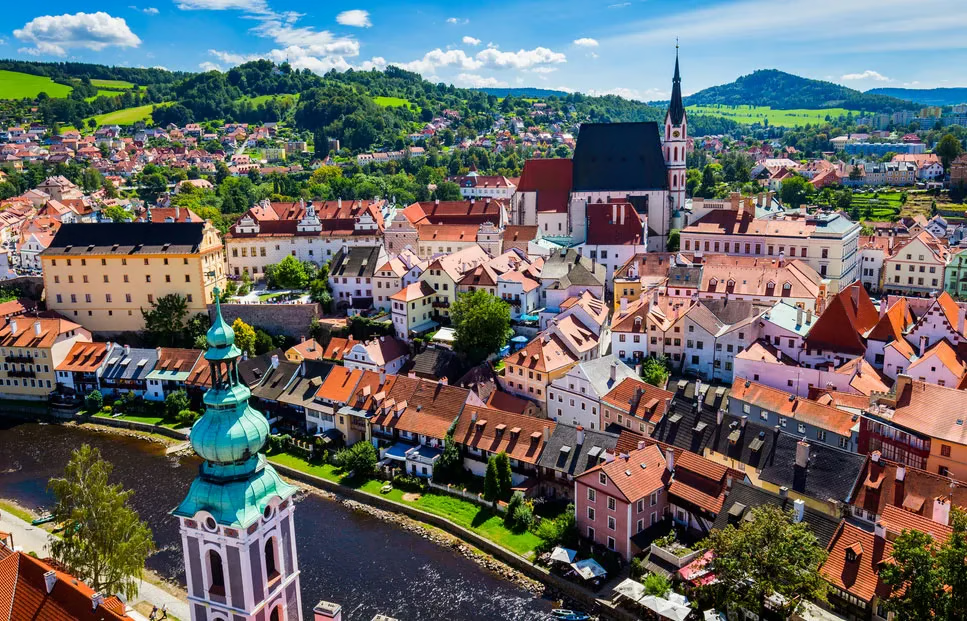
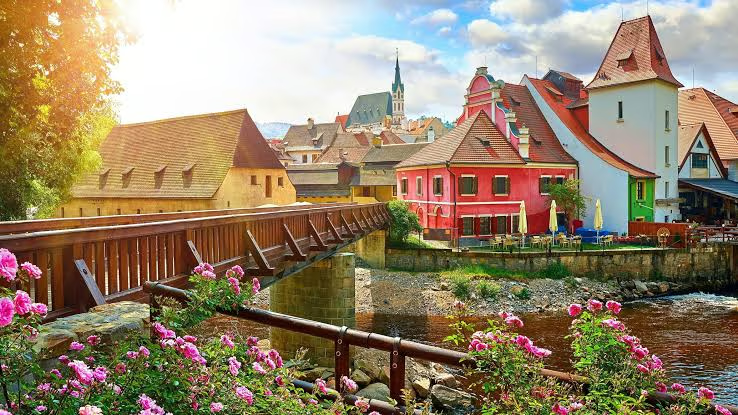
Český Krumlov is one of the Czech Republic’s most beautiful small towns.
Its historic centre wraps around the Vltava River beneath a large castle complex.
Expect:
- Narrow streets
- Renaissance and Baroque architecture
- River views
- Historic houses
- Castle gardens
It is frequently visited as a day trip.
That is convenient.
But it is not always the best way to experience it.
Atlas Insider Tip: Stay Overnight in Český Krumlov
If your itinerary allows, spend one night.
The town can become very busy during the day.
After tour groups leave, the streets quieten dramatically.
Morning and evening are when Český Krumlov feels most atmospheric.
This is a recurring lesson across Europe:
Beautiful small towns often deserve one night more than another rushed day trip.
Karlovy Vary
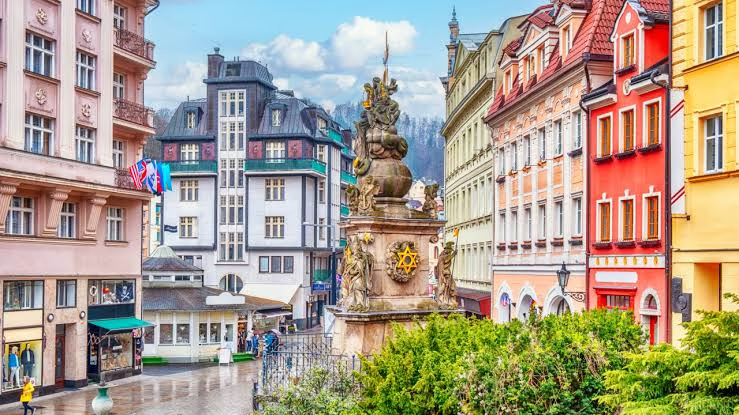
Karlovy Vary is one of the country’s famous spa towns.
It is known for:
- Elegant colonnades
- Thermal springs
- Historic spa culture
- Colourful architecture
It works well for travellers who want a slower day away from Prague.
Kutná Hora
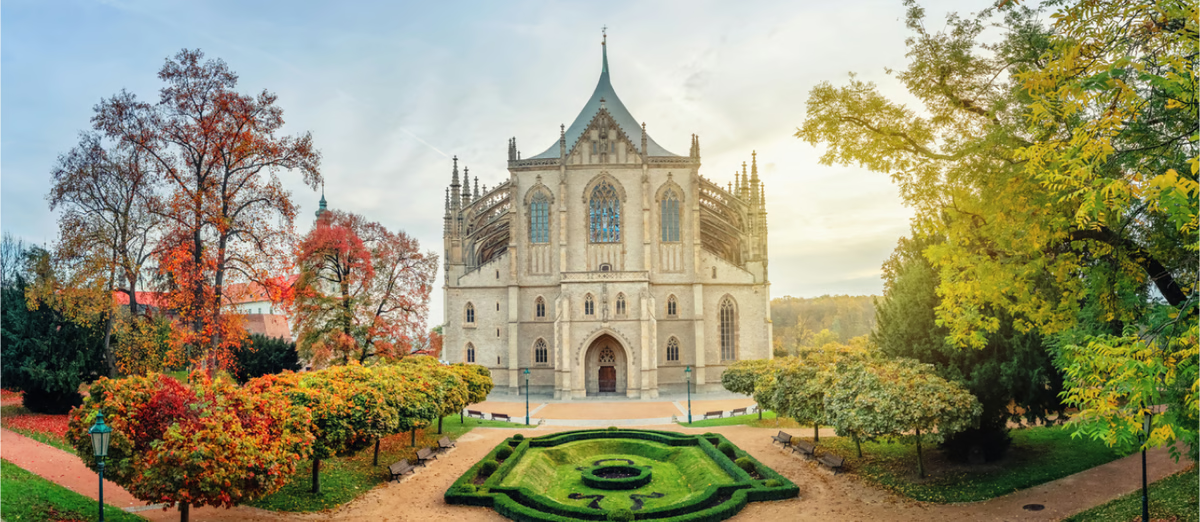
Kutná Hora is another popular excursion from Prague.
Its most unusual attraction is the Sedlec Ossuary, often called the Bone Church.
The town also offers:
- St. Barbara’s Church
- Historic streets
- Medieval architecture
It is a good option for travellers interested in history and something different from the classic Prague experience.
Brno
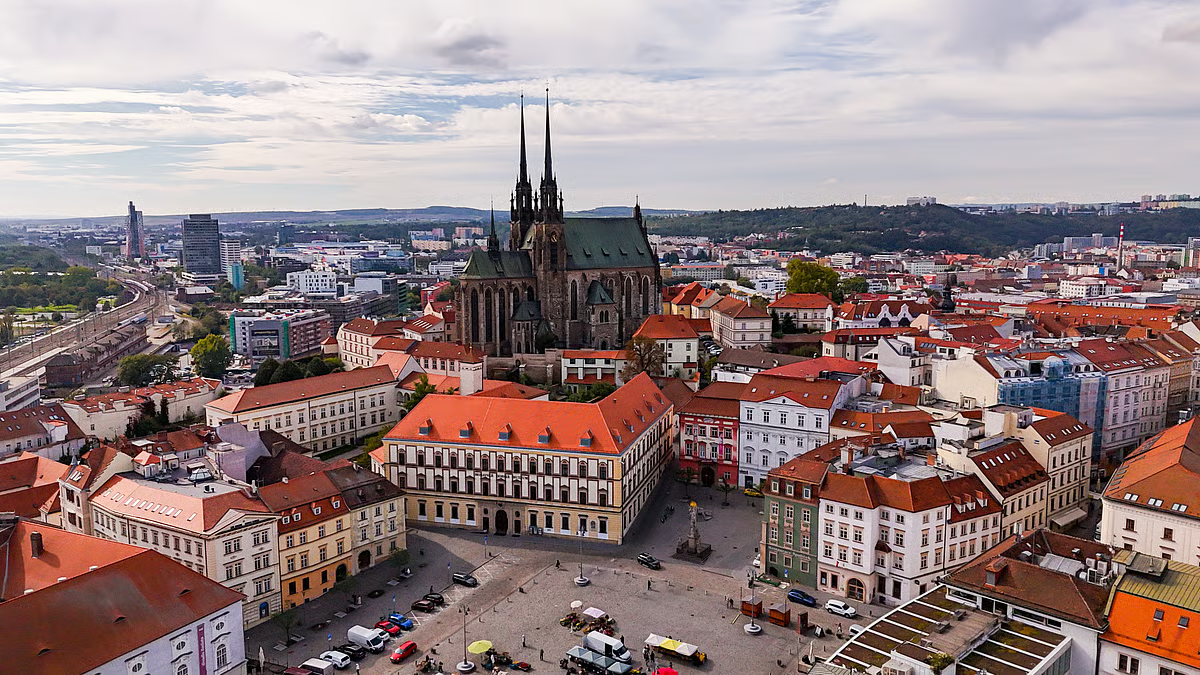
Brno is the Czech Republic’s second-largest city.
It receives far fewer international tourists than Prague.
That is part of its appeal.
The city offers:
- Cafés
- Architecture
- Student energy
- Restaurants
- Nearby wine country
It works particularly well for repeat visitors or travellers heading toward Vienna.
Moravia
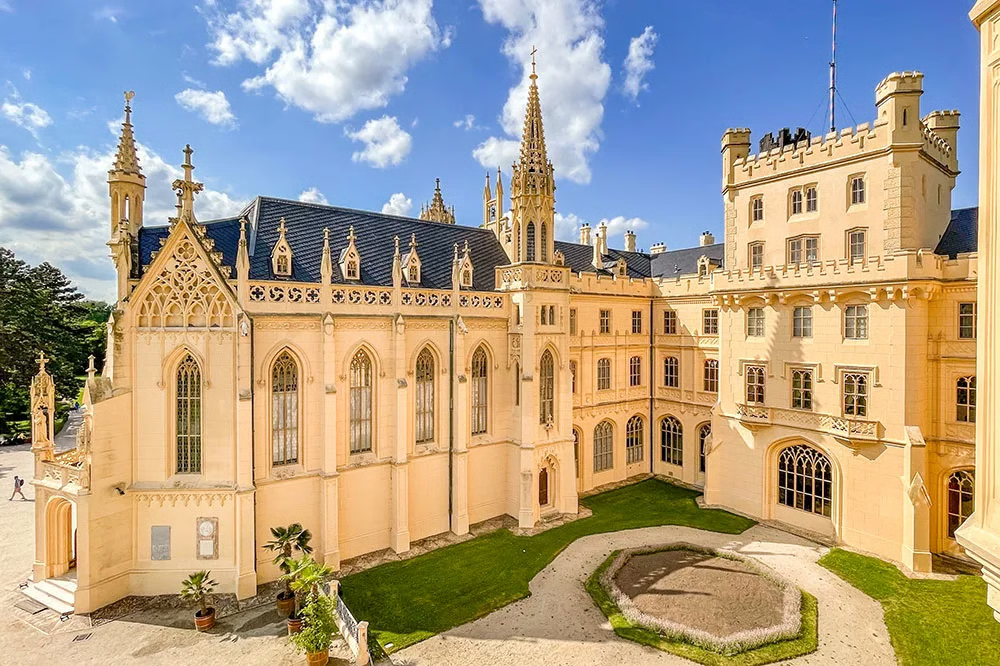
Moravia gives you another side of the country.
The region is known for:
- Vineyards
- Wine villages
- Countryside
- Castles
- Smaller cities
Travellers interested in food and wine should look beyond Prague.
Czech Castles
The Czech Republic has an extraordinary number of castles and châteaux.
Popular options include:
- Karlštejn
- Hluboká
- Lednice
- Konopiště
Some operate on reduced schedules outside the warmer months.
Always check seasonal opening information before building a trip around a specific castle.
Karlštejn Castle
Karlštejn is one of the easiest castle trips from Prague.
Its hilltop setting is dramatic.
The walk through the village toward the castle is part of the experience.
Spring and autumn are particularly pleasant.
Christmas in Prague
Prague becomes especially atmospheric in December.
The Old Town and Wenceslas Square are typically central to the festive experience.
Expect:
- Market stalls
- Lights
- Seasonal food
- Hot drinks
- Christmas decorations
The city becomes busy around weekends and the festive period, so accommodation should be booked early.
Christmas Markets Beyond Prague
Prague gets the attention, but other Czech cities also host festive markets.
Consider:
- Brno
- Olomouc
- Český Krumlov
Smaller markets can feel more intimate and local.
Exact dates vary each year, so always confirm schedules before booking around a specific market.
Czech Beer Culture
Beer is deeply woven into Czech culture.
The country has a long brewing tradition, and beer is often treated as an everyday part of social life rather than a luxury product.
Popular styles include pale lagers and regional craft beers.
For travellers who drink, visiting a traditional pub can be part of understanding local culture.
For those who do not, the country still has far more to offer than beer tourism.
What Should You Eat?
Czech cuisine is hearty and particularly suited to colder weather.
Svíčková
A traditional dish often served with dumplings and a creamy vegetable-based sauce.
Goulash
Czech versions differ from the Hungarian original and are commonly served with bread dumplings.
Dumplings
Bread and potato dumplings appear frequently alongside main dishes.
Fried Cheese
A surprisingly popular casual dish and useful option for some vegetarian travellers.
Koláče
Traditional pastries with sweet fillings.
Vegetarian Travel in the Czech Republic
Vegetarian travel is easy in Prague and increasingly straightforward in other cities.
Prague has:
- Vegan cafés
- Vegetarian restaurants
- International cuisine
- Modern Czech restaurants with plant-based options
Traditional Czech menus can be meat-heavy, especially outside major cities.
A little advance research helps.
Prague for Couples
Prague works exceptionally well for couples.
Think:
- River walks
- Historic hotels
- Castle views
- Evening concerts
- Café stops
- Quiet side streets
It can feel romantic without requiring a luxury-level budget.
Spring, autumn and December are especially atmospheric.
Prague for Families
Families can also enjoy Prague.
Good experiences include:
- Castle grounds
- River cruises
- Trams
- Parks
- Towers and viewpoints
The historic centre involves plenty of walking on cobbled streets, so footwear matters.
Getting Around Prague
Public transport is excellent.
You can use:
- Metro
- Trams
- Buses
Most major central attractions are also walkable.
A rental car is unnecessary for Prague itself.
The Prague Tram Experience
Trams are not merely practical.
They are one of the best ways to watch the city unfold.
Take a route through central and residential areas when you are not in a hurry.
You will see far more than by moving underground on the metro all day.
Czech Republic by Train
Train travel works well between major cities and neighbouring countries.
Prague connects naturally with:
- Vienna
- Berlin
- Dresden
- Budapest
- Bratislava
This makes the Czech Republic ideal for a broader Central European itinerary.
Prague + Vienna
One of the easiest combinations is:
Prague → Vienna
You get two grand Central European capitals with very different personalities.
Prague feels more medieval and intimate.
Vienna feels more imperial and formal.
They complement each other beautifully.
Prague + Budapest
Another classic route is:
Prague → Vienna → Budapest
This creates one of Europe’s best first-time multi-city rail journeys.
You get:
- Gothic Prague
- Imperial Vienna
- Thermal-bath Budapest
without needing any internal flights.
How Many Days Do You Need?
3 Days
Prague highlights
4 to 5 Days
Prague + one day trip
6 to 7 Days
Prague + Český Krumlov + another region
8 to 10 Days
Excellent for a broader Czech Republic itinerary
For most first-time visitors, 5 to 7 days works very well.
A Good First-Time Czech Republic Route
A balanced trip could be:
Prague → Český Krumlov → Prague
With more time:
Prague → Český Krumlov → Brno
or
Prague → Karlovy Vary → Český Krumlov
For a multi-country itinerary:
Prague → Vienna → Budapest
Travel Tips Before You Go
- Visit in May, June or September for an excellent first trip.
- See Charles Bridge early in the morning.
- Give Prague at least three nights.
- Explore neighbourhoods beyond Old Town.
- Stay overnight in Český Krumlov if possible.
- Use trains between major cities.
- Check castle opening schedules outside summer.
- Pack comfortable shoes for cobblestones.
- Book December accommodation early.
- Don’t treat Prague as the entire country.
Quick Summary
| Travel Goal | Best Time |
|---|---|
| Overall Best Time | April-June, September-October |
| Prague | April-June, September-December |
| Český Krumlov | May-June, September-October |
| Castles | May-September |
| Christmas Markets | Late November-December |
| Couples | May-June, September-December |
| Photography | May, September-October, December |
| Fewer Crowds | January-March, November |
Frequently Asked Questions
What is the best month to visit the Czech Republic?
May, June and September are among the strongest months for a first-time visit.
How many days are enough for Prague?
Three full days is a good minimum. Four days lets you explore neighbourhoods beyond the major landmarks.
How many days are enough for the Czech Republic?
Around 5 to 7 days works well for Prague plus one or two additional destinations.
Is Český Krumlov worth visiting?
Yes. It is one of the country’s most beautiful historic towns, especially if you stay overnight and experience it outside peak day-trip hours.
Is Prague expensive?
Prague is no longer the ultra-cheap European city it was once perceived to be, especially in the historic centre. However, it can still offer good value compared with several Western European capitals if you eat and stay outside the most tourist-heavy streets.
Prague or Vienna?
Choose Prague for Gothic architecture, intimate old streets and a more compact historic atmosphere.
Choose Vienna for imperial palaces, classical music and grand café culture.
The better answer is often to combine them.
Continue Exploring on Mindflix Atlas
- Best Time to Visit Austria
- Best Time to Visit Germany
- Best Time to Visit the Netherlands
- Best Time to Visit Belgium
- Best Time to Visit Switzerland
- Best Time to Visit Every Country
- Czech Republic Travel Guide (Coming Soon)
- Prague Travel Guide (Coming Soon)
- The Perfect 5-Day Prague Itinerary (Coming Soon)
- Prague + Vienna + Budapest Itinerary (Coming Soon)
- Prague vs Vienna (Coming Soon)
- Best Christmas Markets in Central Europe (Coming Soon)
- Best Medieval Cities in Europe (Coming Soon)
Prague may be the reason you book the ticket, but it does not have to be the whole journey.
See the bridge before the crowds arrive.
Stay for another coffee.
Take the tram beyond Old Town.
Spend a night in a smaller city.
Watch the castle lights reflect across the river after dark.
The Czech Republic rewards travellers who stop treating it as a two-night Prague stopover.
Slow it down, and the country becomes far richer than the postcard version suggests.
Mindflix Atlas helps you understand the destination before you book it, so you can travel smarter and experience more.