
Best Time to Visit Ecuador: Galápagos, Quito, Andes & Month-by-Month Guide (2026)
Jay Vora
Founder & CEO
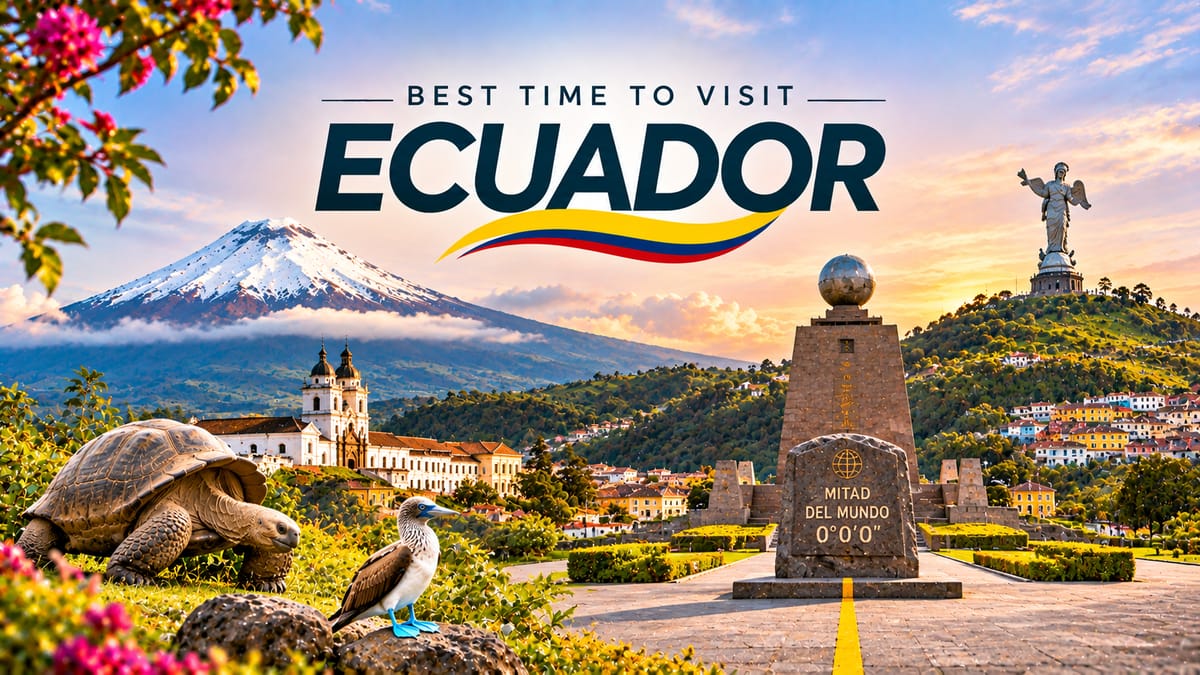
Best Time to Visit Ecuador
Ecuador is a small country with an unusually large number of travel personalities.
You can walk through the historic centre of Quito in the morning.
Drive into the Andes.
Stand beneath volcanoes.
Travel into Amazon rainforest.
And then fly west to islands where sea lions lie beside footpaths and giant tortoises move through volcanic landscapes.
That variety is what makes Ecuador so interesting.
For many first-time travellers, June to September and December to February are strong periods, depending on which regions matter most.
But the Galápagos follows its own seasonal rhythm.
The Andes follow another.
And the Amazon is visitable year-round with changing rainfall patterns.
So the smartest way to plan Ecuador is not by asking for one perfect month.
It is by deciding which version of Ecuador matters most to you.
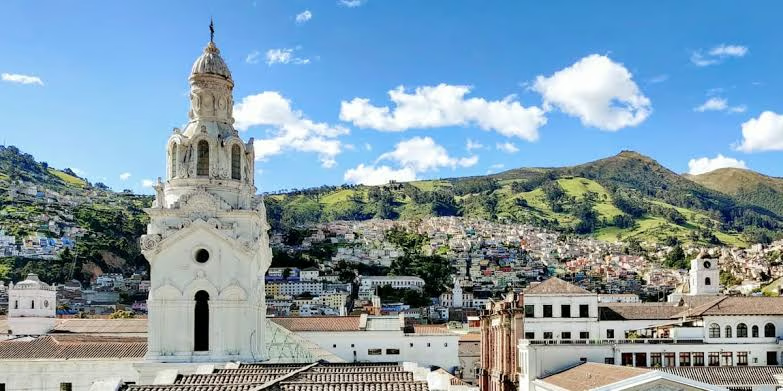
Understanding Ecuador’s Climate
Ecuador sits on the equator.
That means temperature changes through the year are often less dramatic than changes in rainfall, altitude and ocean conditions.
Broadly, travellers should think in terms of regions:
- Andes
- Amazon
- Pacific coast
- Galápagos Islands
Altitude matters enormously.
Quito can feel cool even though it lies almost directly on the equator.
The Best Time for the Andes
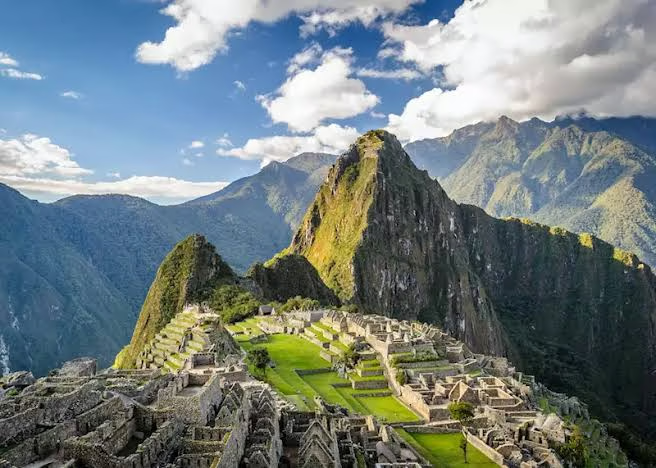
For Quito, Cotopaxi and the highlands, June to September often offers drier conditions and clearer skies.
This is a good period for:
- Mountain views
- Hiking
- Road trips
- Colonial cities
- Photography
The trade-off is stronger sun at altitude and cooler evenings.
The Best Time for the Galápagos
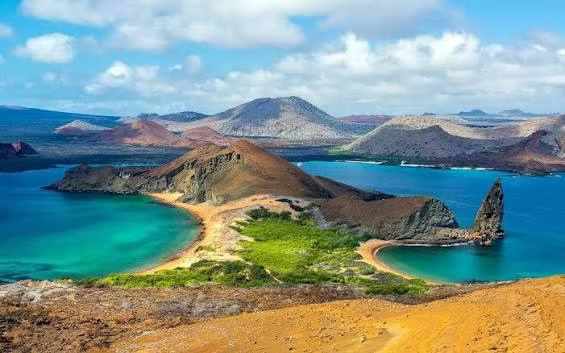
The Galápagos can be visited year-round.
But there are two broad seasonal patterns.
Warmer, Wetter Period
Roughly December to May.
Expect:
- Warmer water
- Warmer air
- More tropical conditions
- Occasional showers
- Calmer seas
Cooler, Drier Period
Roughly June to November.
Expect:
- Cooler water
- Stronger marine productivity
- More overcast conditions at times
- Rougher seas on some days
Wildlife remains the main attraction throughout the year.
The “best” season depends on what you want to see and how you prefer to travel.
Ecuador Month by Month
January
A strong month for warmer Galápagos conditions.
Quito and the Andes can experience mixed weather.
Best for: Galápagos and warmer-water travel.
February
Warm conditions continue in the islands.
Good for wildlife trips and beach-oriented Galápagos experiences.
March
One of the warmer and wetter periods in the Galápagos.
The islands can feel lush and tropical.
April
Still strong for warmer seas.
The Andes may receive more rain.
May
A transition month.
Good for travellers who want fewer crowds and flexible conditions.
June
Drier conditions strengthen in the Andes.
The Galápagos moves toward cooler-water conditions.
July
One of the best months for mountain travel.
Excellent for Quito, Cotopaxi and Andean road trips.
August
Strong for highland travel.
Good visibility often makes this a popular hiking month.
September
Excellent for the Andes.
The Galápagos can be cooler and windier.
October
A quieter shoulder-season month.
Good for travellers who value lower visitor numbers.
November
Transitional conditions.
A useful month for combining mainland Ecuador and the Galápagos.
December
Warmer conditions begin returning to the islands.
Festive-season demand can increase.
Best Time Based on Your Travel Style
First-Time Ecuador Trip
June-September, December-February
Quito
June-September
Andes
June-September
Cotopaxi
June-September
Galápagos
Year-round
Warmer Galápagos Seas
December-May
Marine Wildlife Activity
June-November
Amazon
Year-round
Quito
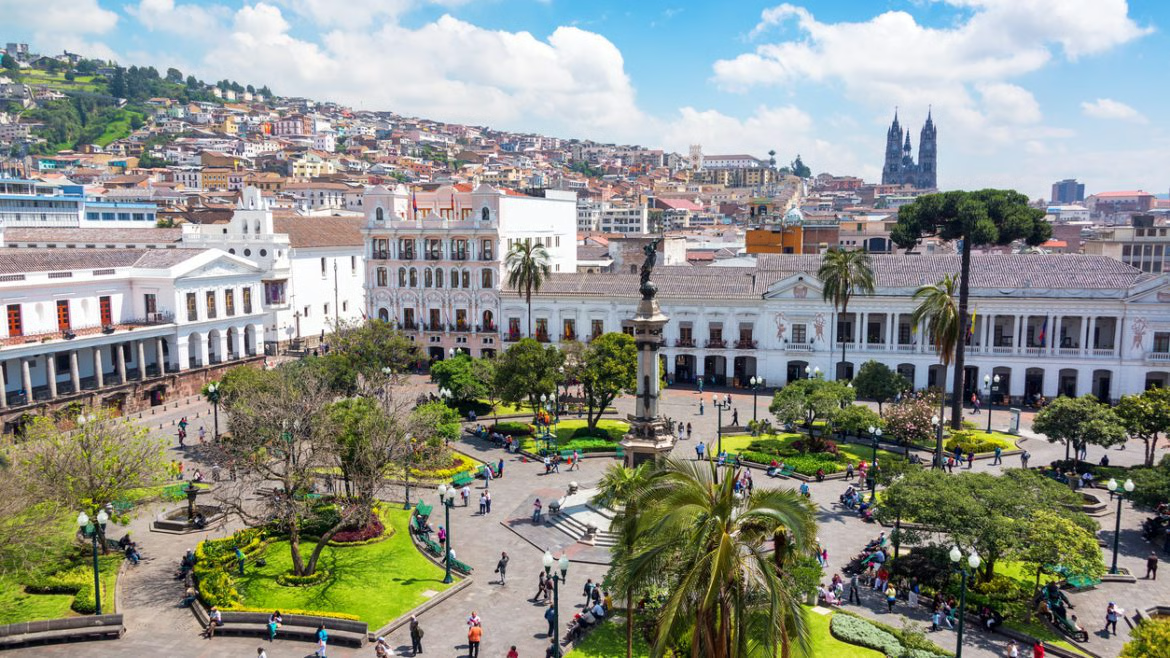
Quito is one of South America’s most distinctive capitals.
It sits high in the Andes and combines:
- Colonial architecture
- Churches
- Mountain views
- Markets
- Modern neighbourhoods
The historic centre is one of the city’s main highlights.
Give Quito at least two nights.
Quito’s Altitude
Quito sits at roughly 2,850 metres above sea level.
That matters.
Some visitors experience:
- Headaches
- Fatigue
- Shortness of breath
Take the first day slowly.
Hydrate well.
Avoid overloading the itinerary immediately after arrival.
Atlas Insider Tip
Do not arrive in Quito and immediately schedule Cotopaxi or another high-altitude excursion the next morning.
Give yourself time to adjust.
Ecuador looks compact on the map, but altitude can make short distances feel much more demanding.
Quito Old Town
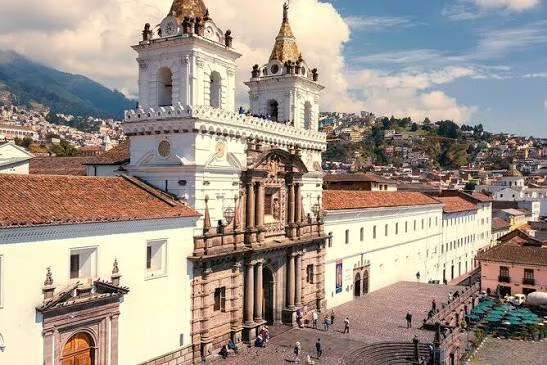
Quito’s historic centre is one of the best places to understand the city.
Expect:
- Plazas
- Churches
- Colonial façades
- Hills
- Street life
Walk slowly.
The elevation and slopes make rushing unnecessary anyway.
Cotopaxi
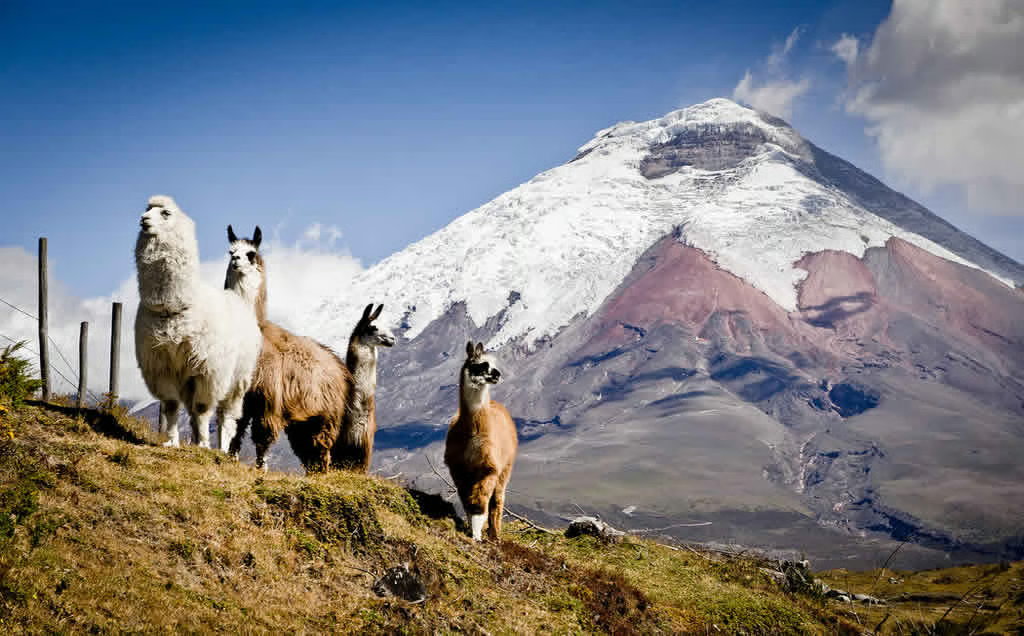
Cotopaxi is one of Ecuador’s most iconic volcanoes.
The surrounding national park offers:
- High-altitude landscapes
- Hiking
- Mountain views
- Wildlife
- Dramatic weather
Conditions can change quickly.
Clear mornings are often your best opportunity for mountain visibility.
Atlas Insider Tip: Mountains First, Museums Later
In the Andes, weather should influence your order of sightseeing.
If Cotopaxi or another volcano is perfectly clear in the morning, prioritise it.
Museums will still be there later.
Mountain visibility may not be.
Baños
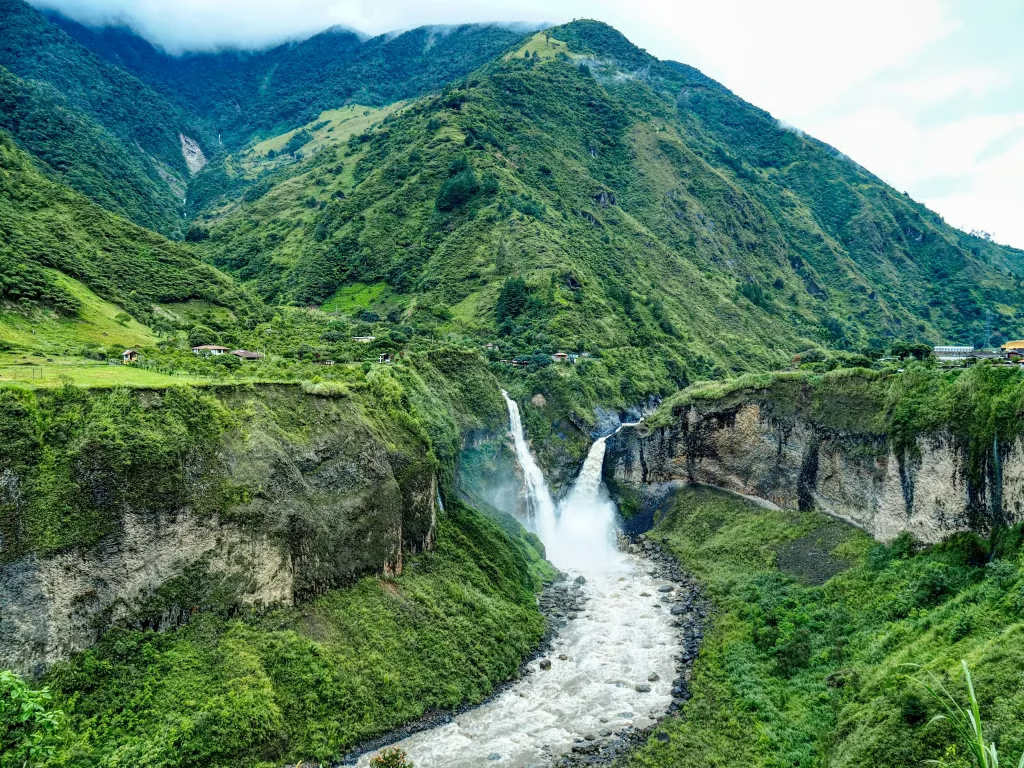
Baños is one of Ecuador’s most popular adventure towns.
Travellers come for:
- Waterfalls
- Hot springs
- Cycling
- Hiking
- Adventure sports
It works well as a stop between Quito and other parts of the country.
The Route of the Waterfalls
The road around Baños passes multiple waterfalls and dramatic mountain scenery.
It can be explored by:
- Bicycle
- Guided tour
- Car
The journey itself is the attraction.
Cuenca

Cuenca is one of Ecuador’s most attractive colonial cities.
It feels calmer than Quito and works well for travellers who enjoy slower city stays.
Expect:
- Historic architecture
- Cafés
- Churches
- Nearby countryside
Two to three nights works well.
The Avenue of the Volcanoes
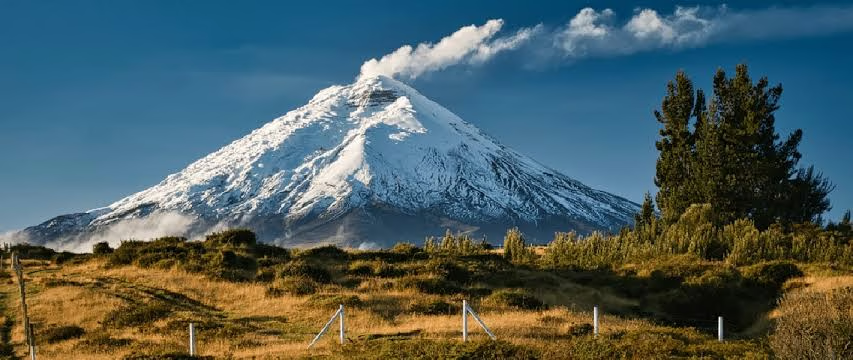
The corridor south of Quito passes through some of Ecuador’s most dramatic Andean landscapes.
It includes views toward major volcanoes and highland towns.
A road trip here can be one of the best ways to understand the country beyond individual attractions.
Quilotoa
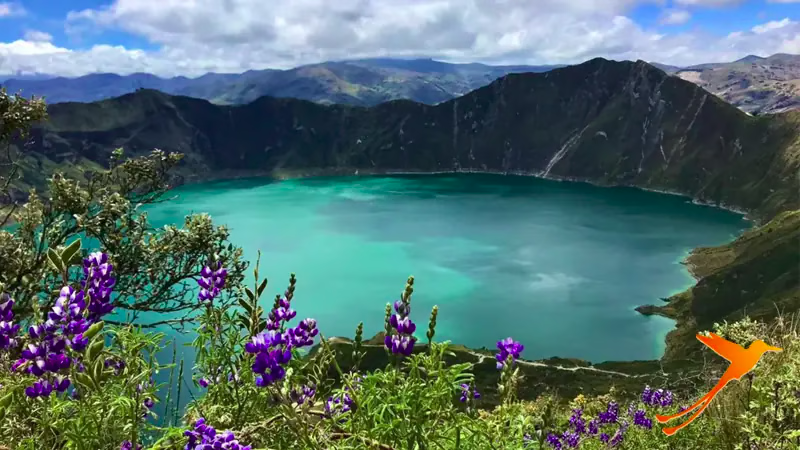
Quilotoa is famous for its crater lake.
The landscape is especially striking in clear weather.
Some travellers visit as a day trip.
Others include it as part of a longer Andean route.
Altitude again matters.
The Amazon in Ecuador
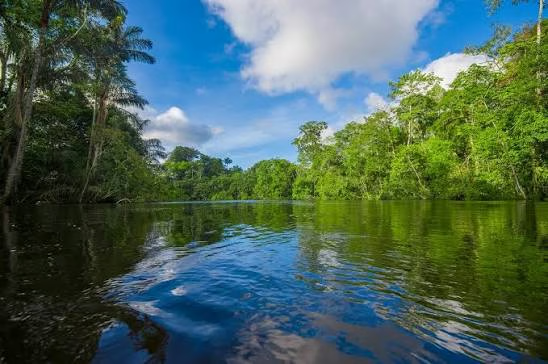
Ecuador’s Amazon is smaller in scale than Brazil’s but can be easier to include in a shorter itinerary.
Popular experiences include:
- Jungle lodges
- River journeys
- Wildlife watching
- Birding
- Community-led experiences
It works especially well for travellers who want to combine mountains and rainforest in one trip.
Tena
Tena is one of the more accessible gateways into Ecuadorian Amazon travel.
It can be reached overland from the Andes and suits shorter jungle extensions.
Deeper Amazon Lodges
For a more immersive experience, travellers may choose remote lodges reached by river or small aircraft.
These trips can offer:
- More wildlife
- Fewer roads
- Longer excursions
- Deeper rainforest immersion
They usually require more time and budget.
Galápagos Islands
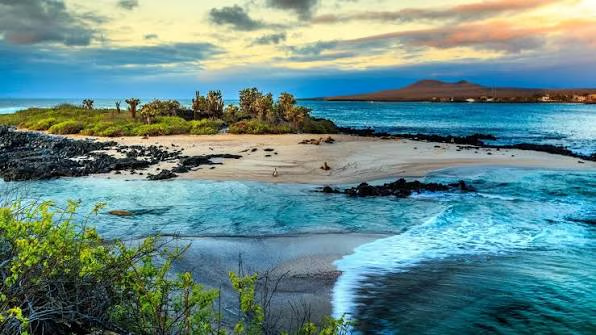
The Galápagos are the headline.
But they are not a conventional beach holiday.
You come for:
- Wildlife
- Volcanic landscapes
- Snorkelling
- Natural history
- Conservation
Animals often show remarkably little fear of humans.
That does not mean visitors should approach them casually.
Distance rules matter.
Giant Tortoises
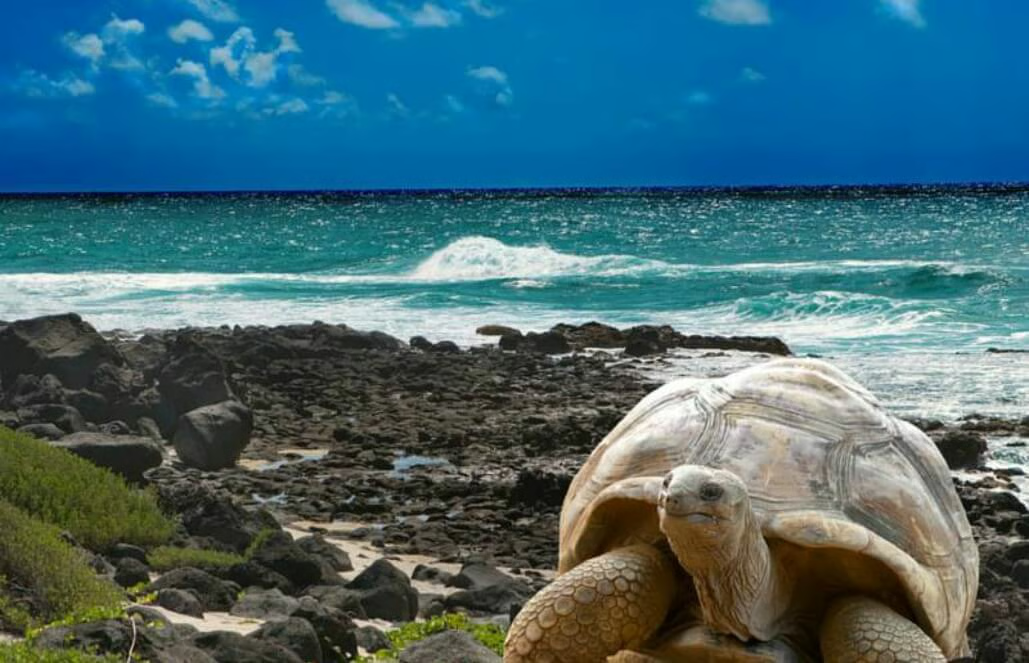
Giant tortoises are among the Galápagos’ most famous species.
Different islands offer different opportunities to see them.
Some experiences involve:
- Highlands
- Reserves
- Breeding centres
Seeing them in natural landscapes is one of the islands’ defining experiences.
Marine Iguanas
Marine iguanas are found nowhere else on Earth.
They are adapted to feeding in the ocean and are one of the clearest examples of how unusual Galápagos evolution can be.
Sea Lions
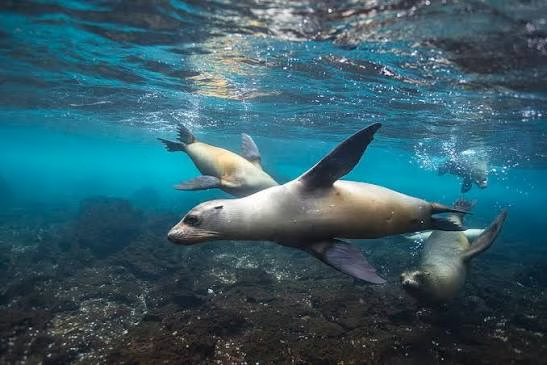
Sea lions are everywhere.
You may encounter them:
- On beaches
- Near docks
- Beside walkways
They are charismatic, but still wild animals.
Keep appropriate distance and follow guide instructions.
Blue-Footed Boobies
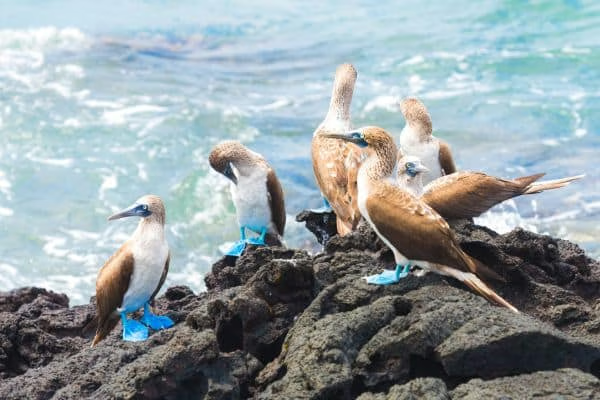
These seabirds are another Galápagos icon.
Their bright blue feet make them instantly recognisable.
They are part of what makes even a short wildlife walk feel completely unlike anywhere else.
Cruise or Land-Based Galápagos?
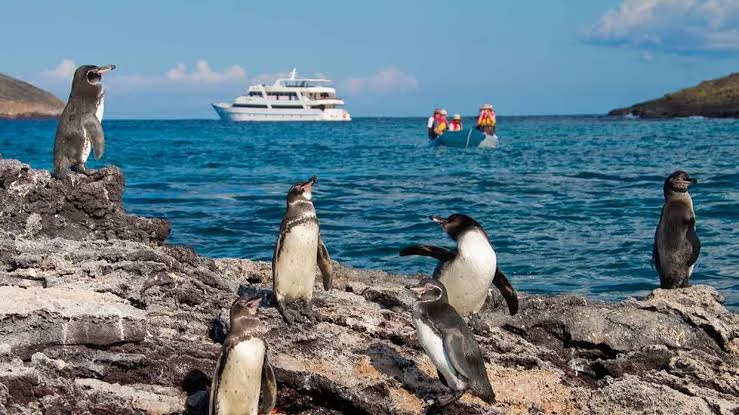
This is one of the biggest planning decisions.
Choose a Cruise for:
- More remote islands
- Efficient wildlife access
- Structured itinerary
- Less daily transport planning
Choose Land-Based for:
- More hotel choice
- More flexibility
- Lower entry barrier in some cases
- More local town time
Neither is automatically better.
Atlas Insider Tip: Pick the Galápagos Experience Before the Hotel
Do not start by choosing a beautiful hotel.
Start by choosing:
- Cruise vs land
- Wildlife priorities
- Islands you want to visit
- Activity level
Then build accommodation around that.
In the Galápagos, itinerary design matters more than room design.
How Many Days Do You Need in the Galápagos?
3 to 4 Days
Too short for most travellers unless highly focused
5 to 6 Days
Good introduction
7 to 8 Days
Excellent for a first visit
9+ Days
Better for broader island coverage
For most first-time travellers, 6 to 8 days works very well.
Galápagos Snorkelling
Snorkelling is one of the best parts of the trip.
You may encounter:
- Sea turtles
- Sea lions
- Rays
- Reef fish
- Marine iguanas
Water temperature varies by season.
A wetsuit may improve comfort during cooler months.
Responsible Galápagos Travel
The islands are environmentally fragile.
Good visitor behaviour includes:
- Staying on marked trails
- Following guide instructions
- Keeping distance from wildlife
- Avoiding touching or feeding animals
- Reducing single-use plastic
- Respecting biosecurity rules
This is not optional etiquette.
It is part of protecting the destination itself.
Ecuador for Couples
Ecuador works especially well for couples who like active travel.
A strong itinerary might be:
Quito → Cotopaxi → Galápagos
or
Quito → Baños → Amazon
It is more experience-led than resort-led.
Ecuador for Families
The Galápagos can be extraordinary for families.
Wildlife encounters are memorable even for children who are not normally interested in museums or history.
Choose:
- Family-friendly guides
- Manageable activity levels
- Realistic boat schedules
Motion sickness should also be considered.
Ecuador for Wildlife Lovers
A serious wildlife trip could combine:
Amazon + Galápagos
The contrast is exceptional.
Rainforest wildlife often requires patience.
Galápagos wildlife can feel much more immediate.
Together, they show two completely different ecosystems.
What Should You Eat in Ecuador?
Ecuadorian food changes by region.
Ceviche
Coastal versions differ from Peruvian ceviche and may use different preparation styles.
Locro de Papa
A hearty potato soup, often served with cheese and avocado.
Llapingachos
Potato patties commonly served with accompaniments.
Hornado
Slow-roasted pork, widely associated with Andean food.
Plantain Dishes
Plantains appear frequently, especially in coastal cuisine.
Vegetarian Travel in Ecuador
Vegetarian travel is relatively easy in Quito, Cuenca and major tourist destinations.
Useful options include:
- Soups
- Rice dishes
- Potatoes
- Plantains
- Corn
- Cheese-based dishes
In smaller towns, confirm whether soups or beans use meat stock.
Getting Around Ecuador
Ecuador is more compact than many South American countries.
That makes overland travel more realistic.
You can combine:
- Quito
- Cotopaxi
- Baños
- Cuenca
without relying on constant flights.
The Galápagos, of course, requires a flight from mainland Ecuador.
Atlas Insider Tip: Ecuador Rewards Overland Travel
Unlike Brazil, Argentina or Chile, Ecuador does not always require domestic flights between major mainland destinations.
Take advantage of that.
The road between places often reveals more than another airport ever will.
How Many Days Do You Need in Ecuador?
5 to 6 Days
Mainland highlights only
7 to 9 Days
Quito + Andes + Amazon or Galápagos
10 to 12 Days
Excellent for mainland + shorter Galápagos trip
14 Days
Ideal for Andes + Amazon + Galápagos
For most first-time travellers, 10 to 14 days works very well.
A Good First-Time Ecuador Route
A strong first trip could be:
Quito → Cotopaxi → Galápagos
With more time:
Quito → Cotopaxi → Baños → Galápagos
For nature lovers:
Quito → Amazon → Galápagos
The best route depends on whether mountains, rainforest or wildlife matter most.
Ecuador vs Peru
Choose Ecuador for:
- Galápagos
- Compact overland travel
- Volcanoes
- Easier combination of Andes + Amazon
Choose Peru for:
- Machu Picchu
- Inca history
- Sacred Valley
- Stronger archaeology focus
Both are excellent first South America destinations.
Ecuador vs Costa Rica
Choose Ecuador for:
- Galápagos
- Andes
- Colonial cities
- Volcanoes
- Amazon
Choose Costa Rica for:
- Easier eco-tourism circuits
- Rainforest lodges
- Beach + jungle combinations
- Strong adventure tourism infrastructure
Both are excellent for wildlife-focused travellers.
Travel Tips Before You Go
- Visit June to September for easier Andean weather.
- Treat Galápagos as a separate planning project.
- Acclimatise before high-altitude excursions.
- Keep volcano days flexible around weather.
- Choose cruise vs land-based Galápagos before booking hotels.
- Give the islands at least 6 days if possible.
- Respect wildlife distance rules.
- Pack layers for Quito and the Andes.
- Consider motion sickness if taking small boats.
- Verify current Galápagos entry, conservation and biosecurity requirements before travel.
Quick Summary
| Travel Goal | Best Time |
|---|---|
| Overall First Trip | June-September, December-February |
| Quito | June-September |
| Andes | June-September |
| Cotopaxi | June-September |
| Galápagos | Year-round |
| Warmer Galápagos Seas | December-May |
| Marine Wildlife Conditions | June-November |
| Amazon | Year-round |
Frequently Asked Questions
What is the best month to visit Ecuador?
For a broad mainland trip, July, August and September are strong choices. For the Galápagos, the best month depends more on wildlife priorities and sea conditions than on one universally superior period.
What is the best time to visit the Galápagos?
The islands can be visited year-round. December to May generally brings warmer water, while June to November brings cooler, nutrient-rich seas and different wildlife conditions.
How many days are enough for Ecuador?
Around 10 to 14 days works well for mainland Ecuador plus a meaningful Galápagos stay.
Is Quito altitude difficult?
It can be. The city sits at high elevation, so some travellers benefit from a slower first day.
Galápagos cruise or hotel-based trip?
Choose a cruise for efficient access to more remote islands. Choose land-based travel for flexibility and more time in local towns.
Ecuador or Peru?
Choose Ecuador for Galápagos, volcanoes and compact nature travel.
Choose Peru for Machu Picchu, archaeology and Andean history.
Both work extremely well together on a longer South America itinerary.
Continue Exploring on Mindflix Atlas
- Best Time to Visit Peru
- Best Time to Visit Chile
- Best Time to Visit Argentina
- Best Time to Visit Brazil
- 50 International Destinations Every Indian Traveller Should Experience at Least Once
- Ecuador Travel Guide (Coming Soon)
- Galápagos Travel Guide (Coming Soon)
- Quito Travel Guide (Coming Soon)
- The Perfect 12-Day Ecuador Itinerary (Coming Soon)
- Galápagos Cruise vs Land-Based Trip (Coming Soon)
- Ecuador vs Peru (Coming Soon)
- Best South America Destinations for First-Time Travellers (Coming Soon)
Ecuador is one of those rare countries where the map looks small but the journey feels enormous.
A few hours can take you from colonial streets to volcanoes.
From mountains to rainforest.
Then one flight takes you into an ecosystem that feels completely separate from the rest of the planet.
That is Ecuador’s strength.
Not size.
Contrast.
Travel it slowly enough, and a small country can feel like several different worlds.
Mindflix Atlas helps you understand the destination before you book it, so you can travel smarter and experience more.