
Best Time to Visit Finland | Lapland, Northern Lights & Month-by-Month Guide
Jay Vora
Founder & CEO
Best Time to Visit Finland
Finland can feel like two completely different countries depending on when you visit.
In winter, the north turns into a snow-covered Arctic landscape.
You can ride a husky sled through forests, meet reindeer, sleep beneath a glass roof and wait for the Northern Lights.
In summer, the same country becomes green, quiet and almost endlessly bright.
Lakes replace snowfields.
Cabins replace ski suits.
And in the far north, the sun barely sets.
For most travellers dreaming of Lapland, snow and Northern Lights, the best time to visit Finland is roughly December to March.
For travellers who want lakes, road trips, hiking and the midnight sun, June to August is stronger.
Finland is not really a year-round destination in the traditional sense.
It is a destination with very different seasonal identities.
Understanding Finland’s Seasons
Finland has four distinct seasons, but latitude changes the experience dramatically.
Southern Finland and Helsinki are much milder than Lapland.
The north gets:
- Longer winters
- More reliable snow
- Much shorter winter daylight
- Much longer summer daylight
Broadly:
- Spring: April to May
- Summer: June to August
- Autumn: September to October
- Winter: November to March
Winter in Finland: December to March
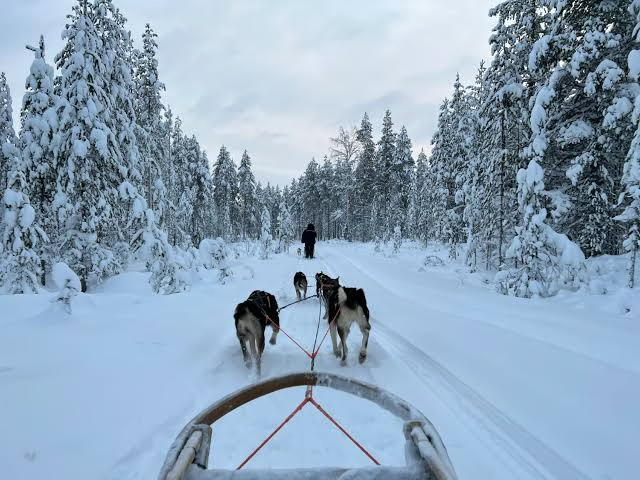
Winter is the season most international travellers picture.
This is when Lapland becomes the main attraction.
Expect:
- Snow
- Frozen forests
- Reindeer
- Husky safaris
- Snowmobiles
- Glass-roof cabins
- Northern Lights opportunities
December is festive.
January and February are colder and often snowier.
March brings longer daylight while keeping strong winter conditions.
For many first-time winter travellers, February and March offer one of the best balances.
Spring in Finland: April to May
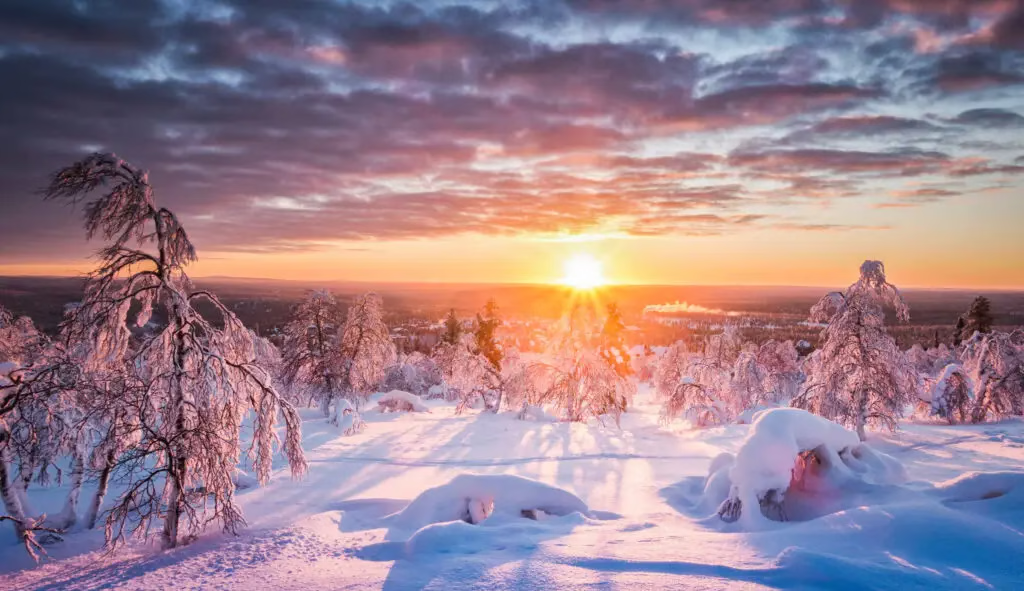 Spring arrives slowly.
April can still feel wintry in the north.
Southern Finland begins thawing much earlier.
May brings much longer days and more comfortable city weather.
Spring is better for:
- Helsinki
- Quieter travel
- City breaks
- Early nature trips
It is less predictable for classic snow-based Lapland experiences.
Summer in Finland: June to August
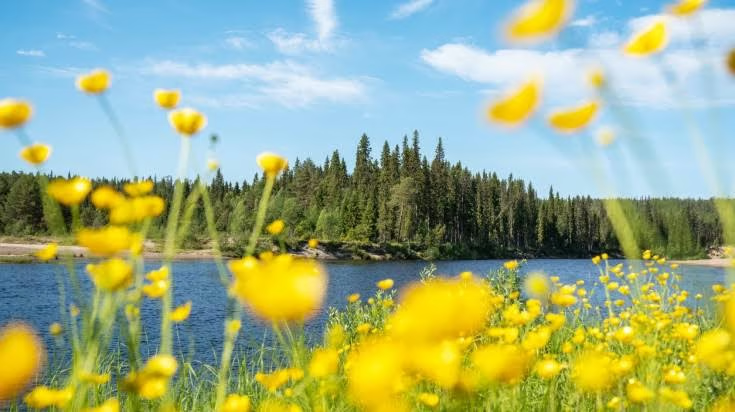
Summer is Finland’s other great season.
The country turns green.
Lakes and forests become the focus.
Days are extremely long.
In northern Finland, the midnight sun creates an almost surreal sense of time.
Summer is ideal for:
- Lakes
- Cabins
- Hiking
- Road trips
- Cycling
- Kayaking
- Helsinki
- Midnight sun
Autumn in Finland: September to November
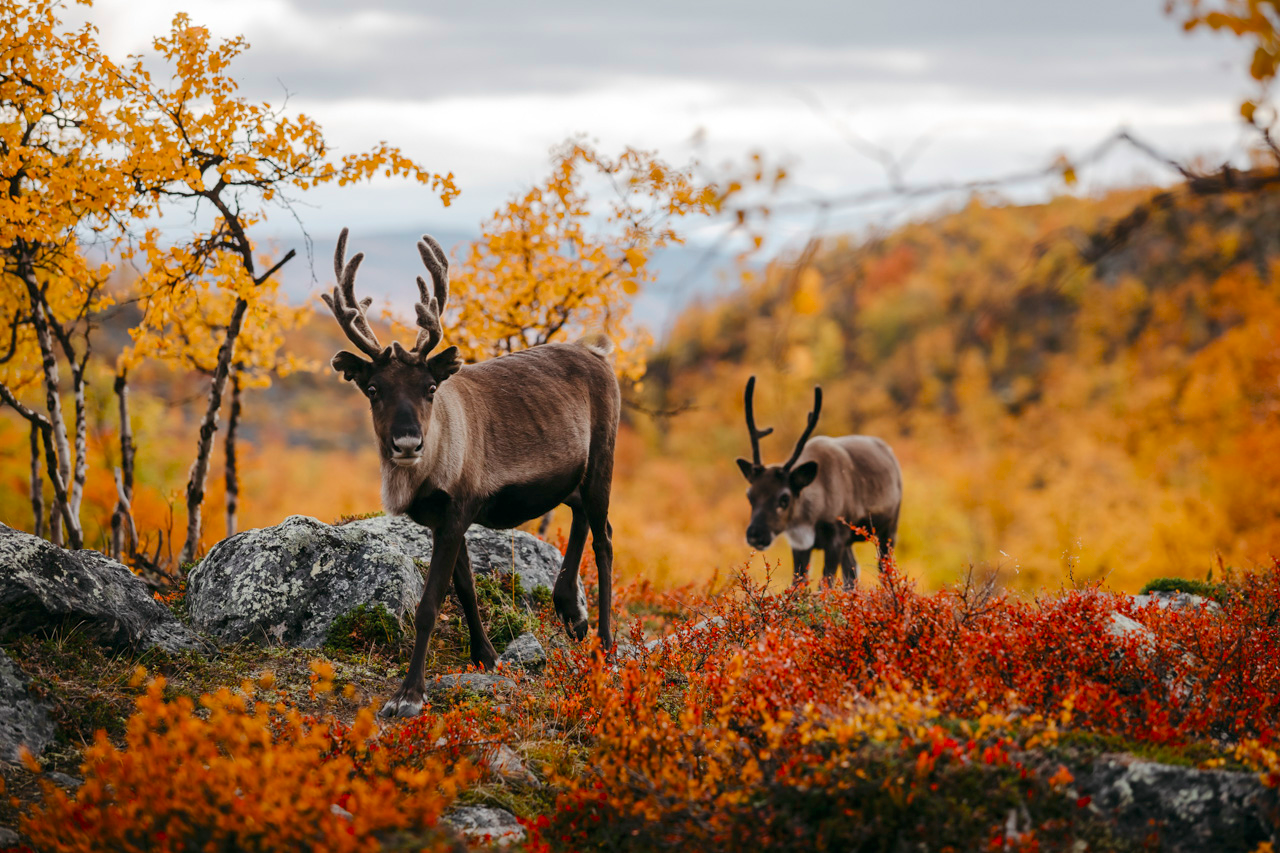
Early autumn can be beautiful.
Lapland experiences a short but dramatic period of autumn colour often called ruska.
September is particularly strong for:
- Hiking
- Photography
- Northern Lights potential
- Fewer crowds
By November, winter conditions begin returning.
Finland Month by Month
January
Deep winter.
Lapland is snow-covered and very cold.
Best for: Snow holidays, huskies, reindeer and Northern Lights.
February
Still firmly winter.
Daylight begins increasing, making outdoor activities easier.
A very strong month for first-time Lapland travel.
March
One of the best winter months.
You get more daylight while retaining snow and Northern Lights chances.
April
A transition month.
Northern Finland may still have winter conditions while the south begins thawing.
May
Spring becomes more obvious.
Helsinki is increasingly pleasant.
Nature turns green.
June
Summer begins.
Days become extraordinarily long.
Midnight-sun season is a major attraction in the north.
July
Peak summer.
Excellent for lakes, cabins, hiking and road trips.
August
Still a strong summer month.
Nights begin returning, especially later in the month.
September
One of the most beautiful months in Lapland.
Autumn colours can be spectacular.
Northern Lights season also begins returning as nights get darker.
October
Cooler and increasingly wintry in the north.
A quiet shoulder-season month.
November
Winter starts returning properly.
Snow reliability varies by region and year.
December
Festive season.
Lapland becomes extremely popular for Christmas-themed trips and winter experiences.
Book early.
Best Time Based on Your Travel Style
First-Time Winter Trip
February-March
Lapland
December-March
Northern Lights
September-March
Christmas Experience
December
Snow Activities
December-March
Midnight Sun
June-July
Hiking
June-September
Helsinki
May-September, December for winter atmosphere
Helsinki
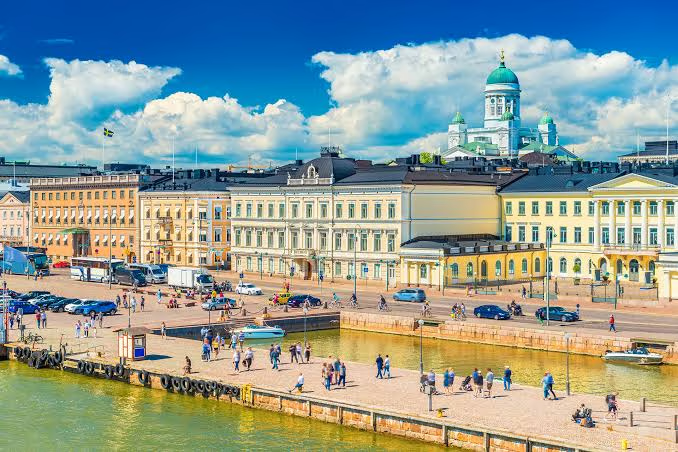
Helsinki is often overshadowed by Lapland.
That is understandable, but it deserves more than an airport connection.
The city feels:
- Clean
- Calm
- Design-focused
- Coastal
- Highly liveable
Highlights include:
- Senate Square
- Helsinki Cathedral
- Market Square
- Design District
- Suomenlinna
- Public saunas
Two nights is enough for most first-time visitors.
Suomenlinna
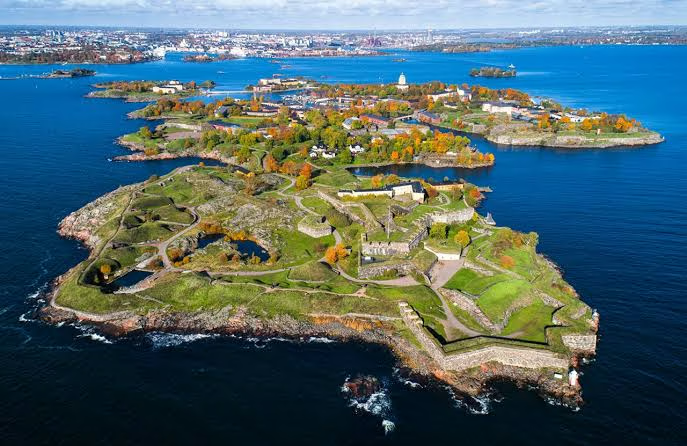
Suomenlinna is a sea fortress spread across several islands near Helsinki.
You reach it by ferry.
It works especially well in warmer months, but winter can give it a much quieter atmosphere.
Allow several hours.
Finnish Sauna Culture
You cannot really understand Finland without understanding sauna.
It is not treated as an occasional luxury.
It is part of everyday life.
Traditional sauna culture is built around:
- Heat
- Silence
- Relaxation
- Social ritual
In some places, sauna is followed by a dip in cold water.
Yes, even in winter.
Atlas Insider Tip
Do not leave sauna until the last evening as a “maybe.”
Build it into the itinerary.
A proper Finnish sauna experience is not just another activity.
It helps explain how Finns relate to winter, silence and everyday wellbeing.
Rovaniemi
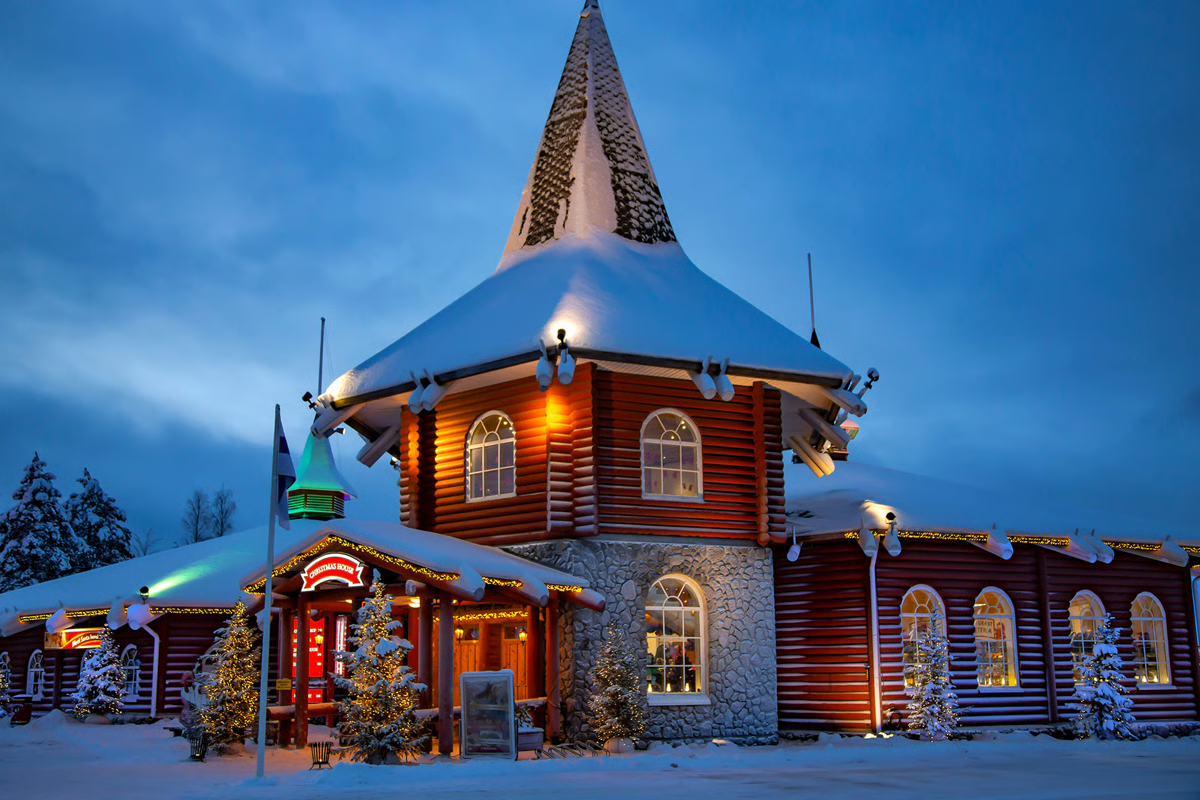
Rovaniemi is the main gateway to Finnish Lapland.
It is famous for:
- Santa Claus Village
- Husky safaris
- Reindeer experiences
- Snow activities
- Northern Lights tours
It is especially popular with families.
But adults can enjoy Lapland just as much if they build the trip around nature rather than only Christmas attractions.
Santa Claus Village
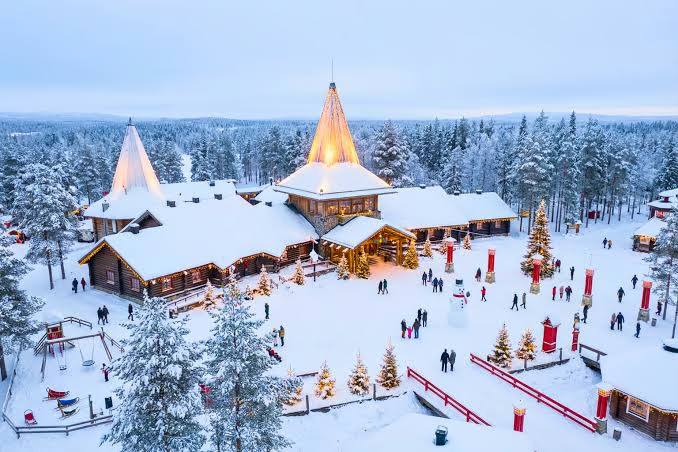
Santa Claus Village is one of Rovaniemi’s most famous attractions.
It is particularly popular in December.
Families often love the experience.
Travellers without children may prefer spending more time on:
- Snow activities
- Forest excursions
- Aurora trips
- Wilderness lodges
Lapland Beyond Rovaniemi
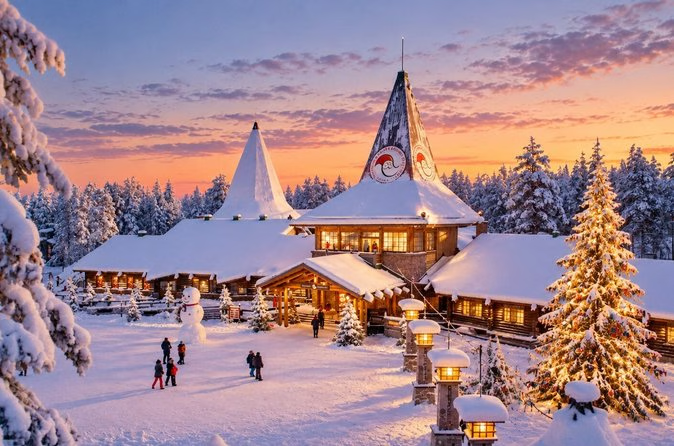
Lapland is much bigger than Rovaniemi.
Other areas include:
- Levi
- Saariselkä
- Ylläs
- Inari
- Ruka
These can offer a quieter or more nature-focused experience.
Atlas Insider Tip: Don’t Build Lapland Around One Aurora Night
The Northern Lights are never guaranteed.
If seeing them matters, stay for several nights.
Cloud cover can ruin one evening even when solar activity is strong.
The smartest strategy is simple:
More nights = more chances.
Northern Lights
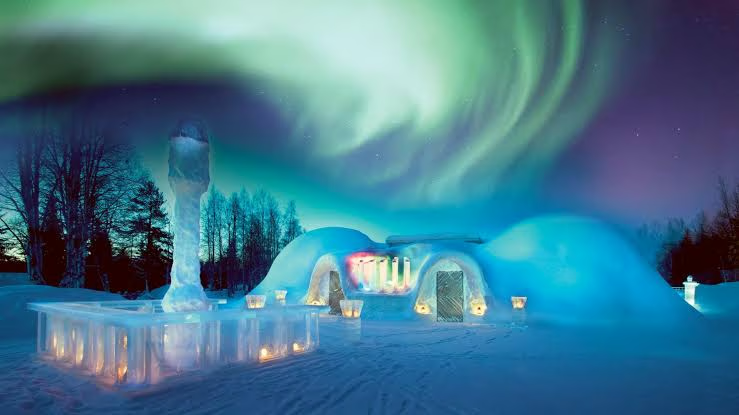
The aurora is one of Finland’s biggest winter attractions.
But it requires:
- Darkness
- Clear skies
- Solar activity
- Patience
September to March offers the broad viewing season.
Northern Finland gives you the strongest combination of darkness and location.
Glass Igloos
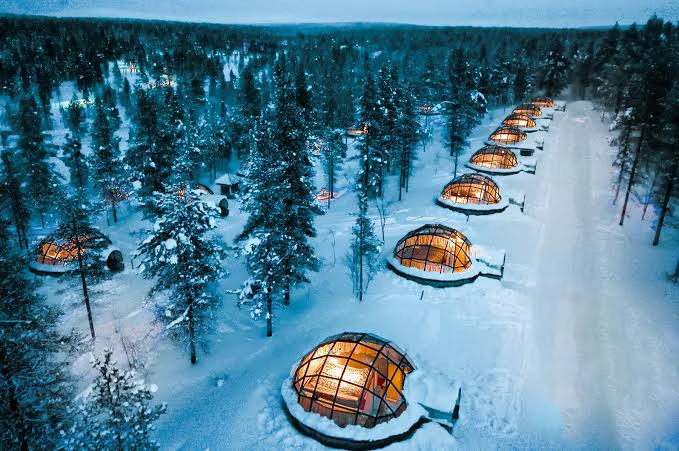
Glass-roof accommodation has become one of Lapland’s most famous experiences.
They look extraordinary in photographs.
But there are a few realities worth understanding.
You are not guaranteed Northern Lights.
Snow can obscure glass.
And many glass igloos are expensive.
The experience works best when the accommodation itself is beautiful enough that you would enjoy it even without an aurora display.
Atlas Insider Tip: One Night May Be Enough
You do not necessarily need to spend your entire Lapland trip in a glass igloo.
A smart approach can be:
- Comfortable lodge for most nights
- One or two premium glass-roof nights
That keeps the experience special without letting accommodation consume the entire budget.
Husky Safaris
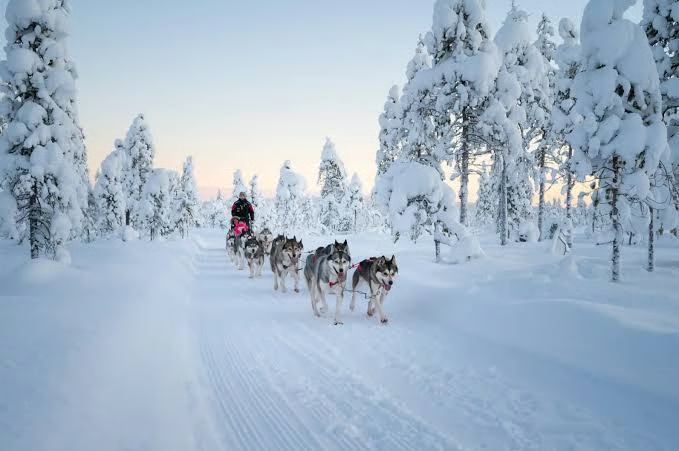
Husky sledding can be one of the highlights of a winter trip.
Choose operators that demonstrate clear animal-welfare standards.
Look for:
- Good kennel conditions
- Healthy dogs
- Responsible handling
- Appropriate rest
Wildlife and animal-based tourism should never come at the expense of the animals involved.
Reindeer Experiences
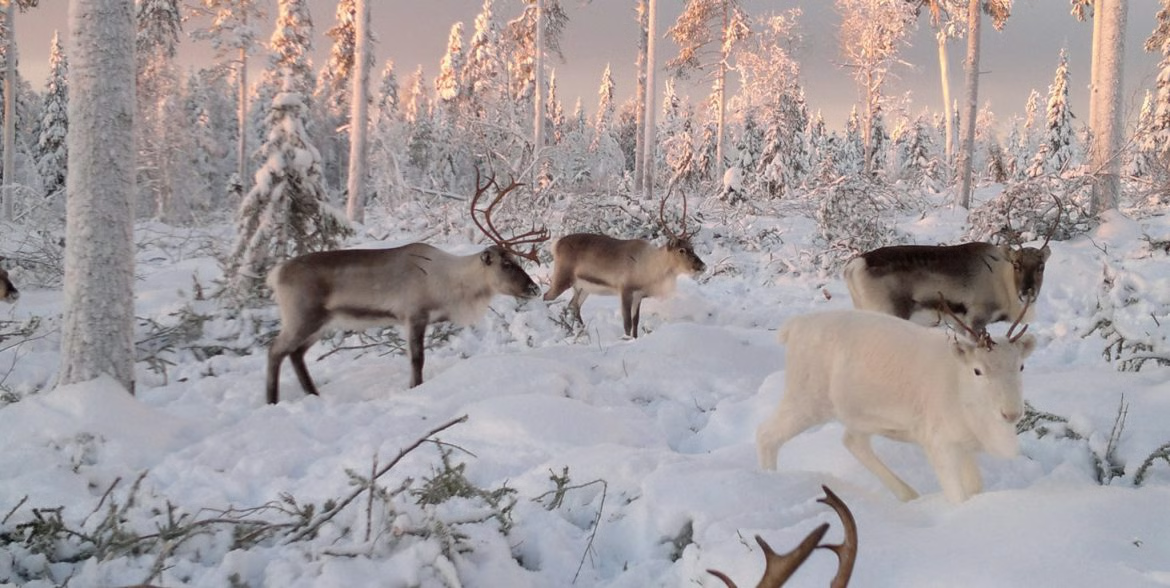
Reindeer are deeply connected to northern culture.
Visitors may experience:
- Reindeer farms
- Short sled rides
- Cultural explanations
- Feeding experiences
Again, choose reputable operators and avoid activities that appear exploitative or poorly managed.
Snowmobiling
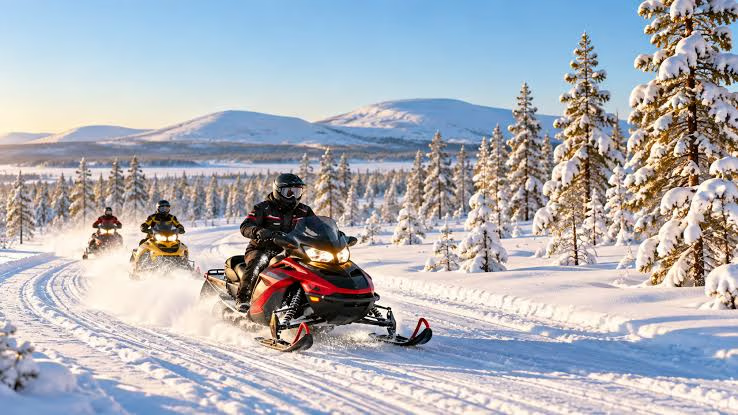
Snowmobiling is popular across Lapland.
It allows you to travel deep into snowy landscapes quickly.
Tours often include:
- Forest routes
- Frozen lakes
- Scenic stops
Follow operator safety instructions carefully.
Ice Hotels and Snow Hotels
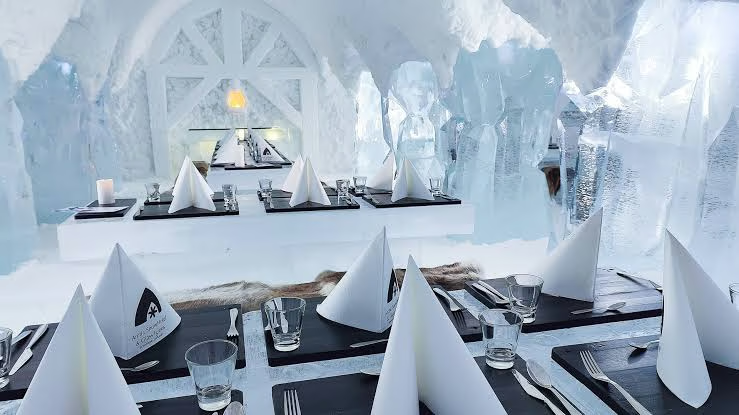
Some winter resorts build seasonal snow or ice accommodation.
These are unusual experiences, but not necessarily comfortable in the traditional sense.
Many travellers prefer visiting an ice hotel rather than sleeping in one.
Know your tolerance for cold before booking.
Saariselkä
Saariselkä is a strong alternative to Rovaniemi.
It works especially well for:
- Aurora travel
- Winter activities
- Quiet landscapes
- Couples
The atmosphere is generally more nature-focused.
Levi
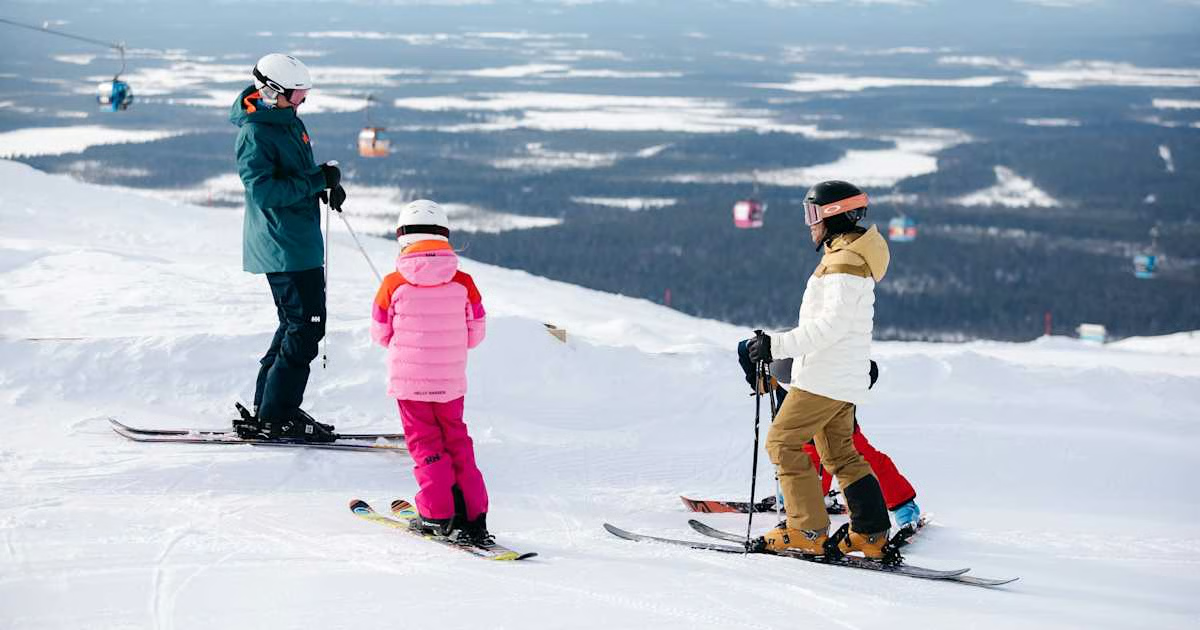 Levi is one of Finland’s major ski resorts.
It offers:
- Skiing
- Restaurants
- Winter activities
- Nightlife
- Family infrastructure
It suits travellers who want more resort energy.
Inari
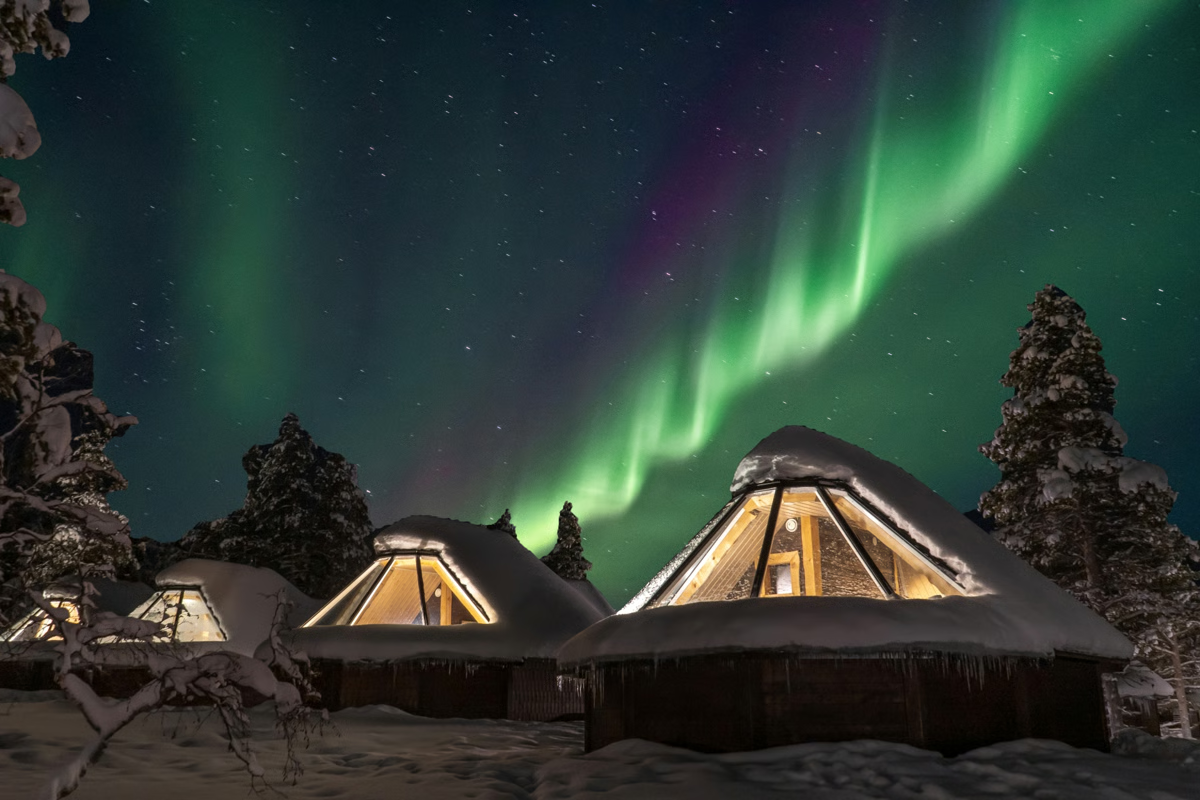
Inari offers a deeper northern experience.
It is closely associated with Sámi culture and vast wilderness.
It is a strong option for travellers who want:
- Culture
- Nature
- Quiet
- Northern Lights
Sámi Culture
The Sámi are Indigenous people of northern Finland and neighbouring Arctic regions.
Travellers should approach Sámi culture respectfully.
Choose experiences that are:
- Sámi-owned or led where possible
- Educational
- Respectful
- Free from stereotypes
Cultural tourism is much more meaningful when local communities control how their traditions are presented.
Midnight Sun
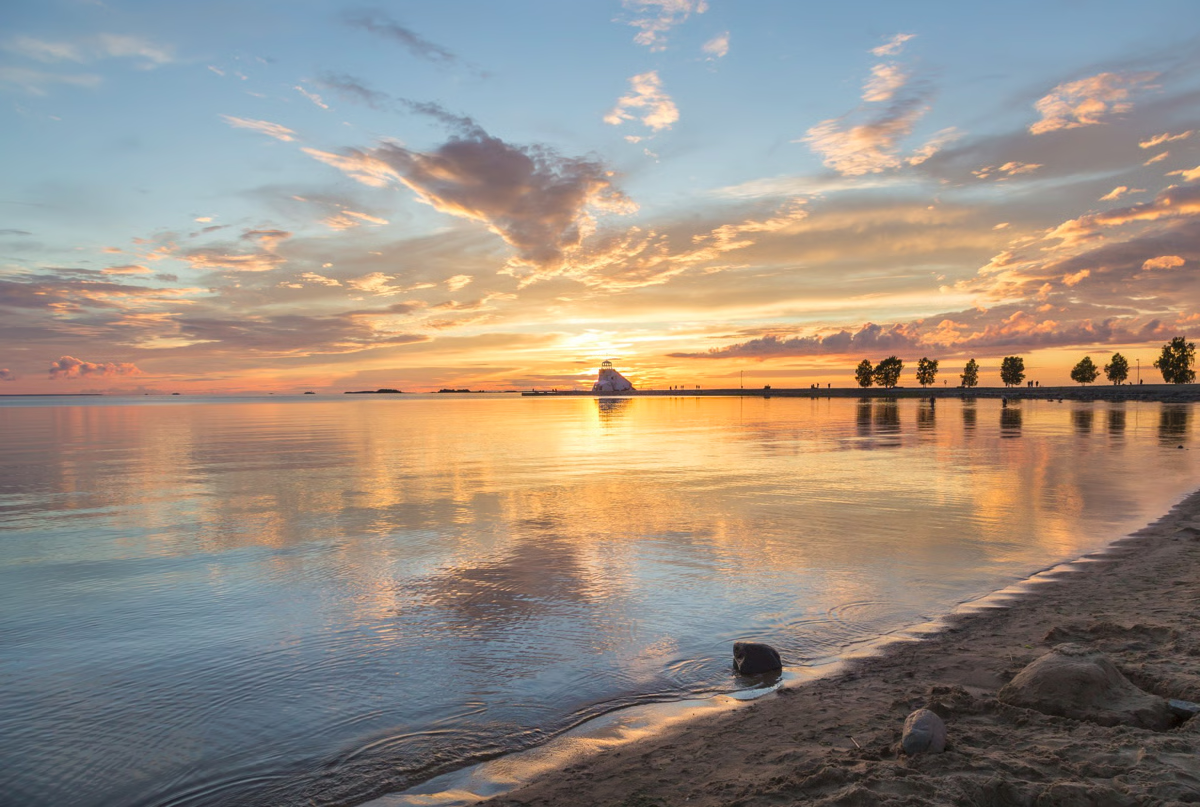
Summer in northern Finland feels almost impossible the first time you experience it.
The sun remains above the horizon for extended periods.
That means you can:
- Hike late
- Drive at midnight
- Sit by a lake in full daylight after dinner
Your body may need time to adjust.
Blackout curtains help.
Finland’s Lakes
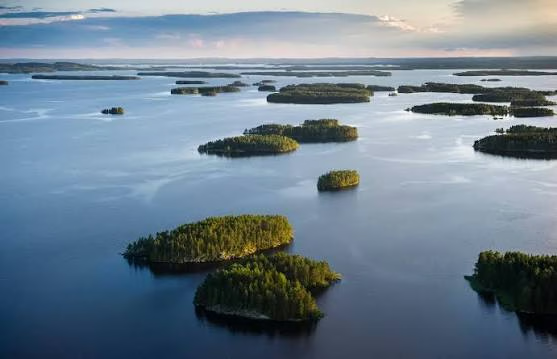
Finland is famously associated with thousands of lakes.
Summer cabin culture is a major part of domestic life.
A classic Finnish summer experience might include:
- Lakeside cabin
- Sauna
- Swimming
- Kayaking
- Forest walks
It is the exact opposite of a busy city itinerary.
Finland for Couples
Finland works beautifully for couples who prefer quiet experiences.
A winter honeymoon might include:
Helsinki → Lapland lodge → glass igloo
A summer trip might focus on:
- Lakes
- Cabins
- Sauna
- Nature
It is romantic in a very understated way.
Finland for Families
Finland is especially popular with families in winter.
Rovaniemi works well because of:
- Santa experiences
- Reindeer
- Huskies
- Snow activities
The main challenge is the cold.
Children need proper winter clothing.
What to Wear in Finnish Winter
Do not underestimate the cold.
The correct approach is layering.
You will typically need:
- Thermal base layer
- Warm mid-layer
- Insulated outer layer
- Waterproof winter boots
- Gloves
- Warm hat
- Neck protection
Many activity operators provide additional thermal suits.
Atlas Insider Tip: Winter Boots Matter More Than Stylish Jackets
Your coat can be excellent.
But if your feet are cold, the entire day becomes miserable.
Prioritise insulated, waterproof footwear.
Lapland is not the place to test fashion-first winter gear.
What Should You Eat in Finland?
Finnish food is simple, seasonal and often comforting.
Salmon Soup
Creamy salmon soup is especially good in cold weather.
Karelian Pies
Small rye pastries traditionally filled with rice porridge.
Rye Bread
A major staple in Finnish food culture.
Cinnamon Buns
An excellent café companion.
Berries
Wild berries feature heavily in Finnish desserts and breakfasts.
Vegetarian Travel in Finland
Vegetarian and vegan travel is straightforward in Helsinki and larger towns.
Lapland resorts usually cater to dietary requirements if informed in advance.
In more remote areas, planning helps.
How Many Days Do You Need in Finland?
3 to 4 Days
Helsinki only
5 to 6 Days
Helsinki + short Lapland stay
7 to 9 Days
Excellent winter trip with Lapland
10 to 12 Days
More relaxed Finland + Lapland journey
For most winter travellers, 7 to 8 days works very well.
A Good First-Time Winter Finland Route
A strong first itinerary could be:
Helsinki → Rovaniemi → Lapland wilderness stay
With more time:
Helsinki → Rovaniemi → Saariselkä or Inari
This gives you a city introduction followed by a deeper Arctic experience.
A Good First-Time Summer Finland Route
A summer route might be:
Helsinki → Lakeland → Finnish countryside
or
Helsinki → Turku → Archipelago
Summer Finland is much more about nature and slow travel than landmark collecting.
Finland vs Norway
These two destinations overlap in some ways, but the travel experience is different.
Choose Finland for:
- Lapland
- Glass igloos
- Sauna culture
- Reindeer
- Husky safaris
- Winter cabins
Choose Norway for:
- Fjords
- Dramatic coastal drives
- Mountain scenery
- Scenic trains
- Arctic coast
For a pure winter wonderland trip, Finland is often easier.
For epic landscapes and fjords, Norway is stronger.
Finland vs Iceland
Choose Finland for:
- Snowy forests
- Lapland
- Husky and reindeer experiences
- Sauna
- Family winter travel
Choose Iceland for:
- Volcanoes
- Waterfalls
- Glaciers
- Black beaches
- Road trips
Both offer Northern Lights, but the overall journeys feel very different.
Travel Tips Before You Go
- Choose February or March for a strong first winter trip.
- Stay several nights if Northern Lights matter.
- Do not rely on one aurora tour.
- Pack proper insulated footwear.
- Book December Lapland travel early.
- Choose responsible animal-experience operators.
- Consider one or two glass-igloo nights rather than the whole stay.
- Build sauna into the itinerary.
- Keep winter activity schedules realistic.
- Use blackout curtains during summer midnight-sun travel.
Quick Summary
| Travel Goal | Best Time |
|---|---|
| Overall Winter Trip | December-March |
| Lapland | December-March |
| Northern Lights | September-March |
| Christmas Experience | December |
| Snow Activities | December-March |
| Midnight Sun | June-July |
| Hiking | June-September |
| Helsinki | May-September, December |
Frequently Asked Questions
What is the best month to visit Finland?
For a classic winter trip, February and March offer an excellent balance of snow, daylight and Northern Lights opportunities.
When is the best time to see the Northern Lights in Finland?
The broad viewing season is generally September to March, with northern Finland offering the strongest opportunities.
Is December a good time for Lapland?
Yes. December is especially popular for Christmas experiences, but it is also one of the busiest and most expensive periods.
Are the Northern Lights guaranteed?
No. Aurora sightings depend on darkness, clear skies and solar activity. Staying several nights improves your chances.
How many days are enough for Finland?
Around 7 to 8 days works well for Helsinki plus a meaningful Lapland stay.
Finland or Norway for Northern Lights?
Both are excellent.
Choose Finland for snowy forests, Lapland lodges and winter activities.
Choose Norway for Arctic coastal landscapes and fjords.
Continue Exploring on Mindflix Atlas
- Best Time to Visit Norway
- Best Time to Visit Iceland
- Best Time to Visit Sweden (Coming Soon)
- Best Time to Visit Canada
- 50 International Destinations Every Indian Traveller Should Experience at Least Once
- Finland Travel Guide (Coming Soon)
- Lapland Travel Guide (Coming Soon)
- The Perfect 7-Day Finland Winter Itinerary (Coming Soon)
- Northern Lights Guide (Coming Soon)
- Finland vs Norway (Coming Soon)
- Best Winter Destinations in the World (Coming Soon)
Finland is at its best when you stop measuring the day by how many attractions you visited.
Some days are about a husky ride.
Some are about waiting in the dark for the sky to change.
Some are simply about sitting in a sauna while snow falls outside.
And in summer, the same country asks you to do something even harder:
Slow down.
Sit by the lake.
Stay outside after midnight.
And realise the sun still has no intention of setting.
That contrast is what makes Finland unforgettable.
Mindflix Atlas helps you understand the destination before you book it, so you can travel smarter and experience more.