
Best Time to Visit Hungary: Budapest, Thermal Baths & Month-by-Month Guide (2026)
Jay Vora
Founder & CEO

Best Time to Visit Hungary
Hungary is one of those countries that surprises travellers who arrive expecting only Budapest.
Budapest is the headline, of course.
The Danube cuts through the city.
Parliament glows after dark.
Thermal baths steam in the cold.
Old cafés sit beside ruin bars.
And the city manages to feel grand and slightly rough around the edges at the same time.
But beyond Budapest, Hungary also offers wine regions, lakes, historic towns and countryside that make it worth more than a short weekend stop.
For most first-time travellers, April to June and September to October are among the best times to visit Hungary.
The weather is comfortable, the city feels lively and outdoor sightseeing is much easier than in midsummer heat or deep winter.
December is also special if you want Christmas markets and thermal baths in colder weather.
Understanding Hungary’s Seasons
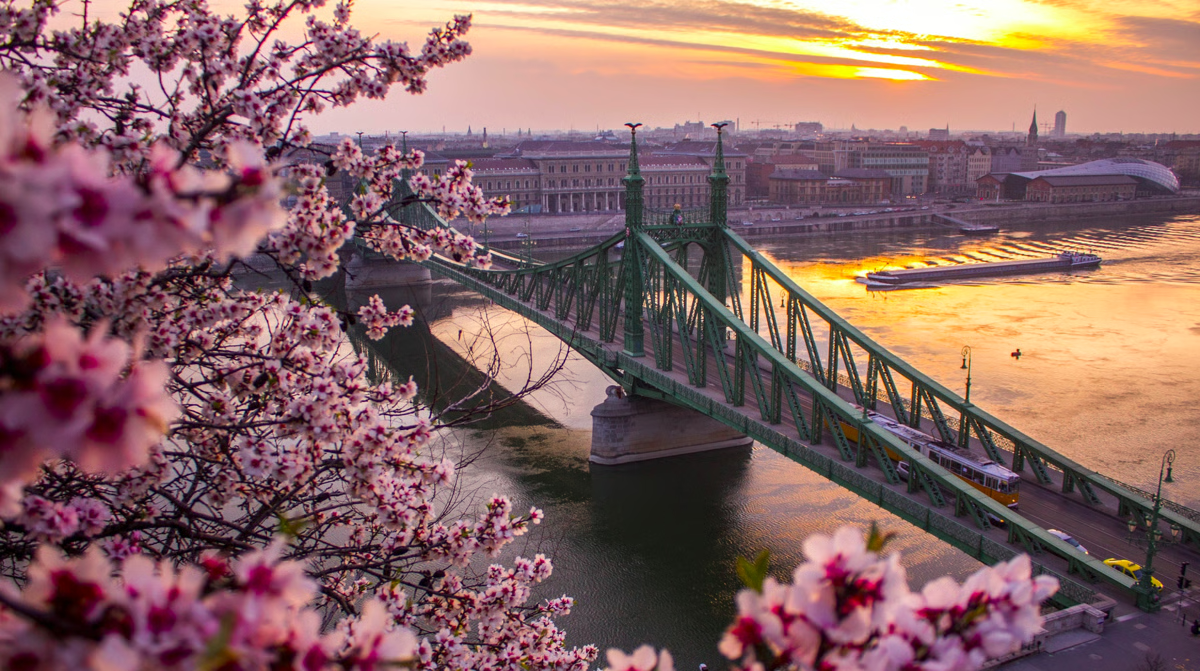
Hungary has four distinct seasons.
Broadly:
- Spring: March to May
- Summer: June to August
- Autumn: September to November
- Winter: December to February
Budapest can be hot in summer and genuinely cold in winter.
That contrast is part of the appeal.
Spring in Hungary: March to May
Spring begins cool.
By April, temperatures become much more comfortable.
May is one of the strongest months for first-time visitors.
Spring is excellent for:
- Budapest
- Danube walks
- Thermal baths
- Day trips
- Wine regions
- Photography
Summer in Hungary: June to August
Summer is lively and busy.
Outdoor cafés fill up.
Festivals and riverfront events become more common.
This is a strong season for:
- Nightlife
- Danube cruises
- Lake Balaton
- Festivals
- Long city days
But July and August can be hot.
If you dislike heat, spring and early autumn are more comfortable.
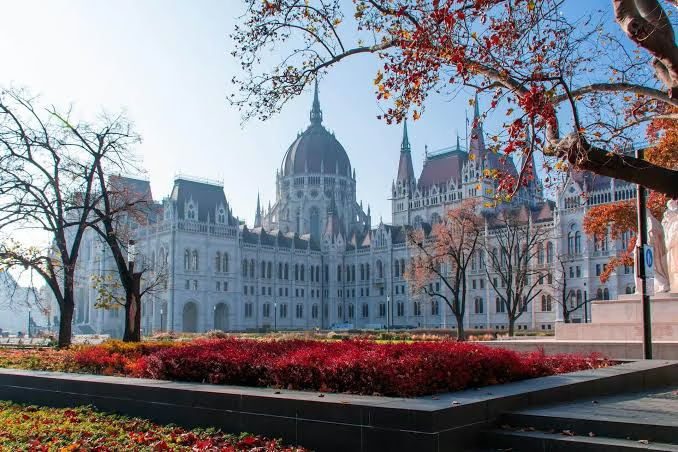
Autumn in Hungary: September to November
September is one of Hungary’s best months.
Summer warmth often remains without the full intensity of July or August.
October becomes cooler and atmospheric.
Autumn is excellent for:
- Budapest
- Wine
- Couples
- Food travel
- Photography
- Thermal baths
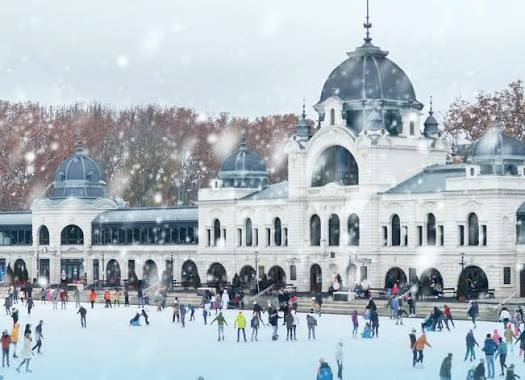
Winter in Hungary: December to February
Winter is cold, but Budapest becomes especially atmospheric.
Think:
- Christmas lights
- Steaming thermal baths
- Hearty food
- Danube views
- Seasonal markets
December is particularly memorable.
January and February are quieter and often cheaper.
Hungary Month by Month
January
Cold and quiet.
Thermal baths become especially appealing.
Best for: Baths, museums, cafés and lower crowds.
February
Winter continues.
A good month for travellers who prefer calmer city breaks.
March
Spring begins slowly.
Days get longer, but temperatures can still be cool.
April
One of the best shoulder-season months.
Comfortable walking weather returns.
May
Excellent for first-time visitors.
Longer days and mild temperatures make the city especially enjoyable.
June
Summer begins.
Budapest becomes more energetic and outdoor dining takes over.
July
Peak summer.
Expect warm weather, festivals and larger crowds.
August
Still hot and busy.
A strong month for nightlife and Lake Balaton.
September
One of the best months overall.
Warm, lively and more comfortable than peak summer.
October
Cooler and atmospheric.
Excellent for walking, photography and food.
November
Quieter and colder.
A strong month for museums and thermal baths.
December
Christmas markets and winter atmosphere transform Budapest.
This is one of the city’s most distinctive seasons.
Best Time Based on Your Travel Style
First-Time Visit
April-June, September-October
Budapest
April-June, September-December
Thermal Baths
Year-round
Christmas Markets
Late November-December
Danube Cruises
April-October
Nightlife
May-September
Wine Regions
September-October
Fewer Crowds
January-March, November
Budapest
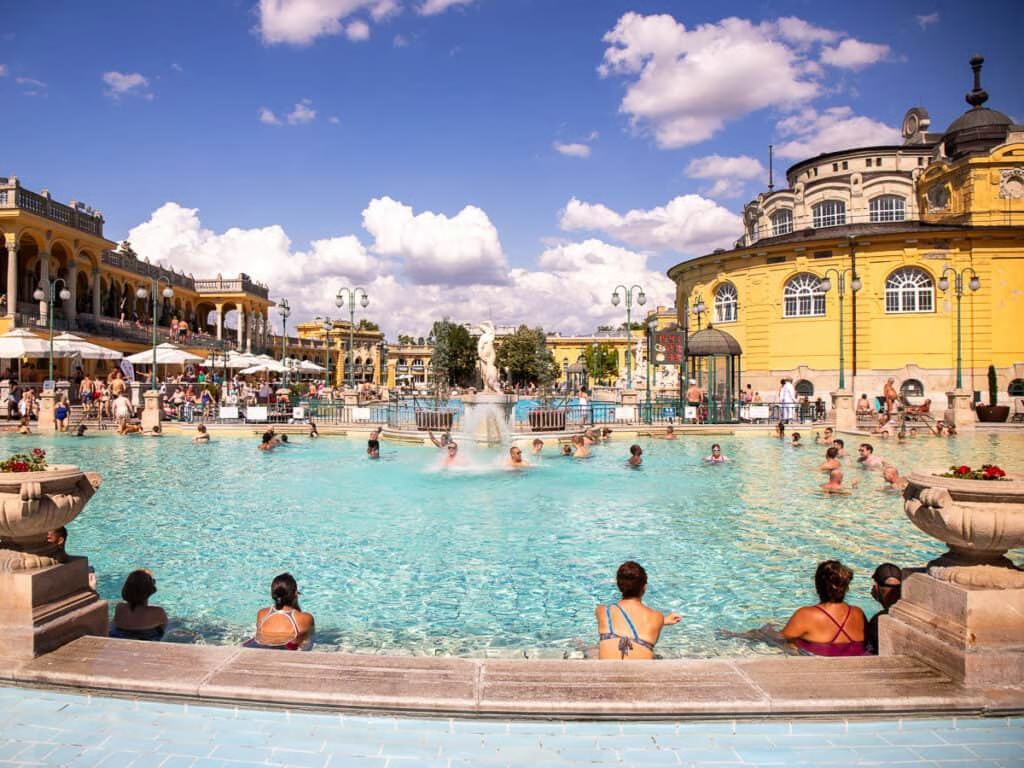
Budapest is one of Europe’s great value-for-experience cities.
It feels dramatic without being overly polished.
The city is divided by the Danube into two historic sides:
- Buda
- Pest
Each has a different personality.
Buda feels hillier and more historic.
Pest feels busier, flatter and more urban.
You need both.
The Danube
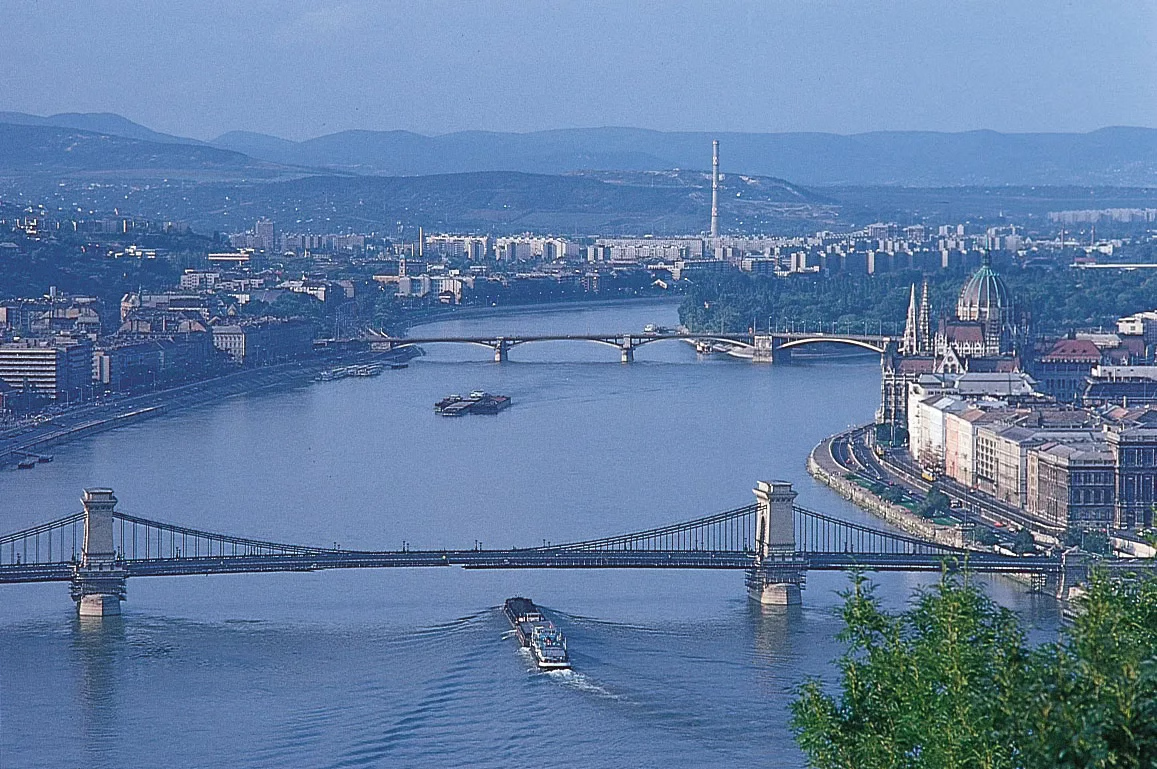
The Danube is the spine of Budapest.
Some of the city’s best views come from simply crossing it.
Popular bridges include:
- Chain Bridge
- Liberty Bridge
- Margaret Bridge
Walking along the river at night is one of the easiest ways to understand why Budapest becomes so memorable after dark.
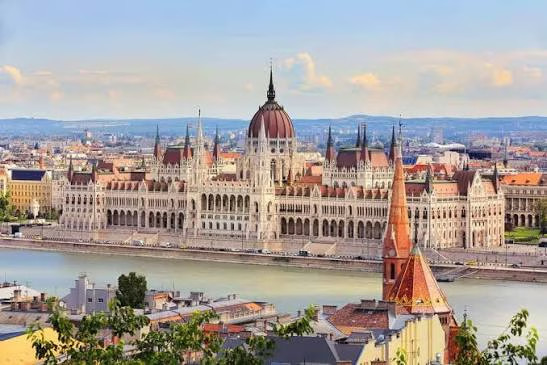
Hungarian Parliament
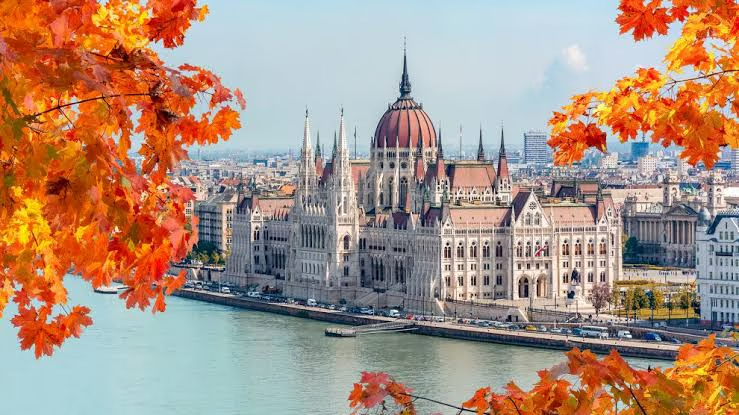
The Parliament building is one of Budapest’s most recognisable landmarks.
It is especially striking from across the river.
The best views often come from the Buda side rather than directly beside it.
Visit once in daylight and again after dark.
Atlas Insider Tip
If Budapest is your first stop in Central Europe, do not overplan the evenings.
The city is at its best after sunset.
Leave room for:
- Danube walks
- Night views
- Rooftop drinks
- Thermal baths
- Ruin bars
A packed daytime schedule followed by an early night means missing half the atmosphere.
Fisherman’s Bastion
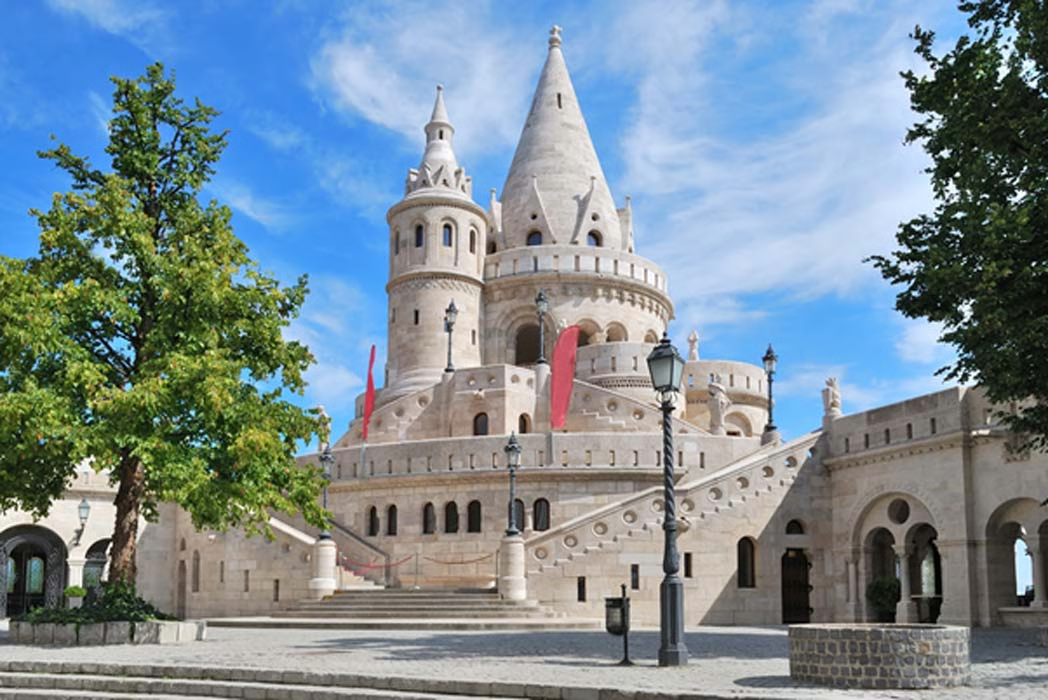
Fisherman’s Bastion is one of Budapest’s most photogenic viewpoints.
It offers excellent views over:
- Parliament
- Danube
- Pest skyline
Go early in the morning if you want quieter conditions.
Sunrise can be especially beautiful.
Buda Castle
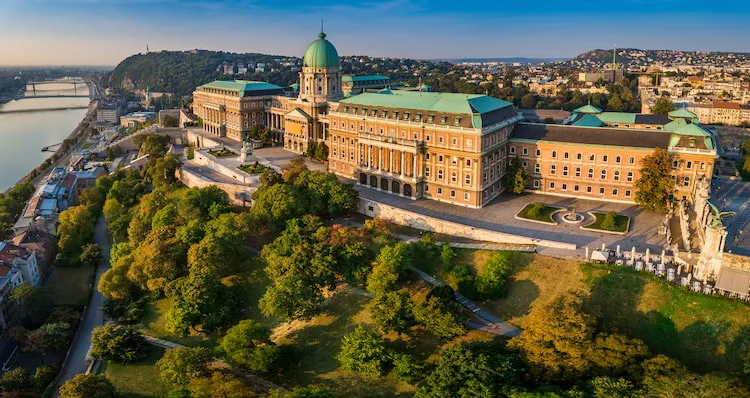
Buda Castle dominates the hill above the river.
The wider Castle District includes:
- Historic streets
- Museums
- Viewpoints
- Matthias Church
- Fisherman’s Bastion
Allow several hours rather than treating it as one quick photo stop.
Matthias Church
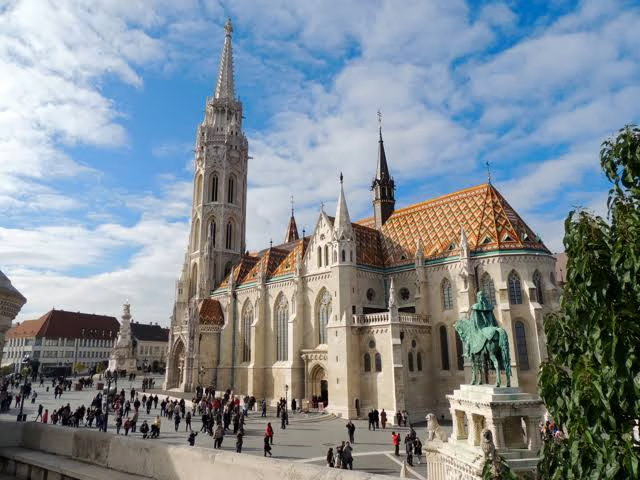
Matthias Church is one of the most distinctive religious buildings in Budapest.
Its colourful tiled roof makes it instantly recognisable.
It pairs naturally with Fisherman’s Bastion.
Thermal Baths
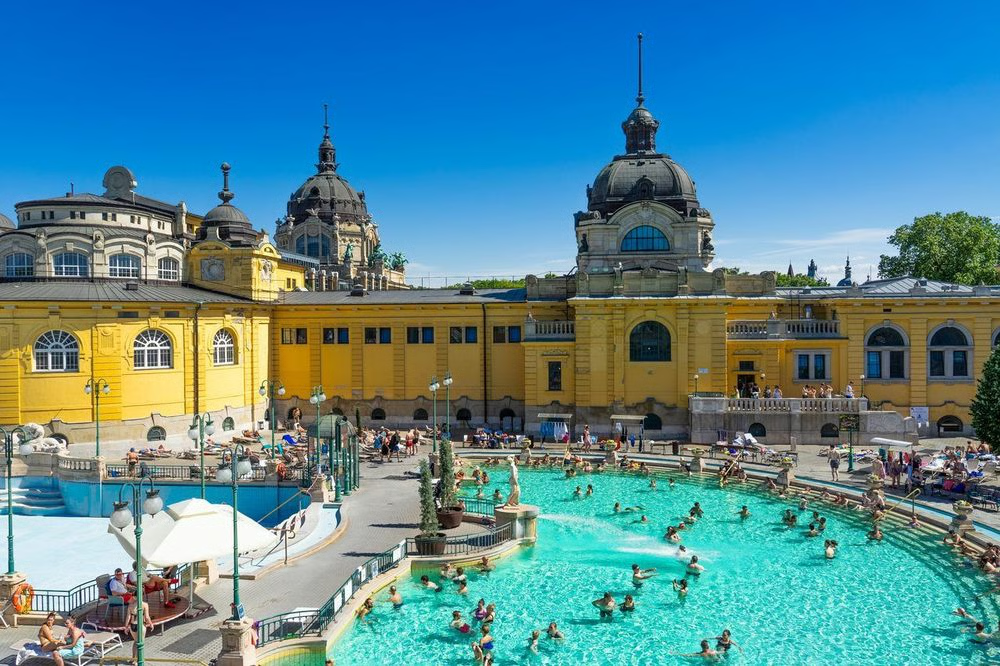
Budapest’s thermal-bath culture is one of the city’s defining experiences.
Popular options include:
- Széchenyi
- Gellért
- Rudas
Each offers a different atmosphere.
Széchenyi Thermal Bath
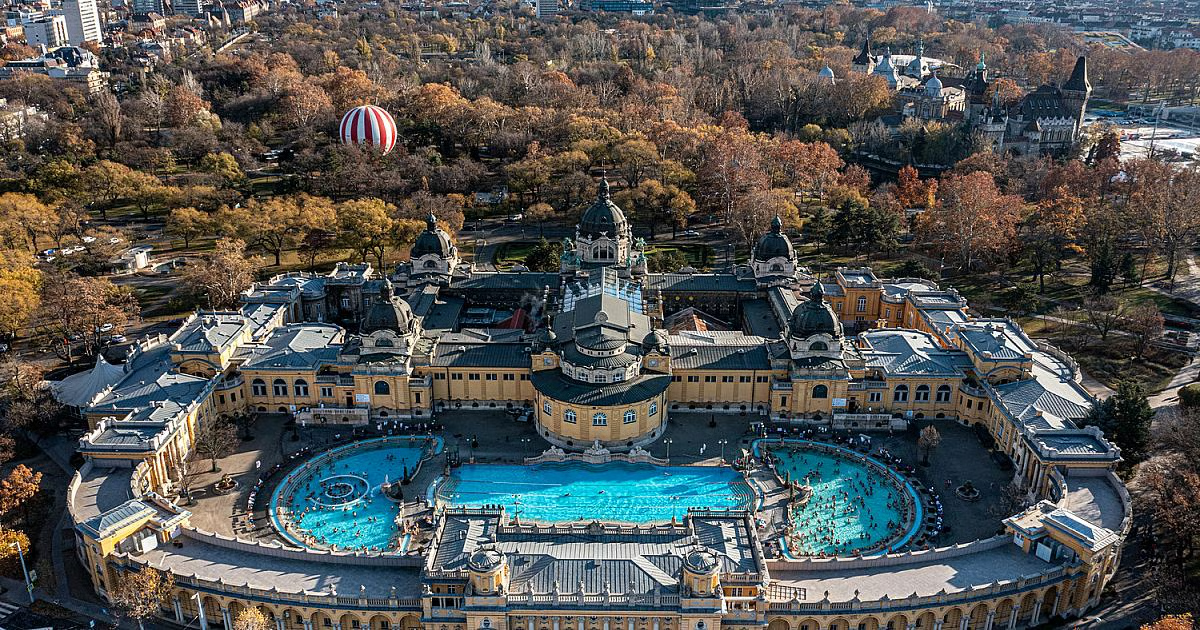
Széchenyi is the most famous.
Its outdoor pools are especially atmospheric in colder weather.
Steam rising into winter air is one of Budapest’s classic experiences.
Go early if you prefer a calmer visit.
Gellért Baths
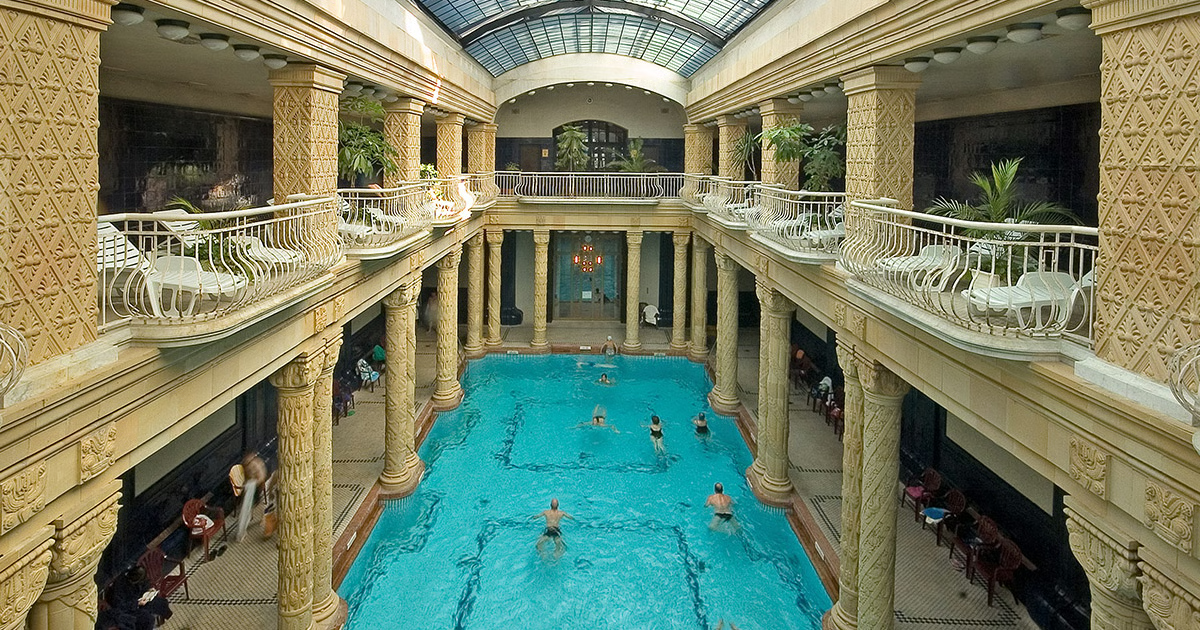
Gellért is known for its Art Nouveau interiors.
It feels more architectural and historic than Széchenyi.
Travellers who care about design may prefer it.
Rudas Baths
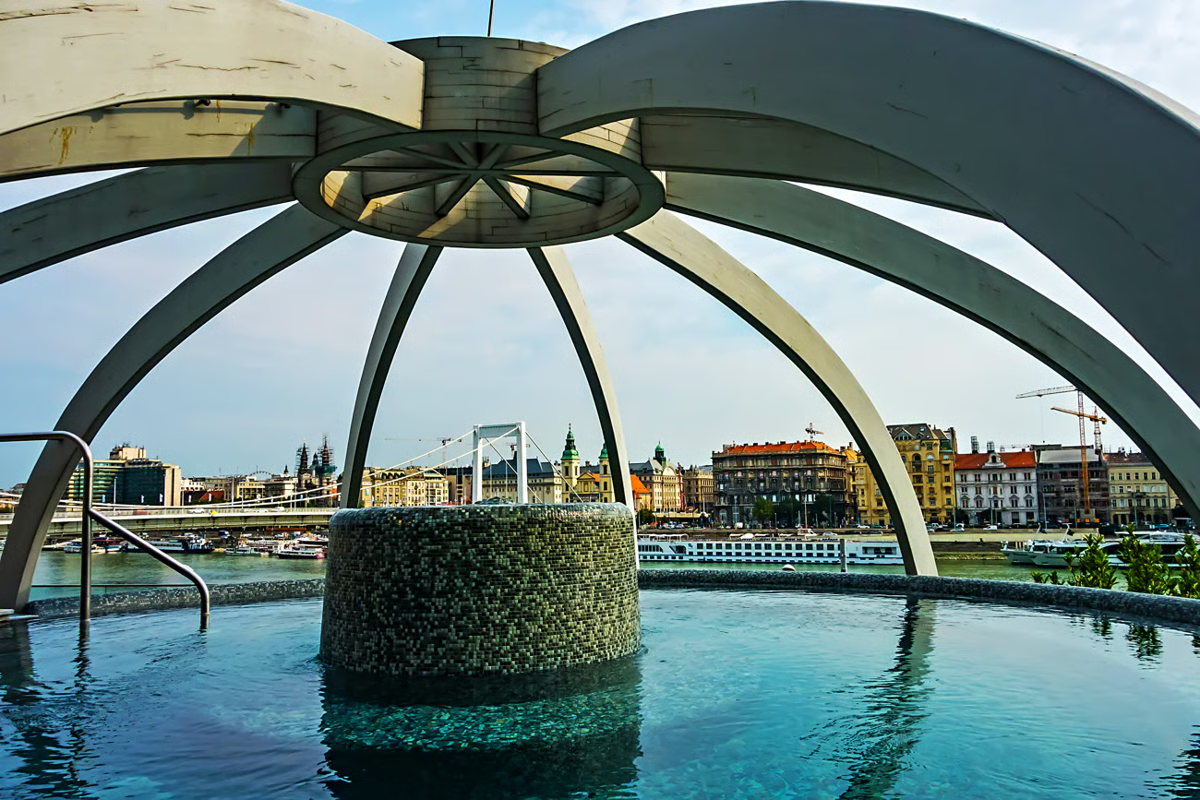
Rudas combines historic Turkish-bath architecture with modern facilities.
Its rooftop pool is especially popular for city views.
Check current schedules and access rules before visiting, as certain areas may operate differently by day.
Atlas Insider Tip: Choose One Bath Properly
Do not try to visit three thermal baths in two days.
Choose one.
Spend several hours.
Slow down.
The thermal-bath experience works because it is not supposed to feel rushed.
Ruin Bars
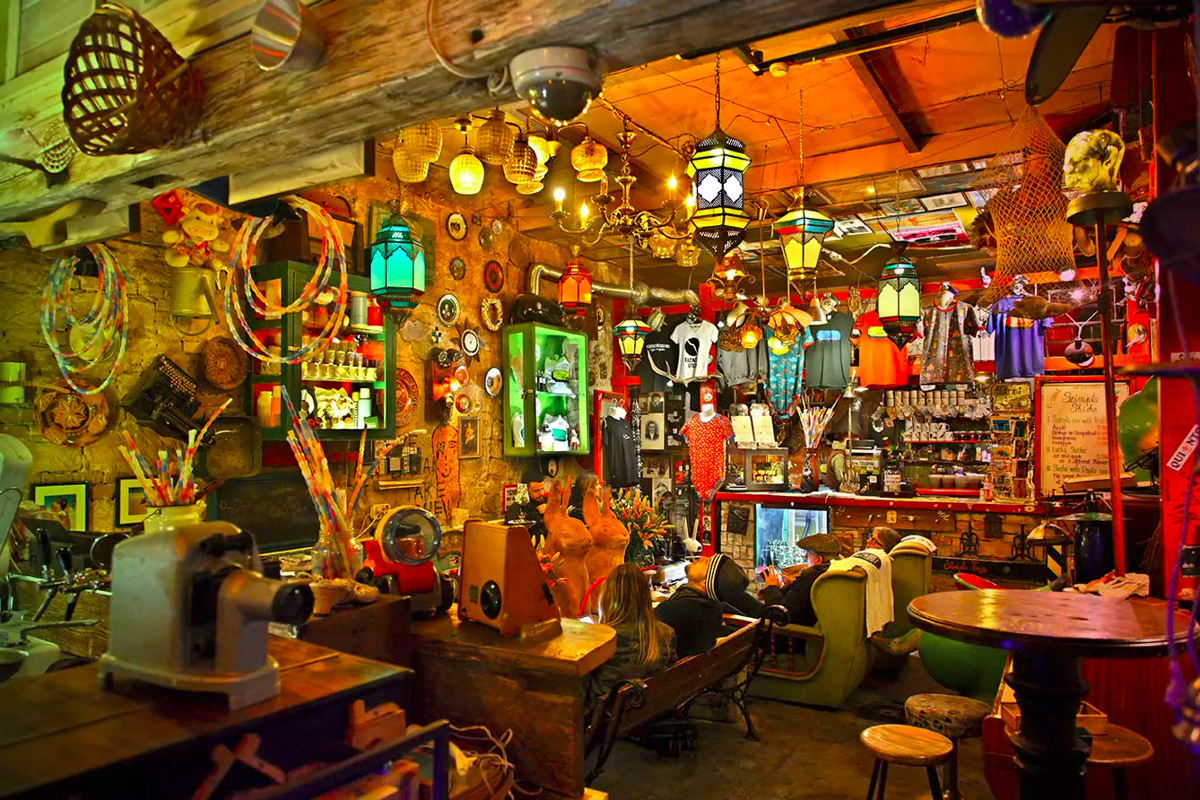
Budapest’s ruin bars began in abandoned or underused buildings in the old Jewish Quarter.
The best known is Szimpla Kert.
The atmosphere mixes:
- Bars
- Courtyards
- Art
- Music
- Eclectic design
They are touristy now, but still worth experiencing if nightlife interests you.
Jewish Quarter
The Jewish Quarter is one of Budapest’s most interesting neighbourhoods.
It combines:
- Historic synagogues
- Cafés
- Restaurants
- Ruin bars
- Street life
It deserves more than a late-night visit.
Great Market Hall
The Great Market Hall is one of Budapest’s most famous food markets.
You’ll find:
- Produce
- Paprika
- Local products
- Souvenirs
- Prepared food
Go for atmosphere rather than expecting a hidden local secret.
Heroes’ Square and City Park
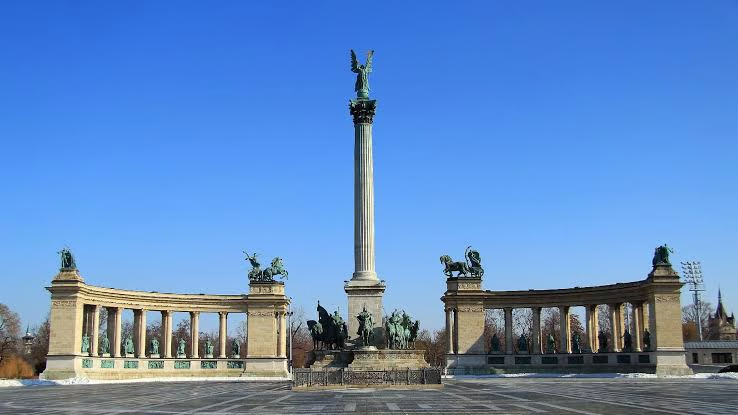
Heroes’ Square sits near one of Budapest’s major green areas.
Nearby you’ll find:
- City Park
- Széchenyi Baths
- Vajdahunyad Castle
This area works well as a half-day cluster.
Margaret Island
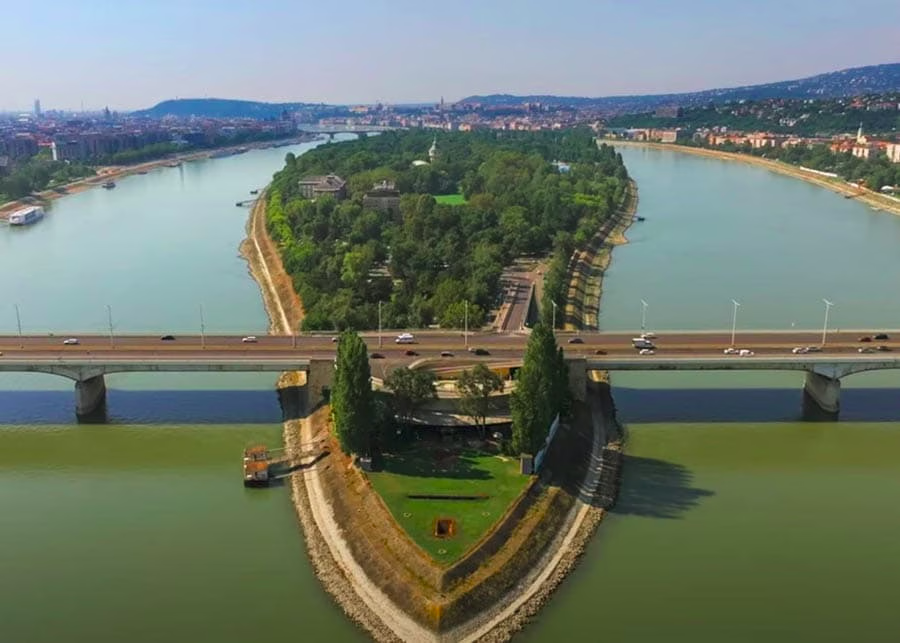
Margaret Island sits in the Danube.
It is excellent for:
- Walking
- Cycling
- Parks
- Slower afternoons
It gives you a break from dense city sightseeing.
Budapest by Night
Budapest is one of those cities that improves significantly after dark.
The illuminated Parliament.
The bridges.
Buda Castle.
The river.
Even a simple evening walk can feel more memorable than another museum.
Build at least one unstructured evening into the trip.
Danube Cruises
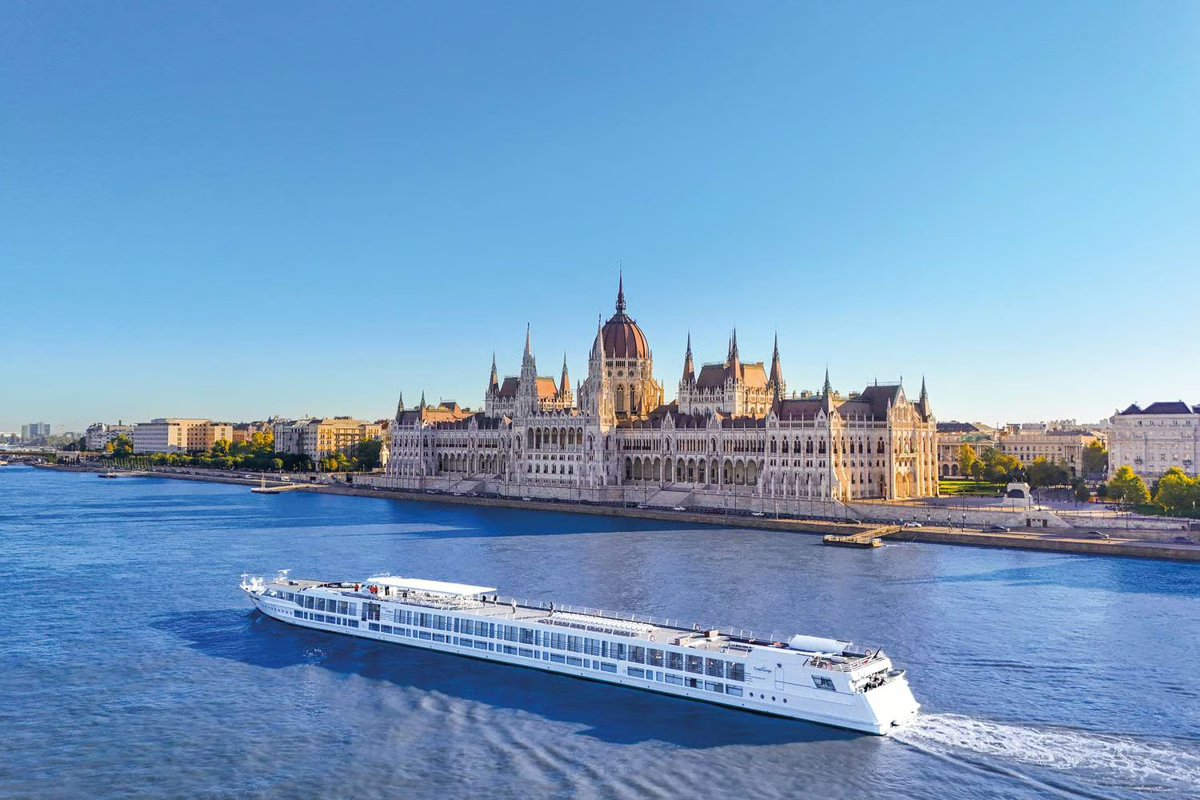
A Danube cruise can be touristy.
It can also be completely worth it.
Evening cruises provide some of the best views of Budapest’s illuminated architecture.
Choose a cruise primarily for the route and timing, not unnecessary extras.
Eger
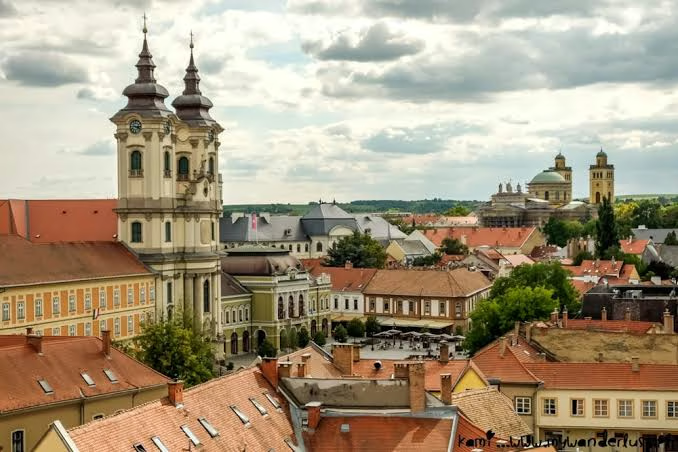
Eger is one of Hungary’s most appealing smaller cities.
It is known for:
- Historic centre
- Castle
- Thermal culture
- Wine
The surrounding region is especially associated with red wine.
It works well as a day trip or overnight stop.
Tokaj
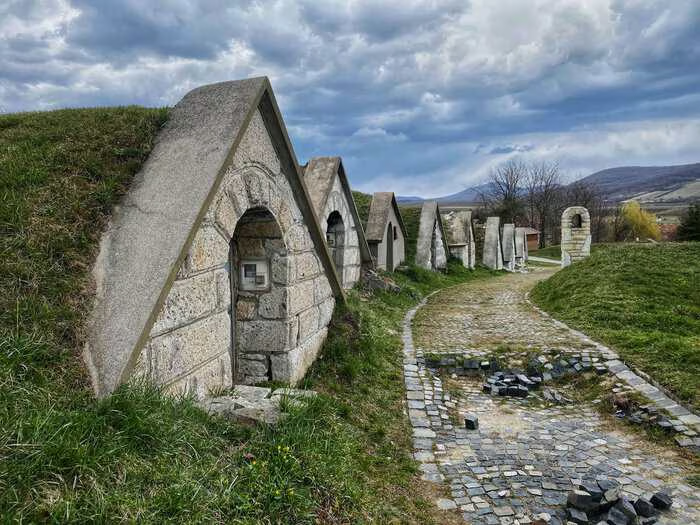
Tokaj is one of Hungary’s most famous wine regions.
It is particularly known for sweet wines.
Travellers interested in food and wine can build a slower countryside extension here.
Autumn is especially attractive.
Lake Balaton
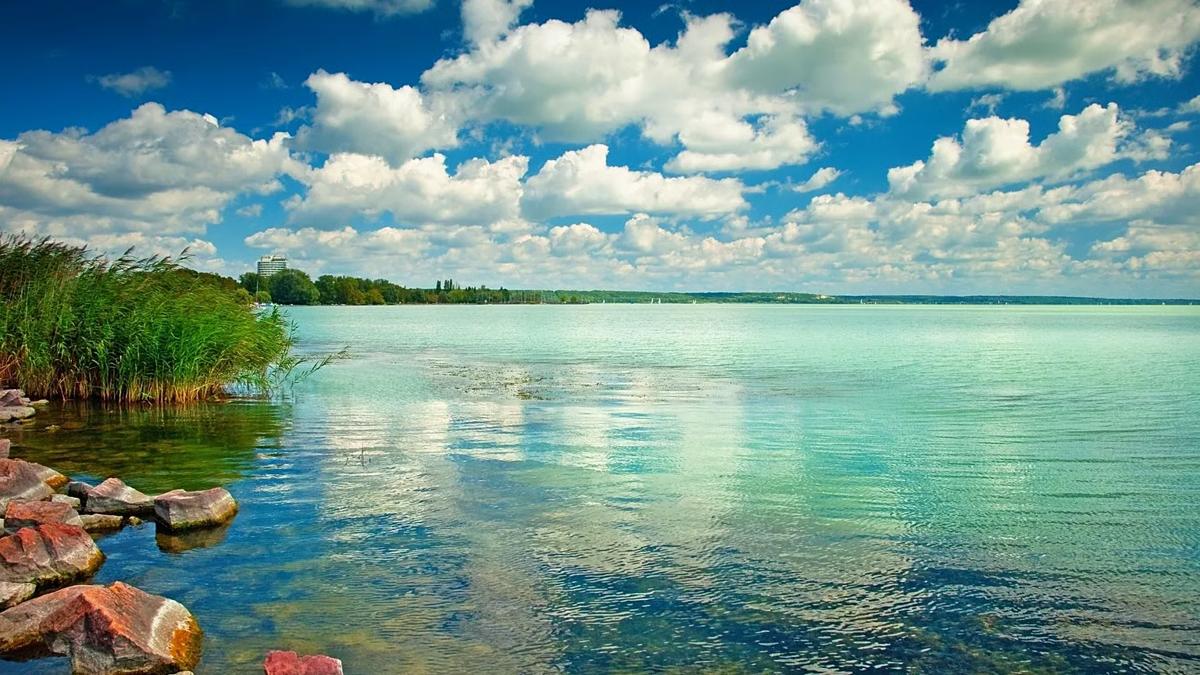
Lake Balaton is one of Central Europe’s largest lakes.
In summer, Hungarians head here for:
- Swimming
- Sailing
- Resorts
- Cycling
- Relaxed holidays
It gives you a completely different side of the country from Budapest.
Szentendre
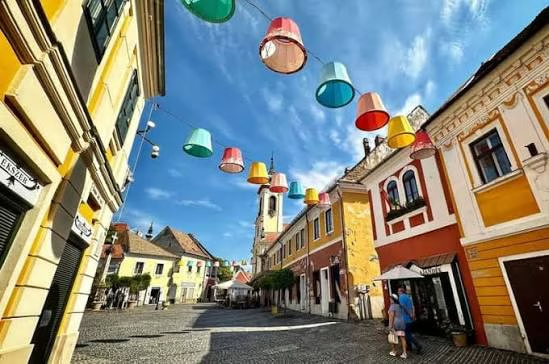
Szentendre is a small riverside town near Budapest.
It is known for:
- Colourful streets
- Galleries
- Cafés
- Baroque architecture
It works well as an easy half-day or day trip.
Hungary for Couples
Hungary works especially well for couples.
A romantic trip might combine:
Budapest → Eger
or simply a slower Budapest stay with:
- Thermal baths
- River cruises
- Rooftop bars
- Historic hotels
- Evening walks
Spring, autumn and December are especially atmospheric.
Hungary for Families
Families can enjoy Budapest too.
Good experiences include:
- River cruises
- Parks
- Buda Castle
- Margaret Island
- Thermal-bath options suitable for families
Check age rules for individual bath facilities before planning.
What Should You Eat in Hungary?
Hungarian cuisine is hearty and full of strong flavours.
Goulash
The famous Hungarian dish is traditionally more soup-like than many international versions.
Chicken Paprikash
Chicken cooked with paprika in a rich sauce.
Lángos
Fried flatbread often topped with sour cream and cheese.
Kürtőskalács
Chimney cake, commonly sold at markets and tourist areas.
Dobos Torte
A layered Hungarian sponge cake with chocolate buttercream and caramel.
Vegetarian Travel in Hungary
Vegetarian travel is easy in Budapest.
Traditional Hungarian cuisine can be meat-heavy, but modern cafés and restaurants offer plenty of options.
Look for:
- Vegetable stews
- Cheese-based dishes
- Salads
- International cuisine
- Vegan restaurants
Outside Budapest, choices may be more limited.
Budapest and Café Culture
Budapest has a long café tradition.
Historic coffee houses can feel grand and theatrical.
Some are tourist-heavy, but they still offer a glimpse into the city’s old-world side.
Pair one historic café with smaller neighbourhood cafés for a more balanced experience.
Getting Around Budapest
Public transport is excellent.
You can use:
- Metro
- Trams
- Buses
The city is also highly walkable in central areas.
One of the most scenic public-transport experiences is Tram 2 along the Danube.
Budapest by Tram
Tram 2 is often one of the cheapest sightseeing rides in the city.
It passes near:
- Parliament
- Danube
- Major riverfront landmarks
Take it when you are not in a hurry.
Hungary by Train
Budapest is extremely well positioned for Central European rail travel.
Easy combinations include:
- Vienna
- Prague
- Bratislava
This makes Hungary ideal for a multi-country itinerary.
Prague + Vienna + Budapest
This is one of Europe’s strongest first-time rail routes.
A classic journey is:
Prague → Vienna → Budapest
Each city feels distinct.
Prague gives you medieval atmosphere.
Vienna gives you imperial elegance.
Budapest gives you river views, thermal baths and nightlife.
Together, they form a very balanced Central Europe trip.
How Many Days Do You Need in Hungary?
3 Days
Budapest highlights
4 to 5 Days
Budapest at a comfortable pace
6 to 7 Days
Budapest + one regional extension
8 to 10 Days
Excellent for a broader Hungary trip
For most first-time visitors, 4 to 6 days works very well.
A Good First-Time Hungary Route
A simple first trip could be:
Budapest
With more time:
Budapest → Eger
or
Budapest → Lake Balaton
For a multi-country trip:
Prague → Vienna → Budapest
Travel Tips Before You Go
- Visit in May, June or September for an easy first trip.
- Leave time for Budapest after dark.
- Choose one thermal bath rather than rushing several.
- Walk both sides of the Danube.
- Go to Fisherman’s Bastion early.
- Take at least one tram ride.
- Don’t spend the entire trip only around the central tourist zone.
- Book Christmas-season accommodation early.
- Consider Eger or Tokaj if wine interests you.
- Combine Budapest with Vienna and Prague for a strong Central Europe route.
Quick Summary
| Travel Goal | Best Time |
|---|---|
| Overall Best Time | April-June, September-October |
| Budapest | April-June, September-December |
| Thermal Baths | Year-round |
| Christmas Markets | Late November-December |
| Danube Cruises | April-October |
| Nightlife | May-September |
| Wine Regions | September-October |
| Fewer Crowds | January-March, November |
Frequently Asked Questions
What is the best month to visit Hungary?
May, June and September are among the strongest months for a first-time trip.
How many days are enough for Budapest?
Around 4 days gives you enough time for the main sights, thermal baths and evening experiences without rushing.
Are Budapest thermal baths worth visiting?
Yes. They are one of the city’s most distinctive cultural experiences, especially if you allow several hours rather than treating them as a quick attraction.
Is Budapest expensive?
Budapest can offer good value compared with several Western European capitals, though accommodation and tourist-zone prices have risen significantly.
Is Budapest good in winter?
Yes. Winter is cold, but thermal baths, Christmas markets, cafés and illuminated river views make the city especially atmospheric.
Budapest or Prague?
Choose Prague for medieval architecture and a more compact old-city atmosphere.
Choose Budapest for thermal baths, Danube views, nightlife and a slightly more expansive urban feel.
The best option is often to combine both with Vienna in between.
Continue Exploring on Mindflix Atlas
- Best Time to Visit Czech Republic
- Best Time to Visit Austria
- Best Time to Visit Germany
- Best Time to Visit Switzerland
- Best Time to Visit Every Country
- Hungary Travel Guide (Coming Soon)
- Budapest Travel Guide (Coming Soon)
- The Perfect 4-Day Budapest Itinerary (Coming Soon)
- Prague + Vienna + Budapest Itinerary (Coming Soon)
- Budapest Thermal Baths Guide (Coming Soon)
- Budapest vs Prague (Coming Soon)
- Best Christmas Markets in Central Europe (Coming Soon)
Budapest is one of those cities that reveals itself in layers.
The first impression is architecture.
Then the Danube.
Then the baths.
Then the neighbourhoods.
Then the nightlife.
And somewhere between a tram ride, a late dinner and a walk beside Parliament after dark, the city starts feeling much bigger than the checklist you arrived with.
That is the version of Budapest worth travelling for.
Mindflix Atlas helps you understand the destination before you book it, so you can travel smarter and experience more.