
Best Time to Visit Mauritius: Weather, Beaches & Month-by-Month Guide (2026)
Jay Vora
Founder & CEO
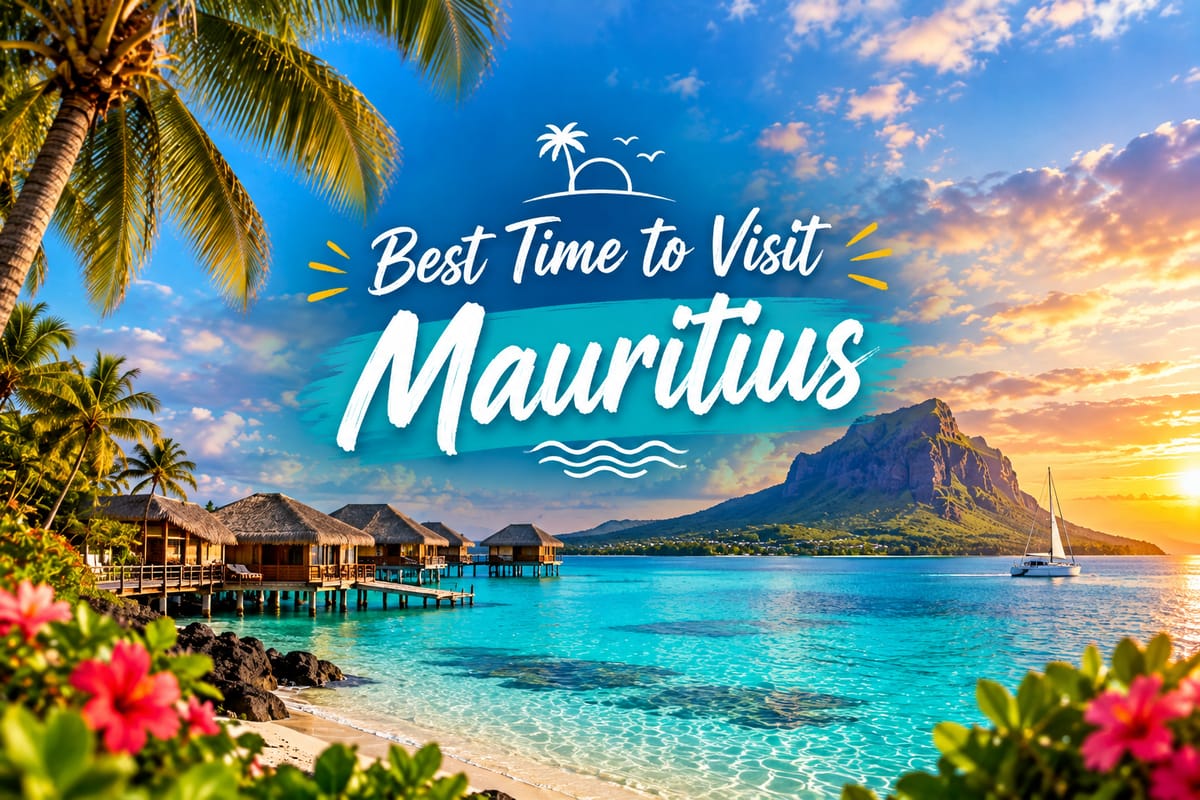
Mauritius looks like a beach holiday. But once you arrive, you realise that’s only the beginning.
Yes, there are beautiful lagoons, luxury resorts, and long stretches of white sand. But there are also waterfalls, mountain viewpoints, colourful villages, rum estates, botanical gardens, hiking trails, street food, markets, and a surprisingly rich mix of cultures.
That variety is what makes Mauritius so appealing. It can be a honeymoon, a family holiday, a luxury escape, a road trip, or a slow island break where you do almost nothing at all.
For most travellers, May to December offers some of the most comfortable conditions, with relatively cooler temperatures and generally pleasant weather. But the best month depends on what you want from the island. Let’s break it down.
Understanding Mauritius Weather
Mauritius has a tropical climate, meaning the island stays warm throughout the year. Instead of four traditional seasons, Mauritius broadly experiences:
- A warmer, more humid summer
- A cooler, drier winter
Because the island is influenced by the Indian Ocean, weather can change quickly. It may rain in one part of Mauritius while another area remains sunny. That’s why local forecasts are more useful than looking at a single island-wide prediction.
Summer in Mauritius: November to April
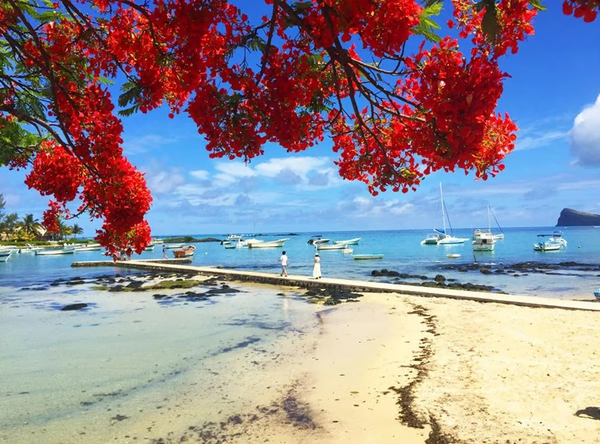
Mauritian summer is warm, humid, and tropical. Temperatures rise and rainfall becomes more frequent. This is also the period when tropical weather systems can occasionally affect the region.
The advantages?
- Warm sea temperatures
- Lush landscapes
- Excellent tropical atmosphere
- Great conditions for many water activities
Summer suits travellers who enjoy heat and don’t mind occasional tropical showers.
Winter in Mauritius: May to October
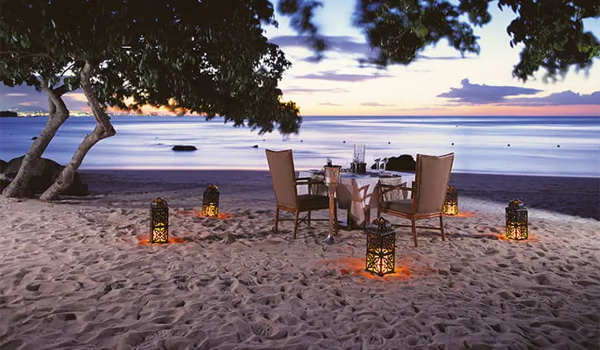
Mauritian winter is very different from winter in Europe. It remains pleasant and warm. Days are generally comfortable, humidity is lower, and sightseeing becomes easier.
This is often considered the best season for:
- Honeymoons
- Family holidays
- Hiking & Road trips
- Sightseeing & Golf
- Outdoor activities
Evenings can feel cooler, especially in inland and elevated areas.
Mauritius Month by Month
- January: Warm, humid, and tropical. January can bring frequent showers, although sunny periods are common too. Sea temperatures are warm and resort life remains enjoyable.
Best for: Resort stays and travellers comfortable with tropical weather. - February: Similar to January. Expect warmth, humidity, and occasional heavy rainfall. Travellers should keep some flexibility in their plans.
- March: Conditions begin gradually improving. Rain is still possible, but the island remains lush and beautifully green. A good month for travellers looking for resort value outside major holiday periods.
- April: One of the transitional months. Humidity begins easing and conditions become increasingly comfortable. April can be an excellent shoulder-season choice.
- May: One of the best months to visit Mauritius. Temperatures are pleasant, rainfall generally reduces, and the island becomes more comfortable for sightseeing. Excellent for couples and first-time visitors.
- June: Cooler, drier conditions arrive. This is a fantastic month for outdoor activities and exploring the island beyond the beaches.
- July: Mauritius is pleasantly warm during the day, although evenings can become cooler. Windier conditions may occur on certain coasts. Great for sightseeing and hiking.
- August: Another comfortable month. Beach conditions vary depending on the coast, but sightseeing weather is excellent. Families often travel during this period.
- September: One of Mauritius’ finest months. The weather is generally dry, comfortable, and sunny.
Best for: Honeymoons, beaches, road trips, photography, and outdoor adventures. - October: Arguably one of the best overall months. Temperatures warm up while rainfall remains relatively low. The sea becomes increasingly inviting.
- November: Summer begins returning. Days become warmer and humidity starts rising. Beach weather remains excellent.
- December: Mauritius enters its festive season. Expect warm tropical conditions and lively resorts during Christmas and New Year. Book well in advance if travelling during the holidays.
Best Time Based on Your Travel Style
- Honeymoon: May to October
- Family Holiday: May to October
- Beach Holiday: April to December
- Sightseeing: May to October
- Hiking: May to September
- Water Sports: Varies by activity and coast
- Luxury Resorts: Year-round
- Photography: May, September, and October
- Budget Travel: February to April and selected shoulder-season periods can offer better value.
Which Part of Mauritius Should You Stay In?
This matters more than many travellers realise. Different coasts have different personalities.
North Mauritius
The north is lively and convenient. Popular areas include Grand Baie and Pereybere.
This region works well for travellers who want:
- Restaurants & Nightlife
- Shopping
- Boat trips & Beaches
Grand Baie is particularly good for travellers who don’t want to feel isolated inside a resort.
West Mauritius
The west coast is famous for sunsets. Areas such as Flic en Flac combine long beaches with easy access to attractions.
It’s a strong choice for:
- Couples & Families
- Sunset lovers
- Water activities
East Mauritius
The east coast feels quieter and more resort-focused. Some of Mauritius’ most luxurious properties are located here.
It’s particularly attractive for travellers seeking:
- Privacy & Luxury
- Romantic stays
- Beautiful lagoons
The trade-off is that some areas can feel windier during certain months.
South Mauritius
Southern Mauritius feels more dramatic and natural. The coastline becomes rugged, landscapes become greener, and attractions are more spread out. It’s excellent for travellers interested in exploring rather than simply staying in one place.
Le Morne: One of Mauritius’ Most Beautiful Areas
Le Morne is one of the island’s defining landscapes. The dramatic Le Morne Brabant mountain rises above turquoise lagoons and beaches.
It’s particularly popular with:
- Honeymooners
- Luxury travellers
- Photographers
- Kite surfers
The region feels scenic and peaceful.
Atlas Insider Tip: Don’t choose your Mauritius hotel based only on the resort. Choose the coast first. Two equally beautiful resorts can create completely different holidays depending on location.
Ask yourself: Do I want nightlife? Privacy? Sunsets? Easy sightseeing? Water sports? Luxury isolation? Pick the coast that matches your travel style, then choose the hotel. That simple decision can completely change your Mauritius experience.
Mauritius Is More Than a Resort Holiday
One of the biggest mistakes travellers make is spending the entire trip inside their hotel. The resorts can be exceptional, but Mauritius deserves at least one or two days of exploration.
Consider visiting:
- Chamarel
- Black River Gorges
- Port Louis
- Pamplemousses Botanical Garden
- Le Morne
- Grand Bassin
- Local markets
- Tea estates & Rum distilleries
A resort stay becomes much more memorable when combined with some island discovery.
Chamarel
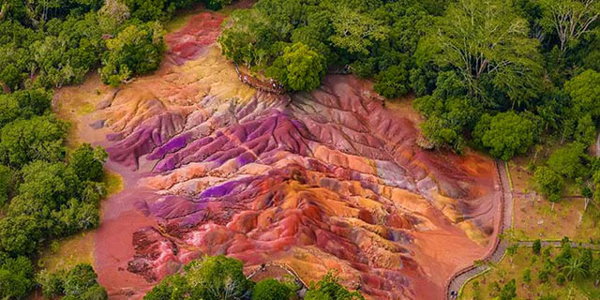
Chamarel is home to some of Mauritius’ most recognisable natural attractions. The Seven Coloured Earth showcases unusual dunes in different shades. Nearby, Chamarel Waterfall drops dramatically through lush surroundings. The region also offers scenic roads and excellent viewpoints.
Black River Gorges National Park
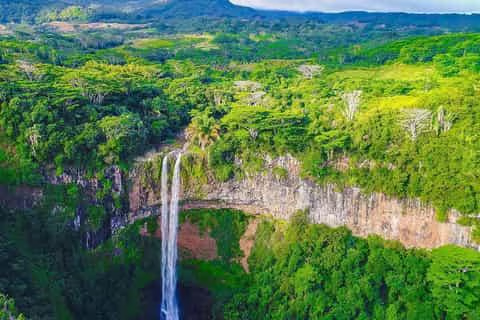
For travellers who think Mauritius is only beaches, this is the surprise.
Black River Gorges offers:
- Hiking trails
- Dense forests
- Waterfalls
- Scenic viewpoints
- Native wildlife
The landscape feels completely different from the resort areas along the coast.
Port Louis
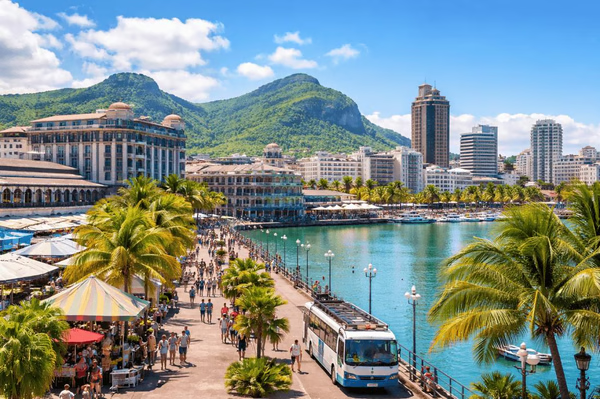
Mauritius’ capital gives you a glimpse into everyday island life.
Visit for:
- Central Market
- Street food
- Waterfront promenade
- Shopping
- Historical architecture
It works best as part of a wider sightseeing day rather than the focus of an entire holiday.
Mauritius for Honeymooners
Mauritius is one of the easiest honeymoon destinations to personalise. You can make it:
- Relaxed: Beach villa, spa treatments, and sunset dinners.
- Adventurous: Hiking, waterfalls, ziplining, and water sports.
- Luxurious: Private transfers, premium resorts, and romantic experiences.
- Exploratory: Rent a car or arrange tours and discover different parts of the island.
The best honeymoons usually combine several of these.
Destination Comparisons
Mauritius vs Maldives
This is one of the most common questions couples ask. They’re very different holidays.
Choose Maldives If You Want:
- Maximum privacy
- Overwater villas
- Crystal-clear lagoons
- Resort-focused relaxation
- Minimal sightseeing
Choose Mauritius If You Want:
- Beaches plus sightseeing
- Road trips
- Mountains & Waterfalls
- Cultural experiences
- More variety outside the resort
The Maldives is more about the resort. Mauritius is more about the island.
Mauritius vs Bali
Again, very different experiences.
Mauritius is better suited to travellers looking for:
- Relaxed luxury
- Pristine beaches & resorts
- Scenic drives
- Honeymoon atmosphere
Bali is better suited to travellers seeking:
- Cafés & Nightlife
- Temples & Cultural depth
- Wellness retreats
- Busy social areas
- A larger variety of accommodation styles
How Many Days Do You Need in Mauritius?
- 4 Nights: Enough for a relaxed resort break with limited sightseeing.
- 5 to 6 Nights: Excellent for combining resort time with island exploration.
- 7 Nights: Ideal for a balanced holiday.
- 8 to 10 Nights: Perfect for travellers who want to explore slowly and still enjoy plenty of relaxation.
For most travellers, 6 to 7 nights works extremely well.
Food & Local Culture
Mauritian cuisine reflects Indian, Creole, Chinese, African, and European influences. That mix creates one of the island’s most enjoyable surprises.
Try:
- Dholl Puri: A thin flatbread filled with ground split peas and commonly served with curries or chutneys.
- Gateau Piment: Small chilli cakes made from split peas; a popular local snack.
- Rougaille: A tomato-based Creole preparation served with various ingredients.
- Mine Frite: Mauritian-style fried noodles.
- Fresh Seafood: Naturally, seafood features prominently across the island.
Vegetarian Food in Mauritius
Indian travellers generally find Mauritius very comfortable for vegetarian food. Thanks to the island’s large population of Indian origin and multicultural cuisine, vegetarian options are widespread. Many resorts also cater well to Indian dietary preferences. Still, travellers with strict Jain or vegan requirements should communicate them with the property before arrival.
Water Activities in Mauritius
The island offers far more than swimming. Depending on location and conditions, activities may include:
- Snorkelling & Diving
- Parasailing & Kayaking
- Catamaran cruises
- Kite surfing
- Dolphin excursions
- Stand-up paddleboarding
Always use reputable operators, especially for wildlife-related activities. Responsible tourism matters.
Essential Travel Tips Before You Go
- Choose your coast before choosing your hotel.
- Keep at least one or two days for sightseeing.
- Carry light layers for cooler winter evenings.
- Use sunscreen even on cloudy days.
- Check seasonal wind conditions if beach swimming is important to you.
- Book festive-season travel early.
- Compare meal plans carefully when choosing resorts.
- Carry comfortable footwear for hiking and sightseeing.
- Don’t underestimate driving time across the island.
Quick Summary
| Travel Goal | Best Time |
|---|---|
| Overall Best Time | May to October |
| Honeymoon | May to October |
| Beaches | April to December |
| Sightseeing | May to October |
| Hiking | May to September |
| Warmest Weather | December to March |
| Comfortable Weather | May to October |
| Photography | May, September, October |
Frequently Asked Questions
What is the best month to visit Mauritius?
September and October are particularly attractive because temperatures are pleasant, conditions are relatively dry, and the island is excellent for both beaches and sightseeing.
Is Mauritius good for honeymooners?
Yes. Mauritius is one of the strongest honeymoon destinations for couples who want both a luxury resort experience and activities outside the hotel.
How many days are enough for Mauritius?
Around 6 to 7 nights offers an excellent balance between relaxation and island exploration.
Does Mauritius have a rainy season?
The warmer summer months from approximately November to April tend to be more humid and receive more rainfall, although tropical weather can vary considerably from day to day.
Mauritius or Maldives: which is better for honeymoon?
Choose Maldives for privacy, overwater villas, and resort-focused relaxation. Choose Mauritius if you want beaches combined with sightseeing, road trips, and activities.
Is Mauritius expensive?
Mauritius can range from comfortable mid-range travel to ultra-luxury resorts. The overall cost depends heavily on flights, hotel category, meal plan, and activities.
Is Mauritius good for Indian families?
Yes. Shorter cultural adjustment, plentiful vegetarian food, family-friendly resorts, and a wide range of activities make Mauritius particularly convenient for Indian families.
Continue Exploring on Mindflix Atlas
- Best Time to Visit Every Country
- Best Time to Visit Maldives
- Best Time to Visit Sri Lanka
- Best Time to Visit Bali
- Best Time to Visit Malaysia
- Best Time to Visit Vietnam
- Mauritius Travel Guide (Coming Soon)
- Mauritius vs Maldives: Which Should You Choose? (Coming Soon)
- Best Honeymoon Destinations from India (Coming Soon)
- The Perfect 7-Day Mauritius Itinerary (Coming Soon)
Mauritius is one of those destinations that gives you permission to do both. Do nothing all morning, then chase a waterfall in the afternoon. Spend one day inside a beautiful resort, then drive through forests, villages, and mountain roads the next.
Come for the beaches; stay for everything beyond them. Mindflix Atlas helps you understand the destination before you book it, so you can travel smarter and experience more.