
Best Time to Visit Nepal: Kathmandu, Pokhara, Trekking & Month-by-Month Guide (2026)
Jay Vora
Founder & CEO
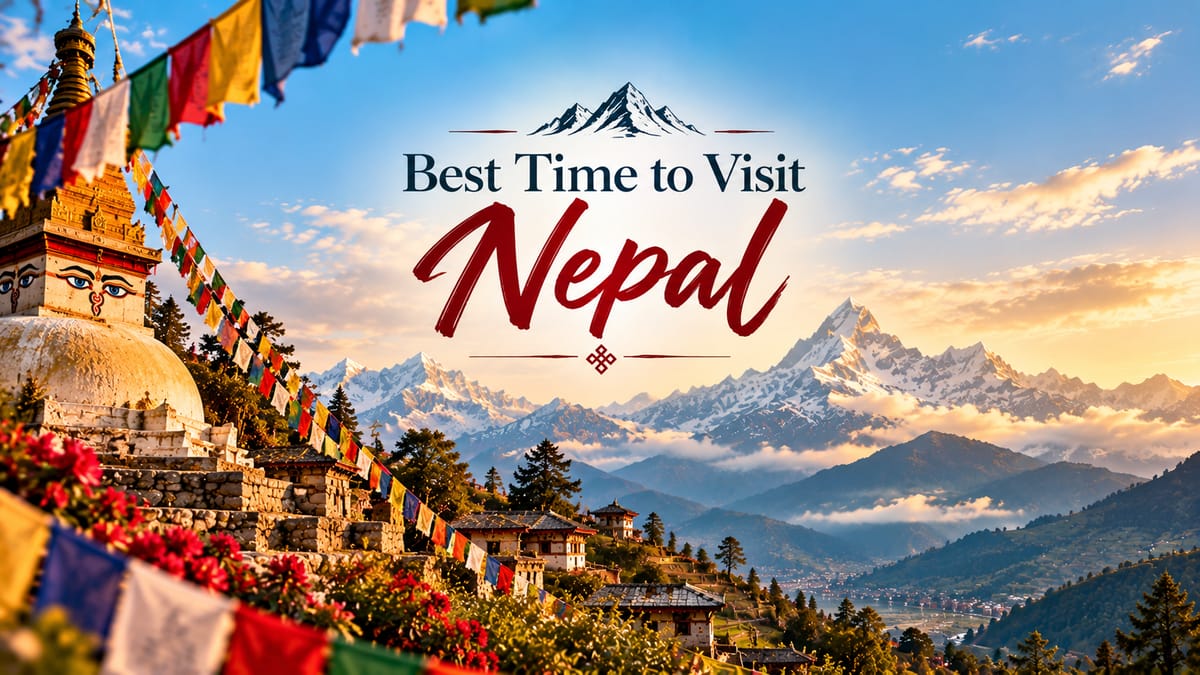
Best Time to Visit Nepal
Nepal is one of those countries that can mean completely different things to different travellers.
For some, it is Everest.
For others, it is Kathmandu’s temple courtyards, Pokhara’s lakeside cafés, jungle safaris in Chitwan or a quiet mountain village reached after several days on foot.
That variety makes timing especially important.
For most first-time travellers, October to November and March to April are among the best times to visit Nepal.
Autumn generally brings clearer mountain views and excellent trekking conditions.
Spring brings warmer temperatures, blooming rhododendrons and another strong trekking season.
But Nepal is much more than trekking.
The right month depends on whether you want mountains, culture, wildlife or simply a comfortable first journey.
Understanding Nepal’s Seasons
Nepal’s climate changes dramatically with altitude.
Kathmandu Valley can feel comfortable while high mountain regions are freezing.
The southern plains can be hot when the Himalayas remain covered in snow.
Broadly, the year can be divided into:
- Spring: March to May
- Summer/Monsoon: June to August
- Autumn: September to November
- Winter: December to February
For most travellers, autumn and spring are the easiest seasons.
Spring in Nepal: March to May
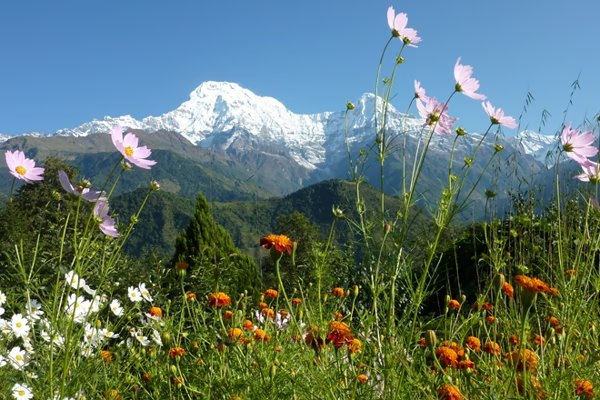
Spring is one of Nepal’s most rewarding seasons.
Temperatures rise.
Mountain trails become busier.
Rhododendrons bloom across many trekking regions.
March and April are especially strong for:
- Trekking
- Pokhara
- Kathmandu
- Mountain photography
- Cultural travel
By May, lower areas become noticeably warmer and pre-monsoon conditions can build.
Monsoon in Nepal: June to August
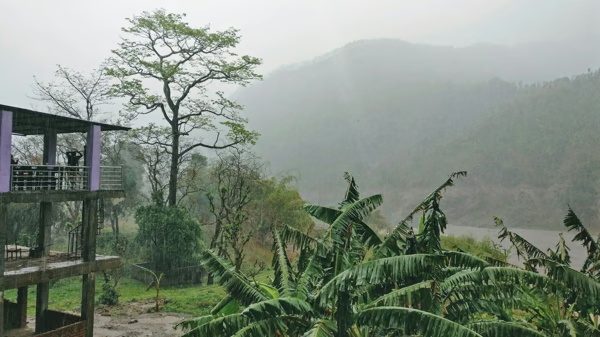
Summer overlaps with the monsoon.
Expect:
- Heavy rain
- Cloud cover
- Humidity
- Muddy trails
- Occasional transport disruption
The landscapes become extremely green.
Tourist numbers fall.
Some rain-shadow trekking regions can still work well, but for a classic first Nepal trip, this is usually not the easiest season.
Autumn in Nepal: September to November
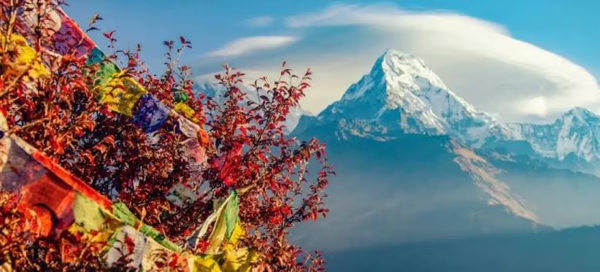
Autumn is Nepal’s most famous travel season.
The monsoon clears.
Skies often become crisp.
Mountain views improve.
Temperatures are comfortable.
This is one of the best periods for:
- Everest region
- Annapurna region
- Kathmandu
- Pokhara
- Photography
- First-time trekking
October is particularly popular.
Winter in Nepal: December to February
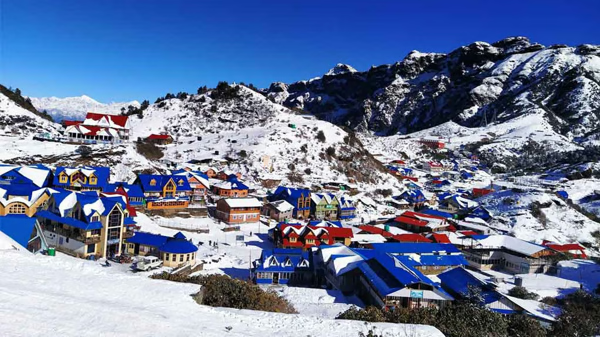
Winter brings clear skies and colder conditions.
Kathmandu and Pokhara remain perfectly visitable.
High-altitude trekking becomes much more demanding.
Some mountain routes can be affected by snow.
Winter works well for:
- Cultural trips
- Lower-altitude hikes
- Quieter travel
- Clear mountain views
Pack properly.
Nepal Month by Month
January
Cold and relatively quiet.
Mountain views can be excellent on clear days.
Best for: Kathmandu, Pokhara, lower-altitude travel and fewer crowds.
February
Still cool, but conditions begin improving.
Later February can be a pleasant time before the spring trekking rush.
March
Spring begins.
Temperatures become more comfortable and trekking conditions improve.
April
One of Nepal’s best months.
Excellent for trekking, rhododendrons and broader sightseeing.
May
Warmer and increasingly humid.
Pre-monsoon weather can reduce mountain visibility later in the day.
June
The monsoon begins.
Rain becomes much more frequent.
July
One of the wettest months.
Trails can become muddy and cloud cover may hide mountain views.
August
Monsoon conditions continue.
The countryside is intensely green.
September
Rain begins easing.
The trekking season starts building again, especially later in the month.
October
Arguably Nepal’s strongest all-round month.
Expect excellent trekking conditions, clear views and high visitor numbers.
November
Another outstanding month.
Cooler, dry and generally excellent for mountains.
December
Winter arrives.
Skies can remain clear, but nights become much colder.
Best Time Based on Your Travel Style
First-Time Visit
March-April, October-November
Kathmandu
February-April, October-November
Pokhara
March-April, October-November
Everest Region
March-May, October-November
Annapurna Region
March-April, October-November
Chitwan
October-March
Photography
October-November
Fewer Crowds
January-February, June-August
Kathmandu
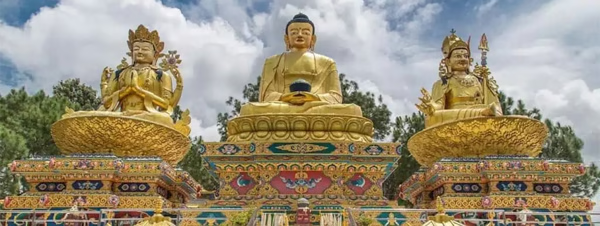
Kathmandu can feel chaotic when you first arrive.
Traffic.
Temples.
Prayer flags.
Courtyards.
Markets.
Old brick buildings.
Modern cafés.
It is a city where ancient religious life and everyday urban life constantly overlap.
Highlights include:
- Kathmandu Durbar Square
- Swayambhunath
- Boudhanath
- Pashupatinath
- Thamel
Give the city time.
It becomes more interesting once you stop treating it only as a gateway to the mountains.
Boudhanath
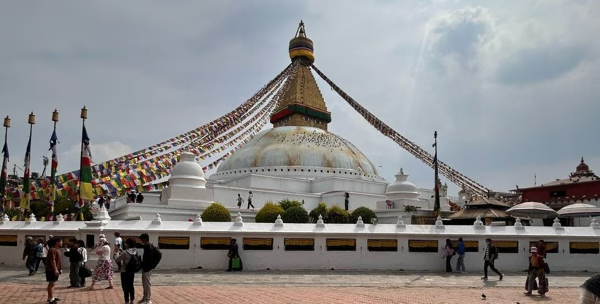
Boudhanath is one of Kathmandu’s most important Buddhist sites.
The huge white stupa dominates the surrounding square.
Visit in the late afternoon.
As daylight softens, pilgrims circle the stupa and lamps begin appearing around the area.
It becomes especially atmospheric toward evening.
Swayambhunath
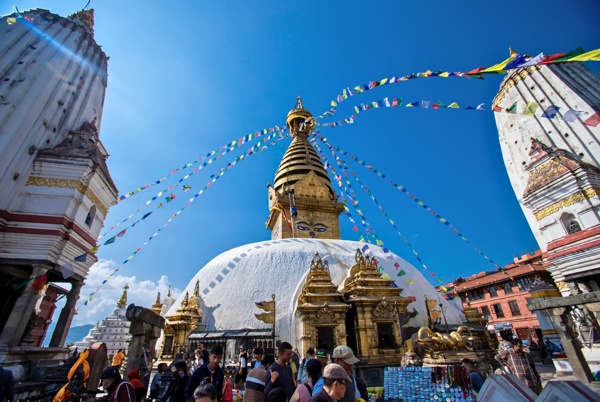
Often called the Monkey Temple, Swayambhunath sits on a hill above Kathmandu.
The climb is part of the experience.
From the top, you get excellent views across the valley on clear days.
Atlas Insider Tip
If mountain views matter to you, plan important scenic experiences early in the morning.
In Nepal, visibility can deteriorate later in the day as haze or clouds build.
This applies especially to viewpoints around Pokhara and mountain-flight days.
If the Himalayas are clear when you wake up, don’t postpone the view.
Go.
Pokhara
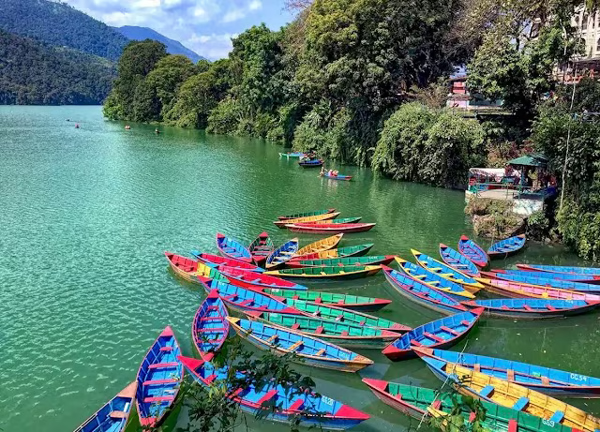
Pokhara feels completely different from Kathmandu.
It is calmer, greener and built around Phewa Lake.
On clear mornings, the Annapurna range appears dramatically beyond the city.
Pokhara works well for:
- Couples
- Families
- Short hikes
- Paragliding
- Lakeside travel
- Trekking departures
Most first-time Nepal trips should include it.
Sarangkot
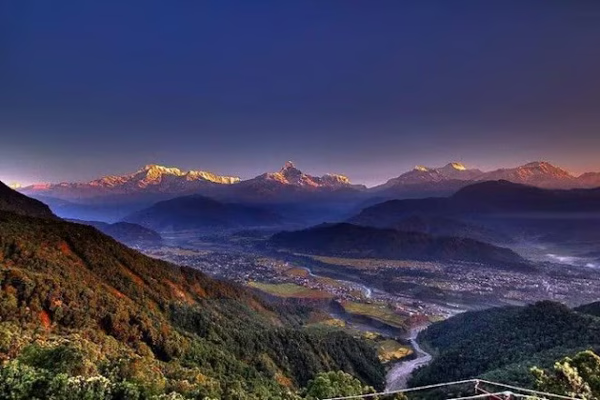
Sarangkot is one of the best-known viewpoints near Pokhara.
Travellers come for sunrise views over the Himalayas.
Clouds can affect visibility, so keep expectations realistic.
When the sky is clear, the experience is extraordinary.
Everest
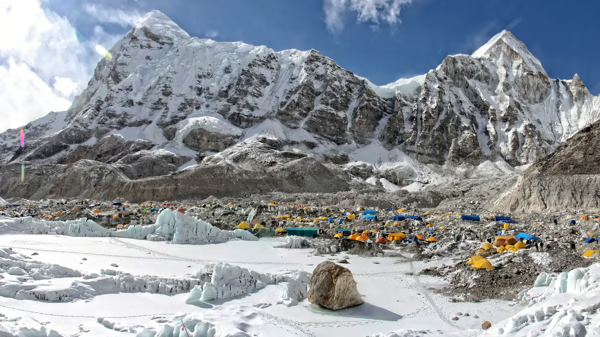
Mount Everest shapes Nepal’s global identity.
But you do not need to climb it—or even trek to Everest Base Camp—to experience the Everest region.
Options include:
- Everest Base Camp trek
- Scenic mountain flights
- Helicopter experiences
- Lower-altitude treks
The right choice depends on time, fitness, budget and altitude tolerance.
Everest Base Camp
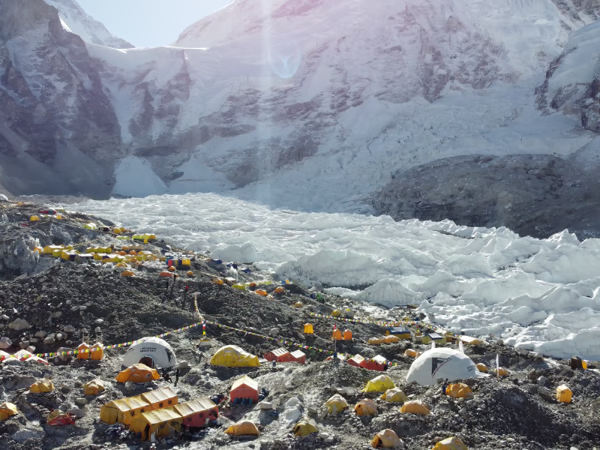
The Everest Base Camp trek is one of the world’s iconic trekking journeys.
It is not a casual walk.
Travellers must account for:
- Altitude
- Acclimatisation
- Cold
- Weather
- Physical fitness
- Multiple trekking days
Do not rush the itinerary.
Proper acclimatisation is more important than finishing quickly.
Annapurna Region
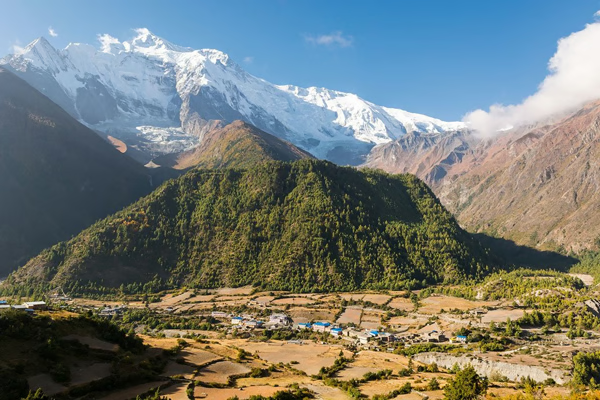
The Annapurna region offers some of Nepal’s most varied trekking.
Routes range from shorter village walks to major multi-day circuits.
Popular experiences include:
- Annapurna Base Camp
- Ghorepani and Poon Hill
- Annapurna Circuit
- Mardi Himal
This makes the region more flexible for travellers with different fitness levels and trip lengths.
Trekking Is Not One Experience
A common mistake is talking about “trekking in Nepal” as though it means one thing.
It can mean:
- A two-day village walk
- A one-week mountain route
- A two-week high-altitude trek
- A technical expedition
Choose the trek around your fitness and experience.
Not around the photograph you saw online.
Altitude Matters
Altitude sickness can affect anyone.
Fitness does not make you immune.
The safest approach is to:
- Ascend gradually
- Build acclimatisation days
- Stay hydrated
- Follow guide advice
- Descend if serious symptoms develop
Never treat altitude symptoms as something to “push through.”
Chitwan National Park
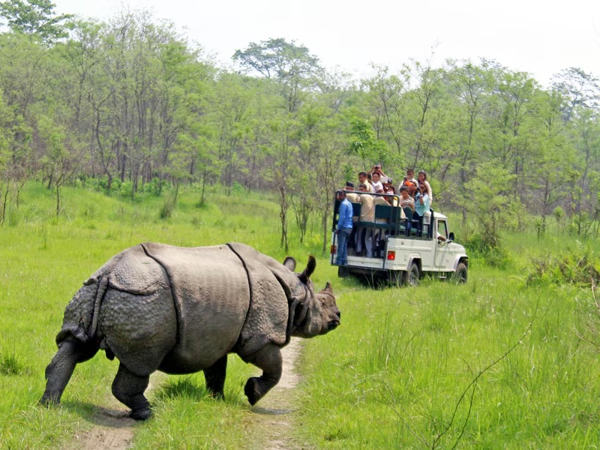
Nepal is not only mountains.
Chitwan offers a completely different experience in the southern lowlands.
Travellers visit for:
- Jungle safaris
- Birdlife
- Rhinos
- River landscapes
- Nature walks
It works especially well as a contrast after Kathmandu or Pokhara.
Responsible Wildlife Travel
Choose operators that prioritise wildlife welfare.
Avoid activities that rely on stressful or exploitative animal interactions.
Safari experiences should focus on observing animals responsibly in their habitat.
Lumbini
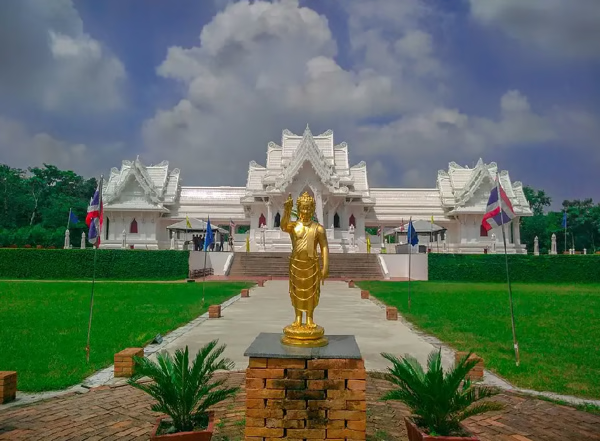
Lumbini is traditionally regarded as the birthplace of the Buddha.
It is an important pilgrimage destination with monasteries built by Buddhist communities from around the world.
It works best for travellers with a strong interest in religion, history and slow cultural travel.
Nepal for Couples
Nepal can be a surprisingly romantic destination.
Not in the conventional luxury-resort sense.
But in a quieter way.
Think:
- Mountain-view hotels
- Lakeside stays
- Short scenic hikes
- Heritage courtyards
- Slow cafés
- Sunrise viewpoints
A honeymoon here suits couples who prefer experiences over resort isolation.
Nepal for Families
Families can enjoy Nepal too.
Kathmandu, Pokhara and Chitwan work particularly well.
High-altitude trekking requires much more careful planning with children.
For many families, shorter walks and cultural experiences are the smarter choice.
Nepal for Indian Travellers
Nepal is one of the most accessible international destinations for Indian travellers.
Its proximity makes shorter itineraries practical.
But don’t underestimate the country just because it is nearby.
A well-planned Nepal trip can combine:
- Culture
- Mountains
- Adventure
- Wildlife
- Food
- Slow travel
without requiring a very long holiday.
Entry and document requirements can change, so travellers should always verify current official guidance before departure.
What Should You Eat in Nepal?
Nepali food is warming, comforting and ideal after long days outside.
Dal Bhat
A staple meal usually built around lentils, rice and accompanying vegetables or curries.
Momos
Dumplings filled with vegetables or meat.
You’ll find them everywhere.
Thukpa
A warming noodle soup especially popular in colder mountain regions.
Sel Roti
A traditional ring-shaped rice bread often eaten during festivals and celebrations.
Vegetarian Travel in Nepal
Vegetarian travel is easy.
Dal bhat alone can sustain you across much of the country.
You’ll also find:
- Vegetable momos
- Lentils
- Rice
- Potato dishes
- Noodles
- Curries
On trekking routes, menus can become repetitive, but vegetarian options are usually available.
What to Pack for Nepal
Your packing list should depend heavily on altitude.
For a classic city trip:
- Comfortable walking shoes
- Light layers
- Rain jacket in transitional months
- Sun protection
For trekking:
- Proper footwear
- Thermal layers
- Insulation
- Gloves
- Hat
- Trekking poles if useful
- Appropriate rain or snow protection
Do not pack for Kathmandu weather if your itinerary goes into the mountains.
How Many Days Do You Need in Nepal?
4 to 5 Days
Kathmandu + nearby cultural sites
6 to 7 Days
Kathmandu + Pokhara
8 to 10 Days
Kathmandu + Pokhara + Chitwan
10 to 14 Days
Better for trekking or a broader first journey
2 Weeks+
Ideal for major trekking routes
For a first non-trekking trip, 7 to 10 days works extremely well.
A Good First-Time Nepal Route
A strong first itinerary could be:
Kathmandu → Pokhara → Chitwan → Kathmandu
If trekking is the priority:
Kathmandu → Pokhara → Annapurna region → Kathmandu
If Everest is the dream:
Build the trip around the Everest region and give altitude enough time.
Do not try to combine everything into one short itinerary.
Travel Tips Before You Go
- Travel in October-November or March-April for the easiest first visit.
- Plan mountain viewpoints early in the morning.
- Build acclimatisation into high-altitude itineraries.
- Never rush an Everest trek.
- Pack according to altitude, not just city weather.
- Keep some buffer for weather-related flight delays in mountain regions.
- Choose responsible wildlife experiences.
- Give Kathmandu at least two nights.
- Don’t treat Pokhara as only a one-night stop.
- Verify current entry and trekking requirements before travelling.
Quick Summary
| Travel Goal | Best Time |
|---|---|
| Overall Best Time | March-April, October-November |
| Kathmandu | February-April, October-November |
| Pokhara | March-April, October-November |
| Everest Region | March-May, October-November |
| Annapurna | March-April, October-November |
| Chitwan | October-March |
| Photography | October-November |
| Fewer Crowds | Winter & Monsoon |
Frequently Asked Questions
What is the best month to visit Nepal?
October and November are among the strongest months for clear mountain views, trekking and comfortable sightseeing.
How many days are enough for Nepal?
Around 7 to 10 days works very well for Kathmandu, Pokhara and Chitwan.
Is Nepal only for trekkers?
Not at all. Kathmandu, Pokhara, Chitwan, heritage sites and mountain viewpoints make Nepal rewarding even without a multi-day trek.
When is the best time for Everest Base Camp?
Spring and autumn are the main trekking seasons, especially March to May and October to November, depending on conditions.
Is Pokhara worth visiting?
Yes. For most first-time travellers, Pokhara provides the perfect contrast to Kathmandu with lake scenery, mountain views and a slower pace.
Nepal or Bhutan?
Choose Nepal for trekking variety, larger cities, more independent travel and adventure.
Choose Bhutan for quieter valley journeys, monasteries and a more controlled style of tourism.
Both deserve separate trips.
Continue Exploring on Mindflix Atlas
- Best Time to Visit Bhutan
- Best Time to Visit Sri Lanka
- Best Time to Visit Thailand
- Best Time to Visit Kazakhstan
- Best Time to Visit Every Country
- Nepal Travel Guide (Coming Soon)
- Kathmandu Travel Guide (Coming Soon)
- Pokhara Travel Guide (Coming Soon)
- Everest Base Camp Guide (Coming Soon)
- The Perfect 8-Day Nepal Itinerary (Coming Soon)
- Bhutan vs Nepal (Coming Soon)
Nepal has a way of making the journey feel larger than the itinerary.
You might arrive thinking about Everest.
And leave remembering a quiet temple courtyard.
A misty morning beside Phewa Lake.
A plate of momos after a long walk.
Or the first moment the clouds disappear and the Himalayas suddenly fill the horizon.
The mountains are extraordinary.
But Nepal is more memorable when you allow everything around them to matter too.
Mindflix Atlas helps you understand the destination before you book it, so you can travel smarter and experience more.