
Best Time to Visit Peru: Machu Picchu, Cusco & Month-by-Month Guide (2026)
Jay Vora
Founder & CEO
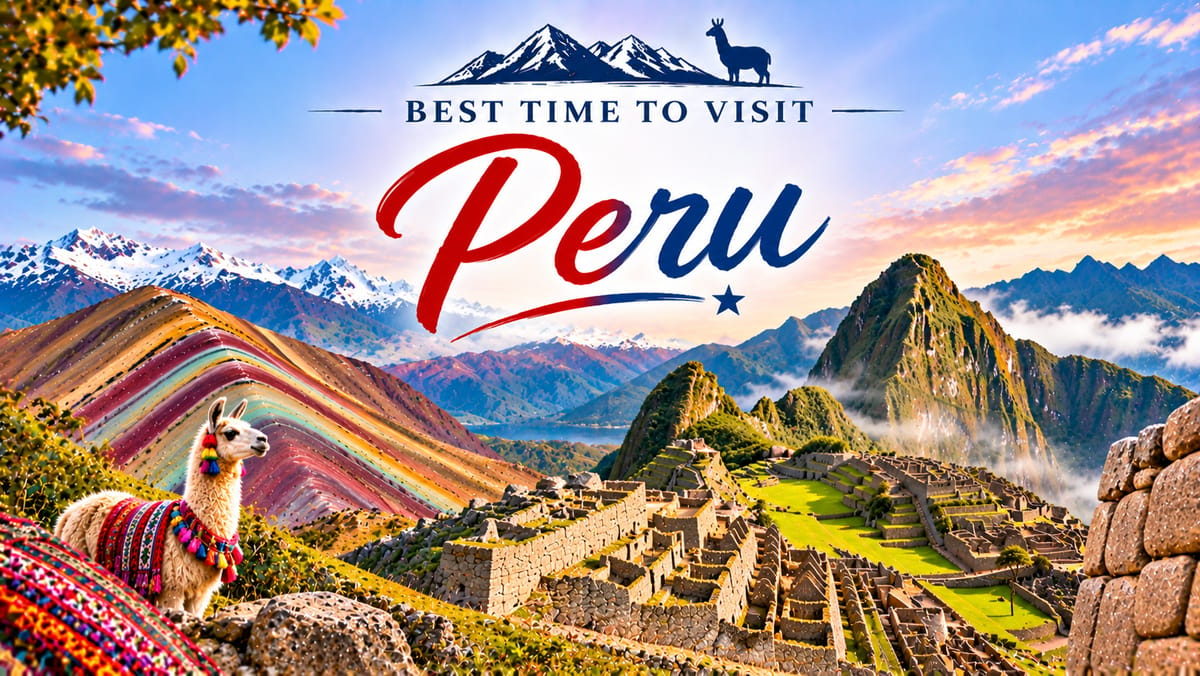
Best Time to Visit Peru
Peru is one of those destinations where geography controls almost everything.
Lima sits beside the Pacific.
Cusco rises high in the Andes.
Machu Picchu lies among cloud-covered mountains.
The Amazon feels completely different again.
So there is no single best month for every part of Peru.
For most first-time travellers planning Cusco, Sacred Valley and Machu Picchu, May to September is generally the easiest period because the Andes experience their drier season, with sunnier days and colder nights. Peru’s official tourism information identifies roughly April to October as the drier period in the Andes.
But the dry season is also the busiest.
If you want fewer visitors while still having a reasonable chance of good conditions, April, May, September and October can offer an excellent balance.
Understanding Peru’s Climate
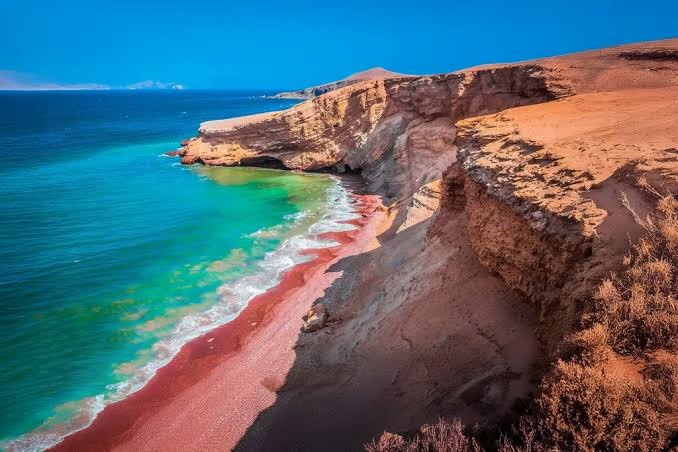
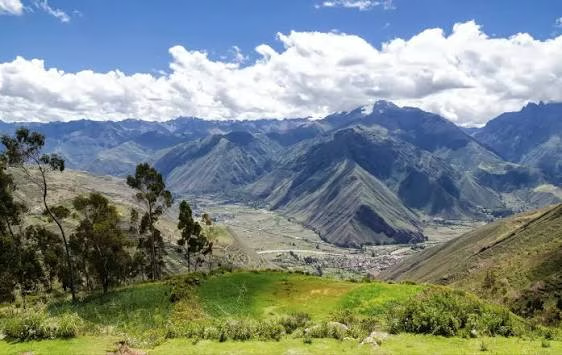
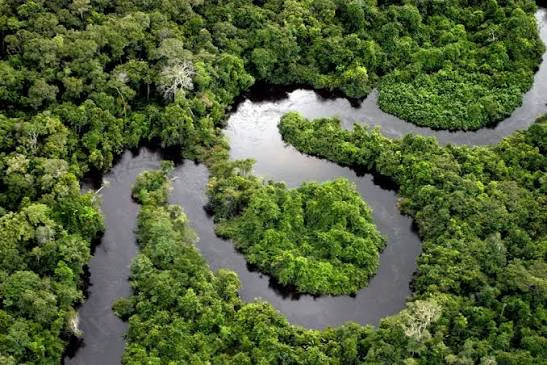
Peru has three broad geographic zones:
- Pacific coast
- Andes
- Amazon
Each has a very different climate.
According to Peru’s official tourism guidance, the Andes generally have a drier period from April to October and a wetter period from November to March, while the Amazon also tends to receive more rainfall from November to March.
That is why planning Peru by region matters.
The Best Time for Machu Picchu
For most travellers, May to September offers the most reliable weather for visiting Machu Picchu.
You are more likely to encounter:
- Clearer mountain views
- Less rain
- Better trekking conditions
- Easier photography
But this is also the busiest period.
June through August can feel particularly crowded.
If you prefer a compromise between weather and visitor numbers, consider:
May or September.
Peru Month by Month
January
One of the wetter months in the Andes.
Cusco and Machu Picchu can experience rain, clouds and lush landscapes.
Best for: Fewer crowds and greener scenery.
February
Rain continues.
Some trekking routes may operate differently during the wet season.
Travellers should check current trail and access conditions before planning.
March
The wet season begins easing.
The landscape remains beautifully green.
A useful shoulder-season month for flexible travellers.
April
One of Peru’s best transition months.
Rainfall drops and trekking conditions improve.
This is an excellent time for:
- Cusco
- Sacred Valley
- Machu Picchu
May
One of the strongest all-round months.
Expect drier weather, good mountain visibility and slightly fewer visitors than peak June and July.
June
Peak dry season.
Excellent for hiking and sightseeing.
Cusco is especially lively around major June celebrations.
Book early.
July
One of the driest months.
Days can be sunny while nights in the Andes become very cold.
Peak tourist demand continues.
August
Dry weather remains strong.
An excellent month for trekking, but major sites remain busy.
September
One of the best months overall.
Conditions remain relatively dry while peak crowds start easing.
October
Another excellent shoulder-season month.
Rainfall may begin increasing later in the month, but travel conditions are often still strong.
November
The wetter season begins returning.
Crowds reduce and landscapes turn greener.
December
Rain becomes more frequent in the Andes.
The festive period can still create high travel demand.
Best Time Based on Your Travel Style
First-Time Visit
May-September
Machu Picchu
May-September
Cusco
April-October
Sacred Valley
April-October
Trekking
May-September
Lima
December-April for warmer coastal weather
Amazon
April-October for generally lower rainfall, depending on region
Fewer Crowds
April-May, September-October
Lima
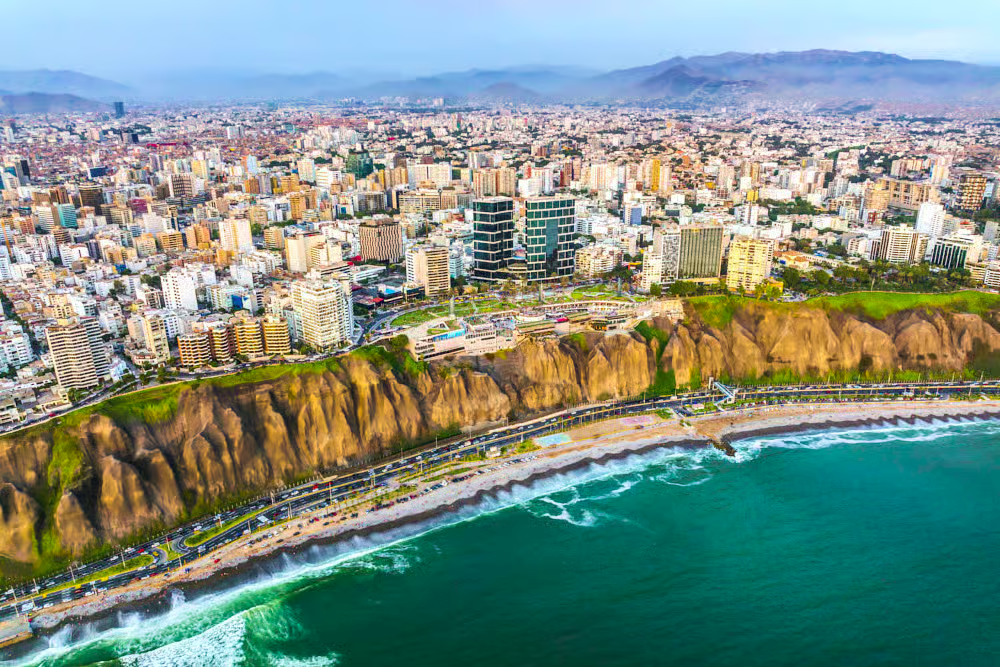
Lima is often treated as a transit city.
That is a mistake, especially if food matters to you.
The city combines:
- Pacific coastline
- Colonial history
- Modern neighbourhoods
- Extraordinary restaurants
- Museums
Popular areas include:
- Miraflores
- Barranco
- Historic Centre
Two nights is usually enough for a first visit.
Three is better for serious food travellers.
Peru Is One of the World’s Great Food Destinations
Peruvian cuisine is one of the strongest reasons to spend time in Lima.
The country’s food reflects:
- Indigenous ingredients
- Spanish influence
- African traditions
- Chinese migration
- Japanese migration
That mix creates an unusually diverse culinary culture.
Ceviche
Ceviche is one of Peru’s most famous dishes.
It typically combines raw fish cured in citrus with chilli, onion and accompaniments.
For many travellers, Lima is the best place to begin exploring it.
Cusco
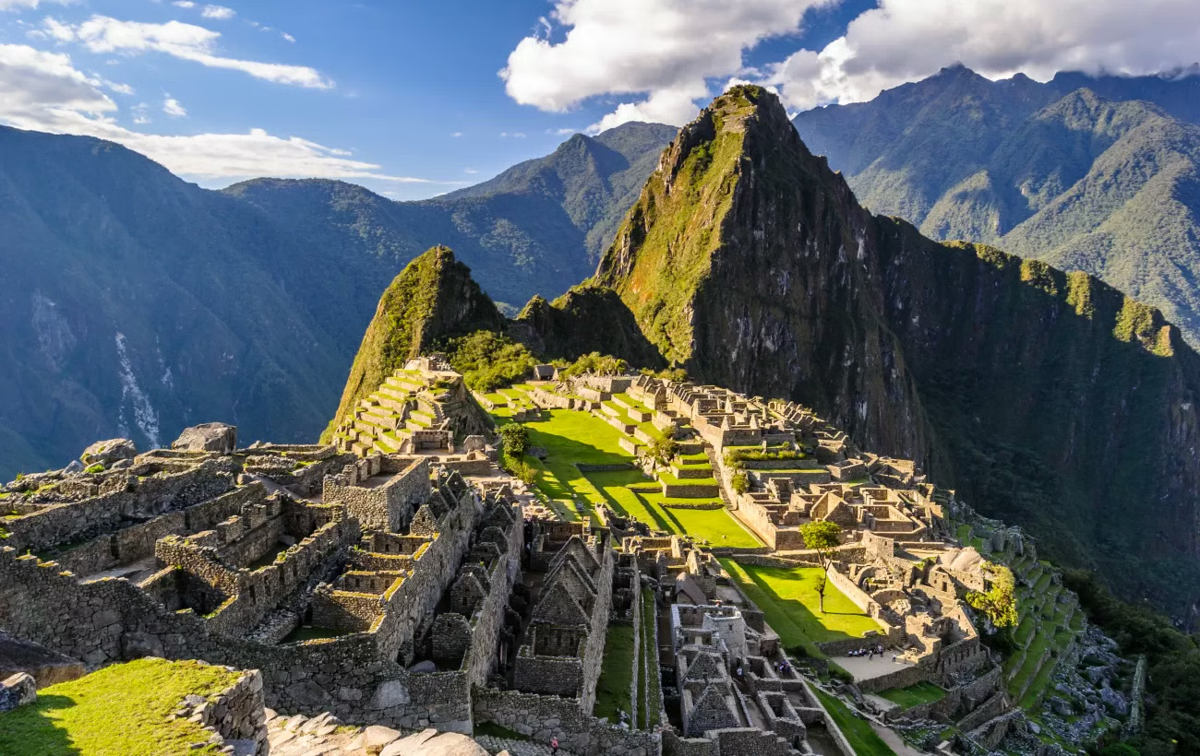
Cusco is much more than the gateway to Machu Picchu.
It was once the heart of the Inca Empire and remains one of South America’s most fascinating historic cities.
Highlights include:
- Plaza de Armas
- Qorikancha
- San Blas
- San Pedro Market
- Inca stonework
- Colonial churches
Give Cusco at least two full days.
Altitude in Cusco
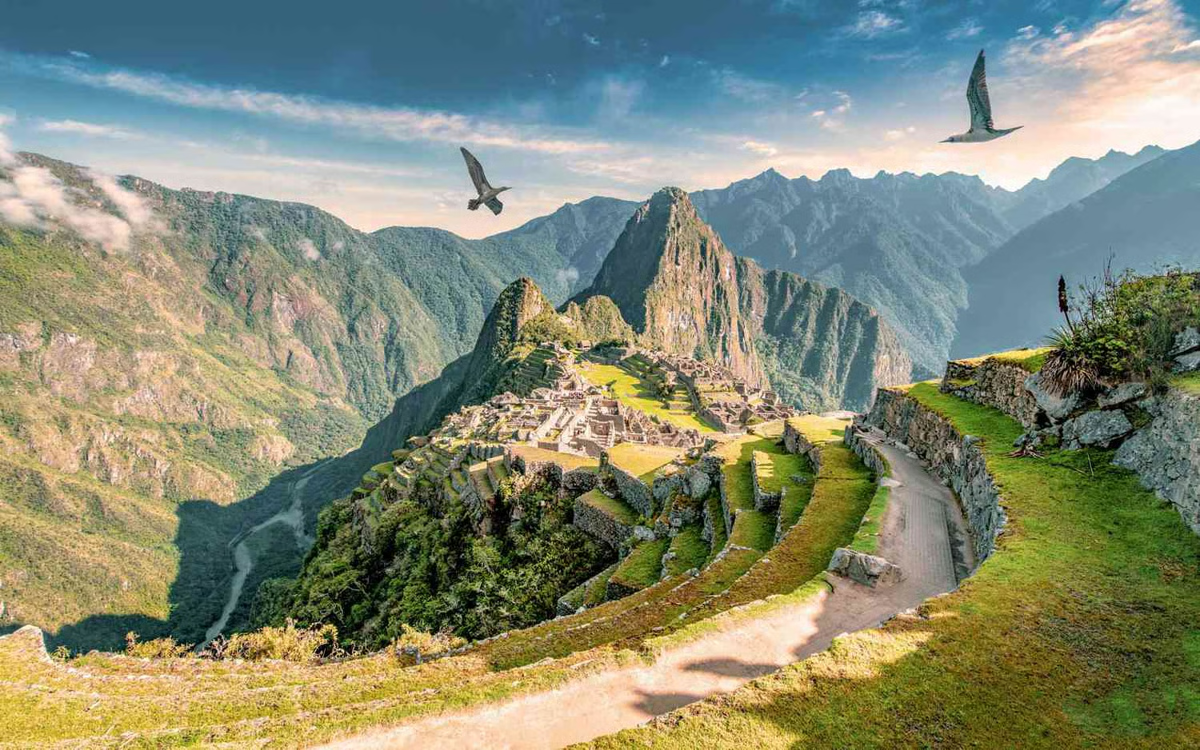
Cusco sits at roughly 3,400 metres above sea level.
That matters.
Some travellers feel:
- Headaches
- Fatigue
- Shortness of breath
- Poor sleep
Do not arrive and immediately schedule an exhausting day.
Give your body time.
Atlas Insider Tip
If your itinerary allows, consider travelling from Cusco into the Sacred Valley soon after arrival rather than spending your first full days at higher altitude.
Many Sacred Valley locations sit lower than Cusco.
That can make the first stage of acclimatisation more comfortable before returning to Cusco later.
Sacred Valley
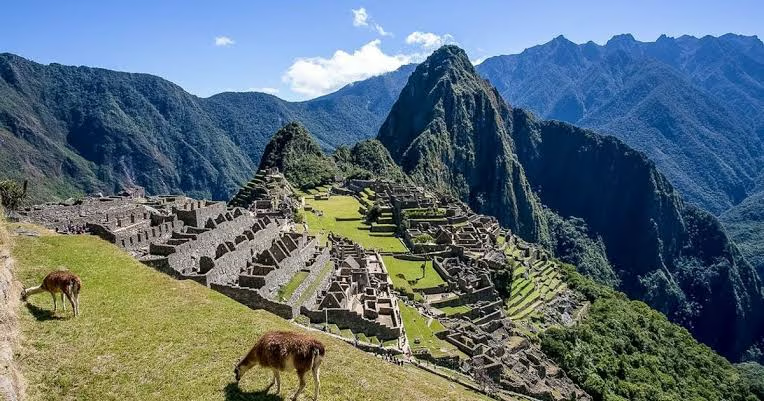
The Sacred Valley is not simply somewhere you pass through on the way to Machu Picchu.
It deserves proper time.
Popular stops include:
- Pisac
- Ollantaytambo
- Moray
- Maras
- Chinchero
The valley combines archaeology, villages, mountains and agricultural landscapes.
Two nights can significantly improve the trip.
Ollantaytambo
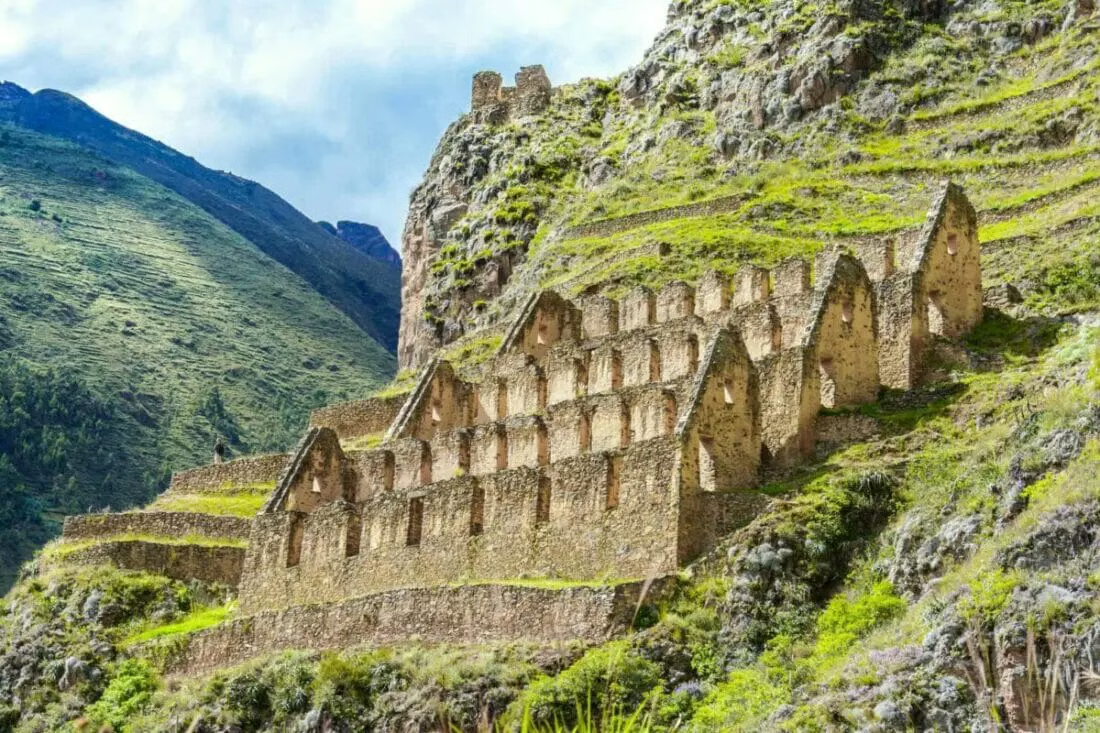
Ollantaytambo is one of the Sacred Valley’s most rewarding towns.
It combines:
- Inca ruins
- Narrow historic streets
- Mountain scenery
- Train access toward Machu Picchu
Instead of treating it as a quick photo stop, consider staying overnight.
Machu Picchu
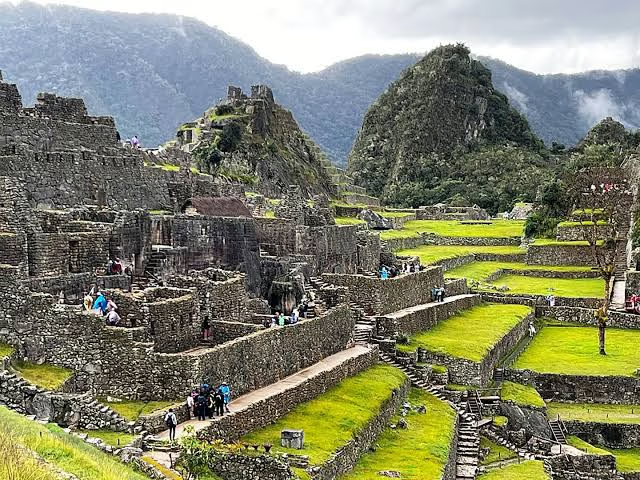
Machu Picchu is Peru’s headline attraction.
And despite its fame, arriving there for the first time can still feel extraordinary.
The site sits between steep green mountains in a landscape that feels almost impossible.
But modern visits require planning.
Machu Picchu Circuits Matter
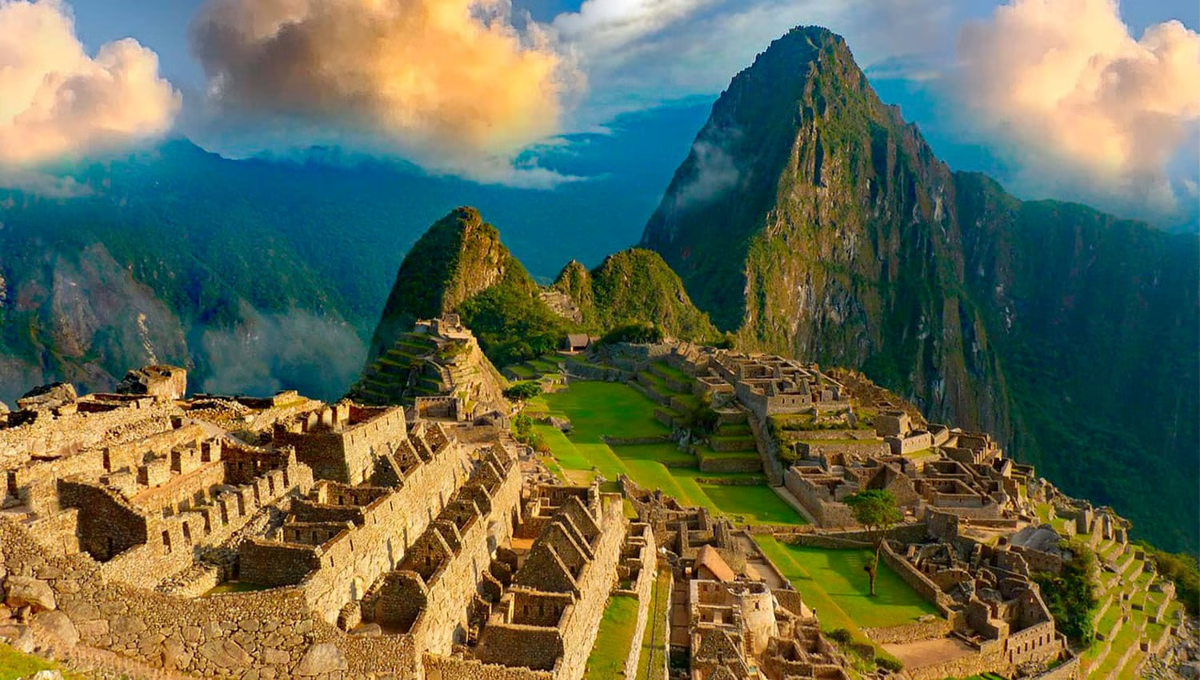
Machu Picchu no longer operates as one unrestricted site where visitors simply wander wherever they want.
The official system currently uses three main circuits grouping multiple routes, and different tickets provide different experiences and viewpoints.
That means choosing the right ticket is part of planning the trip.
Do not buy the first available entry without understanding what that route actually includes.
Atlas Insider Tip: Choose the Machu Picchu Route Before the Hotel
For many travellers, the iconic panoramic viewpoint is one of the main reasons for visiting.
Different circuits provide different perspectives.
So before finalising your Machu Picchu day:
- Understand the current circuit options.
- Choose the route that matches the experience you want.
- Secure the entry.
- Then lock in surrounding train and hotel logistics.
Machu Picchu access rules can change, so always verify the current official system before booking.
Book Machu Picchu Early
Machu Picchu operates with controlled visitor capacity.
For 2026, Peru’s Ministry of Culture set specific higher-capacity periods, with up to 5,600 visitors per day on certain peak dates, and official ticket sales are handled through the Ministry’s ticketing platform.
The practical lesson is simple:
If Machu Picchu is essential to the trip, do not leave tickets until the last minute.
Aguas Calientes
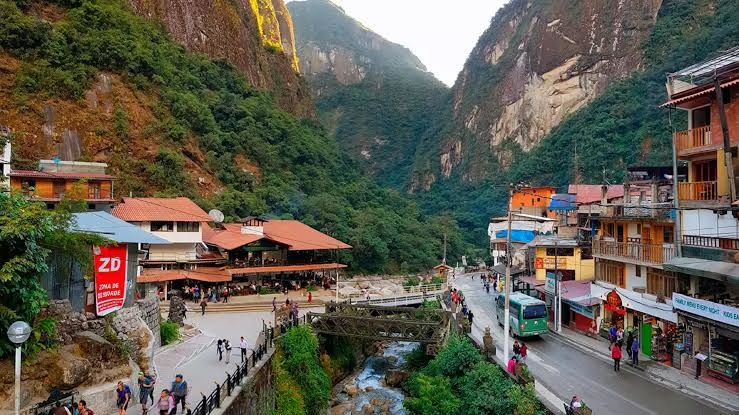
Aguas Calientes, also known as Machupicchu Pueblo, is the town below the archaeological site.
Most travellers use it as the final base before visiting Machu Picchu.
It is tourist-oriented, but staying overnight can make early entry much easier.
Train to Machu Picchu
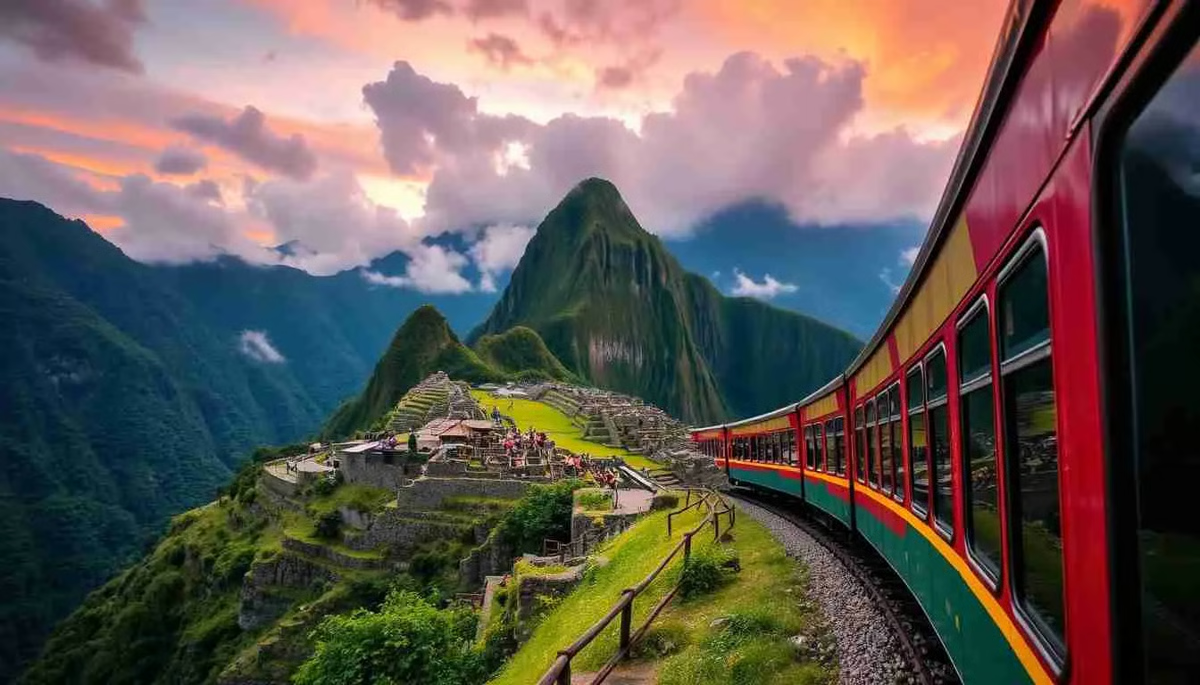
For travellers who are not trekking, the train journey is part of the experience.
Routes usually depart from the Sacred Valley or Cusco region and follow dramatic river valleys toward Aguas Calientes.
Book well ahead during peak season.
The Inca Trail
The classic Inca Trail is one of the world’s famous treks.
It combines:
- Mountain scenery
- Archaeological sites
- Cloud forest
- Inca history
It requires permits and advance planning.
2026 ticketing for the Inca Trail and Machu Picchu was opened through Peru’s Ministry of Culture in advance to support visitor planning.
Is the Inca Trail the Only Trek?
No.
Peru has several trekking alternatives.
These may include:
- Salkantay
- Lares
- Other regional routes
Each has different difficulty, scenery and logistics.
Do not choose a trek just because it is the most famous one.
Choose based on:
- Fitness
- Altitude experience
- Available days
- Comfort level
Rainbow Mountain
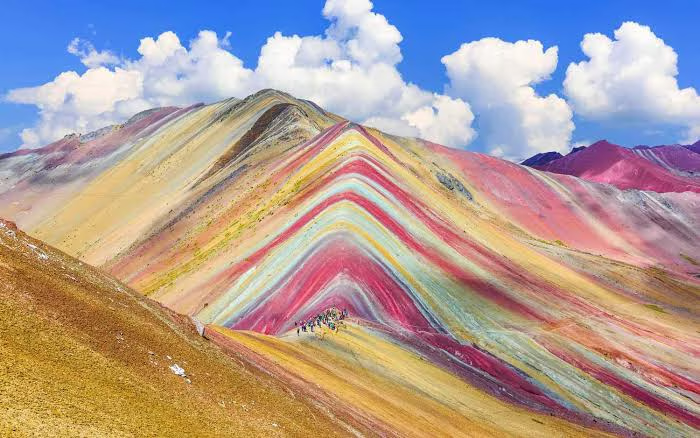
Rainbow Mountain has become one of Peru’s most recognisable modern tourist attractions.
It sits at very high altitude.
That makes it far more demanding than many social-media photographs suggest.
Do not schedule it immediately after arriving in Cusco.
Acclimatise first.
Atlas Insider Tip: Social Media Hides the Altitude
Some of Peru’s most famous day trips look easy online.
They are not always easy physically.
Rainbow Mountain and high-altitude trekking should be treated seriously.
Fitness helps.
Acclimatisation matters more.
Lake Titicaca
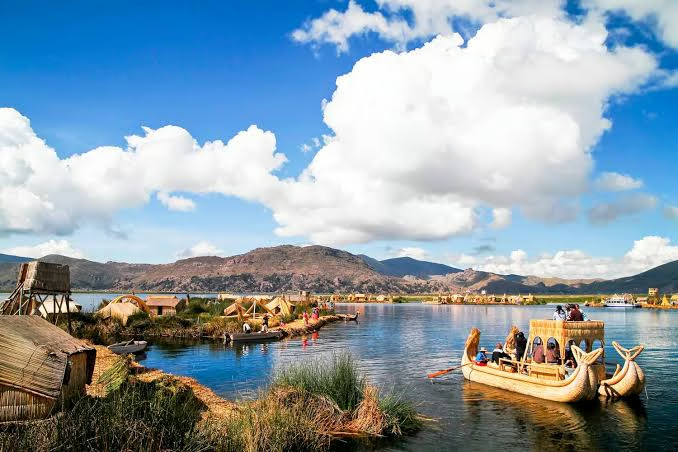
Lake Titicaca sits high in the Andes along the Peru-Bolivia border.
Puno is the main Peruvian gateway.
The lake offers:
- Island communities
- High-altitude landscapes
- Cultural experiences
- Boat journeys
It works best for travellers with enough time to travel slowly.
Arequipa
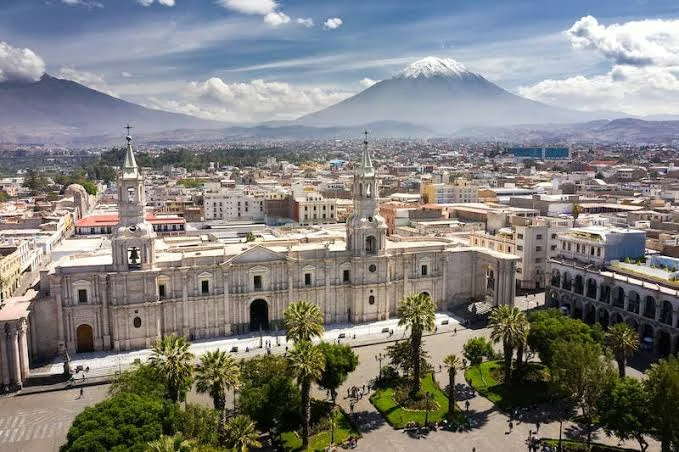
Arequipa is one of Peru’s most beautiful cities.
Built largely from pale volcanic stone, it has a very different feel from Cusco or Lima.
Highlights include:
- Plaza de Armas
- Santa Catalina Monastery
- Volcano views
- Excellent food
It is worth at least two nights.
Colca Canyon
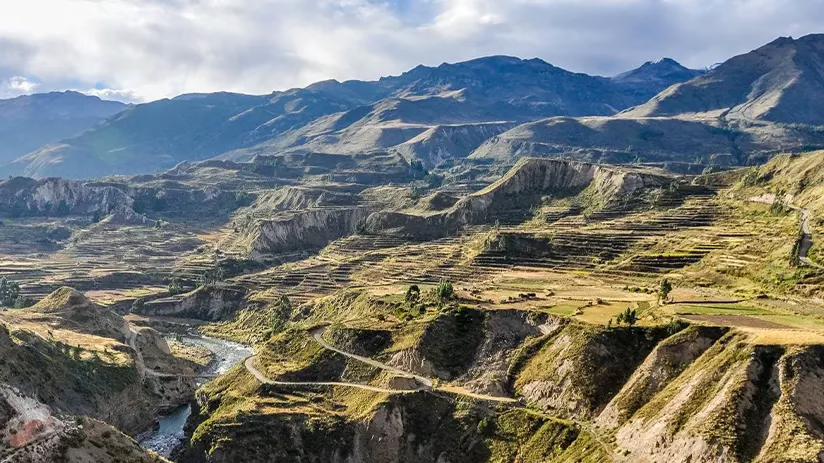
Colca Canyon is one of Peru’s great landscapes.
Travellers visit for:
- Canyon scenery
- Condor viewing
- Trekking
- Traditional villages
It is often combined with Arequipa.
Stay overnight rather than treating the entire region as one exhausting day trip.
The Amazon in Peru
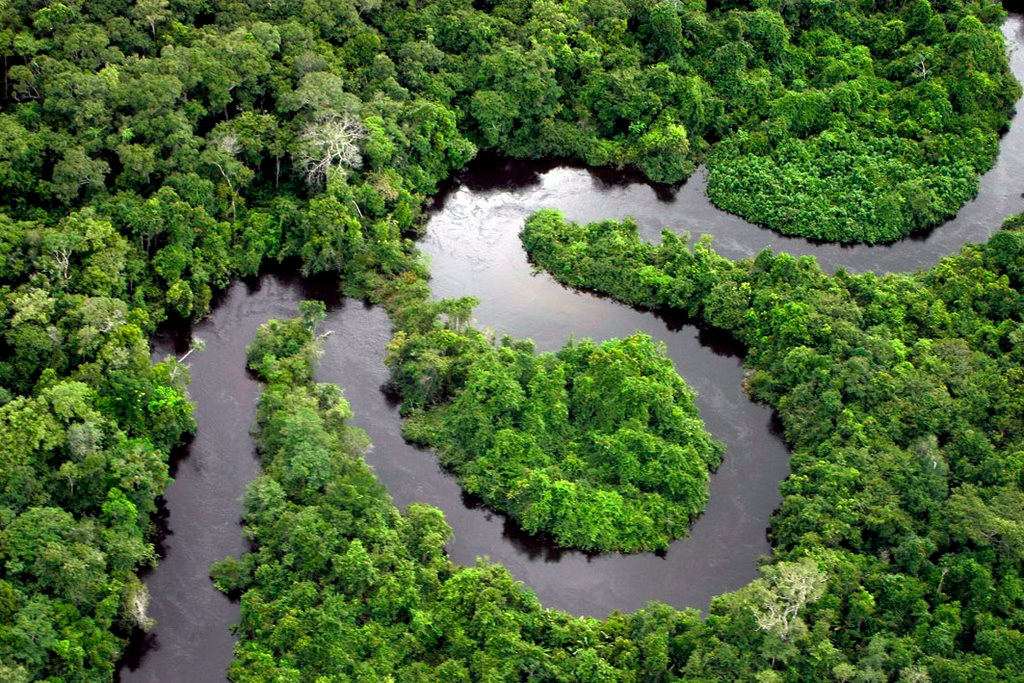
Peru is also an Amazon destination.
Popular gateways include:
- Puerto Maldonado
- Iquitos
These offer very different experiences.
Puerto Maldonado
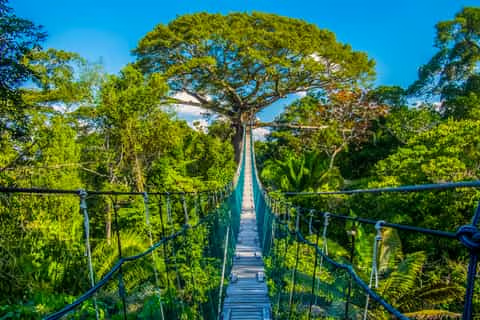
Puerto Maldonado is relatively easy to combine with Cusco.
Travellers usually stay in jungle lodges and explore through guided excursions.
Experiences may include:
- River journeys
- Wildlife walks
- Birdwatching
- Night excursions
Iquitos
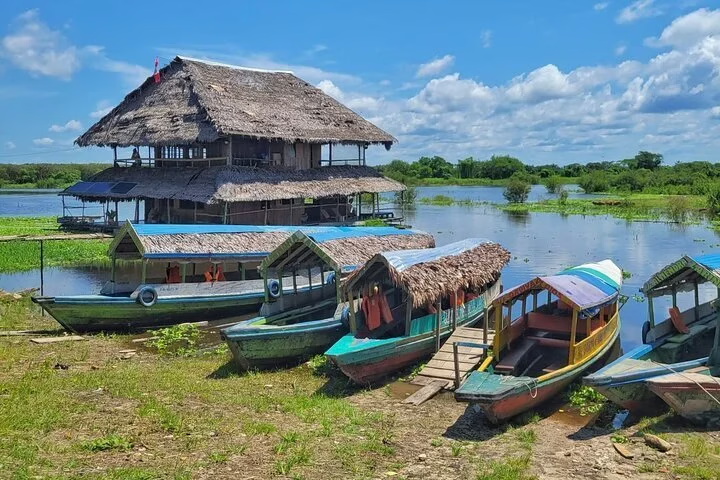
Iquitos offers access to deeper Amazon river experiences.
The city itself is unusual because it is not connected to the rest of Peru by road.
Travellers generally arrive by air or river.
Amazon: Wet vs Drier Season
Just like Brazil, Peru’s Amazon changes with water levels.
A wetter period can make flooded-forest exploration easier.
A lower-rainfall period can make some land-based activities more accessible.
Neither is automatically superior.
Choose according to the experience you want.
Peru for Couples
Peru works surprisingly well for couples who prefer active travel.
A strong itinerary could combine:
Lima → Sacred Valley → Machu Picchu → Cusco
With more time:
Add Amazon lodge or Arequipa.
It is romantic in the sense that the journey feels shared and memorable, not resort-focused.
Peru for Honeymooners
A Peru honeymoon suits couples who want:
- Boutique hotels
- Food
- Mountain scenery
- Culture
- Adventure
The Sacred Valley is especially good for adding a slower, more luxurious section to the itinerary.
Peru for Families
Peru can work well for families with older children.
Good options include:
- Lima
- Sacred Valley
- Machu Picchu
- Selected Amazon lodges
Altitude needs more careful consideration with younger travellers.
Keep the pace realistic.
What Should You Eat in Peru?
Food deserves its own itinerary.
Ceviche
The classic seafood dish.
Lomo Saltado
A stir-fried beef dish showing strong Chinese-Peruvian influence.
Ají de Gallina
A creamy, mildly spicy chicken dish.
Causa
A layered potato dish with various fillings.
Anticuchos
Grilled skewers traditionally associated with street food.
Chifa
Peru’s Chinese-influenced cuisine.
This is not simply Chinese food in Peru.
It has developed its own identity.
Vegetarian Travel in Peru
Vegetarian travel is increasingly easy in Lima, Cusco and major tourist regions.
Peru has excellent ingredients such as:
- Potatoes
- Corn
- Quinoa
- Beans
- Avocado
- Vegetables
Traditional dishes may still contain meat-based stocks or fillings, so confirm when ordering.
Peru by Train
Scenic rail travel is an important part of many Peru itineraries.
Train journeys can connect:
- Sacred Valley
- Machu Picchu region
- Other highland routes
Booking ahead matters in peak season.
Getting Around Peru
Domestic flights are useful because distances can be substantial.
Common flight connections include:
- Lima → Cusco
- Lima → Arequipa
- Lima → Puerto Maldonado
- Lima → Iquitos
Avoid trying to combine every major region in a short trip.
Atlas Insider Tip: Don’t Turn Peru Into an Altitude Sprint
A rushed itinerary might look like:
Lima → Cusco → Rainbow Mountain → Machu Picchu → Lake Titicaca
all within a few days.
That is too aggressive for many travellers.
Build altitude gradually.
Give your body recovery time.
The smarter itinerary often includes fewer high-altitude experiences.
How Many Days Do You Need in Peru?
5 to 6 Days
Lima + Cusco + Machu Picchu at a fast pace
7 to 9 Days
Better for Sacred Valley + Machu Picchu + Cusco
10 to 12 Days
Excellent first trip
14 Days
Ideal for adding Amazon, Arequipa or Lake Titicaca
For most first-time travellers, 10 to 12 days is a strong starting point.
A Good First-Time Peru Route
A balanced first journey could be:
Lima → Sacred Valley → Machu Picchu → Cusco
With more time:
Lima → Sacred Valley → Machu Picchu → Cusco → Amazon
Another option:
Lima → Arequipa → Sacred Valley → Machu Picchu → Cusco
Avoid adding too many distant regions simply because they all look tempting.
Peru vs Chile
Choose Peru for:
- Machu Picchu
- Inca history
- Sacred Valley
- Food
- High-Andes culture
Choose Chile for:
- Atacama
- Patagonia
- Wine
- Pacific landscapes
Both offer dramatic geography but very different cultural experiences.
Peru vs Argentina
Choose Peru for:
- Archaeology
- Indigenous heritage
- Machu Picchu
- Amazon
- Andean culture
Choose Argentina for:
- Buenos Aires
- Patagonia
- Wine
- Tango
- Large-scale road trips
Both deserve dedicated journeys.
Travel Tips Before You Go
- Visit May to September for the easiest Machu Picchu weather.
- Consider May or September for a better crowd-weather balance.
- Acclimatise before high-altitude day trips.
- Give Sacred Valley proper time.
- Choose your Machu Picchu circuit carefully.
- Secure Machu Picchu entry before finalising surrounding logistics.
- Keep access rules under review because regulations can change.
- Do not rush Rainbow Mountain.
- Give Lima time if food matters.
- Use domestic flights selectively rather than overloading the route.
Quick Summary
| Travel Goal | Best Time |
|---|---|
| Overall Best Time | May-September |
| Machu Picchu | May-September |
| Cusco | April-October |
| Sacred Valley | April-October |
| Trekking | May-September |
| Lima | December-April |
| Amazon | April-October for generally lower rainfall |
| Fewer Crowds | April-May, September-October |
Frequently Asked Questions
What is the best month to visit Peru?
May and September are among the strongest months for a first trip because they often provide good Andean weather without the full intensity of peak July and August crowds.
What is the best time to visit Machu Picchu?
May through September is the main dry-season period for the Andes and generally offers the most reliable conditions.
How many days are enough for Peru?
Around 10 to 12 days works well for Lima, Sacred Valley, Machu Picchu and Cusco without rushing excessively.
Do Machu Picchu tickets sell out?
Popular routes and times can become unavailable, especially during peak periods. The site uses controlled circuits and capacity limits, so advance booking is important.
Is Cusco altitude difficult?
It can be. Some travellers feel altitude symptoms, so arriving with a slower first day and building in acclimatisation is sensible.
Peru or Chile for a first South America trip?
Choose Peru for Machu Picchu, archaeology, food and Andean culture.
Choose Chile for Atacama, Patagonia and long landscape-focused journeys.
Both are excellent, but the trips feel completely different.
Continue Exploring on Mindflix Atlas
- Best Time to Visit Chile
- Best Time to Visit Argentina
- Best Time to Visit Brazil
- 50 International Destinations Every Indian Traveller Should Experience at Least Once
- Best Time to Visit Ecuador (Coming Soon)
- Peru Travel Guide (Coming Soon)
- Machu Picchu Travel Guide (Coming Soon)
- Cusco & Sacred Valley Guide (Coming Soon)
- The Perfect 10-Day Peru Itinerary (Coming Soon)
- Peru vs Chile (Coming Soon)
- Best South America Destinations for First-Time Travellers (Coming Soon)
Peru is the kind of country where the famous landmark is only the beginning.
Machu Picchu may be the reason you book the ticket.
But the journey becomes much bigger.
The food in Lima.
The thin mountain air in Cusco.
The villages of the Sacred Valley.
The silence of an Andean morning.
The first glimpse of ancient terraces between clouds.
Go for Machu Picchu.
But give Peru enough time to become more than Machu Picchu.
That is when the trip becomes unforgettable.
Mindflix Atlas helps you understand the destination before you book it, so you can travel smarter and experience more.