
Best Time to Visit South Korea: Weather, Cherry Blossoms & Month-by-Month Guide (2026)
Jay Vora
Founder & CEO
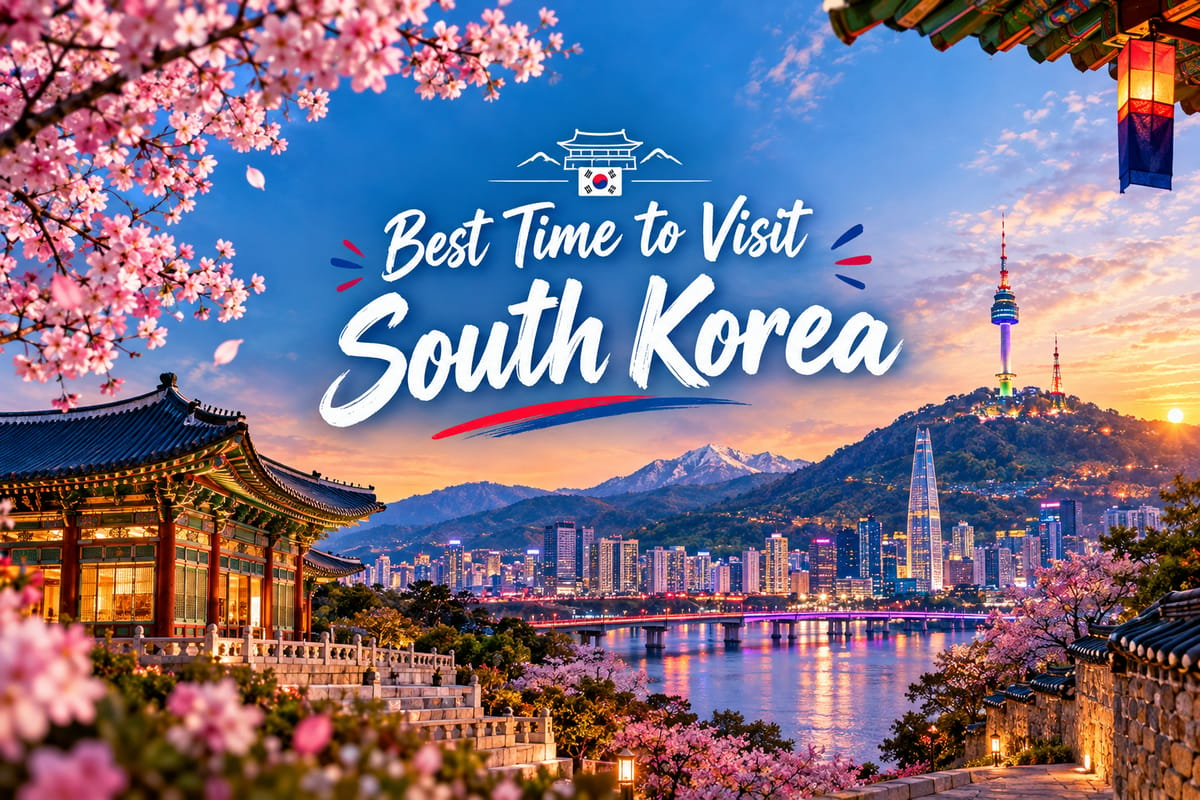
Best Time to Visit South Korea
South Korea changes beautifully with the seasons.
Spring brings cherry blossoms and mild weather.
Summer is lively, green and festival-filled.
Autumn transforms parks and mountains into shades of red, orange and gold.
Winter brings snow, ski resorts and a completely different mood.
That means the best time to visit depends less on the country itself and more on the kind of experience you want.
For most first-time travellers, April to May and September to October are among the best periods to visit South Korea.
These months usually offer comfortable weather, beautiful scenery and excellent conditions for exploring cities and countryside.
Understanding South Korea’s Seasons
South Korea has four distinct seasons.
That makes it one of the easiest Asian destinations to plan seasonally.
Spring: March to May
Spring is one of the most popular times to visit.
Temperatures gradually warm up and cherry blossoms appear across the country.
This season is ideal for:
- First-time visitors
- Couples
- Photography
- City breaks
- Outdoor sightseeing
Summer: June to August
Summer is warm, humid and energetic.
July and August can feel hot, especially in Seoul.
This is also the period when monsoon rainfall can affect some regions.
Summer works well for:
- Festivals
- Jeju Island
- Coastal trips
- Nightlife
- Summer events
Autumn: September to November
Autumn is arguably South Korea’s most beautiful season.
Temperatures become comfortable and mountains, parks and palace grounds turn spectacular colours.
Perfect for:
- Hiking
- Road trips
- Photography
- Couples
- Cultural sightseeing
Winter: December to February
Winter is cold, especially in Seoul and inland areas.
But it also brings snow, ski resorts, winter festivals and beautiful city lights.
Ideal for:
- Snow holidays
- Skiing
- Winter photography
- Shopping
- Cosy city breaks
South Korea Month by Month
January
Cold and often dry.
Seoul can become very chilly, while ski resorts are in full swing.
Best for: Snow, winter sports and seasonal festivals.
February
Winter continues.
Snow is still possible, but days gradually become longer.
A good month for travellers who enjoy cold weather and smaller tourist crowds.
March
Spring begins.
Temperatures improve, although mornings and evenings can still feel cool.
Cherry blossom anticipation starts building.
April
One of the best months of the year.
Cherry blossoms often peak in many regions around this period, although exact timing varies annually.
Seoul, Busan and Gyeongju become especially beautiful.
May
Excellent weather continues.
Warm days, green parks and long daylight hours make May ideal for sightseeing.
June
Early summer arrives.
Temperatures rise and humidity increases.
Conditions are generally still comfortable before peak summer heat.
July
Hot and humid.
Rainfall can increase significantly.
Indoor attractions, cafés and shopping districts become especially useful during rainy periods.
August
One of the hottest months.
Beach destinations and Jeju Island become popular.
Plan outdoor sightseeing early in the day or after sunset.
September
Temperatures begin becoming more comfortable.
This is a strong month for city travel and countryside exploration.
October
One of South Korea’s finest travel months.
Autumn colours appear across mountains, parks and palace grounds.
A fantastic month for photography.
November
Autumn continues early in the month before temperatures drop sharply.
Tourist numbers begin reducing.
December
Winter returns.
Festive lighting, cold weather and ski resorts create a completely different atmosphere.
Best Time Based on Your Travel Style
First-Time Visit
April, May, September, October
Cherry Blossoms
Late March to April, depending on region and year
Autumn Colours
October to early November
Snow Holiday
December to February
Seoul City Break
April-May, September-October
Jeju Island
April to June, September to October
Shopping
Year-round
Photography
April and October
Seoul

Seoul is where tradition and modernity exist side by side.
You can spend the morning at a centuries-old palace and the evening in one of Asia’s most futuristic shopping districts.
Highlights include:
- Gyeongbokgung Palace
- Bukchon Hanok Village
- N Seoul Tower
- Myeongdong
- Hongdae
- Gangnam
- Han River
Spring and autumn are particularly beautiful because outdoor sightseeing becomes much more comfortable.
Busan

Busan offers a completely different energy.
It’s more coastal, relaxed and scenic.
Expect:
- Beaches
- Seafood
- Colourful hillside villages
- Temples
- Coastal walks
Haeundae Beach and Gamcheon Culture Village are among the city’s best-known attractions.
Jeju Island
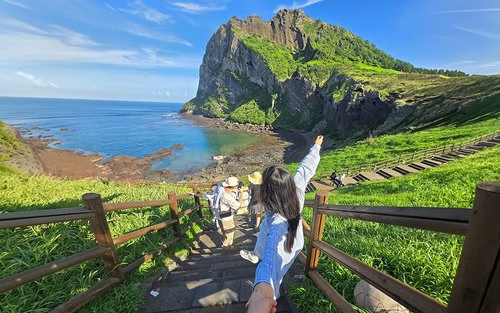
Jeju is ideal for travellers who want nature.
The island is famous for:
- Volcanic landscapes
- Waterfalls
- Beaches
- Coastal drives
- Hiking
- Unique local culture
Spring and autumn work especially well for road trips around the island.
Gyeongju
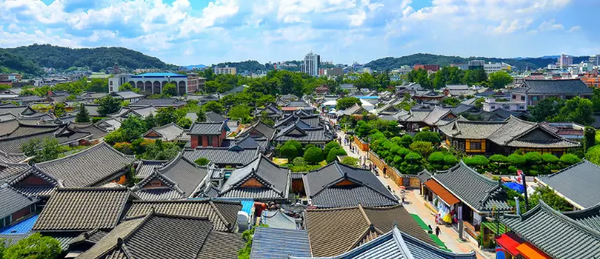
Often described as an open-air museum, Gyeongju is one of South Korea’s most important historical cities.
It’s excellent for travellers interested in:
- Ancient temples
- Royal tombs
- Traditional architecture
- Cultural heritage
Gyeongju becomes especially beautiful during spring and autumn.
Cherry Blossom Season
South Korea’s cherry blossom season is one of the biggest reasons travellers visit in spring.
Popular areas include:
- Seoul
- Jinhae
- Gyeongju
- Busan
- Jeju
The exact bloom dates vary every year based on weather.
That means flexibility matters.
If cherry blossoms are the main reason for your trip, avoid planning too tightly around one exact day.
Atlas Insider Tip
If you’re travelling during cherry blossom season, don’t focus only on Seoul.
Smaller cities and parks can offer equally beautiful blooms with fewer crowds.
Also, consider staying one extra day in your itinerary.
Bloom timing can shift slightly, and that small buffer may make the difference between seeing bare branches and full blossoms.
Autumn in South Korea
Autumn deserves just as much attention as spring.
The country’s mountains and parks become incredibly colourful.
Popular areas include:
- Seoraksan National Park
- Nami Island
- Bukhansan
- Gyeongju
- Seoul’s palace grounds
October is often the strongest month for autumn scenery, although timing varies by region.
South Korea in Winter
Winter can be cold.
But it’s also beautiful.
Expect:
- Snow
- Ski resorts
- Ice festivals
- Winter markets
- Cosy cafés
- Seasonal street food
Travellers from warmer countries should pack proper thermal layers, gloves and winter footwear.
How Many Days Do You Need in South Korea?
4 to 5 Days
Focus on Seoul.
6 to 7 Days
Seoul + Busan
8 to 10 Days
Seoul + Busan + Gyeongju or Jeju
12 to 14 Days
Ideal for a deeper journey across several regions.
For most first-time travellers, 7 to 10 days works very well.
What Should You Eat in South Korea?
Food is a huge part of the experience.
Try:
Bibimbap
Rice topped with vegetables, egg and often meat.
Tteokbokki
Spicy rice cakes commonly found in street-food areas.
Korean Barbecue
One of the country’s most social dining experiences.
Kimchi
A staple of Korean cuisine, usually made from fermented vegetables.
Hotteok
Sweet pancakes that are especially satisfying in cooler weather.
Vegetarian Food in South Korea
Vegetarian travel is possible, but it requires some planning.
Many Korean dishes use:
- Fish sauce
- Meat broth
- Seafood-based seasoning
Even dishes that look vegetarian may contain these ingredients.
Travellers with strict dietary requirements should communicate clearly and research restaurants in advance.
Seoul offers significantly more vegetarian and vegan options than smaller towns.
Shopping in South Korea
South Korea is a major shopping destination.
Popular categories include:
- Skincare
- Cosmetics
- Fashion
- Electronics
- K-pop merchandise
- Lifestyle products
Seoul districts such as Myeongdong, Hongdae and Gangnam are particularly popular.
K-Culture and Entertainment
For many travellers, South Korea’s global cultural influence is part of the attraction.
K-pop, Korean dramas, beauty, fashion and food have all created a new generation of travellers curious about the country.
Fans may enjoy:
- Entertainment districts
- Pop-up stores
- Filming locations
- Cafés
- Concert-related experiences
But South Korea becomes more rewarding when you go beyond the entertainment layer and explore its history, landscapes and everyday culture too.
Travel Tips Before You Go
- Pack according to the season; temperatures vary dramatically.
- Use public transport in Seoul.
- Carry comfortable walking shoes.
- Learn a few basic Korean phrases.
- Respect queueing and public-transport etiquette.
- Check cherry blossom and autumn forecasts close to your travel dates.
- Reserve popular attractions during peak travel periods.
- Keep some flexibility if seasonal scenery is your main priority.
Quick Summary
| Travel Goal | Best Time |
|---|---|
| Overall Best Time | April-May, September-October |
| Cherry Blossoms | Late March to April |
| Autumn Colours | October-Early November |
| Seoul | April-May, September-October |
| Jeju | April-June, September-October |
| Snow | December-February |
| Photography | April, October |
Frequently Asked Questions
What is the best month to visit South Korea?
For most first-time travellers, April, May and October offer some of the best combinations of pleasant weather and beautiful scenery.
When are cherry blossoms in South Korea?
They generally bloom between late March and April, depending on the region and annual weather conditions.
Is October a good time to visit South Korea?
Yes. October is one of the best months for comfortable weather and autumn colours.
How many days are enough for South Korea?
Around 7 to 10 days is ideal for a first trip combining Seoul with one or two additional destinations.
Is South Korea expensive?
It can range from moderate to expensive depending on accommodation, shopping and dining style. Public transport is generally efficient and convenient.
Is South Korea good for honeymooners?
Yes. Seoul, Jeju Island, Busan and scenic countryside destinations can create a strong mix of city, nature and romantic experiences.
Continue Exploring on Mindflix Atlas
- Best Time to Visit Every Country
- Best Time to Visit Japan
- Best Time to Visit Vietnam
- Best Time to Visit Singapore
- Best Time to Visit Thailand
- Best Time to Visit Malaysia
- South Korea Travel Guide (Coming Soon)
- Seoul Travel Guide (Coming Soon)
- South Korea Cherry Blossom Guide (Coming Soon)
- Japan vs South Korea: Which Should You Visit? (Coming Soon)
South Korea is one of those destinations that rewards timing.
Visit in spring and the streets turn pink.
Visit in autumn and the mountains turn gold.
Visit in winter and the country becomes crisp, snowy and atmospheric.
The place stays the same.
The journey changes completely.
Mindflix Atlas helps you understand the destination before you book it, so you can travel smarter and experience more.