
Best Time to Visit Uzbekistan: Weather, Silk Road Cities & Month-by-Month Guide (2026)
Jay Vora
Founder & CEO

Best Time to Visit Uzbekistan
Some destinations impress you with landscapes.
Others with beaches.
Uzbekistan does something different.
It makes history feel alive.
Walk through Samarkand and you'll find enormous blue-tiled monuments that once stood at the centre of the Silk Road.
Wander through Bukhara and centuries-old mosques, madrasas and caravanserais appear around almost every corner.
Travel to Khiva and an entire walled city seems frozen in another era.
Then there's Tashkent—modern, spacious and completely different from the historical cities beyond it.
Uzbekistan is one of Central Asia's most fascinating destinations.
But its continental climate means timing matters.
For most travellers, April to May and September to October are the best times to visit Uzbekistan, offering comfortable temperatures for walking, sightseeing and exploring its historic cities.
Here's how every season changes the experience.
Understanding Uzbekistan's Climate
Uzbekistan has a strongly continental and largely dry climate.
That means:
- Hot summers
- Cold winters
- Relatively low rainfall
- Large temperature differences between seasons
Unlike tropical destinations, you don't need to plan around monsoons.
Instead, the biggest consideration is temperature.
During peak summer, historic cities can become extremely hot during the afternoon.
In winter, temperatures can fall below freezing.
That's why spring and autumn are the sweet spots for most travellers.
Spring in Uzbekistan: March to May
Spring is one of the country's most beautiful seasons.
March begins cool, but temperatures gradually rise.
By April, sightseeing conditions become excellent.
May brings warmer days while remaining far more comfortable than peak summer.
Spring is perfect for:
- First-time visitors
- Silk Road journeys
- Couples
- Photography
- Cultural travel
- Walking tours
Summer in Uzbekistan: June to August
Summer is hot.
And in cities such as Bukhara and Khiva, it can become intensely hot during the afternoon.
Travelling during this period is still possible, but your daily schedule should change.
Explore early in the morning.
Rest during the hottest hours.
Return outside in the evening.
Summer can suit:
- Travellers comfortable with heat
- Lower-crowd sightseeing
- Early-morning photography
- Longer daylight hours
But for most first-time travellers, spring or autumn will be more comfortable.
Autumn in Uzbekistan: September to November
Autumn is arguably the best season in Uzbekistan.
September remains warm but comfortable.
October brings beautiful sightseeing weather.
By November, temperatures begin dropping noticeably.
Autumn works especially well for:
- Historical tours
- Photography
- Food experiences
- Couples
- Multi-city trips
- First-time visitors
Winter in Uzbekistan: December to February
Winter brings a quieter atmosphere.
Tourist numbers drop significantly.
Cities such as Samarkand can occasionally receive snow, creating a completely different mood around the famous monuments.
Winter is ideal for:
- Travellers avoiding crowds
- Photography
- Budget-conscious trips
- Cultural city breaks
However, you'll need proper winter clothing.
Uzbekistan Month by Month
January
One of the coldest months.
Expect chilly days and cold nights, particularly outside Tashkent.
Snow is possible in some areas.
Best for: Quiet sightseeing and winter photography.
February
Cold conditions continue, although temperatures gradually begin improving towards the end of the month.
Historic attractions remain peaceful.
March
Spring begins arriving.
Uzbekistan celebrates Navruz, the traditional spring festival, around this period.
It's one of the most culturally interesting times to visit.
April
One of the best months of the year.
Temperatures are comfortable, skies are often clear and walking through historic cities is especially enjoyable.
May
Excellent conditions continue.
Days become warmer, but evenings remain pleasant.
A fantastic month for a classic Uzbekistan circuit.
June
Summer begins.
Morning and evening sightseeing remains comfortable, but afternoons can become hot.
July
Usually one of the hottest months.
Temperatures in historic desert cities can rise considerably.
Plan outdoor sightseeing carefully.
August
Heat continues through much of the month.
Travellers who visit during August should prioritise early starts and shaded breaks during the afternoon.
September
One of Uzbekistan's finest months.
Temperatures become much more comfortable while skies remain generally clear.
Ideal for long sightseeing days.
October
Another outstanding month.
Cooler temperatures make walking through Samarkand, Bukhara and Khiva extremely pleasant.
November
Temperatures fall quickly.
Tourist numbers reduce and winter begins approaching.
Still enjoyable for travellers comfortable with cooler weather.
December
Winter arrives.
Historic cities become much quieter and occasional snow can create beautiful scenes around monuments.
Best Time Based on Your Travel Style
First-Time Visit
April, May, September, October
Silk Road Journey
April to May, September to October
Photography
April, October and winter snow periods
Cultural Experience
March to May
Couples
April, May, September, October
Budget Travel
December to February
Fewer Crowds
November to February
Tashkent: Where Modern Uzbekistan Begins
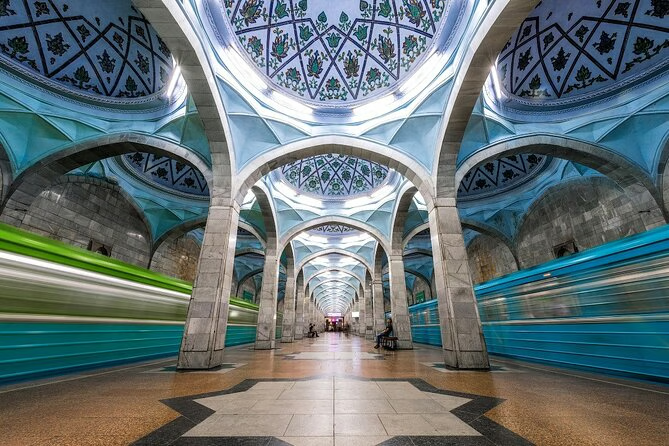
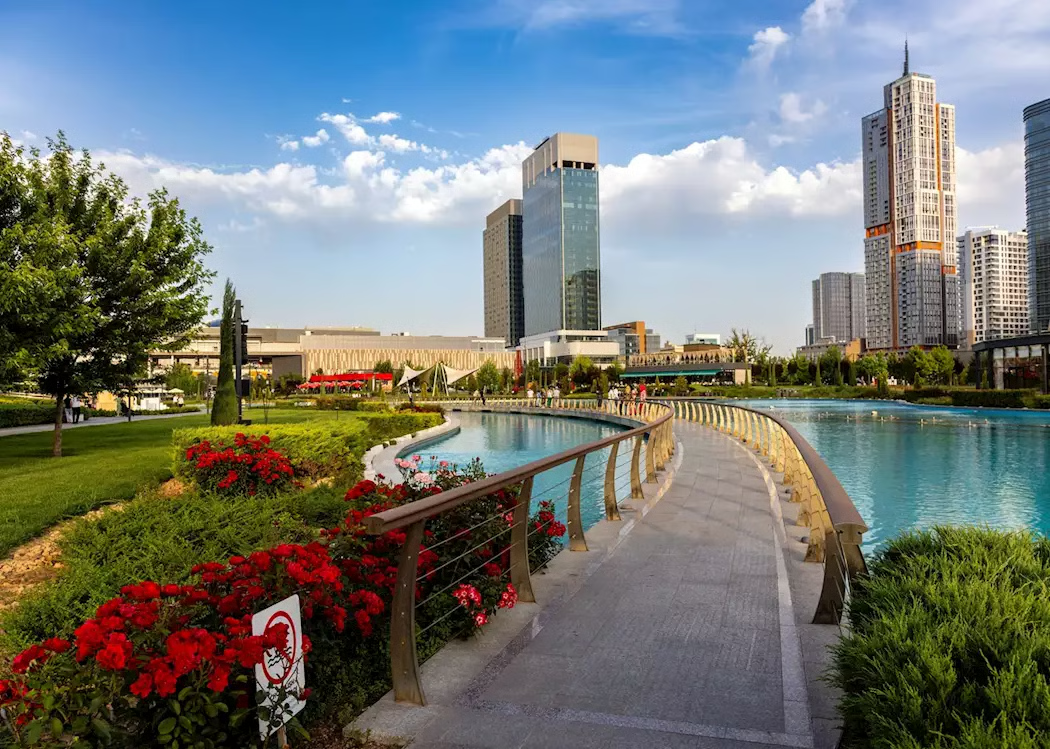
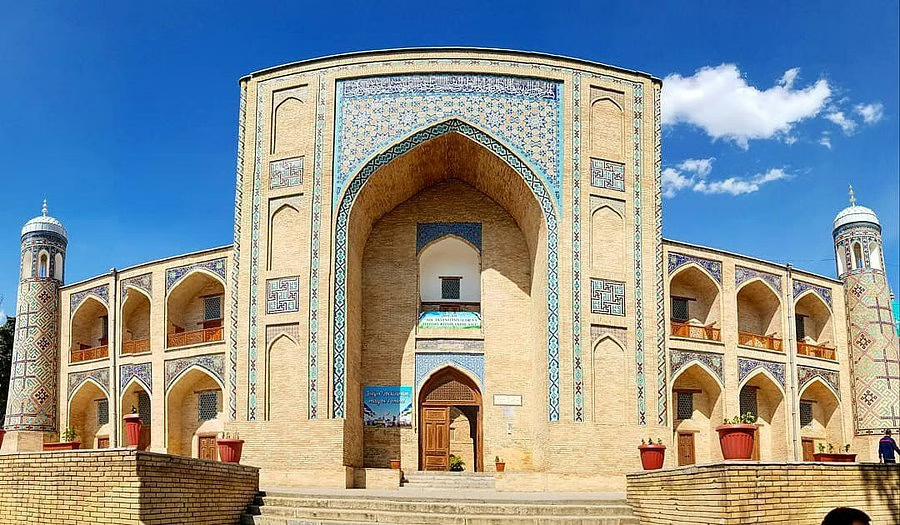
Tashkent is often treated simply as an arrival point.
Give it more time.
The Uzbek capital is spacious, green and surprisingly modern.
You'll find:
- Soviet-era architecture
- Traditional bazaars
- Contemporary restaurants
- Museums
- Beautiful metro stations
- Parks
- Historic religious complexes
Tashkent provides an excellent introduction before travelling deeper into the Silk Road.
Samarkand: The City That Defines Uzbekistan
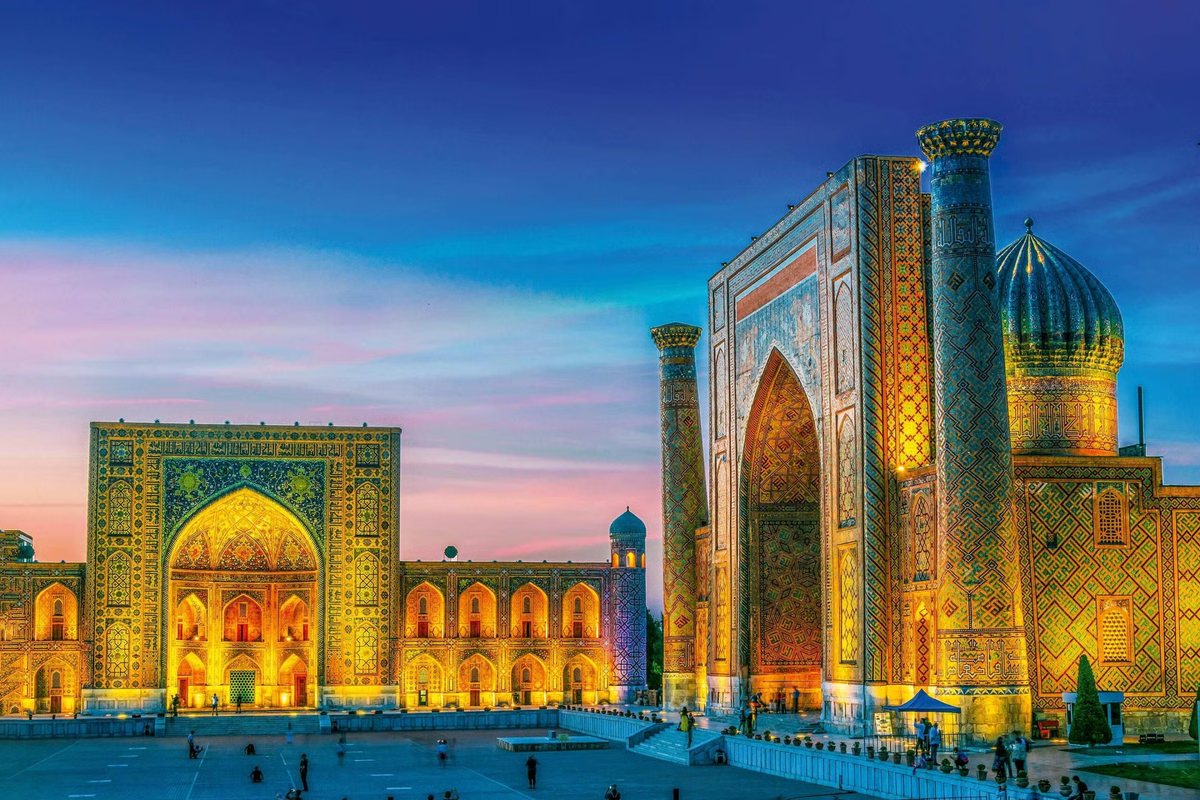
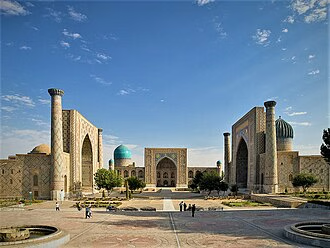
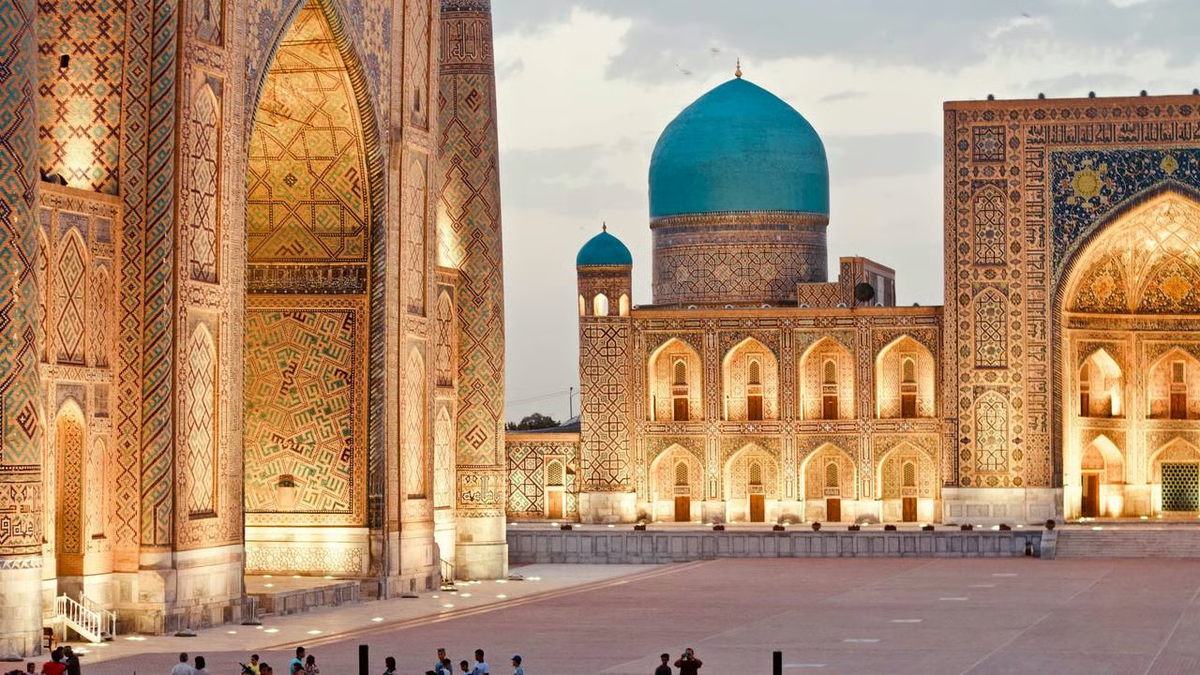
If you've seen one photograph of Uzbekistan, there's a good chance it was taken in Samarkand.
The city's most famous landmark, Registan Square, is one of Central Asia's great architectural masterpieces.
Three magnificent madrasas frame the enormous public square, covered in intricate blue tilework.
But Samarkand deserves more than a quick photo stop.
Other highlights include:
- Shah-i-Zinda
- Gur-e-Amir Mausoleum
- Bibi-Khanym Mosque
- Siyob Bazaar
Stay at least two nights if your itinerary allows.
Atlas Insider Tip
Visit Registan twice.
Once during daylight.
And once after sunset.
During the day, you'll notice the extraordinary details in the tilework and architecture.
At night, illumination completely changes the atmosphere of the square.
Many travellers visit only once and miss one of these two experiences.
Bukhara: The City You Should Walk Through Slowly
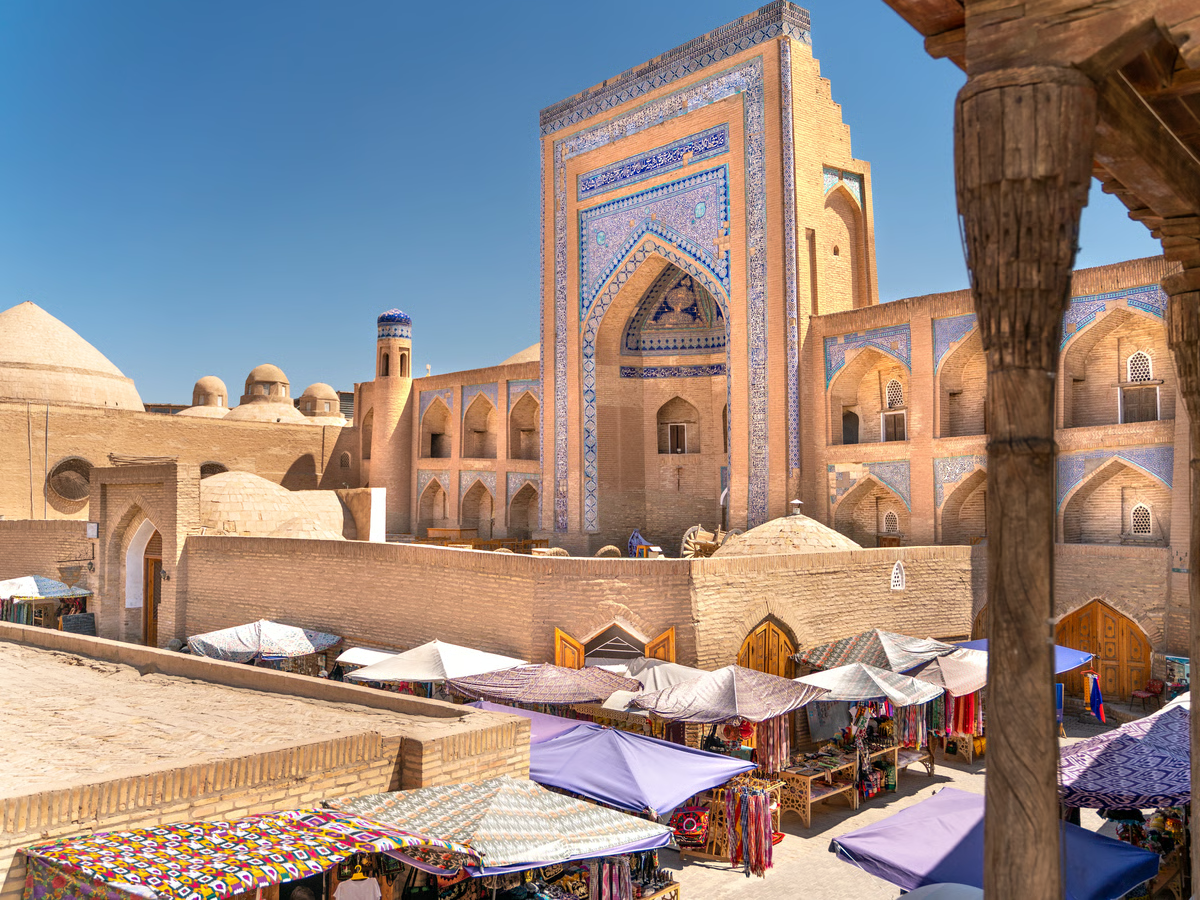
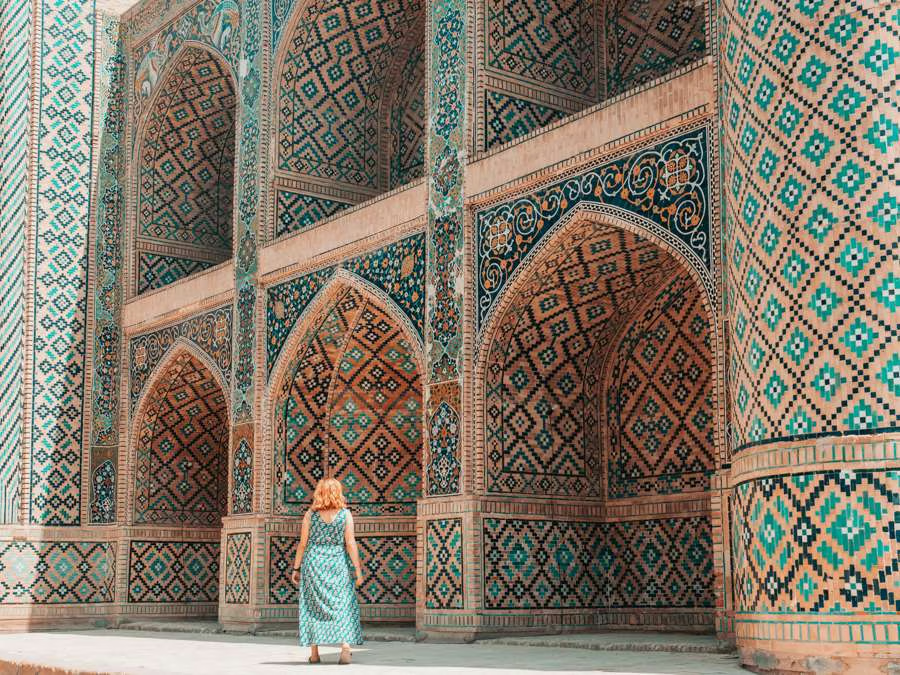
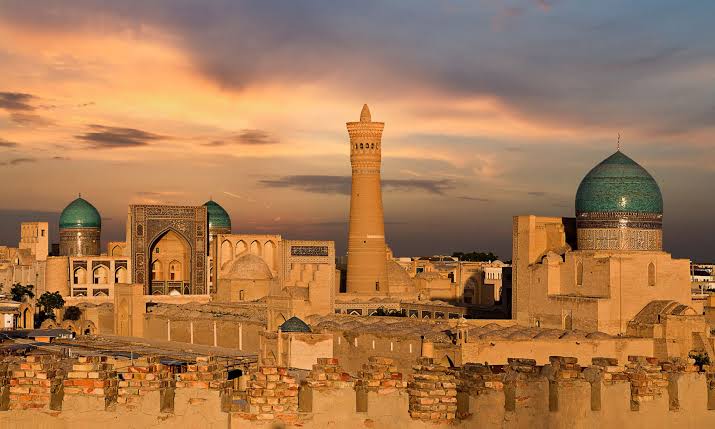
Bukhara feels different from Samarkand.
Samarkand impresses through scale.
Bukhara wins through atmosphere.
Historic buildings, courtyards, mosques and old trading domes sit within a compact centre that's perfect for exploring on foot.
Some of the best experiences aren't individual attractions at all.
They're simply moments:
Drinking tea in a courtyard.
Walking beneath an old trading dome.
Watching sunset from a rooftop.
Listening to the city become quiet after day visitors leave.
Give Bukhara at least two nights.
Khiva: A City Inside Ancient Walls
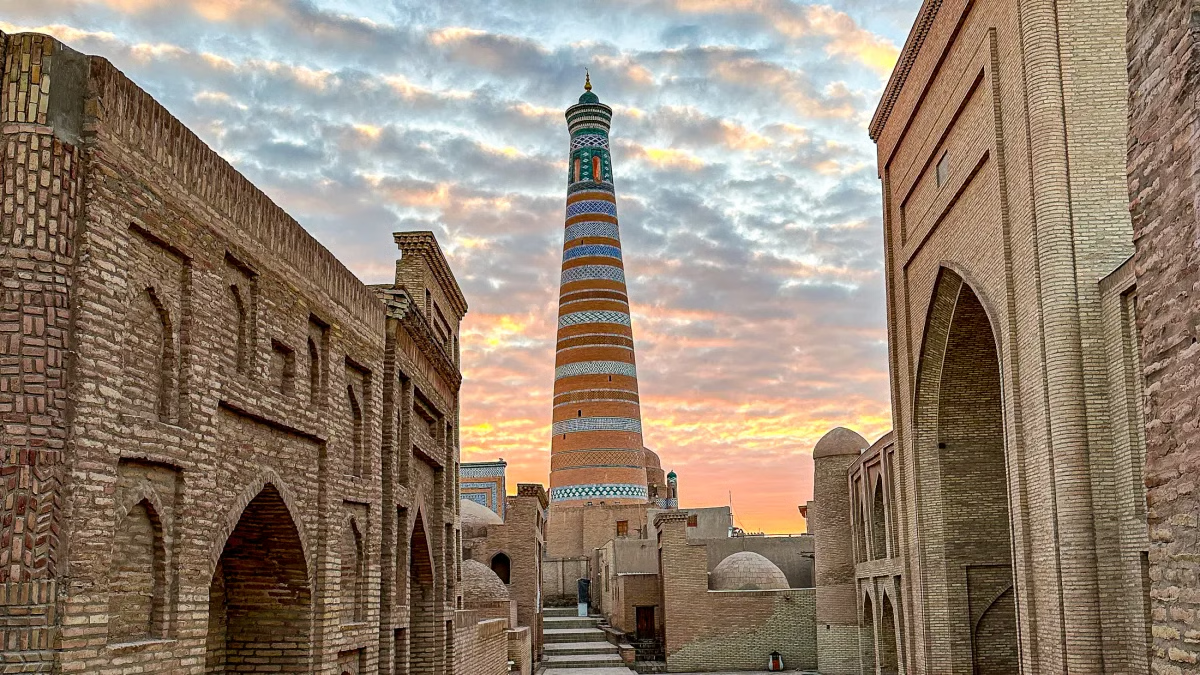
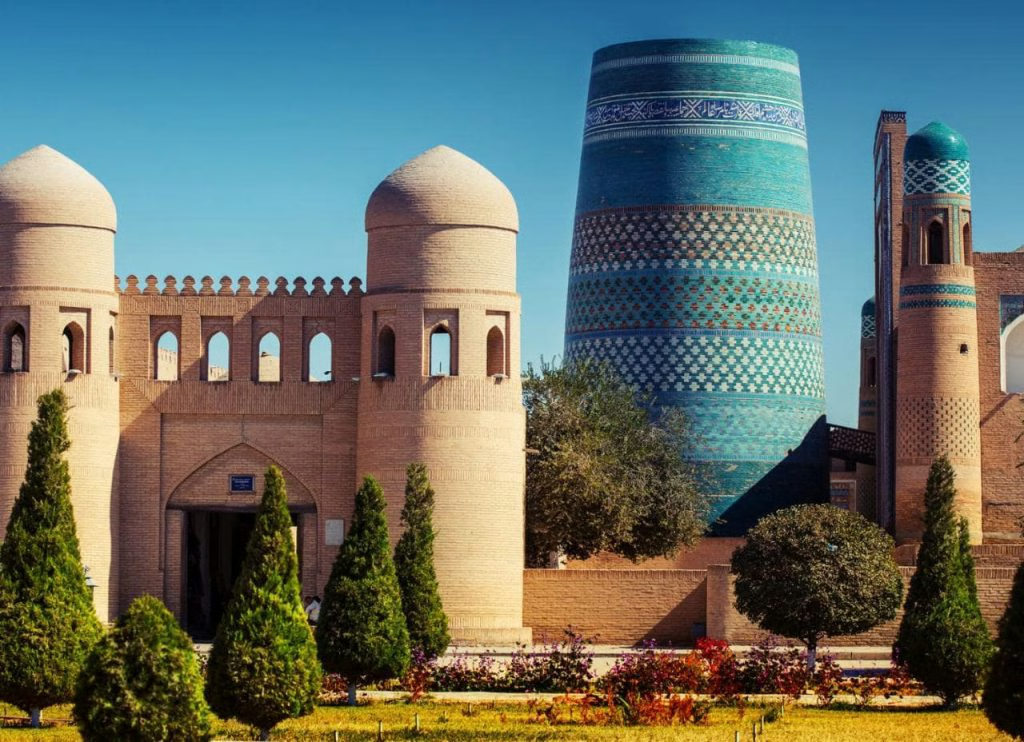
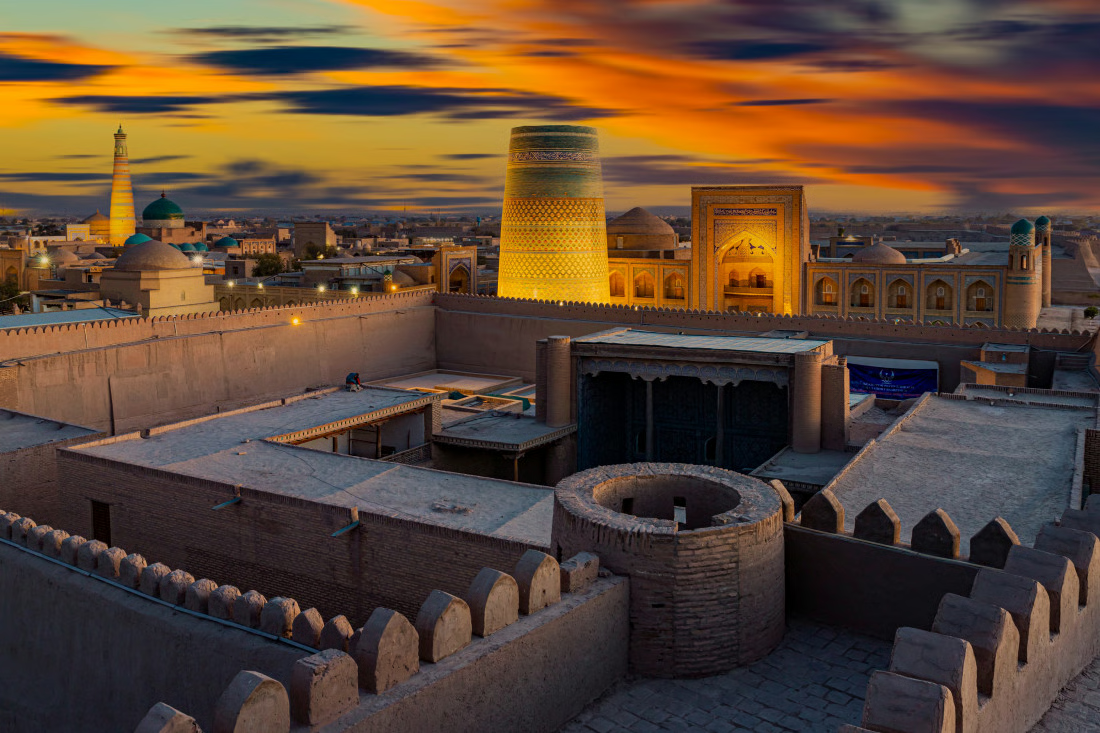
Khiva's historic Itchan Kala feels almost like a giant open-air museum.
Fortress walls surround minarets, mosques, madrasas and traditional houses.
Because the old city is relatively compact, it's easy to explore.
But here's the trick:
Stay overnight.
During the day, Khiva receives visitors and tour groups.
In the early morning and evening, the streets become noticeably quieter.
That's when the city feels most magical.
The Silk Road Experience
Uzbekistan once sat at the centre of one of history's greatest trading networks.
The Silk Road wasn't a single road.
It was a vast web of trade routes connecting Asia, the Middle East and Europe.
Merchants moved:
- Silk
- Spices
- Precious metals
- Ceramics
- Textiles
But they also carried ideas.
Languages.
Religions.
Architecture.
Technology.
Walking through Uzbekistan's historic cities gives you a glimpse into the world that existed along these routes centuries ago.
Don't Rush the Classic Uzbekistan Route
A typical first-time journey might look like:
Tashkent → Samarkand → Bukhara → Khiva
It looks simple on a map.
But each destination deserves time.
Avoid building an itinerary where you're checking in and out of hotels every morning.
A better rhythm might be:
Tashkent – 2 Nights Samarkand – 2 Nights Bukhara – 2 Nights Khiva – 2 Nights
You can adjust this depending on flights and transport.
The important thing is to slow down.
Historic cities reward wandering.
Travelling Between Uzbekistan's Cities
Uzbekistan's improving rail network has made travelling between major cities increasingly convenient.
High-speed and intercity trains connect important destinations on popular routes.
For many travellers, train travel becomes part of the experience.
It also allows you to see the landscape change between cities.
Popular services can fill quickly during busy travel periods, so planning ahead is sensible.
What Should You Eat in Uzbekistan?
Uzbek cuisine is hearty, flavourful and deeply connected to local culture.
Don't leave without trying:
Plov
Uzbekistan's most famous dish.
Rice is traditionally cooked with meat, vegetables, spices and sometimes dried fruit or chickpeas.
Different regions have their own variations.
Samsa
Baked pastries usually filled with meat, although vegetable versions can also be found.
They're often cooked in traditional clay ovens.
Lagman
Hand-pulled noodles served with vegetables and usually meat.
Manti
Large steamed dumplings popular across Central Asia.
Non
Traditional round Uzbek bread.
You'll see beautifully patterned loaves everywhere—from bazaars to restaurants.
Bread holds significant cultural importance and is treated with respect.
Uzbekistan for Vegetarians
Traditional Uzbek cuisine uses a considerable amount of meat.
Vegetarian travellers should plan accordingly.
Larger cities and tourist areas increasingly offer vegetarian dishes, but communicating your dietary requirements clearly is important.
Useful options may include:
- Salads
- Bread
- Vegetable samsa
- Rice dishes
- Soups
- Fresh fruit
- Dairy products
Travellers with strict dietary needs should research restaurants before arriving in smaller cities.
Spring vs Autumn: Which Is Better?
This is a difficult choice.
Choose Spring If You Want:
- Greener scenery
- Navruz celebrations
- Pleasant temperatures
- Longer days heading into summer
Choose Autumn If You Want:
- Dry, comfortable weather
- Excellent walking conditions
- Harvest-season produce
- Beautiful golden light for photography
For a first trip, either season works extremely well.
Is Uzbekistan Worth Visiting in Winter?
Yes, especially if crowds bother you.
Imagine standing in Registan Square without dozens of tour groups around you.
Winter makes that much more achievable.
The downside is the cold.
You'll need:
- Warm layers
- A proper jacket
- Gloves
- Comfortable winter footwear
If you're prepared, the quieter experience can be extremely rewarding.
How Many Days Do You Need in Uzbekistan?
4 to 5 Days
Tashkent + Samarkand
6 to 7 Days
Add Bukhara
8 to 10 Days
Ideal for Tashkent + Samarkand + Bukhara + Khiva
12+ Days
Allows deeper exploration beyond the classic Silk Road route
For most first-time travellers, 8 to 10 days is an excellent duration.
Travel Tips Before You Go
- Avoid the hottest afternoon hours during July and August.
- Wear comfortable shoes; historic cities require plenty of walking.
- Give Samarkand and Bukhara at least two nights each.
- Visit major monuments both early and late in the day.
- Book popular intercity trains ahead during peak periods.
- Carry layers during spring and autumn.
- Dress respectfully at religious sites.
- Explore bazaars instead of eating every meal in tourist restaurants.
- Leave room in your itinerary for simply wandering.
Quick Summary
| Travel Goal | Best Time |
|---|---|
| Overall Best Time | April, May, September, October |
| Silk Road Journey | April-May, September-October |
| Comfortable Sightseeing | April, May, September, October |
| Culture & Navruz | March |
| Photography | April, October |
| Fewer Crowds | November to February |
| Budget Travel | Winter |
Frequently Asked Questions
What is the best month to visit Uzbekistan?
For most first-time travellers, April, May, September and October provide the most comfortable sightseeing conditions.
How many days are enough for Uzbekistan?
Around 8 to 10 days is ideal for experiencing Tashkent, Samarkand, Bukhara and Khiva without rushing excessively.
Is Uzbekistan suitable for families?
Yes. Its historical sites, comfortable hotels, rail connections and cultural experiences can make it an excellent family destination.
Is Uzbekistan good for couples?
Absolutely. Beautiful architecture, atmospheric old towns, boutique hotels and cultural experiences make it particularly interesting for couples who prefer exploration over conventional beach holidays.
Is Uzbekistan very hot?
Summer can become extremely hot, particularly in July and August. Spring and autumn offer significantly more comfortable sightseeing conditions.
Samarkand or Bukhara: which is better?
Don't choose.
Samarkand offers monumental architecture and enormous historical sites.
Bukhara provides atmosphere, walkability and an intimate old-city experience.
They complement each other perfectly.
Uzbekistan or Kazakhstan: which should I visit?
Choose Uzbekistan if architecture, Silk Road history, old cities and culture are your priorities.
Choose Kazakhstan if you're more interested in mountains, alpine lakes, canyons and dramatic natural landscapes.
For travellers fascinated by Central Asia, eventually visit both.
Continue Exploring on Mindflix Atlas
- How to Plan Your First International Trip
- Best Time to Visit Every Country
- Best Time to Visit Thailand
- Best Time to Visit Japan
- Best Time to Visit Bali
- Best Time to Visit Switzerland
- Best Time to Visit Dubai
- Best Time to Visit Italy
- Uzbekistan Travel Guide
- Samarkand Travel Guide (Coming Soon)
- The Perfect Uzbekistan Silk Road Itinerary (Coming Soon)
- Best Central Asian Countries for First-Time Travellers (Coming Soon)
Uzbekistan doesn't need theme parks, beaches or skyscrapers to impress you.
Its greatest attraction is time itself.
The cities have watched merchants cross continents, empires rise and fall, ideas move between cultures and generations leave their mark in tile, stone and brick.
Stand beneath the enormous blue domes of Samarkand or walk through Bukhara after sunset and the Silk Road suddenly stops feeling like something you read about in a history book.
It becomes somewhere you're standing.
And that's what makes Uzbekistan extraordinary.
Mindflix Atlas helps you understand the destination before you book it, so you can travel smarter and experience more.