
Best Time to Visit Vietnam: Weather, Regions & Month-by-Month Guide (2026)
Jay Vora
Founder & CEO

Vietnam is long, narrow, and incredibly diverse. That matters because the weather in one part of the country can be completely different from another. You could be exploring cool, misty mountains in the north while central Vietnam enjoys sunshine and the south experiences tropical heat.
That means there isn’t one single “best month” for the entire country. For most travellers planning a classic Vietnam journey, February to April and October to early December are often among the most comfortable periods overall.
But the best time depends heavily on where you’re going. If you understand the regions first, Vietnam becomes much easier to plan.
Vietnam Is Really Three Destinations in One
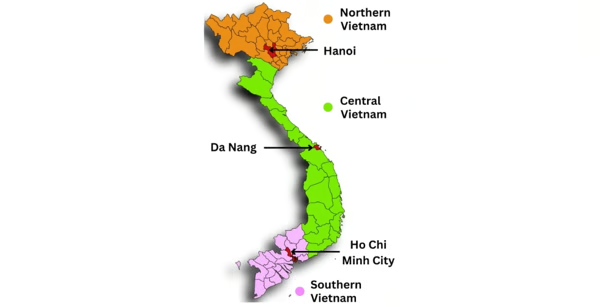
The easiest way to understand Vietnam’s climate is to divide it into:
- Northern Vietnam
- Central Vietnam
- Southern Vietnam
Each region has its own weather patterns.
Northern Vietnam
Includes: Hanoi, Ha Long Bay, Ninh Binh, Sapa, Ha Giang
Northern Vietnam experiences more distinct seasonal changes than the south.
- Best Time Overall: October to April. These months bring cooler temperatures and more comfortable sightseeing conditions.
- Winter (December to February): Can feel surprisingly cool, especially in the mountains. Sapa and Ha Giang can become cold, foggy, and occasionally very chilly.
- Summer (May to September): Warmer, more humid, and wetter. The landscapes become beautifully green, but rainfall can affect outdoor plans.
Central Vietnam
Includes: Da Nang, Hoi An, Hue, Phong Nha
Central Vietnam has a distinct climate separate from the rest of the country.
- Best Time Overall: February to August. This period tends to offer sunnier conditions and is excellent for beaches and sightseeing.
- Rainy Season (September to November): Brings heavier rain and occasional storms, so travellers should watch forecasts carefully.
Southern Vietnam
Includes: Ho Chi Minh City, Mekong Delta, Phu Quoc
Southern Vietnam stays warm throughout the year.
- Best Time Overall (Dry Season): December to April. Works especially well for city breaks, island holidays, and Mekong Delta trips.
- Wet Season (May to November): Brings more rainfall, but showers are often tropical and short-lived.
Vietnam Month by Month
- January: A strong month for many travellers. Northern Vietnam is cool and dry, while the south enjoys warm conditions. Central Vietnam may still experience some unsettled weather early in the month.
Best for: Hanoi, Ho Chi Minh City, Phu Quoc. - February: One of the best overall months. Temperatures are comfortable across many regions and rainfall is relatively manageable. Tet, the Vietnamese Lunar New Year, may occur around this period, creating a fascinating cultural atmosphere.
- March: Excellent conditions continue. This is one of the strongest months for a multi-city Vietnam itinerary. Hanoi, Hoi An, and southern Vietnam all work well.
- April: Another fantastic month. Warm weather becomes more consistent without the full intensity of summer. April is ideal for travellers hoping to cover several regions.
- May: Temperatures rise. The north and south begin entering wetter periods, while central Vietnam still performs well. Da Nang and Hoi An become especially attractive.
- June: Summer arrives properly. Expect hot temperatures and increased humidity. Central beaches are popular, while northern mountain areas become lush and green.
- July: Warm and humid across much of the country. Rainfall increases in the north and south. Beach travellers often focus on central Vietnam.
- August: Similar to July. It can be hot, humid, and wet in several regions. Still possible to travel, but flexibility becomes more important.
- September: Northern Vietnam begins transitioning towards more comfortable conditions. Central Vietnam may enter a wetter period. This is a month where regional planning really matters.
- October: One of the best months for northern Vietnam. Hanoi, Ninh Binh, and Ha Giang become especially appealing. Central Vietnam can still experience significant rain.
- November: Northern Vietnam is excellent. Temperatures are cooler and conditions are ideal for sightseeing. Southern Vietnam also starts becoming drier.
- December: A strong month overall. Northern cities feel cool and comfortable while the south enters peak dry season. Beach destinations such as Phu Quoc become particularly popular.
Best Time Based on Your Travel Style
- First-Time Vietnam Trip: February to April
- Hanoi & Ninh Binh: October to April
- Ha Long Bay: October to April
- Sapa & Ha Giang: March to May, September to November
- Da Nang & Hoi An: February to August
- Ho Chi Minh City: December to April
- Phu Quoc: December to April
- Budget Travel: May, June, and September can offer better value, depending on the region.
Top Destinations Explained
Hanoi: Culture, Food and Old-World Charm

Hanoi is one of Asia’s most atmospheric capitals. The Old Quarter is filled with narrow streets, cafés, street food stalls, and constant movement. Lakes, temples, and colonial architecture add another layer. For many travellers, Hanoi is not just the starting point for northern Vietnam—it becomes one of the highlights.
Ha Long Bay

Ha Long Bay is famous for thousands of limestone islands rising from emerald water. Cruises range from day trips to luxury overnight experiences. The weather matters here: fog and rain can reduce visibility, while clear days reveal the dramatic scenery at its best. October to April generally offers comfortable conditions, although winter mornings can still be misty.
Ninh Binh

Often described as “Ha Long Bay on land,” Ninh Binh combines limestone mountains, rivers, caves, and rice fields. Boat rides through Trang An or Tam Coc are some of the most peaceful experiences in northern Vietnam. March to May and September to November are particularly beautiful.
Sapa & Ha Giang
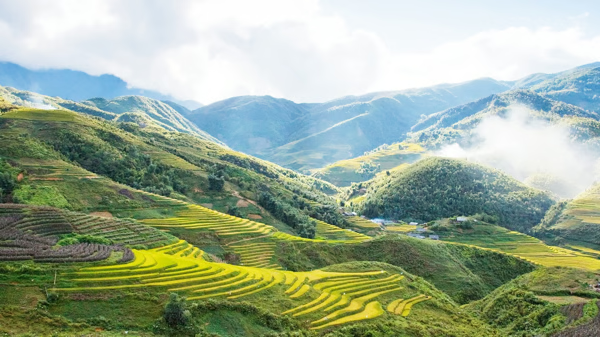
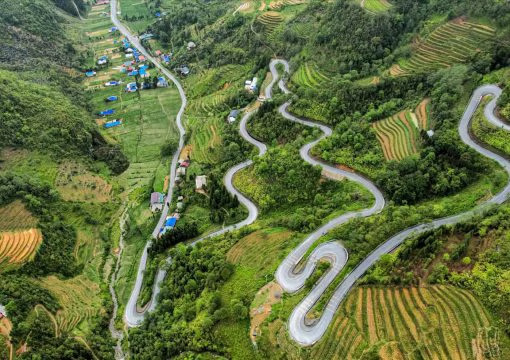
If you want mountains, head north. Sapa is known for terraced rice fields and ethnic minority villages. Ha Giang offers dramatic mountain roads and some of Vietnam’s most spectacular scenery. These regions reward travellers who slow down. Weather can change quickly, so flexibility is important.
Da Nang
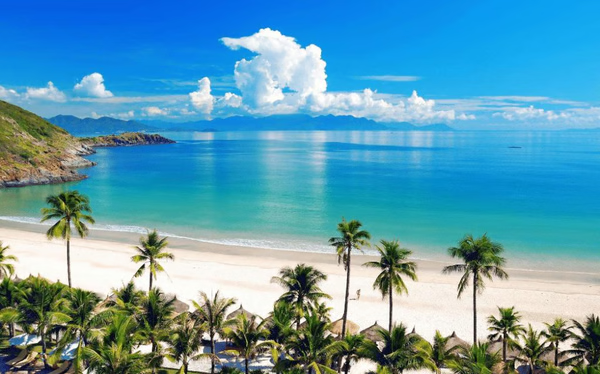


Da Nang offers a modern city, long beaches, and excellent access to central Vietnam. It works especially well as a base for nearby attractions:
- My Khe Beach
- Ba Na Hills
- Hoi An
- Marble Mountains
- Hue
The city is particularly enjoyable from February to August.
Hoi An
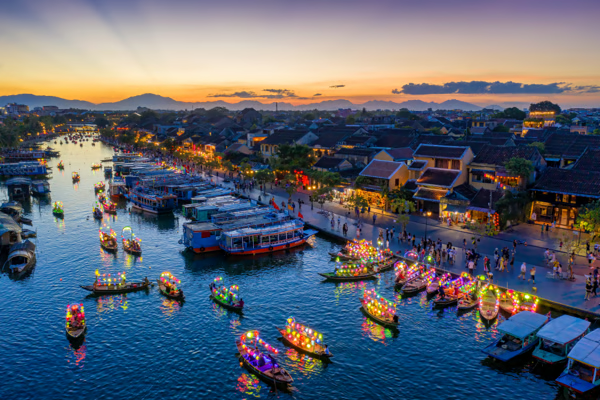
Hoi An is one of Vietnam’s most charming destinations. Lantern-lit streets, riverside cafés, old merchant houses, and nearby beaches create a relaxed atmosphere. It’s easy to understand why so many travellers extend their stay here. The best experience often comes in the evening when the Old Town lights up.
Ho Chi Minh City

Energetic, fast-moving, and modern, Ho Chi Minh City offers a completely different experience from Hanoi. Expect rooftop bars, markets, museums, historic landmarks, modern shopping, and incredible food. December to April usually offers the most comfortable weather.
Phu Quoc
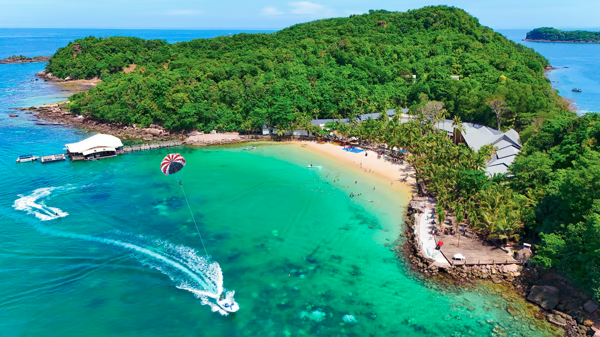
For travellers looking to finish their Vietnam holiday with a beach stay, Phu Quoc is an excellent option. The dry season from December to April brings the best beach conditions—ideal for couples, families, luxury stays, and pure beach relaxation.
Atlas Insider Tip: Do not plan Vietnam as though it were a small country. One of the biggest mistakes travellers make is trying to fit Hanoi, Ha Long Bay, Da Nang, Hoi An, Ho Chi Minh City, and Phu Quoc into a very short trip. Choose fewer destinations and enjoy them properly. If you have only 6 or 7 days, focus on one or two regions. Vietnam becomes much better when the itinerary has breathing room.
Region Selection Guide
- Choose Northern Vietnam If You Want: Culture, mountains, scenic landscapes, cooler weather, Ha Long Bay, and Ninh Binh.
- Choose Central Vietnam If You Want: Beaches, historic towns, relaxed travel, Hoi An, and Da Nang.
- Choose Southern Vietnam If You Want: City energy, Mekong Delta, tropical weather, and beach extensions like Phu Quoc.
How Many Days Do You Need in Vietnam?
- 5 Days: Choose one region only.
- 7 Days: Two destinations or one region plus a short extension.
- 10 Days: A comfortable North + Central or Central + South combination.
- 12 to 14 Days: Ideal for a broader first-time journey.
- 3 Weeks+: Enough time to experience Vietnam from north to south without rushing.
For most travellers, 10 to 14 days gives a much better sense of the country.
Food & Local Culture
What you eat is one of the strongest reasons to visit:
- Pho: Vietnam’s famous noodle soup. Different regions serve it differently.
- Banh Mi: A crusty baguette filled with herbs, vegetables, and various proteins. Simple, affordable, and extremely satisfying.
- Bun Cha: Grilled pork served with noodles, herbs, and dipping sauce. Especially famous in Hanoi.
- Vietnamese Coffee: Strong, sweet, and unlike most coffee traditions elsewhere. Try both traditional condensed-milk coffee and egg coffee while in Hanoi.
- Fresh Spring Rolls: Light, refreshing, and widely available.
Vietnamese cuisine is regional, so don’t keep ordering the same dishes everywhere. Try what each city does best.
Is Vietnam Good for Vegetarians?
Yes, particularly in major cities and tourist destinations. Look for the word “chay,” which often indicates vegetarian food. Buddhist vegetarian cuisine is common in many parts of the country. Still, strict vegetarians should clarify ingredients carefully because fish sauce and meat-based broths are widely used.
Travel Styles: Couples vs. Families
Vietnam for Couples
Vietnam works extremely well for couples because it offers variety. You could combine:
- Boutique hotels in Hanoi
- A luxury cruise in Ha Long Bay
- Riverside evenings in Hoi An
- Beach time in Da Nang
- Rooftop dining in Ho Chi Minh City
It feels far more layered than a single-resort holiday.
Vietnam for Families
Families can also enjoy Vietnam, provided the itinerary isn’t overly aggressive:
- Keep travel days manageable.
- Add rest time.
- Choose centrally located hotels.
- Avoid changing cities every night.
Da Nang and Hoi An are particularly family-friendly because they combine beaches with easy sightseeing.
Essential Travel Tips Before You Go
- Check weather by region, not by country.
- Don’t try to cover too much in one trip.
- Carry lightweight clothing plus a layer for northern winter months.
- Use domestic flights for long distances where appropriate.
- Wear comfortable shoes for city exploration.
- Be cautious when crossing busy roads; traffic can feel intense at first.
- Try local food beyond tourist restaurants.
- Keep flexibility during wetter months.
- Spend at least two nights in destinations you genuinely want to experience.
Quick Summary
| Travel Goal | Best Time |
|---|---|
| Best Overall | February to April |
| Northern Vietnam | October to April |
| Central Vietnam | February to August |
| Southern Vietnam | December to April |
| Ha Long Bay | October to April |
| Da Nang & Hoi An | February to August |
| Phu Quoc | December to April |
| Mountain Trips | March–May, September–November |
Frequently Asked Questions
What is the best month to visit Vietnam?
For a classic multi-region trip, March and April are among the strongest months because several parts of the country enjoy relatively favourable conditions.
How many days are enough for Vietnam?
Around 10 to 14 days is ideal for a first trip if you want to experience more than one region without rushing.
Is Vietnam good for Indian travellers?
Yes. Vietnam offers excellent food, varied landscapes, beaches, cities, and strong value across a wide range of budgets.
Is Vietnam cheap?
Vietnam can be very good value, especially for food, local transport, and mid-range hotels. Luxury experiences are also available at competitive prices compared with many other international destinations.
Which is better, Vietnam or Thailand?
Thailand offers stronger resort infrastructure, nightlife, and island options. Vietnam offers a more varied cultural journey, dramatic landscapes, and excellent value. Both are fantastic, but they suit different travel styles.
Which is better, Hanoi or Ho Chi Minh City?
Hanoi feels more historic and atmospheric. Ho Chi Minh City feels faster, more modern, and cosmopolitan. Many travellers enjoy seeing both because they reveal completely different sides of Vietnam.
Continue Exploring on Mindflix Atlas
- Best Time to Visit Every Country
- Best Time to Visit Thailand
- Best Time to Visit Malaysia
- Best Time to Visit Singapore
- Best Time to Visit Bali
- 10 International Destinations Indians Should Visit Before Everyone Else Does
- Vietnam Travel Guide (Coming Soon)
- Hanoi Travel Guide (Coming Soon)
- Da Nang & Hoi An Travel Guide (Coming Soon)
- The Perfect 10-Day Vietnam Itinerary (Coming Soon)
Vietnam is not a destination you should rush through. It changes every few hundred kilometres: the food changes, the weather changes, the landscapes change, and even the pace of life changes. That’s exactly why Vietnam stays with people long after they return home.
Choose the right regions, travel during the right season, and give each place enough time to breathe. Mindflix Atlas helps you understand the destination before you book it, so you can travel smarter and experience more.