
Best Time to Visit Spain: Barcelona, Madrid, Islands & Month-by-Month Guide (2026)
Jay Vora
Founder & CEO
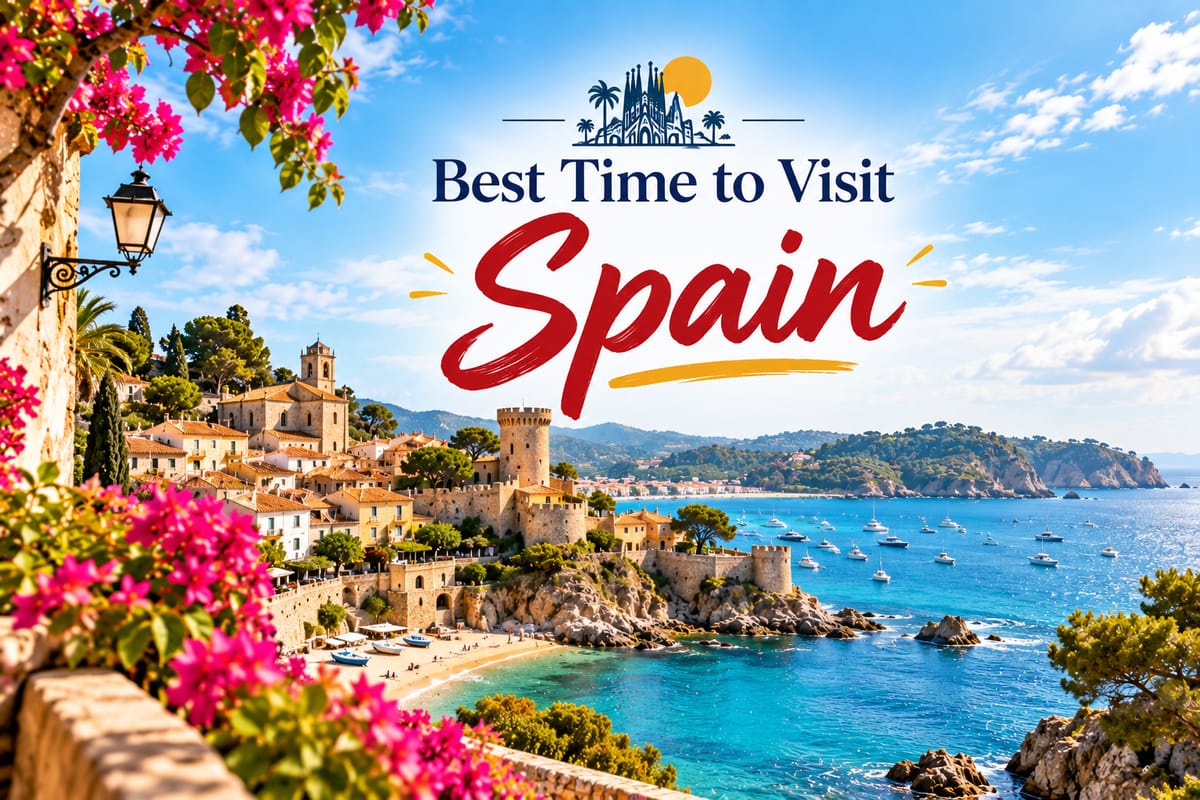
Best Time to Visit Spain
Spain is not one mood.
It is many.
Barcelona gives you architecture, beaches and late-night energy.
Madrid feels grander and more urban.
Seville is warmer, slower and deeply atmospheric.
Ibiza is famous for nightlife, while Mallorca offers a completely different Mediterranean experience.
And the north of Spain can feel like another country altogether.
For most travellers, April to June and September to October are among the best times to visit Spain.
The weather is pleasant, cities are lively and the extreme summer heat has either not arrived yet or has already started easing.
But as always, the best month depends on what you want from the trip.
Understanding Spain’s Seasons
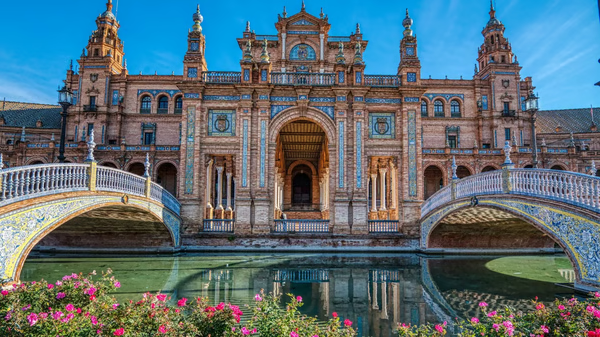
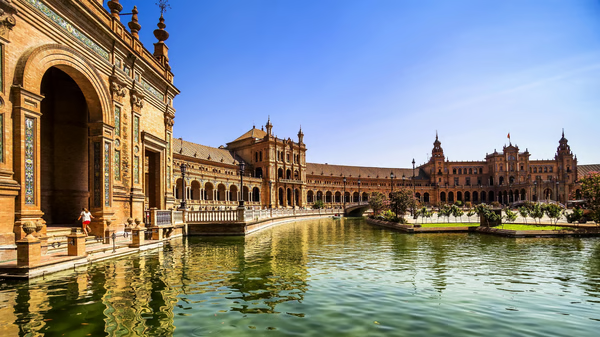
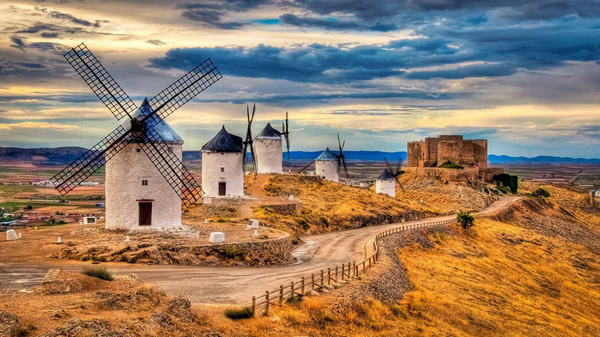
Spain is a large country with major regional differences.
The south can be extremely hot in summer.
Northern Spain is generally cooler and wetter.
Mediterranean islands stay popular through the warmer months.
That means national averages only tell part of the story.
Broadly, Spain experiences:
- Mild spring
- Hot summer
- Pleasant autumn
- Cooler winter
Spring in Spain: March to May
Spring is one of the best seasons overall.
March can still feel cool in Madrid and the north.
April becomes increasingly comfortable.
May is excellent almost everywhere.
Spring is ideal for:
- Barcelona
- Madrid
- Seville
- Andalusia
- Road trips
- Couples
- Photography
Summer in Spain: June to August
Summer brings energy.
The islands are busy.
Beach clubs are open.
Cities stay awake late.
But southern Spain can become intensely hot.
This is best for:
- Ibiza
- Mallorca
- Costa del Sol
- Beach holidays
- Nightlife
- Festivals
If you dislike heat, avoid inland southern cities in July and August.
Autumn in Spain: September to November
September is one of the strongest all-round months.
The sea remains warm.
Crowds start easing.
Temperatures become more comfortable.
October is also excellent for cities and road trips.
Autumn suits:
- Food travel
- City breaks
- Couples
- Coastal trips
- Cultural travel
Winter in Spain: December to February
Winter is quieter.
Madrid can be cold.
Barcelona remains relatively mild.
Southern Spain can still be pleasant.
This season is ideal for:
- Museums
- City breaks
- Lower prices
- Fewer crowds
It is not the best time for a classic island or beach holiday.
Spain Month by Month
January
Quiet and cool.
Madrid is cold, while southern Spain remains milder.
Best for: City breaks and lower crowds.
February
Still a good off-season month.
Carnival events can add colour in some regions.
March
Spring begins.
Conditions improve quickly, especially in the south.
April
One of the best months to visit Andalusia.
Seville becomes especially lively around spring festivals.
May
Outstanding weather.
Warm days, long evenings and manageable crowds make this one of Spain’s best travel months.
June
Summer begins.
Beach regions become much more active.
Barcelona and the islands feel especially lively.
July
Peak summer.
Expect strong heat inland and very busy coastal destinations.
August
One of the busiest and hottest months.
Excellent for nightlife and beach holidays.
Less ideal for inland sightseeing.
September
One of Spain’s best months.
Warm weather continues while crowds begin easing.
October
Excellent for city travel and road trips.
Southern regions remain comfortable.
November
Cooler and quieter.
A strong month for museums, food and urban travel.
December
Festive season.
Christmas markets, lights and winter atmosphere return to major cities.
Best Time Based on Your Travel Style
First-Time Visit
April to June, September to October
Barcelona
April to June, September to October
Madrid
April to June, September to October
Seville
March to May, October to November
Ibiza
June to September
Mallorca
May to October
Beaches
June to September
Nightlife
July and August
Food & Culture
Spring and autumn
Barcelona
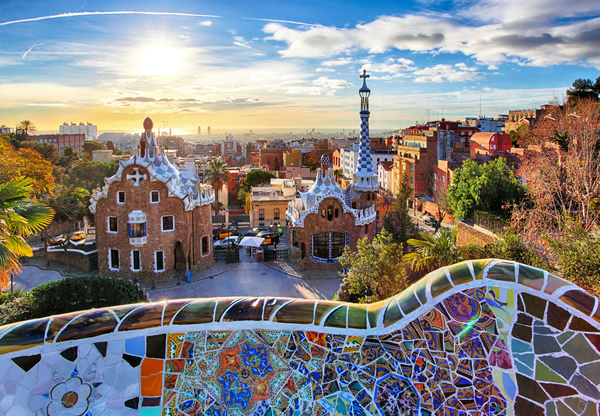
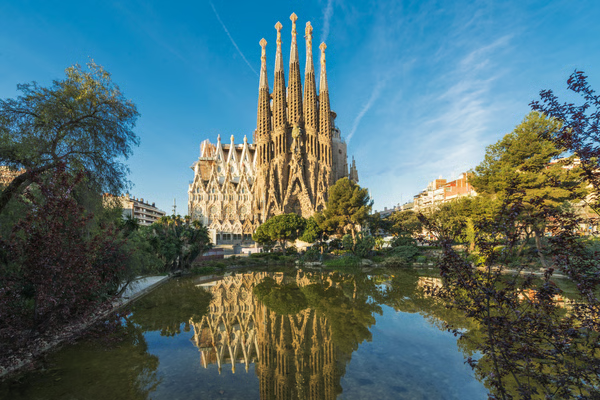
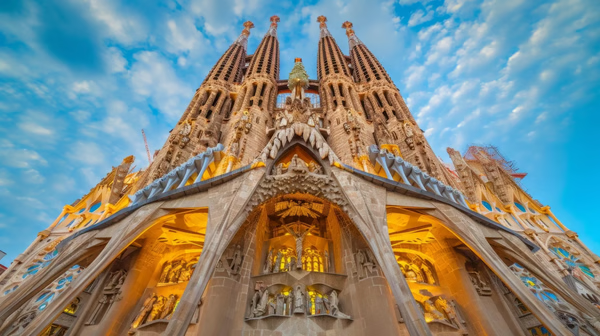
Barcelona is one of Europe’s most distinctive cities.
It combines:
- Architecture
- Beaches
- Food
- Nightlife
- Art
- Walkable neighbourhoods
Highlights include:
- Sagrada Família
- Park Güell
- Gothic Quarter
- Barceloneta
- Casa Batlló
- Montjuïc
Give it at least three nights.
Madrid
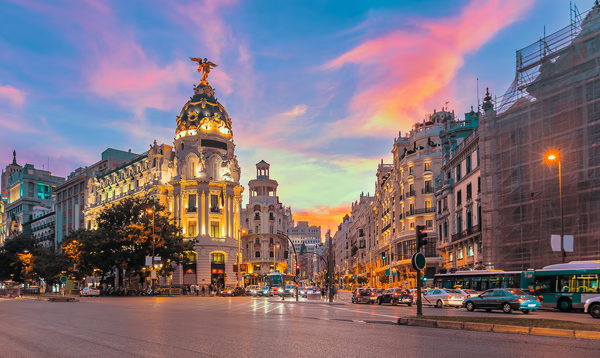
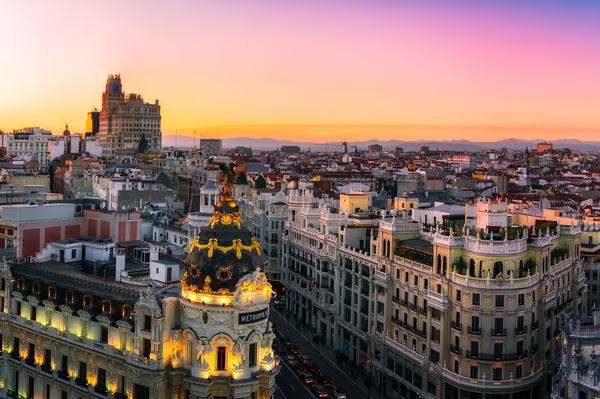
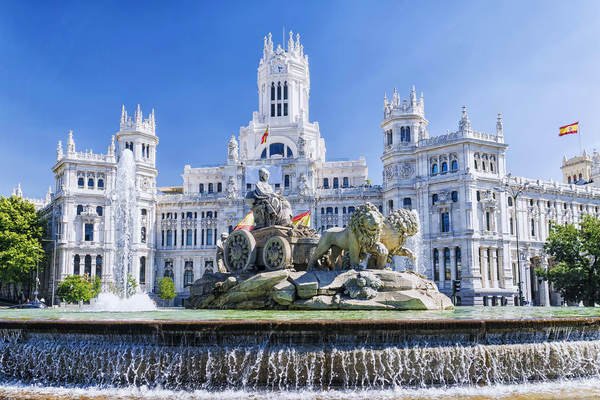
Madrid feels more classically European.
It is known for:
- Museums
- Grand boulevards
- Parks
- Tapas
- Nightlife
Popular highlights include:
- Prado Museum
- Retiro Park
- Royal Palace
- Plaza Mayor
- Gran Vía
Madrid rewards travellers who enjoy food, art and city energy.
Seville
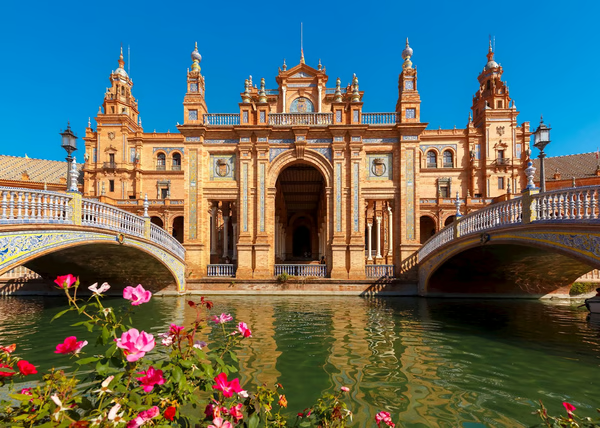
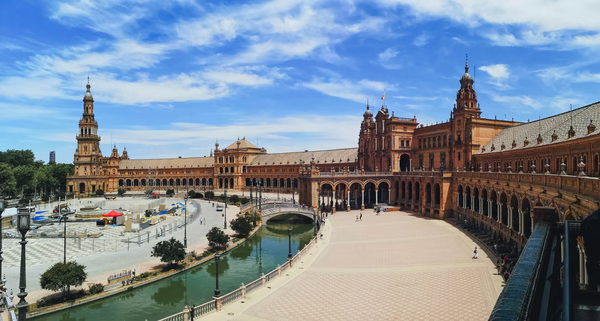
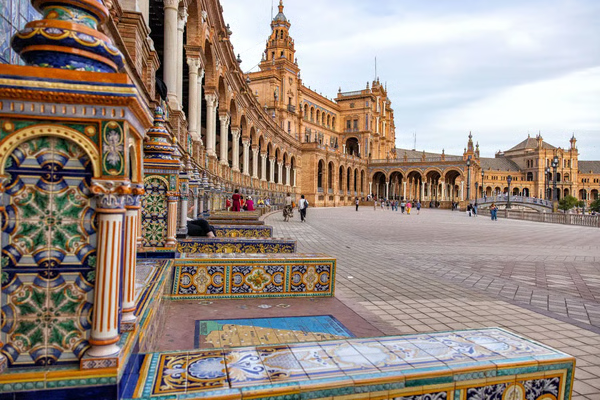
Seville is one of Spain’s most atmospheric cities.
The old town, orange trees, plazas and flamenco culture make it especially memorable.
But summer heat can be extreme.
Spring and autumn are much better.
Atlas Insider Tip
If Seville is on your itinerary, avoid treating July and August like normal sightseeing months.
The afternoon heat can completely change the experience.
If you must travel then, start early, take a long midday break and return outside in the evening.
Spain works better when you adapt to the local rhythm.
Andalusia
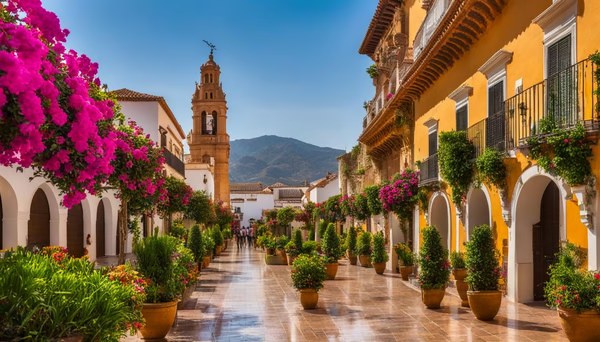
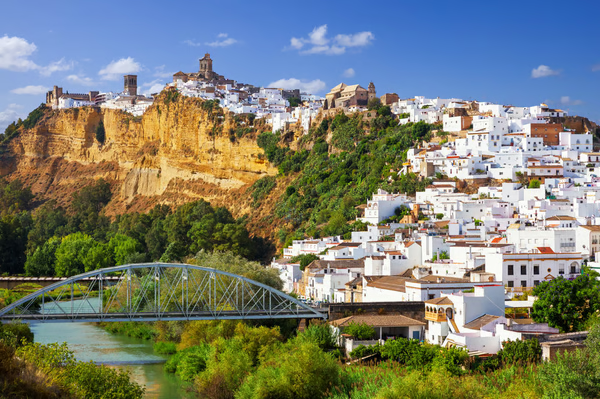
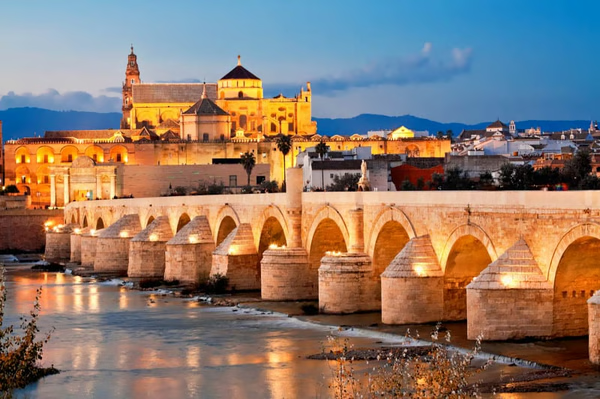
Andalusia is one of Spain’s richest cultural regions.
A strong route might include:
- Seville
- Córdoba
- Granada
- Málaga
This region combines Moorish architecture, food, history and warm weather.
Granada
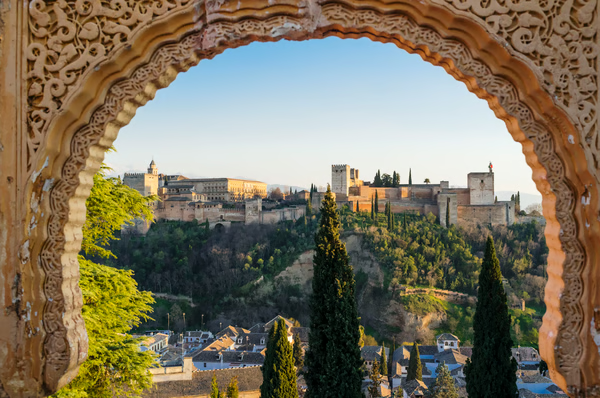
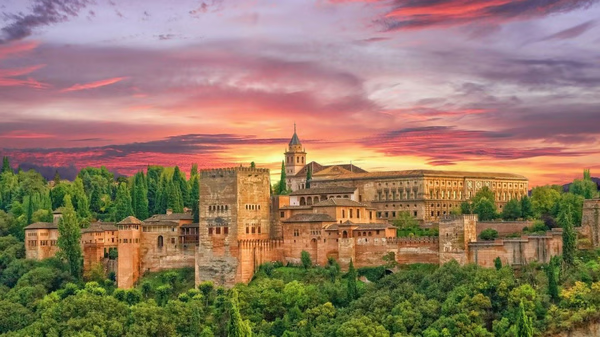
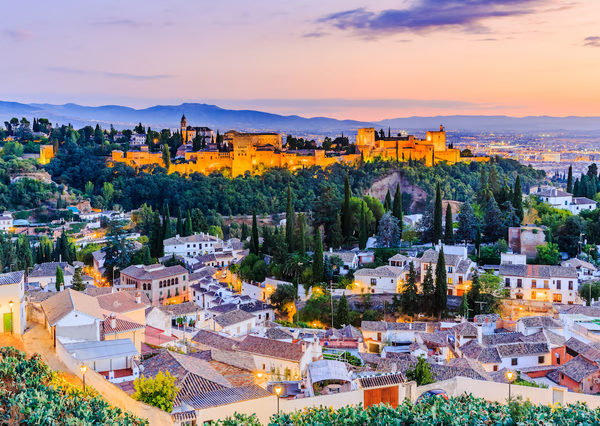
Granada is home to the Alhambra, one of Spain’s most important historical sites.
Book tickets early.
The city also has a strong student culture and beautiful viewpoints.
Ibiza

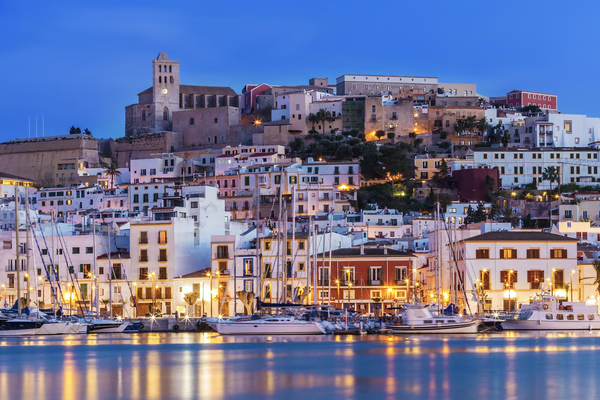
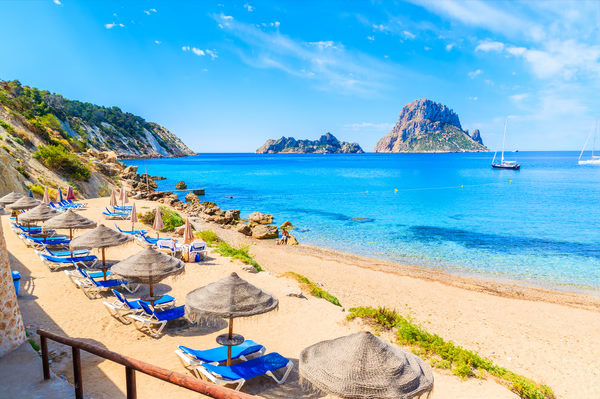
Ibiza is famous for nightlife.
But it also has quieter coves, beach clubs and rural areas.
You can make it:
- A party trip
- A luxury escape
- A beach holiday
- A couples’ getaway
The island is more varied than its reputation suggests.
Mallorca

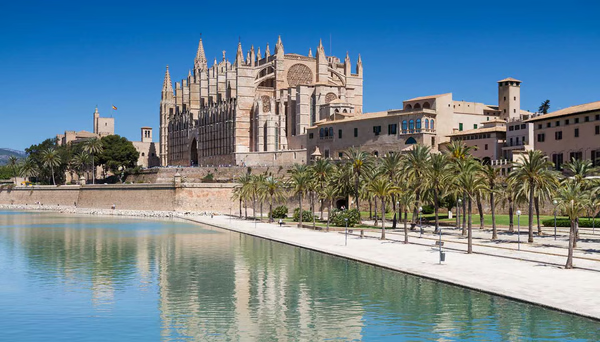
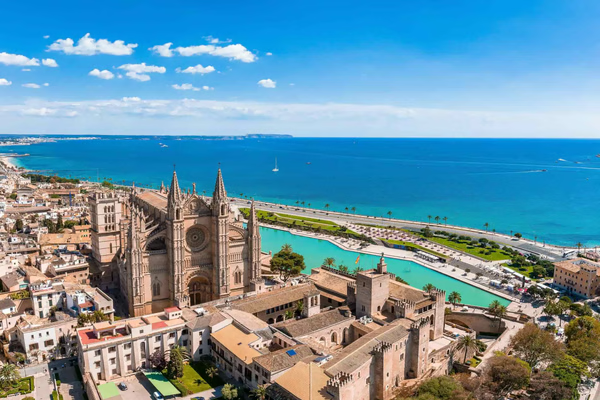
Mallorca is one of Spain’s best all-round islands.
It offers:
- Beaches
- Mountain roads
- Villages
- Resorts
- Scenic drives
It’s a very different experience from Ibiza.
Spain for Couples
Spain works beautifully for couples because it combines city and coast.
A strong trip might look like:
Barcelona → Mallorca
or
Madrid → Seville → Granada
Both offer different moods without feeling repetitive.
Spain for Families
Families do well in Spain.
Popular family-friendly areas include:
- Barcelona
- Costa del Sol
- Mallorca
- Madrid
The country has strong transport, family hotels and plenty of outdoor experiences.
What Should You Eat in Spain?
Food is one of Spain’s biggest strengths.
Try:
Paella
Originally associated with Valencia.
Different regions serve different versions.
Tapas
Small plates designed for sharing.
The best part is trying several at once.
Tortilla Española
Spanish omelette made with potato and egg.
Patatas Bravas
Fried potatoes served with spicy sauce.
Churros
Best enjoyed with thick hot chocolate.
Vegetarian Travel in Spain
Vegetarian travel is easy in major cities.
Popular options include:
- Tortilla
- Patatas bravas
- Grilled vegetables
- Cheese
- Salads
- Mushroom dishes
Vegan travellers should still check sauces and broths.
How Many Days Do You Need in Spain?
4 to 5 Days
One major city
7 Days
Two cities
10 Days
Two cities + one regional or island stop
12 to 14 Days
Ideal for a broader first trip
For most travellers, 9 to 12 days works very well.
Travel Tips Before You Go
- Avoid southern inland cities during peak summer heat if possible.
- Book major attractions early.
- Use trains between large cities.
- Keep time for late dinners and evening walks.
- Don’t overload too many cities into one trip.
- Choose islands based on your travel style.
- Wear comfortable shoes.
- Travel in May, June or September for balance.
Quick Summary
| Travel Goal | Best Time |
|---|---|
| Overall Best Time | April-June, September-October |
| Barcelona | April-June, September-October |
| Madrid | April-June, September-October |
| Seville | March-May, October-November |
| Ibiza | June-September |
| Mallorca | May-October |
| Beaches | June-September |
| Nightlife | July-August |
Frequently Asked Questions
What is the best month to visit Spain?
May, June and September are among the strongest months for most first-time travellers.
How many days are enough for Spain?
Around 9 to 12 days works well for two major cities plus one additional region or island.
Barcelona or Madrid?
Choose Barcelona for architecture, beaches and Mediterranean energy.
Choose Madrid for museums, food and a more classic capital-city experience.
Is Spain expensive?
It can be moderate by Western European standards, though Barcelona, Ibiza and peak-season islands can become expensive.
Is September a good time to visit Spain?
Yes. September is one of the best months for warm weather, beaches and lower crowd levels than August.
Spain or Portugal?
Spain offers greater regional variety, nightlife and larger cities.
Portugal feels more compact and often slower-paced.
Both pair well in a longer Iberian itinerary.
Continue Exploring on Mindflix Atlas
- Best Time to Visit Portugal
- Best Time to Visit Italy
- Best Time to Visit Greece
- Best Time to Visit Every Country
- Spain Travel Guide (Coming Soon)
- Barcelona Travel Guide (Coming Soon)
- Madrid Travel Guide (Coming Soon)
- The Perfect 10-Day Spain Itinerary (Coming Soon)
- Spain vs Portugal (Coming Soon)
- Best Mediterranean Destinations for First-Time Travellers (Coming Soon)
Spain is best understood after sunset.
The streets stay alive.
Dinner begins late.
Plazas fill with people.
And the day stretches much longer than you expected.
That rhythm is part of the experience.
Don’t rush it.
Stay out later.
Walk slower.
Eat longer.
Mindflix Atlas helps you understand the destination before you book it, so you can travel smarter and experience more.