
Best Time to Visit Italy: Weather, Seasons & Month-by-Month Guide (2026)
Jay Vora
Founder & CEO
Best Time to Visit Italy
Italy isn’t a destination you visit just once.
It’s a country that invites you back, season after season.
One trip might be spent wandering through Rome’s ancient streets. Another could be sailing along the Amalfi Coast, watching the sunset over Tuscany’s vineyards, skiing in the Alps, or enjoying handmade pasta in a quiet village café.
Every season reveals a different side of Italy.
The best time to visit depends entirely on the experience you’re seeking.
Whether you’re planning your first European holiday, a honeymoon, a family vacation or a culinary adventure, choosing the right season will make your journey even more rewarding.
Understanding Italy’s Seasons
Italy experiences four distinct seasons, each offering unique experiences.
Spring (March to May)
Spring is one of Italy’s finest travel seasons.
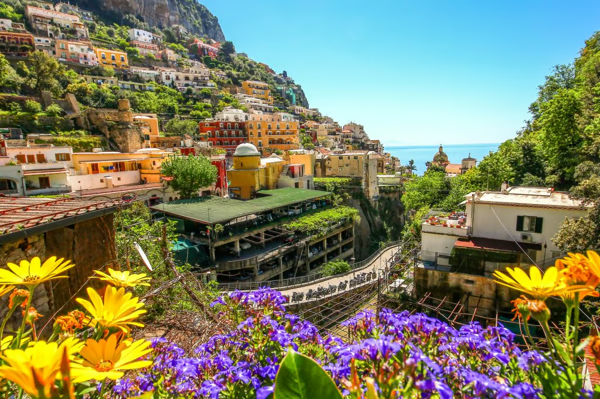
Temperatures are pleasant, flowers bloom across cities and countryside, and popular attractions are less crowded than in peak summer.
Perfect for:
- Sightseeing
- Honeymoons
- Photography
- Food tours
- Walking through historic cities
Summer (June to August)
Summer is lively, energetic and full of festivals.
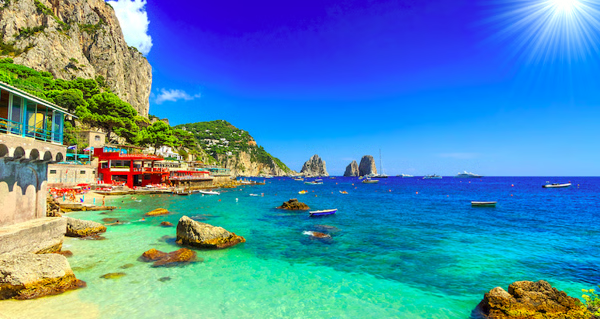
Beach destinations come alive, outdoor cafés are bustling and long daylight hours allow more time to explore.
Expect larger crowds and higher prices, especially during July and August.
Ideal for:
- Beaches
- Coastal road trips
- Family holidays
- Festivals
- Island escapes
Autumn (September to November)
Many experienced travellers consider autumn the best season to visit Italy.
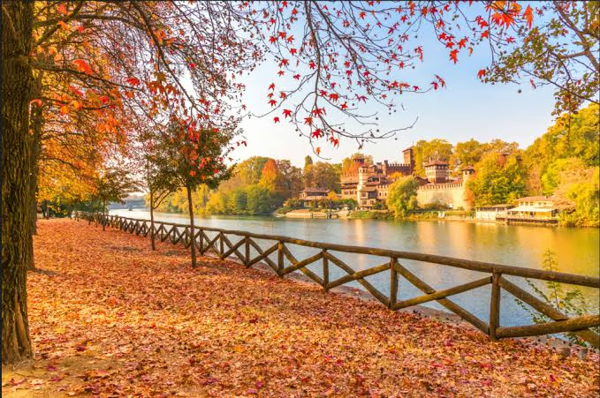
The weather remains comfortable, vineyards prepare for harvest, tourist crowds reduce and landscapes become beautifully colourful.
Perfect for:
- Wine regions
- Tuscany
- Photography
- Road trips
- Cultural experiences
Winter (December to February)
Winter offers festive Christmas markets, snow-covered mountain villages and fewer tourists in major cities.
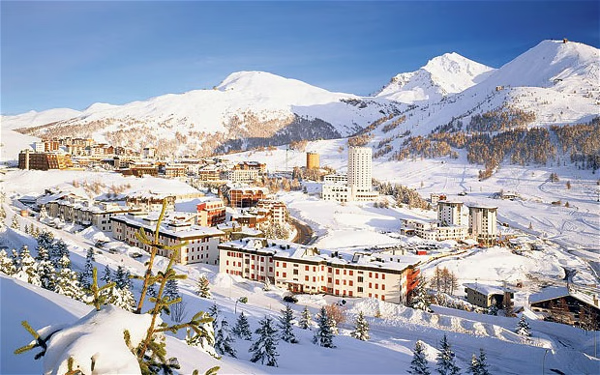
Northern Italy attracts skiers, while cities like Rome and Florence become quieter and easier to explore.
Ideal for:
- Winter sports
- Christmas holidays
- Budget city breaks
- Museums and galleries
Month-by-Month Guide
January
A peaceful month for exploring cities without large tourist crowds. Excellent for museums, historic landmarks and winter scenery in northern Italy.
February
Carnival celebrations bring destinations like Venice to life. A fantastic month for culture, photography and winter festivals.
March
Spring begins arriving. Parks become greener, temperatures improve and outdoor cafés reopen across many cities.
April
One of Italy’s most beautiful months. Comfortable weather makes sightseeing enjoyable throughout the country. Ideal for first-time visitors.
May
Widely considered one of the best months to visit. Warm days, blooming countryside and manageable crowds create near-perfect travel conditions.
June
Summer begins. The Amalfi Coast, Cinque Terre and Italy’s lakes become increasingly popular.
July
Peak travel season. Expect sunny beaches, lively festivals and vibrant nightlife, along with higher prices and larger crowds.
August
Many Italians take holidays during August, making coastal destinations particularly busy. Book accommodation early.
September
Perhaps the best overall month to visit. The weather remains warm, the sea is perfect for swimming and the busiest crowds have started to leave.
October
Autumn colours spread across vineyards and countryside. Harvest season creates unforgettable food and wine experiences.
November
Cooler temperatures arrive. Cities become quieter and accommodation prices often become more attractive.
December
Italy celebrates the festive season beautifully. Christmas markets, decorations and winter traditions create a magical atmosphere throughout the country.
Best Time Based on Your Travel Style
- First-Time Visitors: April, May, September
- Honeymoon: May, June, September
- Beaches: June to September
- Food & Wine: September and October
- Photography: April, May, October
- Family Holidays: June and July
- Christmas Markets: December
- Budget Travel: November to February (excluding festive weeks)
Which Part of Italy Should You Visit?
Italy offers extraordinary diversity.
- Rome is perfect for history lovers, ancient landmarks and iconic architecture.
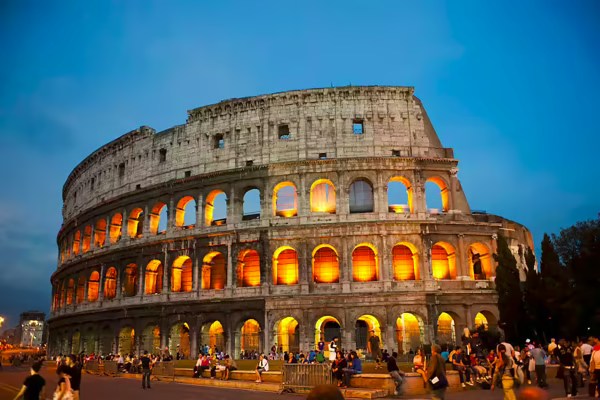
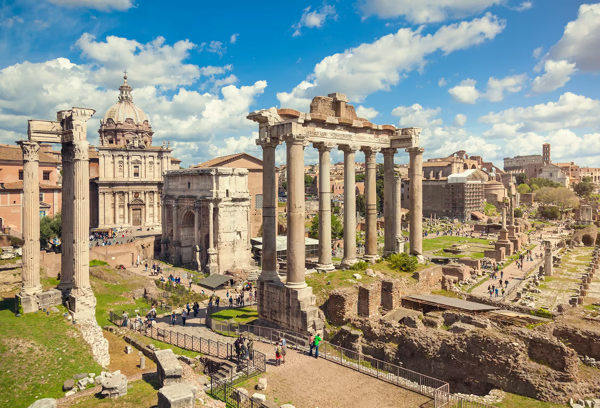
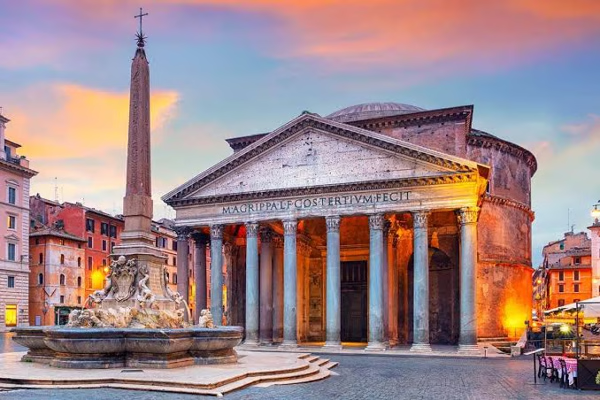
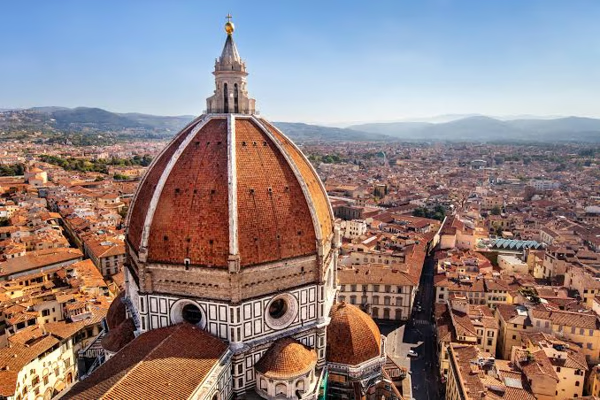
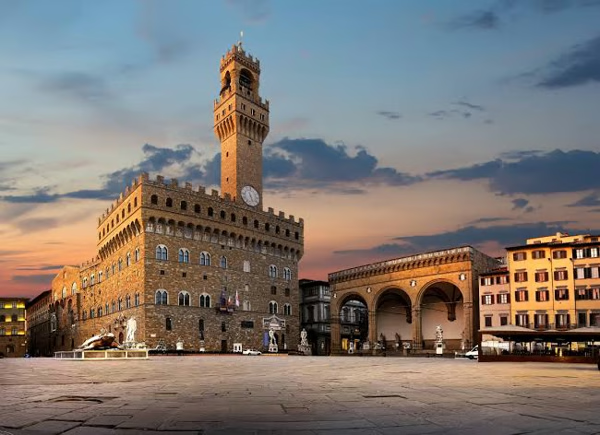
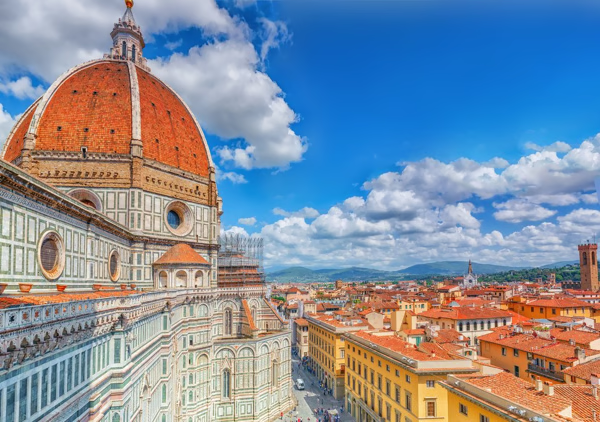
- Florence showcases Renaissance art, museums and charming streets.
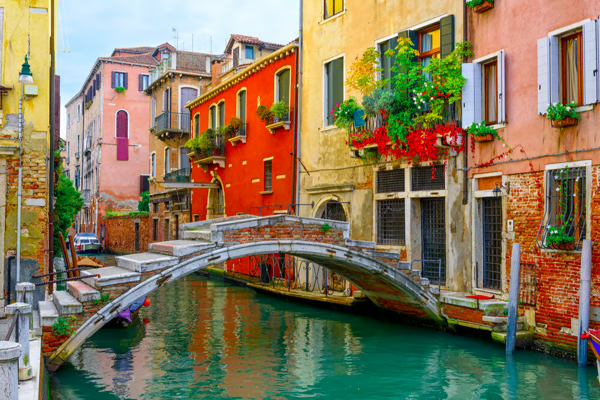
- Venice offers unforgettable canals, historic bridges and timeless romance.
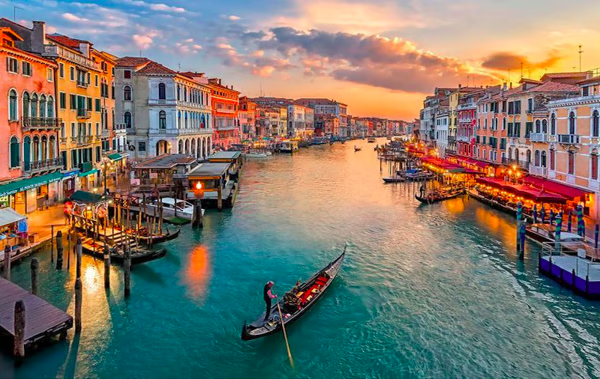
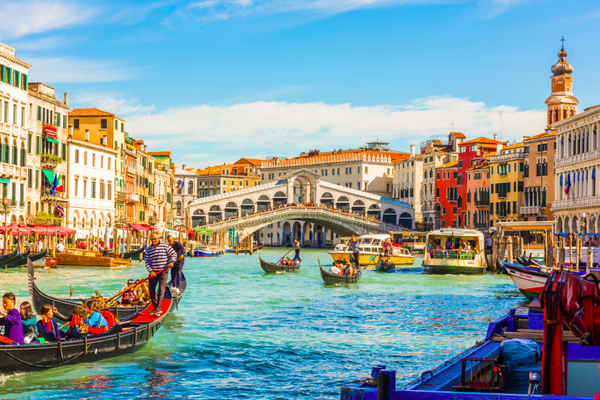
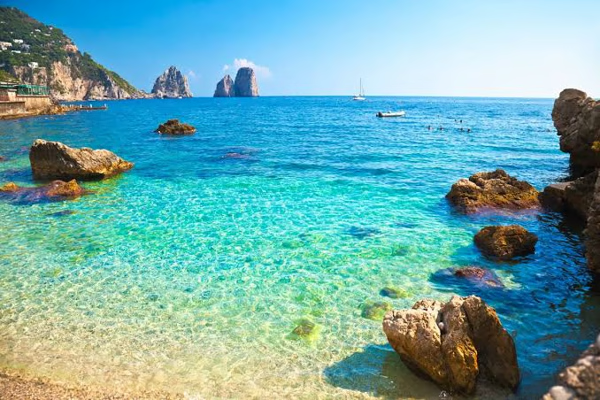
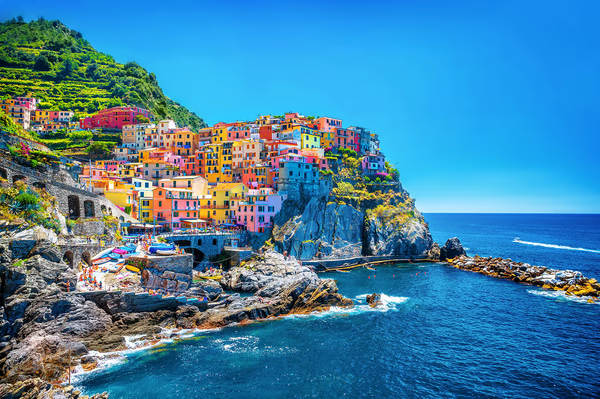
- The Amalfi Coast combines dramatic cliffs, colourful villages and Mediterranean beauty.
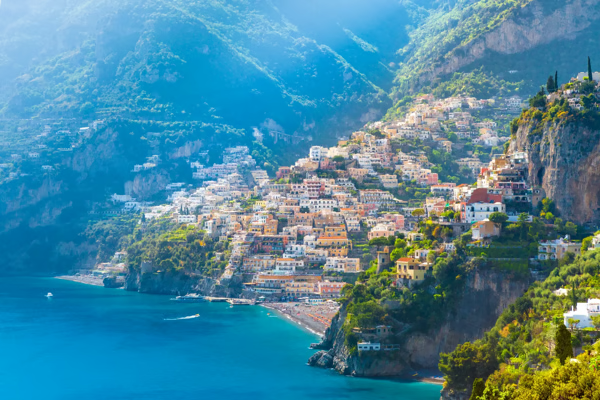
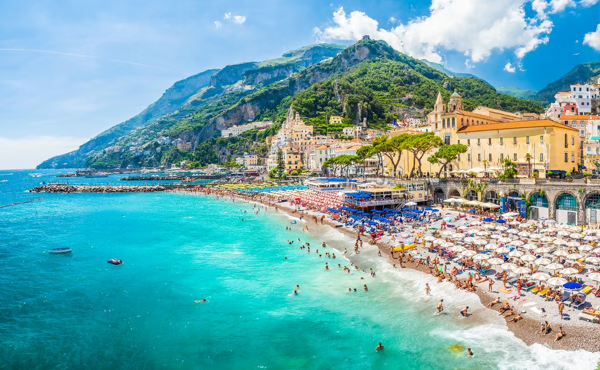
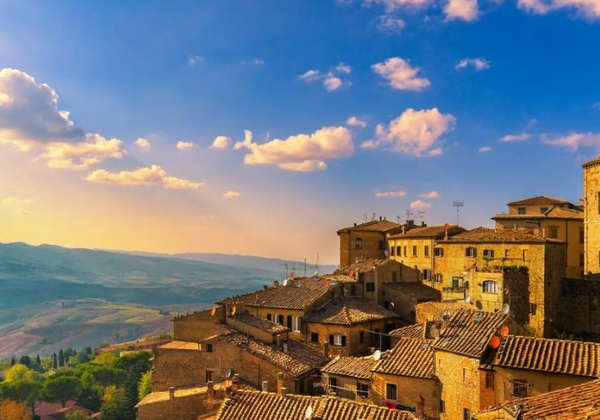
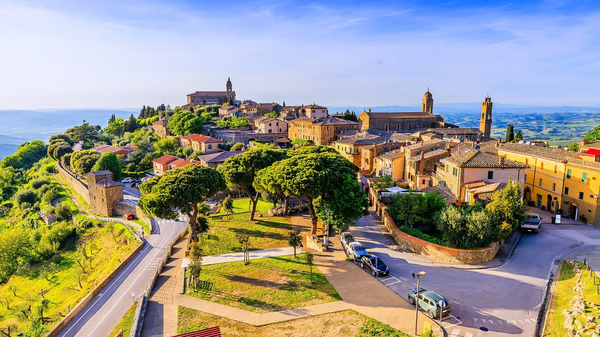
- Tuscany is famous for vineyards, rolling hills and world-class cuisine.
- Milan blends fashion, modern design and vibrant city life.
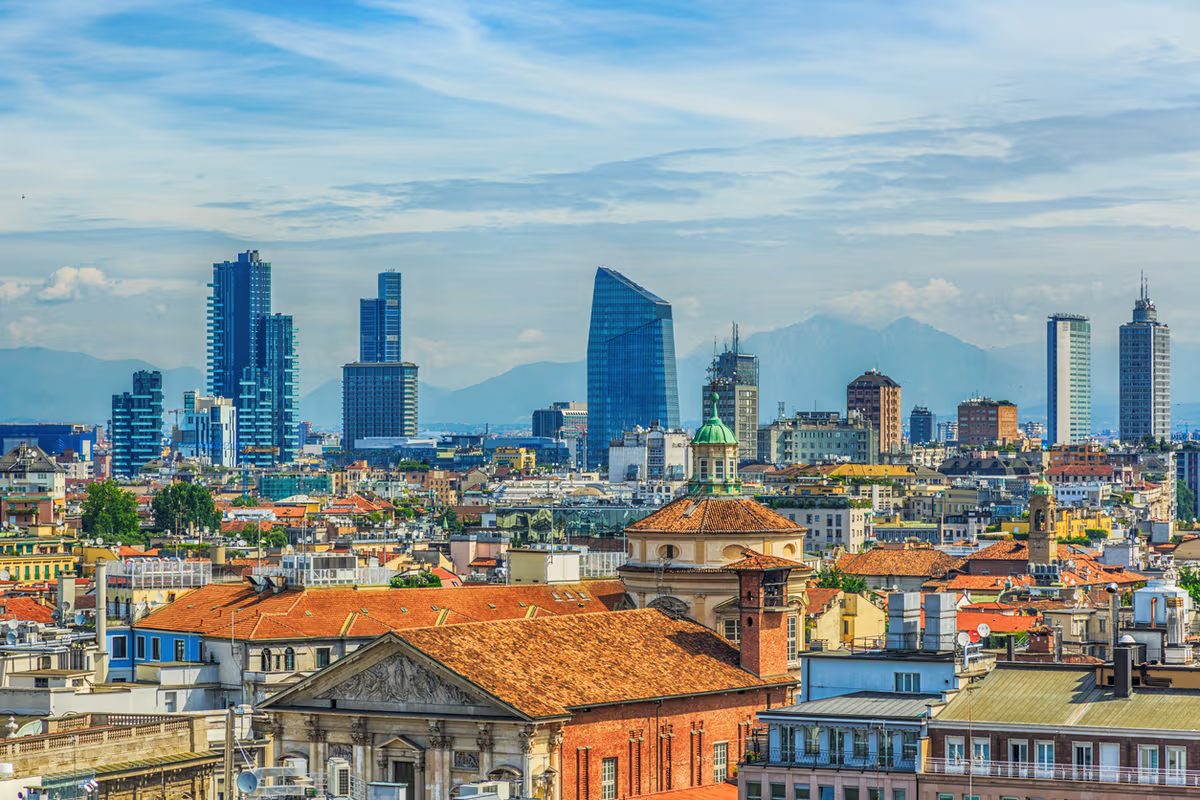
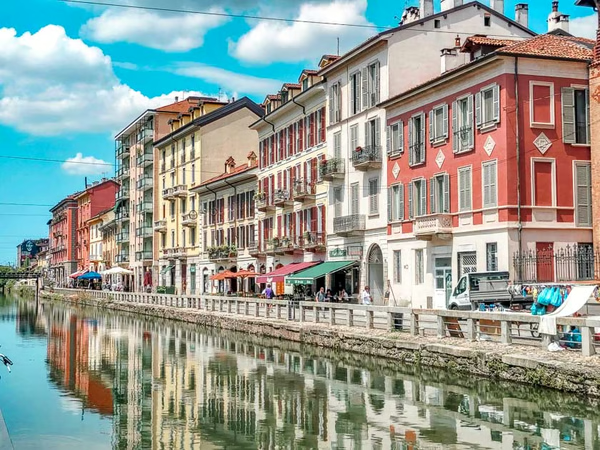
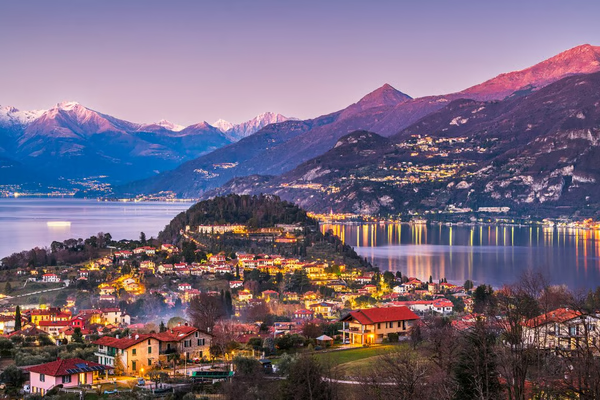
No matter which region you choose, Italy rewards travellers with unforgettable experiences.
Atlas Insider Tip
Many travellers try to visit Rome, Florence, Venice and the Amalfi Coast in a single week. Don’t.
Italy deserves a slower pace.
Instead of rushing through multiple cities, spend more time exploring fewer places. You’ll discover local cafés, hidden streets and authentic experiences that rarely appear in guidebooks.
The best memories often come from slowing down.
Travel Tips Before You Go
- Reserve popular attractions well in advance during peak season.
- Wear comfortable walking shoes, as historic cities are best explored on foot.
- Validate regional train tickets where required before boarding.
- Carry a reusable water bottle, as public drinking fountains are common in many cities.
- Learn a few simple Italian phrases. Locals always appreciate the effort.
Quick Summary
| Travel Goal | Best Time |
|---|---|
| Overall Best Weather | April, May, September |
| Beaches | June to September |
| Food & Wine | September, October |
| Honeymoon | May, June, September |
| Christmas | December |
| Budget Travel | November to February |
Frequently Asked Questions
What is the best month to visit Italy?
May and September are often considered the ideal months thanks to pleasant weather, fewer crowds than peak summer and excellent sightseeing conditions.
Is Italy crowded during summer?
Yes. July and August are among the busiest months, especially in coastal destinations and major cities.
Which season is best for Tuscany?
Autumn is particularly beautiful, with vineyard harvests, colourful landscapes and pleasant temperatures.
How many days should I spend in Italy?
A 10 to 14-day trip allows enough time to experience multiple regions without feeling rushed.
Continue Exploring on Mindflix Atlas
- How to Plan Your First International Trip
- Best Time to Visit Every Country
- Best Time to Visit Thailand
- Best Time to Visit Japan
- Best Time to Visit Bali
- Best Time to Visit Switzerland
- Best Time to Visit Dubai
- Italy Travel Guide (Coming Soon)
- Rome vs Florence: Which City Should You Visit First? (Coming Soon)
Italy is a country that rewards curiosity. Whether you’re exploring ancient ruins, sailing along dramatic coastlines, tasting regional cuisine or wandering through quiet village streets, choosing the right season helps you experience its beauty at its fullest. At Mindflix Atlas, we’re here to help you travel smarter, one destination at a time.