
Best Time to Visit Taiwan: Taipei, Night Markets, Mountains & Month-by-Month Guide (2026)
Jay Vora
Founder & CEO

Best Time to Visit Taiwan
Taiwan is one of Asia’s most underrated first-time destinations.
It has the energy of a major East Asian city without requiring the entire trip to revolve around skyscrapers.
Leave Taipei and the island changes quickly.
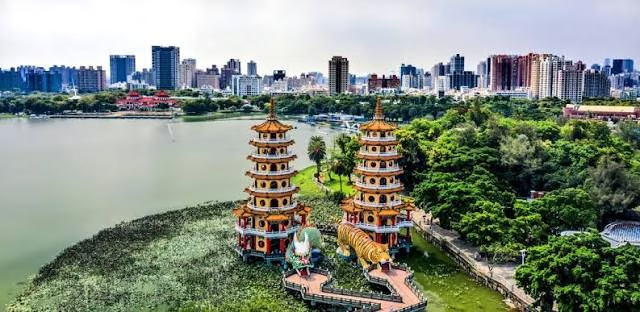
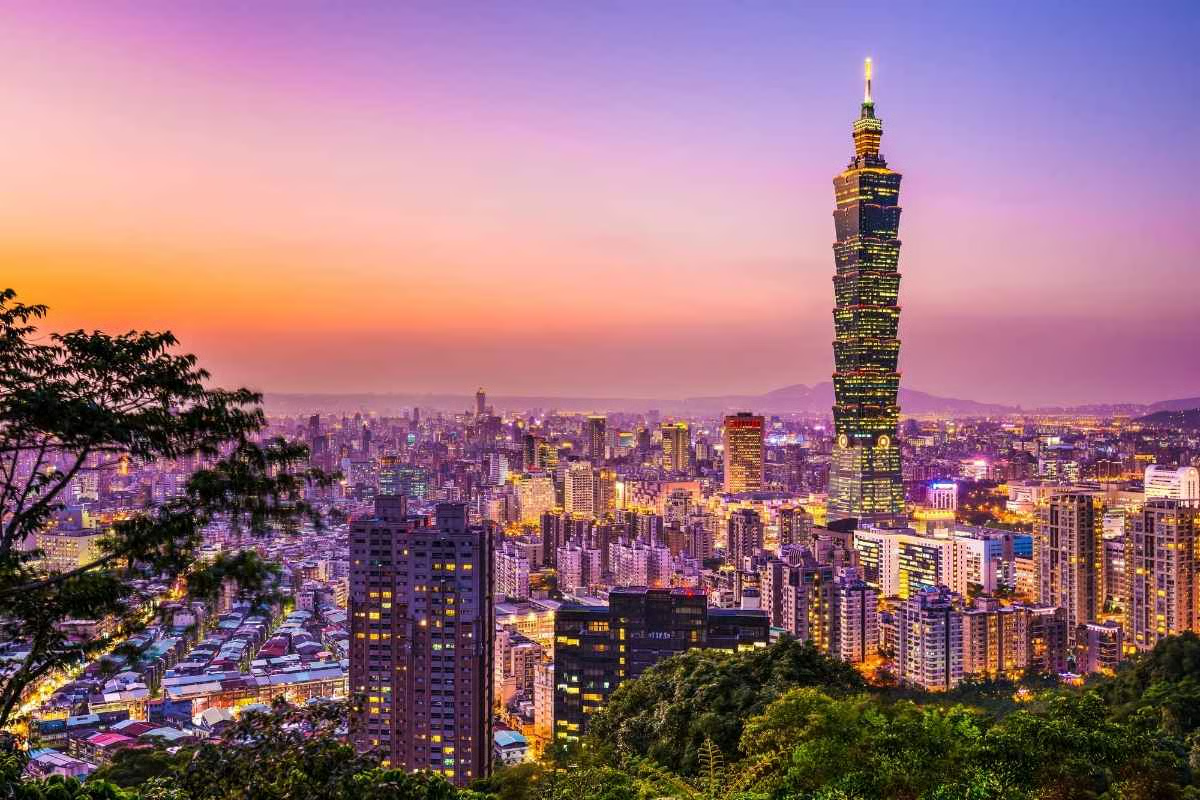
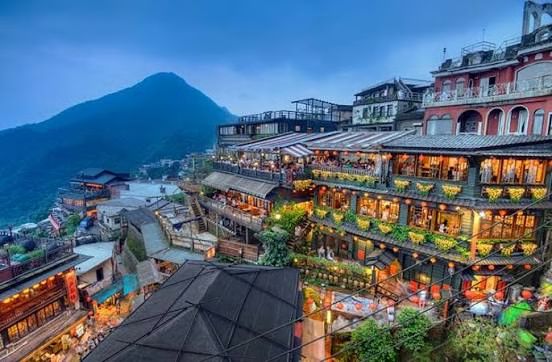
There are mountain roads.
Tea plantations.
Hot springs.
Temple towns.
Forests.
Beaches.
Cycling routes.
And one of Asia’s most enjoyable food cultures waiting at night markets after dark.
For most first-time travellers, October to November and March to April are among the best times to visit Taiwan.
Autumn is particularly comfortable, with Taiwan’s Tourism Administration describing September to November as a period of cooler, pleasant weather. Spring can also be rewarding, although March to May can bring periods of persistent rain. Summers are hotter and more humid, and typhoons can affect Taiwan between June and August.
But Taiwan is highly regional.
Mountain weather can change quickly.
Southern Taiwan is often warmer than Taipei.
And a trip focused on hot springs requires a completely different season from a beach holiday.
The good news?
Taiwan works remarkably well throughout much of the year.
Why Taiwan Deserves More Attention
Taiwan rarely gets the same international travel attention as Japan, South Korea or Thailand.
That is precisely part of its appeal.
It offers:
- Excellent public transport
- Remarkable food
- Night markets
- Mountains
- Hot springs
- Temples
- Tea culture
- Modern cities
- Coastal scenery
- Easy rail travel
And because the island is relatively compact, you can experience several completely different versions of Taiwan in one trip.
Understanding Taiwan’s Seasons
Taiwan has noticeable seasonal changes, but the climate also varies significantly by altitude and latitude.
Broadly:
- Spring: March-May
- Summer: June-August
- Autumn: September-November
- Winter: December-February
Taiwan’s official tourism guidance notes that summer can bring typhoons, autumn generally offers cooler and more comfortable conditions, and winters are comparatively short and mild except in mountain areas.
Spring in Taiwan: March to May
Spring is a beautiful but somewhat unpredictable season.
Temperatures are generally comfortable.
Vegetation becomes lush.
Flowers appear across parks and mountain areas.
But rain is more common.
Spring works especially well for:
- Taipei
- Tea regions
- Cities
- Cultural travel
- Photography
- Couples
Carry an umbrella.
Summer in Taiwan: June to August
Summer is hot and humid.
This is when air-conditioning becomes your closest travel companion.
It is also a period when typhoons can affect Taiwan, so travellers should monitor forecasts carefully.
Summer can still work well for:
- Coastal trips
- Islands
- Night markets
- Southern Taiwan
- Indoor cultural attractions
But outdoor sightseeing is more tiring.
Autumn in Taiwan: September to November
Autumn is arguably Taiwan’s easiest season for a first visit.
Temperatures become more comfortable.
Humidity generally becomes easier.
Mountain and city travel both work well.
October and November are particularly attractive for:
- Taipei
- Hiking
- Cycling
- Sun Moon Lake
- Alishan
- City-hopping
This is one of the strongest periods for a multi-region itinerary.
Winter in Taiwan: December to February
Winter is relatively mild in much of Taiwan.
Taipei can feel cool, damp and surprisingly chilly.
Southern cities remain warmer.
This is also one of the best seasons for:
- Hot springs
- Food travel
- City breaks
- Tea
- Fewer crowds in some regions
Taiwan’s tourism authority specifically highlights colder weather as a popular time for hot-spring travel.
Taiwan Month by Month
January
Cool in Taipei and northern Taiwan.
Excellent for:
- Hot springs
- Food
- City travel
Mountain regions can be considerably colder.
February
Winter continues.
Lunar New Year can significantly affect domestic travel patterns and business opening schedules.
If travelling around the holiday period, book early and verify operating hours.
March
Spring begins.
Temperatures improve, but rain becomes more frequent.
A good month for cultural travel.
April
Comfortable but changeable.
Excellent for Taipei, Tainan and broader city itineraries.
Carry rain protection.
May
Warmer, greener and increasingly humid.
Rain can become persistent.
June
Summer arrives.
Expect heat, humidity and stronger rainfall.
July
Hot and humid.
Typhoon disruptions are possible.
Keep outdoor plans flexible.
August
Similar to July.
Good for travellers comfortable with tropical weather, but weather monitoring matters.
September
A transitional month.
Conditions begin improving, especially later in the month.
October
One of Taiwan’s best months.
Comfortable weather makes both urban and outdoor travel easier.
November
Another excellent month.
Ideal for city-hopping, hiking and food-focused travel.
December
Cooler weather returns.
Hot springs become particularly appealing.
Best Time Based on Your Travel Style
First-Time Visit
October-November, March-April
Taipei
October-April
Night Markets
Year-round
Hot Springs
November-March
Hiking
October-April, depending on elevation and weather
Sun Moon Lake
October-April
Alishan
October-April
Southern Taiwan
October-March
Taipei
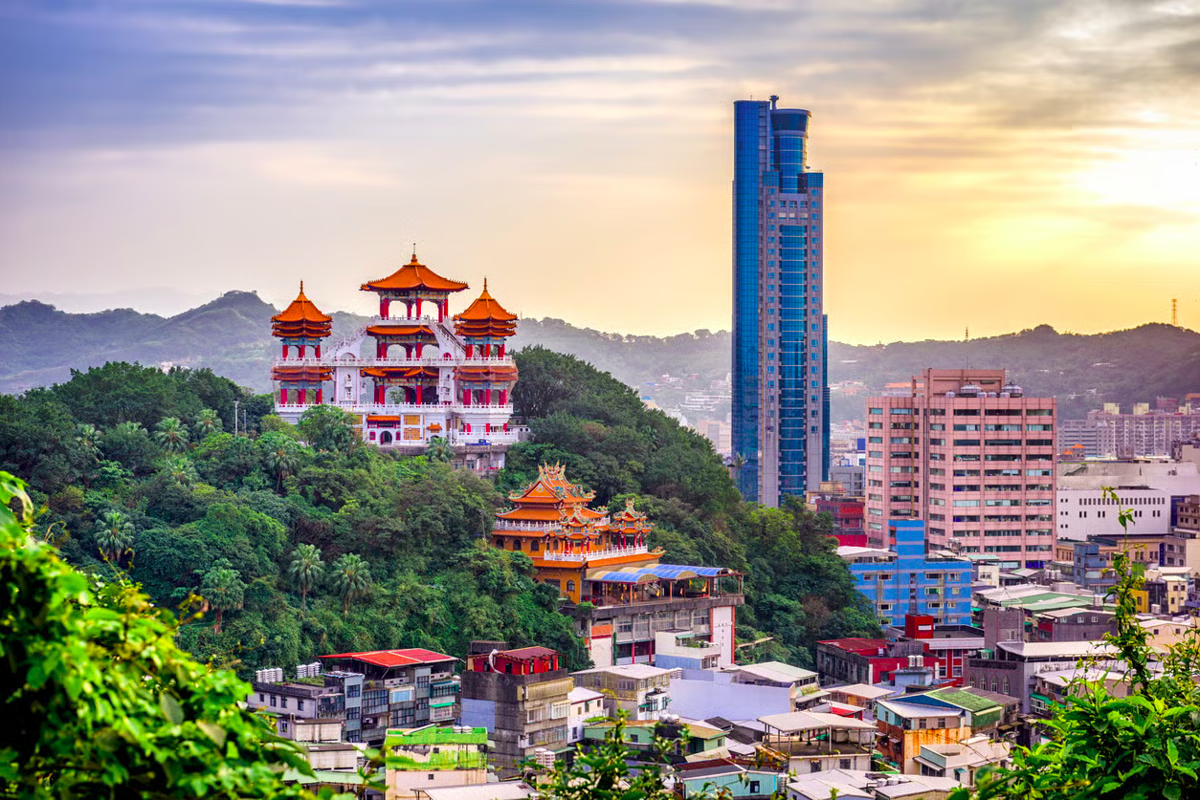
Taipei is one of Asia’s easiest capitals to enjoy.
It feels modern without feeling sterile.
Busy without being overwhelming.
And extremely well organised without losing personality.
Highlights include:
- Taipei 101
- Longshan Temple
- Chiang Kai-shek Memorial Hall
- Ximending
- Dihua Street
- National Palace Museum
- Elephant Mountain
- Night markets
Give Taipei at least three full days.
Four is even better.
Taipei 101
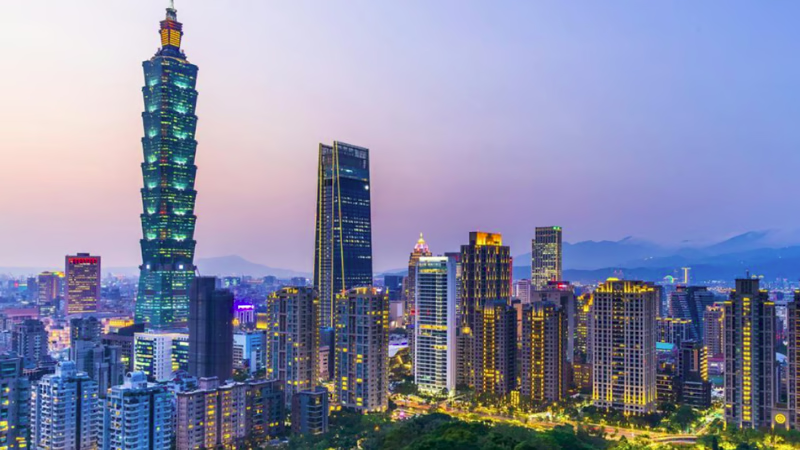
Taipei 101 dominates the city skyline.
The observation levels offer spectacular views on clear days.
But visibility matters.
If the skyline is clear, take advantage of it instead of rigidly following your original plan.
Atlas Insider Tip
Treat Taipei 101 and Elephant Mountain as weather-dependent experiences.
If the sky suddenly clears, move the viewpoint higher on your schedule.
Museums and night markets can wait.
Good visibility does not always last.
Elephant Mountain
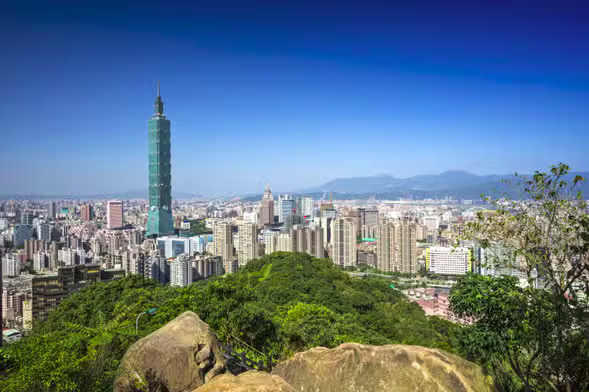
Elephant Mountain is one of the classic places to photograph Taipei 101.
The climb involves stairs and humidity can make it surprisingly tiring.
Go:
- Early morning
- Late afternoon
rather than at the hottest part of the day.
Ximending
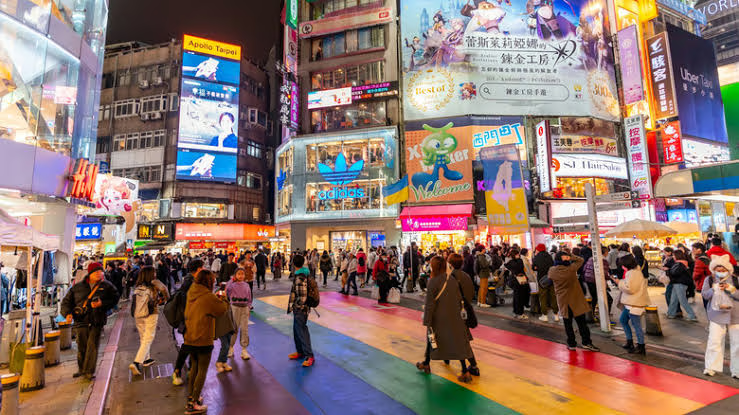
Ximending is loud, colourful and energetic.
Expect:
- Shopping
- Street food
- Fashion
- Entertainment
- Younger crowds
It is particularly lively after dark.
Dihua Street
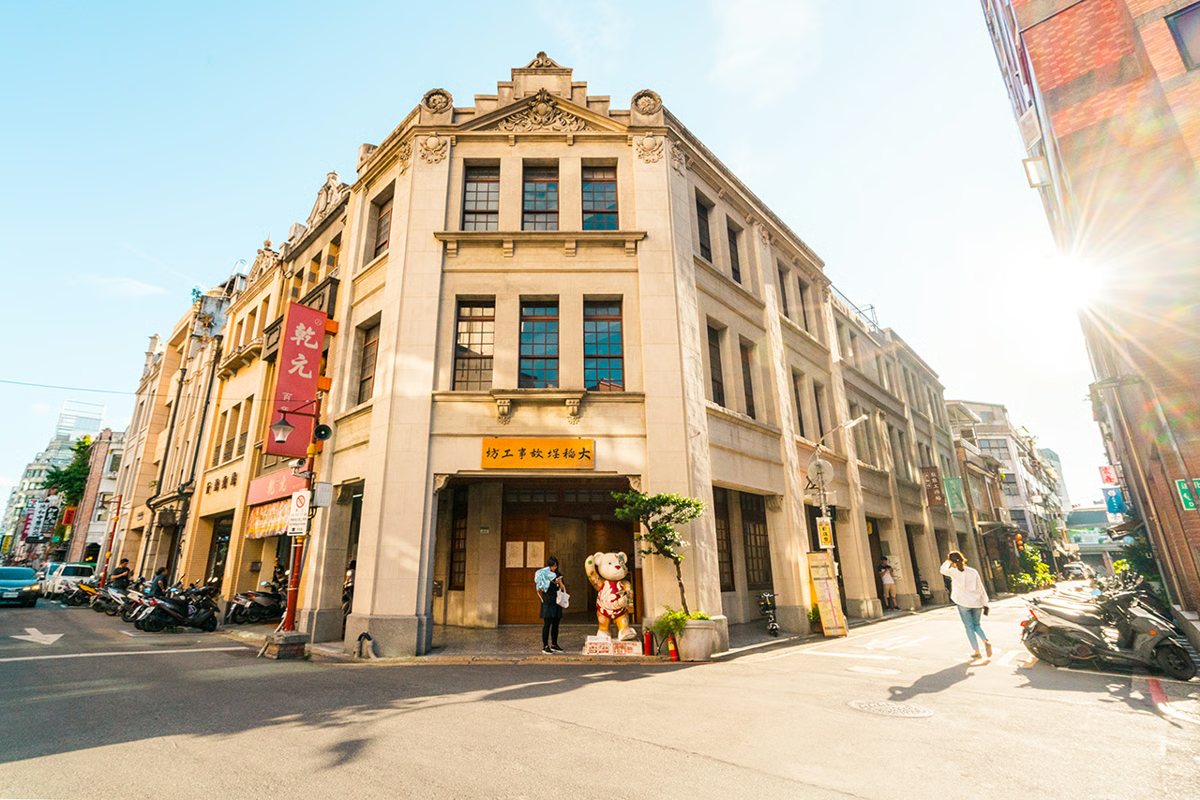
Dihua Street shows a more historic side of Taipei.
Expect:
- Traditional shops
- Tea
- Dried foods
- Heritage buildings
- Small cafés
It makes a useful contrast to the city's modern districts.
Longshan Temple
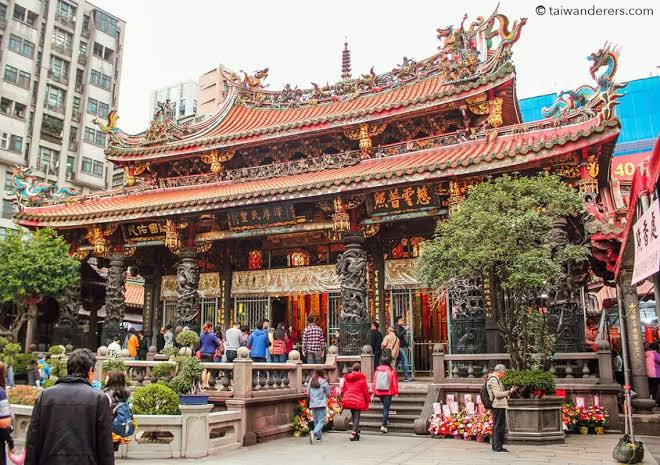
Longshan Temple is one of Taipei’s best-known temples.
Visit respectfully.
Remember that this is not simply an attraction.
It remains an active religious space.
National Palace Museum
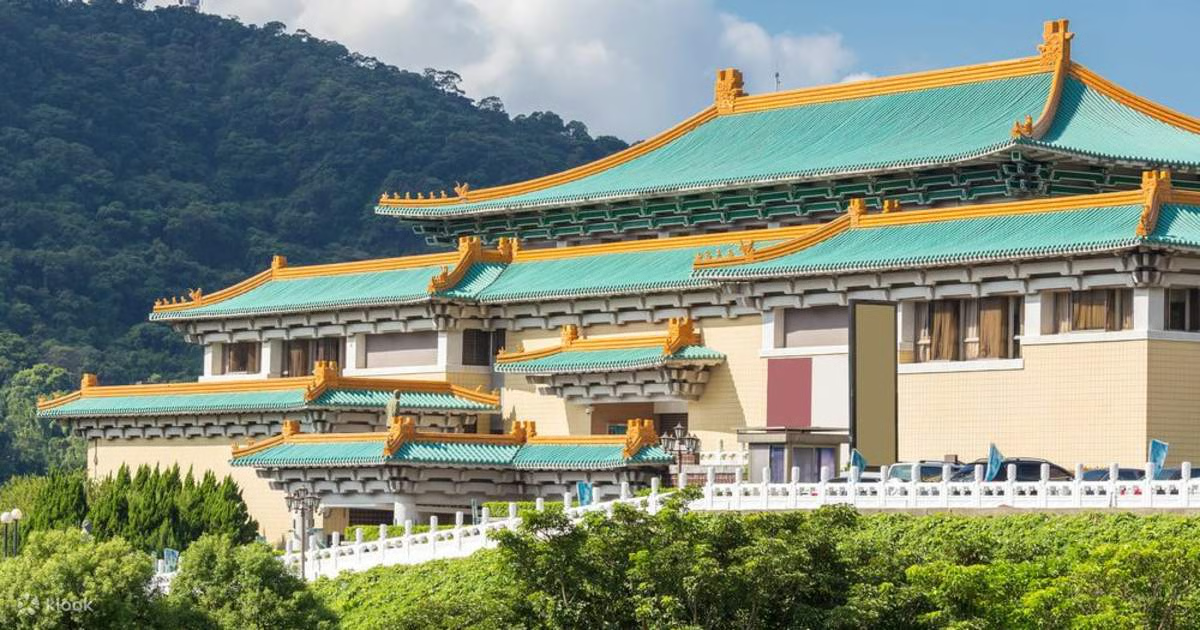
The National Palace Museum houses one of the world’s most significant collections of Chinese art and historical artefacts.
Give it proper time.
It is an excellent rainy-day experience.
Taipei Night Markets
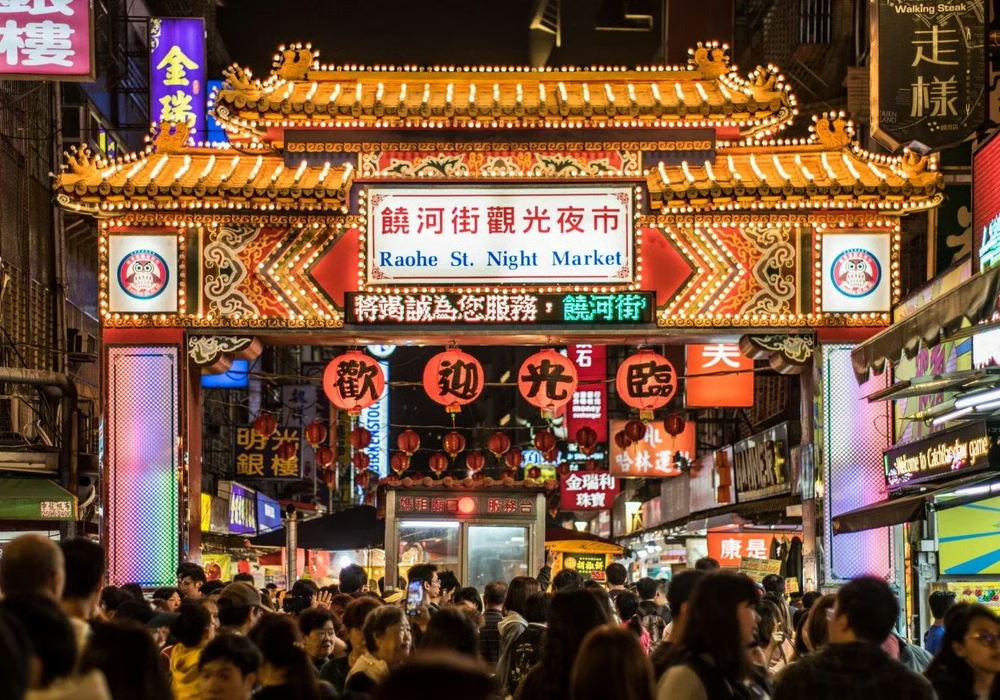
Night markets are one of the defining Taiwan travel experiences.
They combine:
- Street food
- Games
- Small shops
- Local social life
Popular Taipei markets include:
- Raohe
- Ningxia
- Shilin
But bigger does not always mean better.
Atlas Insider Tip: Don’t Night-Market-Hop for the Sake of It
You do not need to visit five night markets in three nights.
Choose two.
Eat slowly.
Try a few things at each.
The goal is not to collect market names.
It is to enjoy the ritual.
What Should You Eat in Taiwan?
Food may become the main reason you want to return.
Taiwanese cuisine is broad, regional and deeply connected to everyday street life.
Beef Noodle Soup
One of Taiwan’s most famous comfort foods.
Styles vary by restaurant.
Some broths are rich and dark.
Others are lighter.
Trying more than one is completely reasonable.
Xiao Long Bao
Soup dumplings are one of Taiwan’s best-known internationally exported foods.
Taipei is a good place to experience both famous versions and less polished neighbourhood shops.
Lu Rou Fan
Braised pork rice is simple, comforting and everywhere.
It is exactly the kind of everyday dish that tells you more about local food culture than an elaborate tasting menu.
Scallion Pancakes
Crisp, layered and extremely easy to eat while walking.
Oyster Omelette
A classic night-market dish combining oysters, egg and a starchy batter.
Bubble Tea
Bubble tea originated in Taiwan.
You will find versions ranging from huge international-style chains to small local shops.
Try it at least once where it began.
Stinky Tofu
You may smell it before you see it.
Stinky tofu is one of Taiwan’s most famous street foods.
Some travellers love it.
Others never recover.
That is part of the fun.
Vegetarian Travel in Taiwan
Taiwan is exceptionally interesting for vegetarian travellers.
Buddhist culinary traditions mean vegetarian food has deep cultural roots.
You will find:
- Vegetarian buffets
- Tofu
- Noodles
- Vegetable dishes
- Buddhist restaurants
That said, clarify ingredients when necessary because some sauces or stocks may contain animal products.
Beitou
Beitou is one of the easiest hot-spring experiences from Taipei.
The area is accessible by public transport and offers:
- Hot-spring hotels
- Public bath options
- Green spaces
- Historic architecture
It works brilliantly as a half-day or overnight escape.
Hot Springs in Taiwan
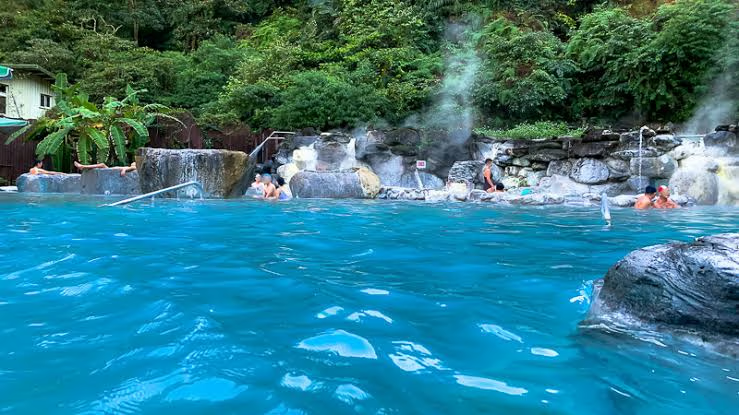
Taiwan’s geothermal geography supports hot-spring destinations around the island.
Winter is especially appealing.
Popular areas include:
- Beitou
- Wulai
- Jiaoxi
The experience ranges from public baths to private hotel rooms.
Jiufen
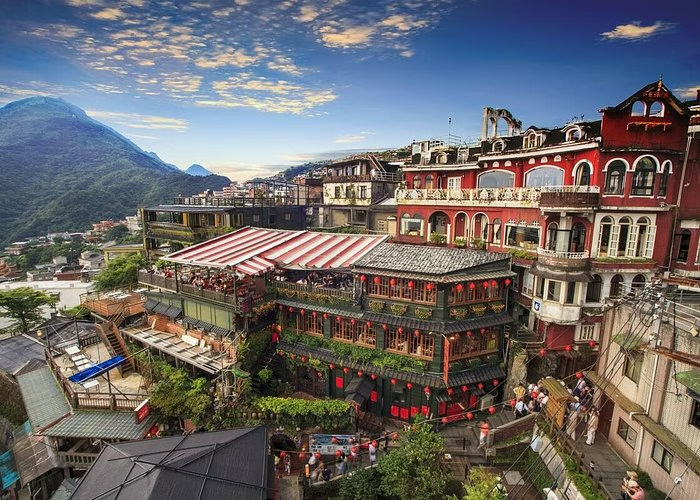
Jiufen is one of Taiwan’s most famous mountain towns.
Its narrow lanes, teahouses and hillside views create an extremely atmospheric setting.
It is also extremely popular.
Atlas Insider Tip: Stay After the Day-Trippers Leave
If Jiufen genuinely interests you, consider staying into the evening rather than visiting only during the busiest afternoon period.
The atmosphere changes dramatically once day visitors begin leaving.
Shifen
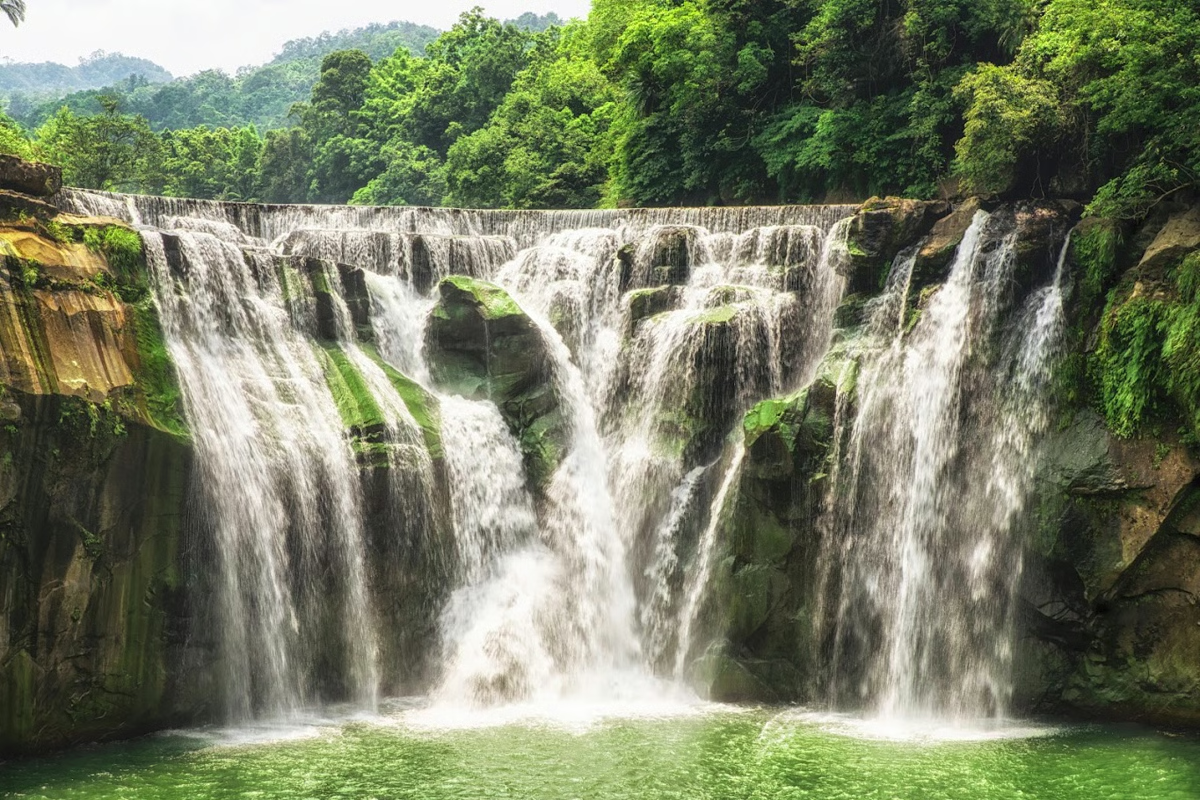
Shifen is known for:
- Historic railway streets
- Waterfall
- Sky-lantern tourism
Travellers should be thoughtful about lantern releases because of environmental waste and fire concerns.
If participating, look for operators using more responsible practices.
Sun Moon Lake
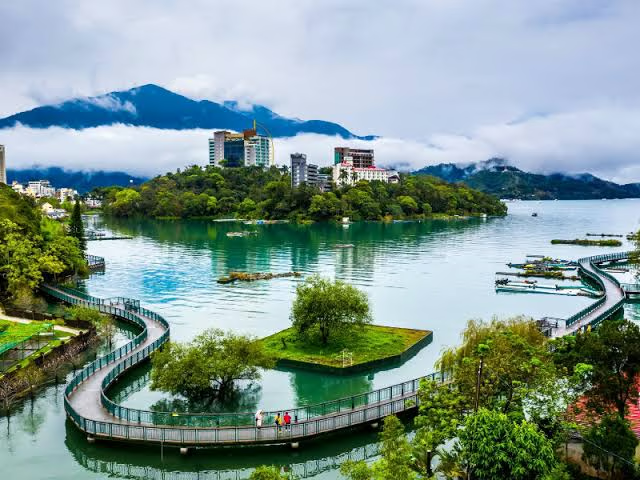
Sun Moon Lake is one of central Taiwan’s best-known scenic destinations.
It works well for:
- Cycling
- Boat trips
- Couples
- Slower travel
- Mountain scenery
Taiwan’s Tourism Administration highlights Sun Moon Lake as one of central Taiwan’s major attractions.
One night is much better than a rushed day trip.
Atlas Insider Tip: Sleep at Sun Moon Lake
The lake is at its best when day-trip traffic disappears.
Stay overnight.
Wake early.
Walk or cycle before tour buses arrive.
Taiwan’s quieter landscapes deserve the same attention as Taipei.
Alishan
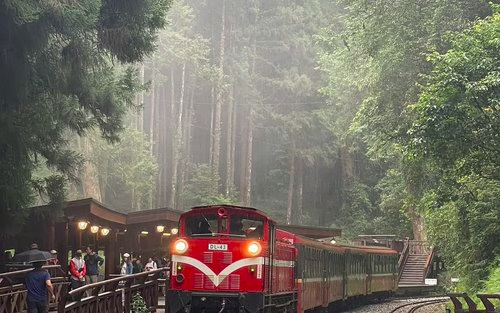
Alishan is famous for:
- Forests
- Mountain railway heritage
- Tea
- Sunrise
- High-elevation scenery
It gives travellers a completely different perspective on Taiwan.
Alishan Sunrise
Sunrise is one of the region’s signature experiences.
But mountain weather is unpredictable.
Cloud can erase the view completely.
Treat sunrise as a possibility rather than a guarantee.
Taiwanese Tea
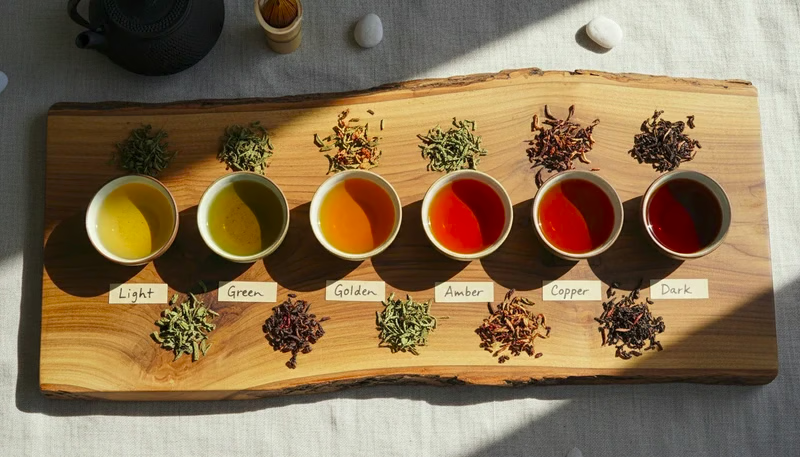
Taiwan has a serious tea culture.
High-mountain oolong is especially famous.
Tea regions can become destinations in their own right.
The experience is less about buying a souvenir and more about understanding:
- Altitude
- Cultivation
- Processing
- Brewing
Tainan
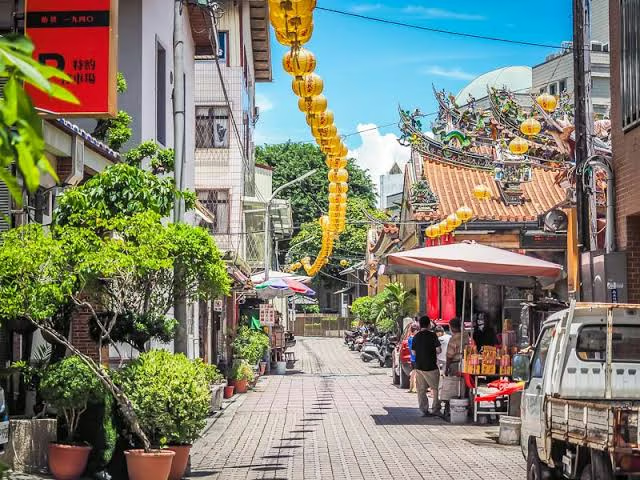
Tainan is one of Taiwan’s most important historic cities.
It is also one of the best places for food.
Expect:
- Temples
- Old streets
- Traditional snacks
- Historic architecture
If Taipei shows you modern Taiwan, Tainan helps explain where much of its cultural identity comes from.
Atlas Insider Tip: Arrive Hungry in Tainan
Do not schedule one giant restaurant dinner.
Tainan works better when you eat several small dishes across the day.
Think of the city as a moving food itinerary.
Kaohsiung
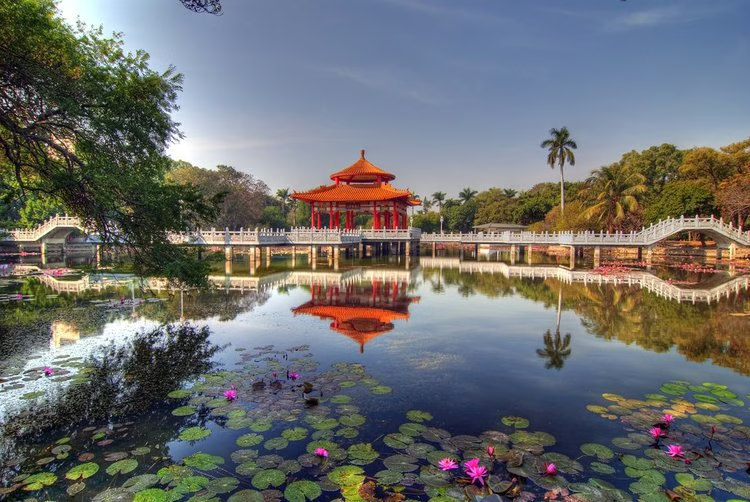
Kaohsiung has a completely different personality from Taipei.
It feels warmer, broader and more relaxed.
Highlights include:
- Pier-2 Art Center
- Harbour areas
- Lotus Pond
- Night markets
- Easy access to southern Taiwan
Two nights works well.
Taichung
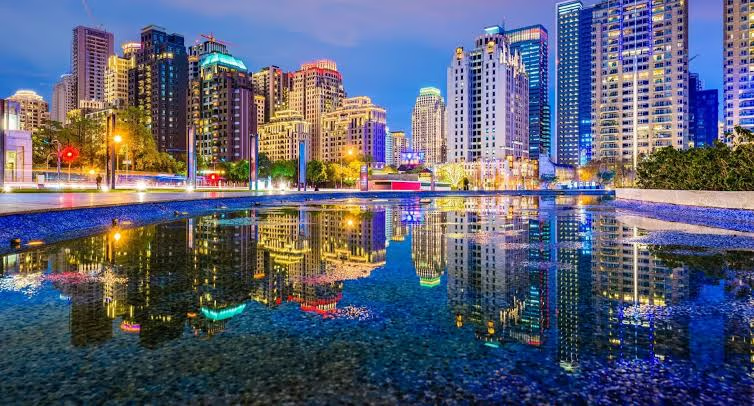
Taichung is centrally located and useful as a base for wider exploration.
Taiwan’s Tourism Administration notes its cultural attractions, food and easy access to places such as Sun Moon Lake in nearby Nantou.
The city also has a strong café and creative scene.
Taiwan’s Mountains
One of Taiwan’s biggest surprises is how mountainous it is.
The Tourism Administration notes that Taiwan has hundreds of peaks above 3,000 metres and that mountainous terrain makes up a substantial part of the island.
That creates extraordinary hiking possibilities.
But it also means weather, altitude and permits can matter.
Mountain Hiking
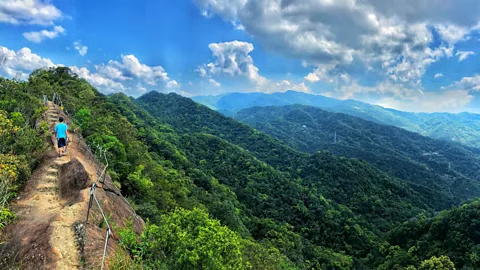
Serious hikes should never be treated as spontaneous extensions to a city itinerary.
Some routes require:
- Permits
- Weather planning
- Proper gear
- Transport coordination
Always check current trail conditions before travelling.
Taroko and the East Coast
Eastern Taiwan contains some of the island’s most dramatic mountain-and-coast landscapes.
Taroko has historically been one of Taiwan’s headline natural attractions.
However, earthquake damage and subsequent recovery work have affected access in recent years.
If Taroko is important to your itinerary, verify current park, trail and transport conditions immediately before travel rather than relying on older guides.
Taiwan by Train
Rail travel is one of the joys of visiting Taiwan.
The high-speed rail connects major cities along the western side of the island, while the wider railway network helps connect many regional destinations. Taiwan’s official tourism material describes the island’s extensive rail network as a core way of getting around.
This makes multi-city travel unusually convenient.
High-Speed Rail
Taiwan’s high-speed rail makes routes such as:
Taipei → Taichung → Tainan → Kaohsiung
extremely easy.
For travellers used to domestic flights between cities, Taiwan can feel refreshingly simple.
Atlas Insider Tip: Travel by Train Before Renting a Car
For a first trip, you may not need a car at all.
Use:
- High-speed rail
- Regular trains
- Metro
- Buses
for the major urban route.
Rent a vehicle only when a specific countryside itinerary genuinely requires it.
Taipei Metro
Taipei’s metro is one of the easiest systems in Asia to use.
A stored-value transit card can simplify:
- Metro
- Buses
- Some regional transport
- Small purchases
Taiwan’s official tourism information highlights EasyCard and iPass as commonly used transport and e-wallet options.
Taiwan for Couples
Taiwan works extremely well for couples who enjoy food and exploration.
A strong itinerary might combine:
Taipei → Jiufen → Sun Moon Lake → Tainan
You get:
- Cities
- Mountains
- Tea
- Food
- Historic towns
without an exhausting travel schedule.
Taiwan for Families
Taiwan is also a strong family destination.
Advantages include:
- Efficient transport
- Convenience stores everywhere
- Family-friendly cities
- Food variety
- Short internal travel times
The biggest challenge may simply be summer heat.
Taiwan for Food Travellers
A food-first itinerary could look like:
Taipei → Taichung → Tainan → Kaohsiung
Every city brings different specialties.
Do not search only for famous restaurants.
Some of the trip’s best meals may happen in small shops with five tables and no elaborate presentation.
Taiwan for Nature Travellers
Consider:
Taipei → Alishan → Sun Moon Lake → East Coast
or combine cities with carefully selected mountain regions.
Taiwan packs remarkable elevation changes into a relatively small island.
How Many Days Do You Need in Taiwan?
4 to 5 Days
Taipei + one day trip
7 Days
Taipei + one or two regional stops
9 to 10 Days
Excellent first trip
12 to 14 Days
Ideal for a broader island journey
For most first-time travellers, 8 to 10 days works extremely well.
A Good First-Time Taiwan Route
A balanced first itinerary could be:
Taipei → Sun Moon Lake → Tainan → Kaohsiung
Another strong route:
Taipei → Jiufen → Taichung → Sun Moon Lake → Tainan
For a shorter trip:
Taipei + Jiufen + Beitou
The key is not to change hotels every night.
Taiwan vs Japan
These destinations are sometimes compared.
Choose Taiwan for:
- Night markets
- Compact travel
- Hot springs
- Excellent value
- Easier short itineraries
- Chinese and Taiwanese cultural traditions
Choose Japan for:
- Larger geographic variety
- Rail mega-routes
- Famous seasonal travel
- Broader city selection
Both reward food-focused travellers enormously.
Taiwan vs South Korea
Choose Taiwan for:
- Night markets
- Tea
- Tropical-to-mountain landscapes
- Compact island travel
- Temple culture
Choose South Korea for:
- K-culture
- Seoul
- Shopping
- Korean food
- Larger seasonal contrast
Taiwan often feels slightly slower and more food-street oriented.
Taiwan vs Hong Kong
Choose Taiwan for:
- A longer multi-city journey
- Mountains
- Hot springs
- Rail travel
- Night markets
Choose Hong Kong for:
- Dense urban energy
- Skyline
- Short city breaks
- Cantonese food
- Shopping
They work beautifully as separate trips because the rhythm is very different.
Travel Tips Before You Go
- Choose October or November for an excellent first visit.
- Carry rain protection in spring.
- Monitor typhoon forecasts during summer.
- Leave viewpoints flexible around visibility.
- Give Taipei at least three full days.
- Visit more than one city.
- Stay overnight at Sun Moon Lake if possible.
- Use trains before considering a rental car.
- Build hot springs into a winter itinerary.
- Verify current mountain and east-coast access before travel.
Quick Summary
| Travel Goal | Best Time |
|---|---|
| Overall Best Time | October-November, March-April |
| Taipei | October-April |
| Night Markets | Year-round |
| Hot Springs | November-March |
| Hiking | October-April, route-dependent |
| Sun Moon Lake | October-April |
| Alishan | October-April |
| Southern Taiwan | October-March |
Frequently Asked Questions
What is the best month to visit Taiwan?
October and November are among the easiest months for a first trip because temperatures are generally comfortable and conditions suit both city and outdoor travel.
How many days are enough for Taiwan?
Around 8 to 10 days works well for Taipei plus several regional destinations without rushing.
Is Taiwan good for first-time travellers in East Asia?
Yes. Efficient transport, excellent food and relatively short distances make Taiwan especially approachable.
Is Taipei enough for a first trip?
Taipei alone is worth visiting, but adding places such as Sun Moon Lake, Tainan or Alishan makes the journey significantly richer.
When should I avoid Taiwan?
There is no universal month to avoid, but summer can be hot and humid and typhoons can cause disruption. Travellers during this period should keep schedules flexible and monitor official forecasts.
Taiwan or Japan?
Choose Taiwan for compact travel, night markets, tea and a relaxed island itinerary.
Choose Japan for a larger, more varied multi-region journey.
Food lovers should eventually visit both.
Continue Exploring on Mindflix Atlas
- Best Time to Visit Japan
- Best Time to Visit South Korea
- Best Time to Visit Hong Kong
- Best Time to Visit Singapore
- 50 International Destinations Every Indian Traveller Should Experience at Least Once
- Taiwan Travel Guide (Coming Soon)
- Taipei Travel Guide (Coming Soon)
- The Perfect 10-Day Taiwan Itinerary (Coming Soon)
- Taiwan Night Market Guide (Coming Soon)
- Taiwan vs Japan (Coming Soon)
- Best Food Destinations in Asia (Coming Soon)
- Best East Asia Trips for First-Time Travellers (Coming Soon)
Taiwan rarely overwhelms you with one gigantic attraction.
It wins differently.
A bowl of noodles you did not plan to order.
Steam rising from a hot spring.
A train slipping between cities.
Tea poured slowly in the mountains.
A temple glowing after dark.
A night market where you decide to try one more thing even though you are already full.
And somewhere between Taipei’s skyline and a quiet mountain morning, you realise why Taiwan inspires so many repeat visitors.
It is not a destination built around ticking off landmarks.
It is a destination built around discovering how good ordinary travel moments can be.
Mindflix Atlas helps you understand the destination before you book it, so you can travel smarter and experience more.
Related destination guides
Keep planning with more Mindflix Atlas weather, season and month-by-month guides.


Best Time to Visit Mexico: Mexico City, Cancún, Riviera Maya & Month-by-Month Guide (2026)
Mexico is too diverse for one simple weather answer.
Read guide

Best Time to Visit Costa Rica: Rainforests, Volcanoes, Beaches & Month-by-Month Guide (2026)
Costa Rica is one of those destinations where the weather forecast never tells the whole story.
Read guide

Best Time to Visit Ecuador: Galápagos, Quito, Andes & Month-by-Month Guide (2026)
Ecuador is a small country with an unusually large number of travel personalities.
Read guide

Best Time to Visit Peru: Machu Picchu, Cusco & Month-by-Month Guide (2026)
Peru is one of those destinations where geography controls almost everything.
Read guide

Best Time to Visit Chile | Atacama, Patagonia & Month-by-Month Guide
Chile is one of the strangest countries on the map.
Read guide

Best Time to Visit Argentina | Buenos Aires, Patagonia & Month-by-Month Guide
Argentina is another country where one national weather forecast tells you almost nothing useful.
Read guide