
Best Time to Visit Mexico: Mexico City, Cancún, Riviera Maya & Month-by-Month Guide (2026)
Jay Vora
Founder & CEO

Best Time to Visit Mexico
Mexico is too diverse for one simple weather answer.
Mexico City sits high above sea level and feels completely different from the Caribbean coast.
Cancún can be hot and humid while central Mexico feels mild.
Oaxaca has its own rhythm.
Baja California follows another.
And the Riviera Maya can look perfect in January but feel completely different during the wettest part of the year.
For many first-time travellers, November to April is one of the easiest periods for combining major destinations because much of the country experiences drier conditions and comfortable temperatures.
But Mexico is not just a winter-sun destination.
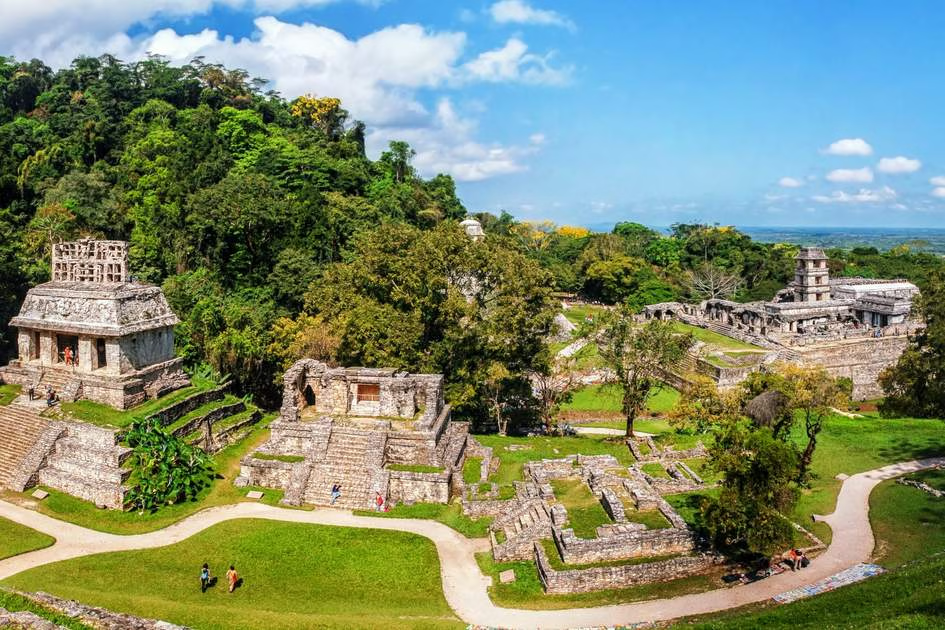
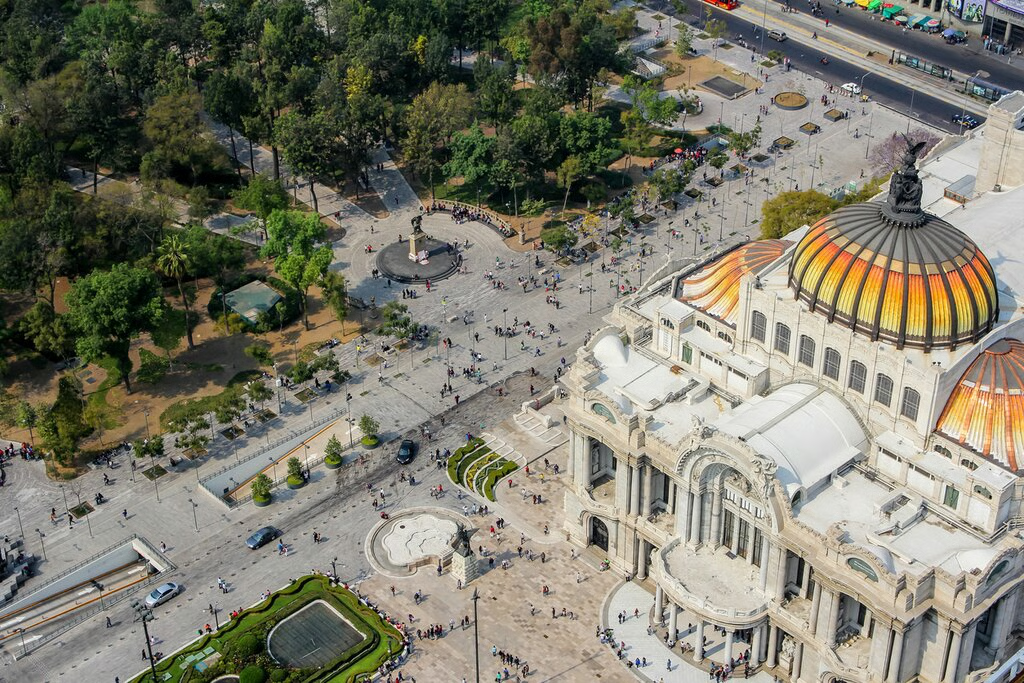
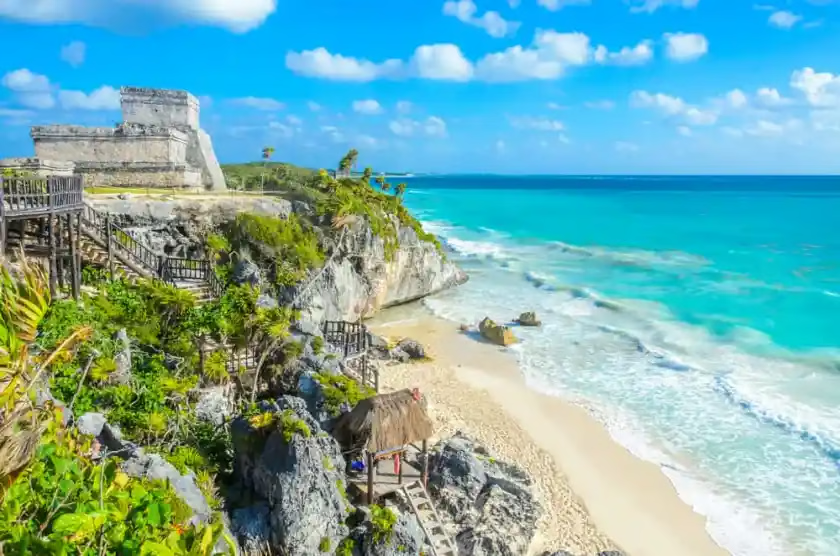
The best time depends on whether you want:
- Mexico City
- Beaches
- Tulum
- Cenotes
- Mayan ruins
- Oaxaca
- Food
- Whale watching
- Día de los Muertos
The smartest approach is to plan Mexico by region.
Understanding Mexico’s Seasons
Mexico spans a huge range of climates.
Broadly, many regions experience:
- Drier season: November to April
- Wetter season: May to October
But altitude changes everything.
Mexico City can feel cool.
The Caribbean coast remains tropical.
Northern Mexico can become extremely hot.
So national averages are not very useful.
Dry Season: November to April
This is one of Mexico’s busiest travel periods.
Expect:
- Lower humidity in many regions
- Comfortable sightseeing weather
- Strong beach conditions
- Higher hotel demand
It is especially good for:
- Mexico City
- Riviera Maya
- Oaxaca
- Yucatán
- First-time trips
The trade-off is higher prices around Christmas, New Year and Easter.
Wet Season: May to October
The wet season does not necessarily mean constant rain.
In many places, mornings can be bright with heavier showers later in the day.
This period brings:
- Greener scenery
- Fewer crowds
- Better hotel value
- Higher humidity
Along the Caribbean and Gulf coasts, travellers should also be aware of tropical storm and hurricane risk during the broader Atlantic season.
Mexico Month by Month
January
One of the strongest months for a first trip.
Mexico City is comfortable.
Caribbean beaches are popular.
Best for: City + beach combinations.
February
Excellent weather continues across many major destinations.
A strong month for sightseeing and coastal travel.
March
Warm and dry in many regions.
Popular beach areas become busy around holiday periods.
April
Still a strong travel month.
Temperatures rise, especially inland and in southern regions.
May
Hotter weather arrives.
The wetter season begins building in parts of the country.
Crowds often reduce.
June
Rain becomes more common.
The Riviera Maya can feel humid.
This is a quieter period for some destinations.
July
Warm and wet.
Family travel increases during school holidays.
August
Hot, humid and rainy in many tropical areas.
Good value can still be available.
September
One of the wetter months in several regions.
Caribbean weather can be less predictable.
October
A transition month.
Rain may begin easing later in the month.
Día de los Muertos preparations build toward the end of October.
November
One of Mexico’s best months.
The rainy season fades in many regions and cultural travel becomes especially rewarding.
December
Dry-season travel is in full swing.
Festive demand rises.
Book early.
Best Time Based on Your Travel Style
First-Time Visit
November-April
Mexico City
March-April, October-November
Cancún
December-April
Riviera Maya
December-April
Tulum
November-April
Oaxaca
October-March
Día de los Muertos
Late October-Early November
Fewer Crowds
May-June, September-October
Mexico City
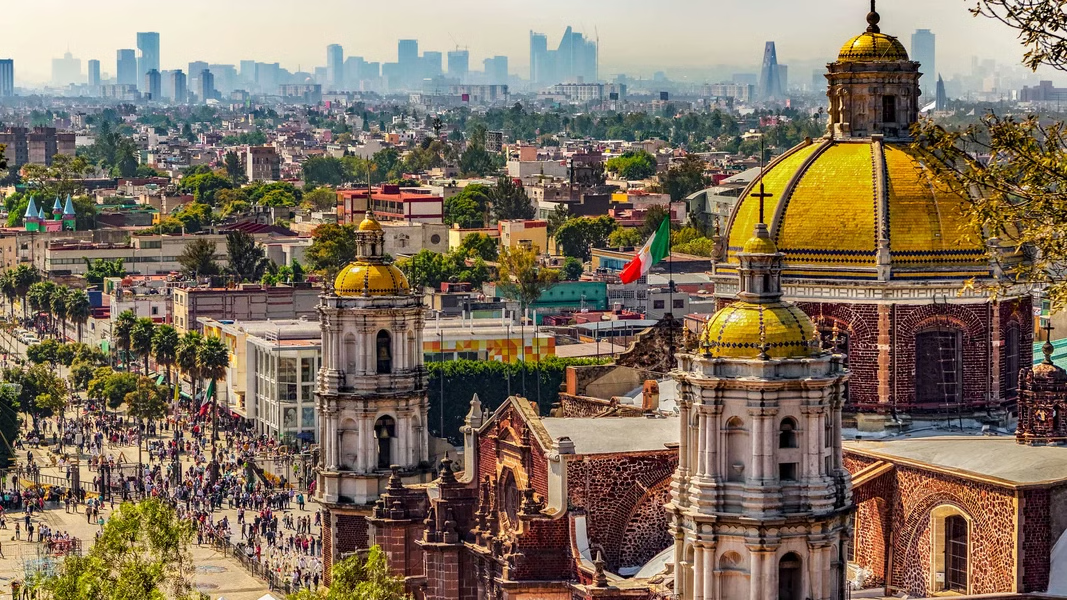
Mexico City is one of the world’s great capitals.
It is enormous.
Historic and modern.
Chaotic and elegant.
And one of the best food cities anywhere.
Highlights include:
- Historic Centre
- Zócalo
- Palacio de Bellas Artes
- Chapultepec
- Roma
- Condesa
- Coyoacán
- National Museum of Anthropology
Give Mexico City at least four nights.
Five is better.
Mexico City’s Altitude
Mexico City sits at more than 2,000 metres above sea level.
Some travellers notice:
- Shortness of breath
- Mild headaches
- Fatigue
Most adjust quickly, but it is still worth keeping the first day manageable.
Historic Centre
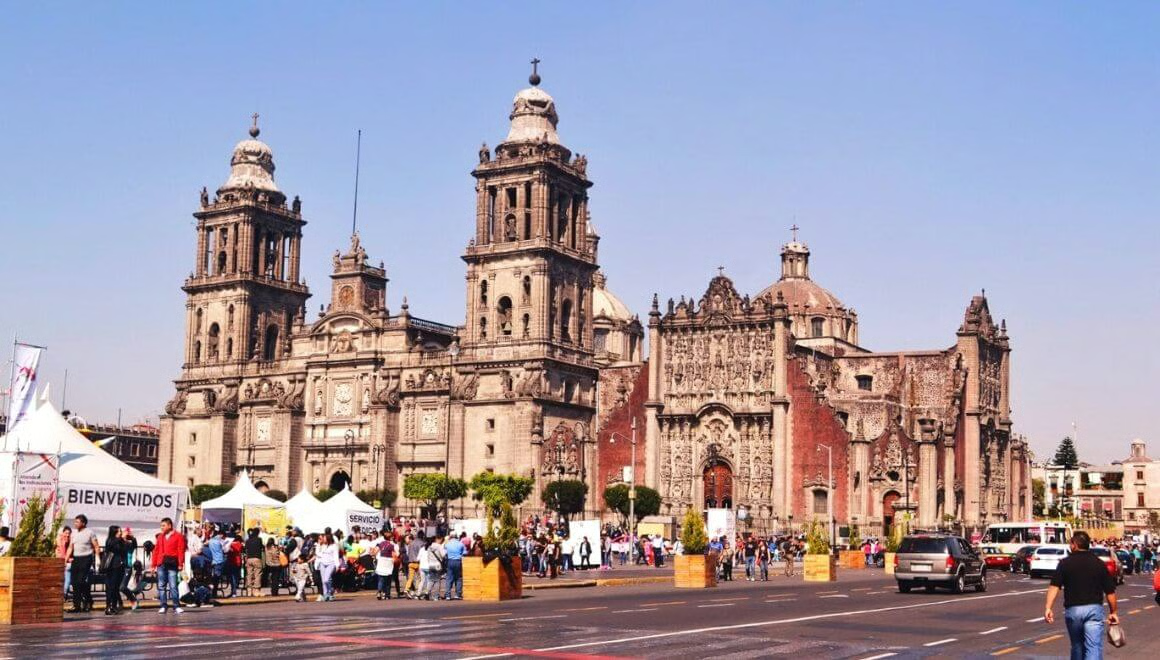
The historic centre gives you a sense of Mexico City’s scale and layered history.
You will find:
- Colonial buildings
- Grand plazas
- Churches
- Markets
- Museums
Walk slowly.
This is not an area to rush through between taxis.
National Museum of Anthropology
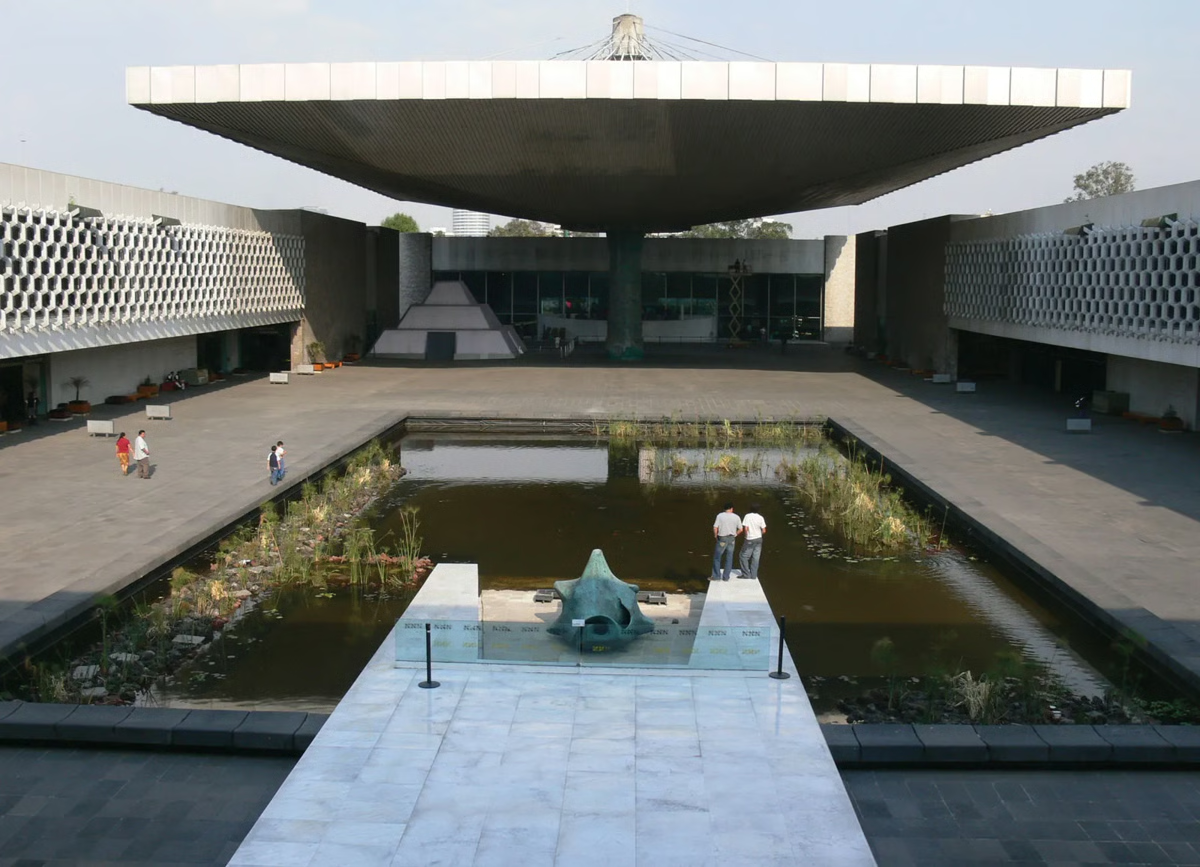
This is one of Mexico’s most important museums.
It provides essential context for the civilisations and cultures behind many archaeological sites travellers later visit.
Allow several hours.
Trying to “see it quickly” misses the point.
Atlas Insider Tip
Visit the Anthropology Museum before major archaeological day trips if possible.
Understanding the history first makes places like Teotihuacán, Chichén Itzá and other sites far more meaningful.
Context changes sightseeing into understanding.
Roma and Condesa
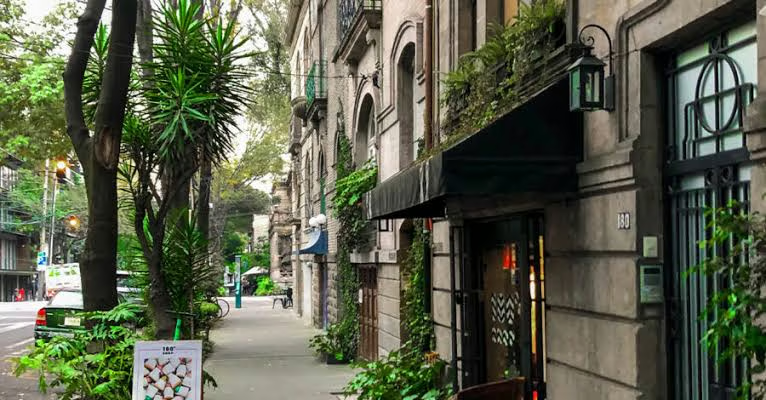
Roma and Condesa are two of Mexico City’s most popular neighbourhoods.
They are known for:
- Cafés
- Restaurants
- Parks
- Architecture
- Nightlife
They work particularly well for travellers who want to experience the city beyond traditional landmarks.
Coyoacán
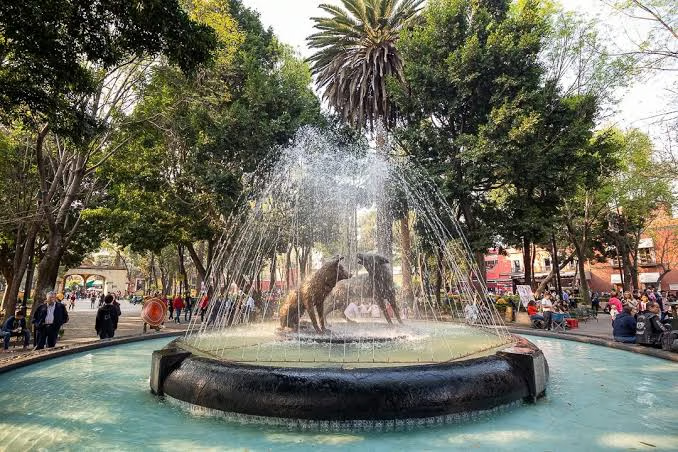
Coyoacán feels slower and more residential.
It is associated with:
- Frida Kahlo
- Markets
- Colonial streets
- Courtyards
It makes a strong half-day or full-day excursion.
Teotihuacán
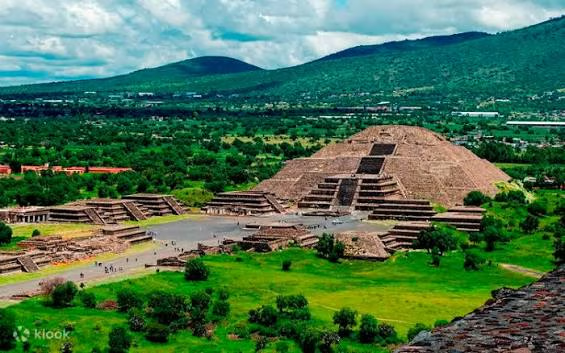
Teotihuacán sits outside Mexico City.
Its monumental pyramids make it one of the country’s most important archaeological sites.
Go early.
Midday heat and crowds can make the experience much harder.
Atlas Insider Tip: Teotihuacán Early
Leave Mexico City early enough to arrive before the day gets hot.
You will walk a lot.
Shade is limited.
Morning light also makes the site more atmospheric.
Oaxaca
Oaxaca is one of Mexico’s great cultural destinations.
Travellers come for:
- Food
- Markets
- Mezcal
- Colonial architecture
- Indigenous traditions
- Nearby archaeological sites
It deserves at least three nights.
Oaxaca for Food Lovers
Oaxaca is famous for:
- Mole
- Tlayudas
- Chocolate
- Mezcal
- Corn-based dishes
This is one of those places where meals should be treated as part of the itinerary.
Día de los Muertos
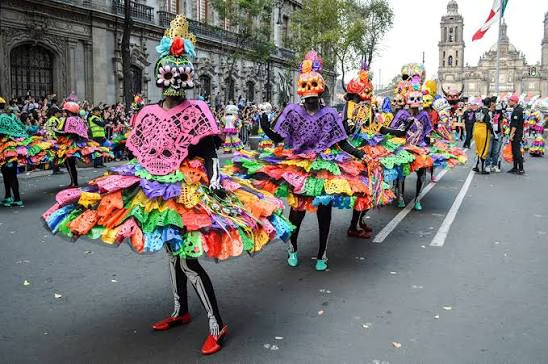
Día de los Muertos is one of Mexico’s most internationally recognised traditions.
It is not simply “Mexican Halloween.”
It is a cultural and spiritual period centred around remembrance of the dead.
Celebrations vary by region.
Oaxaca and Mexico City receive many visitors during this period.
Travel respectfully.
Avoid treating cemeteries or family traditions as staged photo sets.
Atlas Insider Tip: Respect Before Photography
During Día de los Muertos, always remember that some spaces are personal and ceremonial.
Ask before photographing individuals or family altars.
The experience becomes much more meaningful when you approach it as culture rather than spectacle.
Cancún
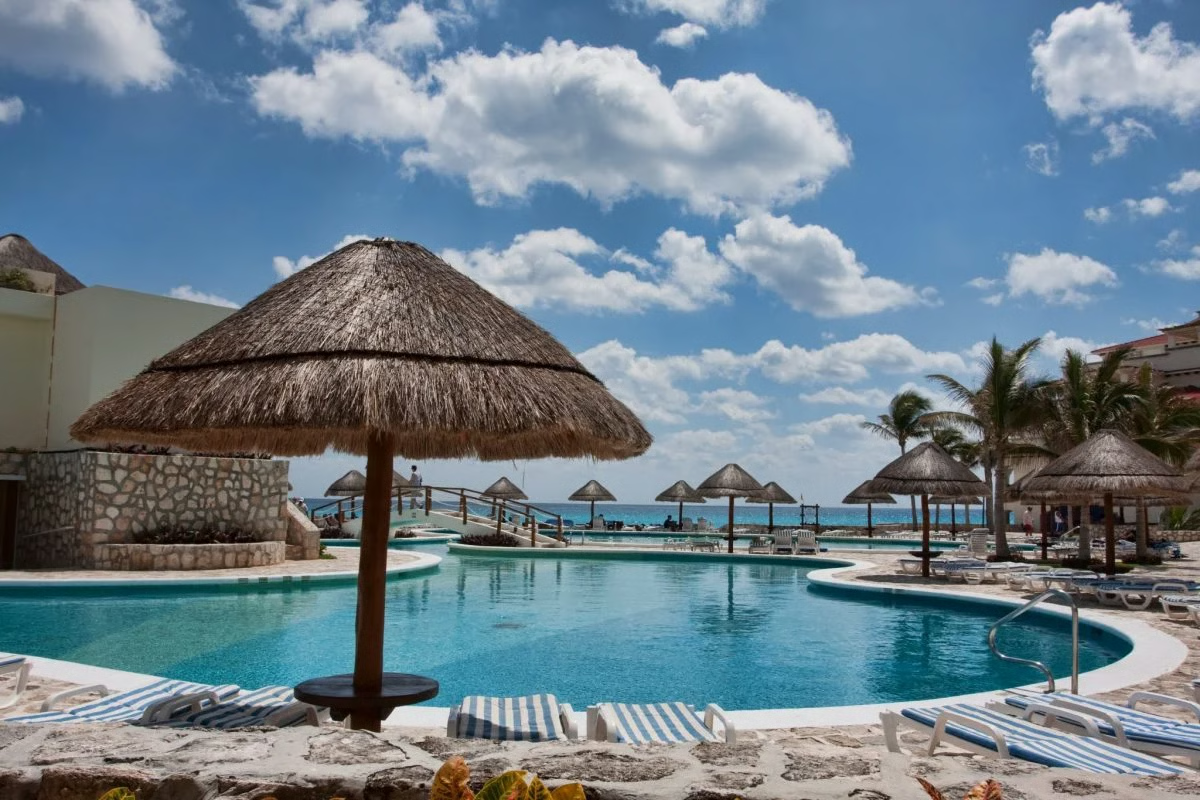
Cancún is one of Mexico’s easiest resort destinations.
It offers:
- Caribbean beaches
- Large hotels
- Nightlife
- Airport connectivity
- Easy excursions
It is convenient.
It is also very tourist-focused.
That can be either a strength or a weakness depending on what you want.
Riviera Maya
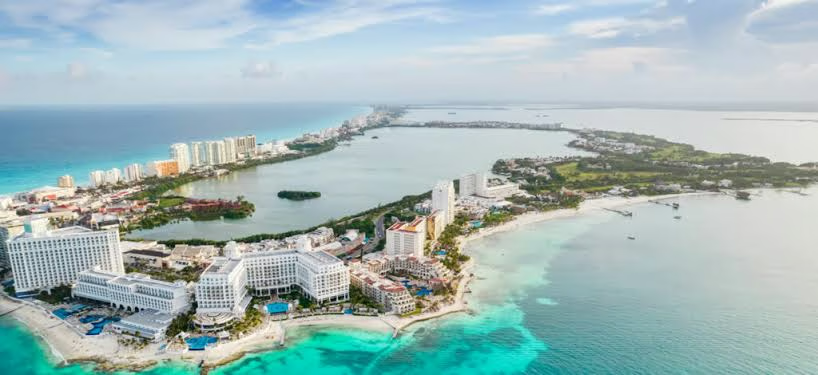
The Riviera Maya stretches south from Cancún and includes major resort zones and archaeological attractions.
Popular areas include:
- Playa del Carmen
- Tulum
- Akumal
- Cenotes
It works well for travellers who want a mix of beach and exploration.
Playa del Carmen
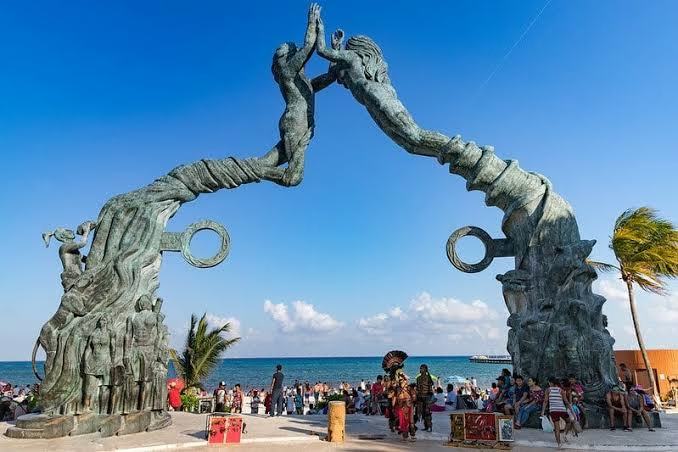
Playa del Carmen is more walkable and town-like than Cancún’s hotel zone.
It gives you:
- Restaurants
- Beach clubs
- Ferry access
- Nightlife
- Easier day-trip logistics
It is a good base for first-time Riviera Maya travellers.
Tulum

Tulum became famous for combining beaches, jungle hotels and archaeological ruins.
It has changed dramatically over the years.
Today, travellers should expect:
- Boutique hotels
- Wellness
- Restaurants
- High prices in certain areas
- Heavy tourism
The ruins remain distinctive because of their coastal setting.
Tulum Ruins
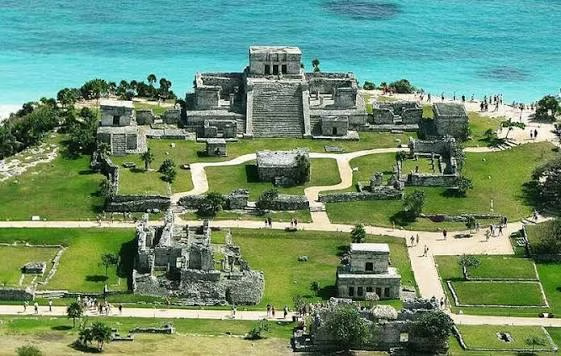
The archaeological site is not the largest in Mexico.
Its location is the attraction.
Mayan ruins sit above the Caribbean Sea.
Go early for cooler weather and fewer visitors.
Cenotes
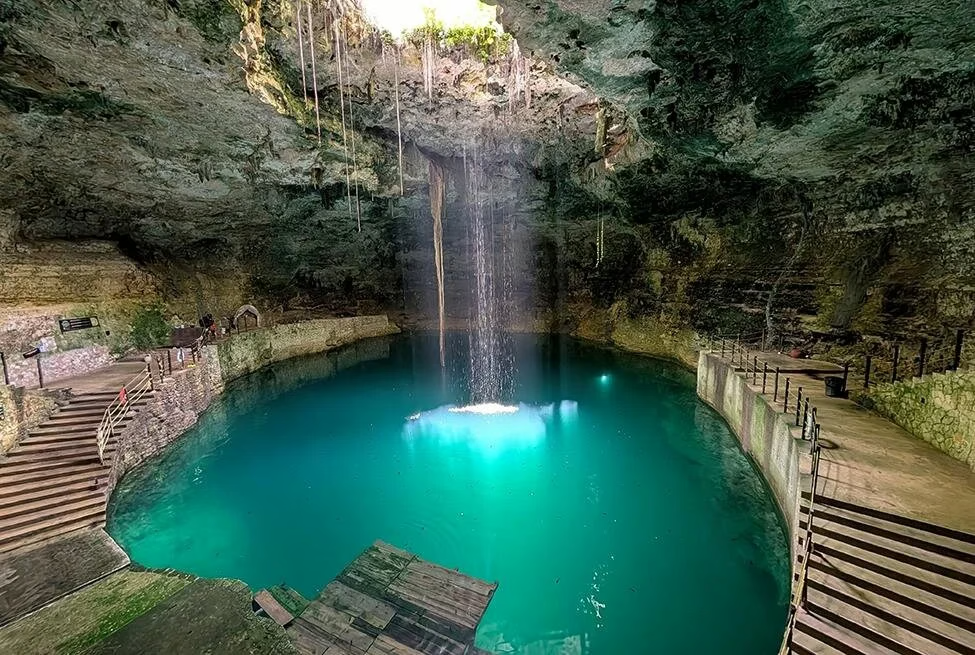
Cenotes are natural sinkholes filled with groundwater.
They are one of the Yucatán Peninsula’s most distinctive experiences.
Some are:
- Open-air
- Cave-like
- Deep
- Shallow
- Suitable for swimming
Atlas Insider Tip: Don’t Choose Cenotes by Instagram Alone
The most famous cenote is not always the best experience.
Some popular sites become extremely crowded.
Ask:
- How busy is it?
- Is swimming allowed?
- Is the water clear?
- Is it a cave or open cenote?
- Does it fit your comfort level?
A quieter cenote can be far more memorable.
Chichén Itzá
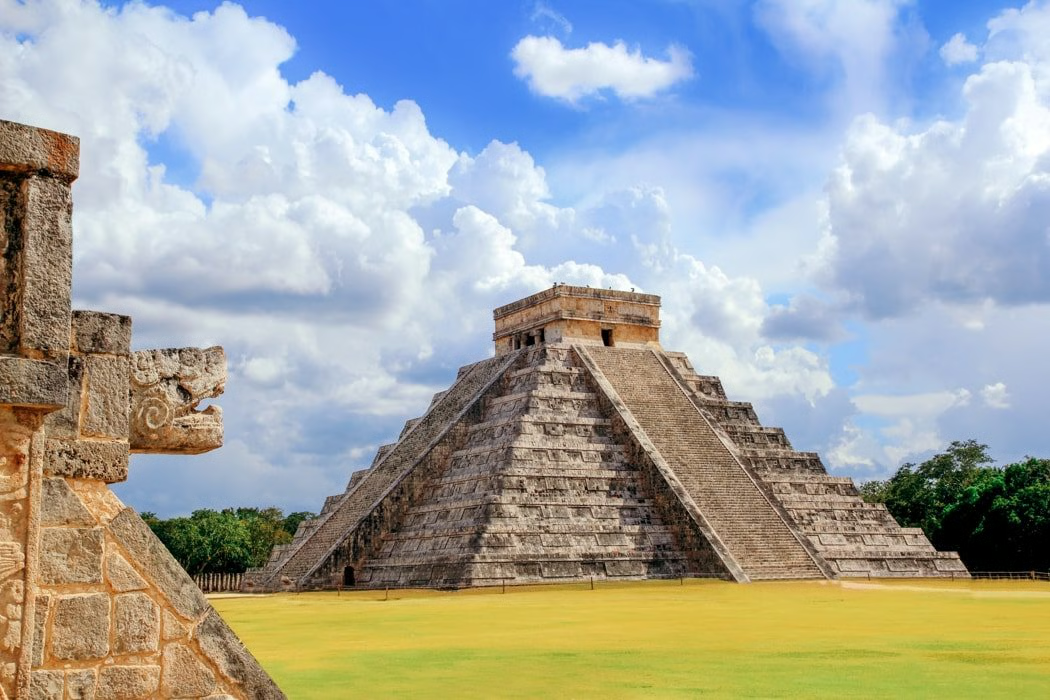
Chichén Itzá is one of Mexico’s most famous archaeological sites.
Its scale and historical importance make it worth seeing despite the crowds.
Go early.
Heat and visitor numbers build quickly.
Valladolid
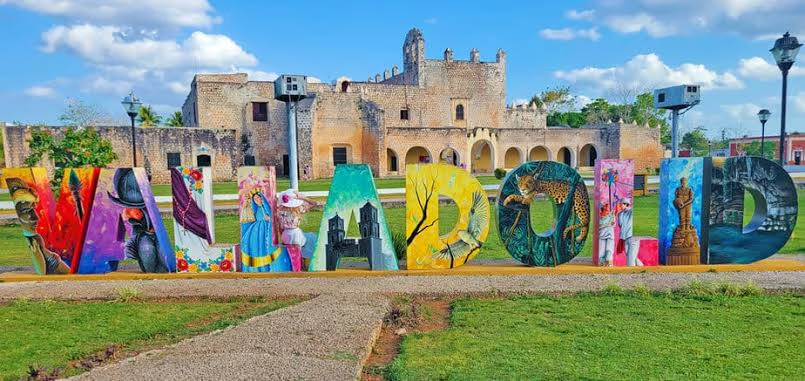
Valladolid is one of the best bases for exploring the Yucatán beyond the coast.
The town offers:
- Colonial architecture
- Cenotes
- Local food
- Easier access to archaeological sites
Staying overnight can be far more rewarding than rushing in from Cancún.
Atlas Insider Tip: Sleep Inland Once
A Riviera Maya trip becomes much richer when you spend one or two nights away from the resort coast.
Consider Valladolid.
You will experience:
- Quieter evenings
- Local streets
- Easier early archaeological access
Mexico becomes much more than beaches.
Mérida
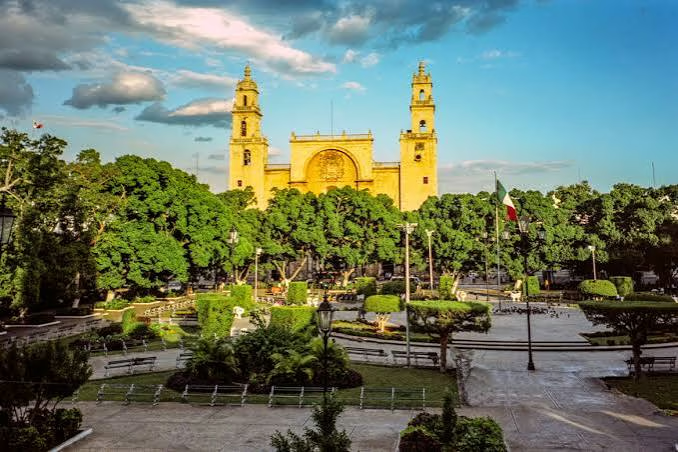
Mérida is the cultural capital of the Yucatán.
It is known for:
- Historic architecture
- Food
- Markets
- Music
- Access to ruins and cenotes
It suits travellers who want a deeper regional experience.
Isla Holbox
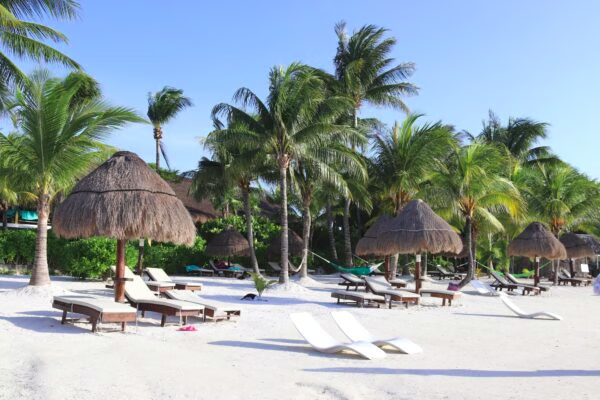
Holbox offers a slower island atmosphere.
It is popular for:
- Beaches
- Small hotels
- Low-key travel
- Marine experiences
It has become more popular, so do not expect an undiscovered island.
Baja California
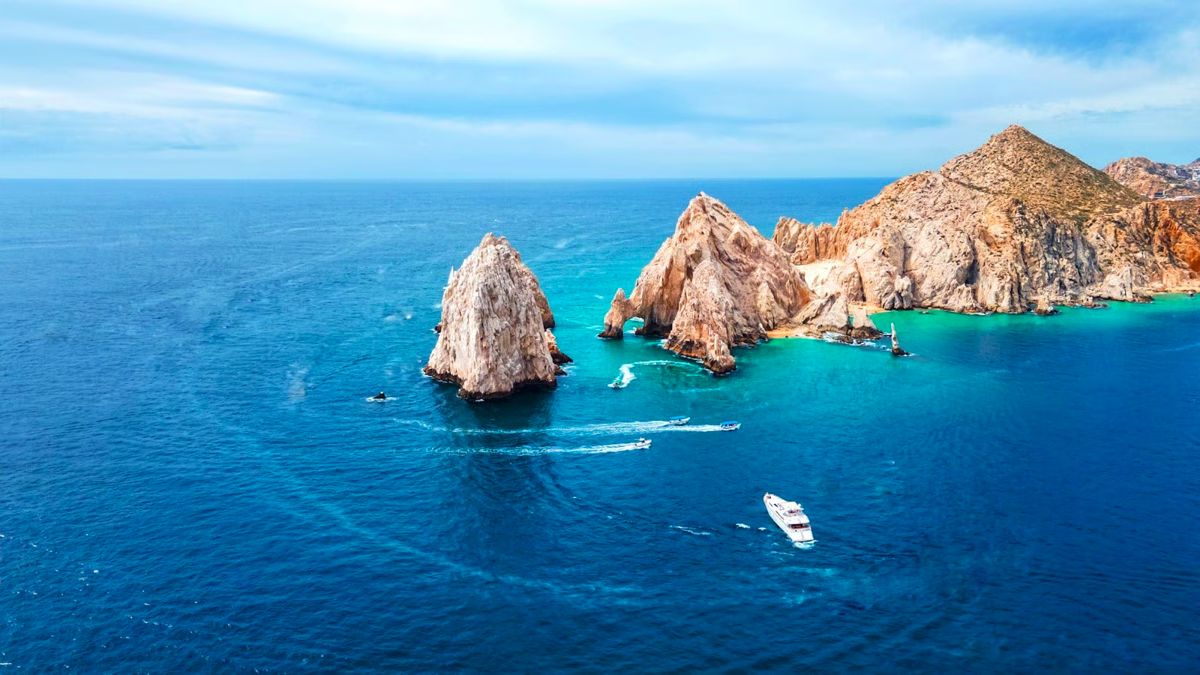
Baja California offers a completely different version of Mexico.
Think:
- Desert landscapes
- Pacific coastline
- Marine wildlife
- Road trips
- Wine
It deserves its own trip.
Whale Watching
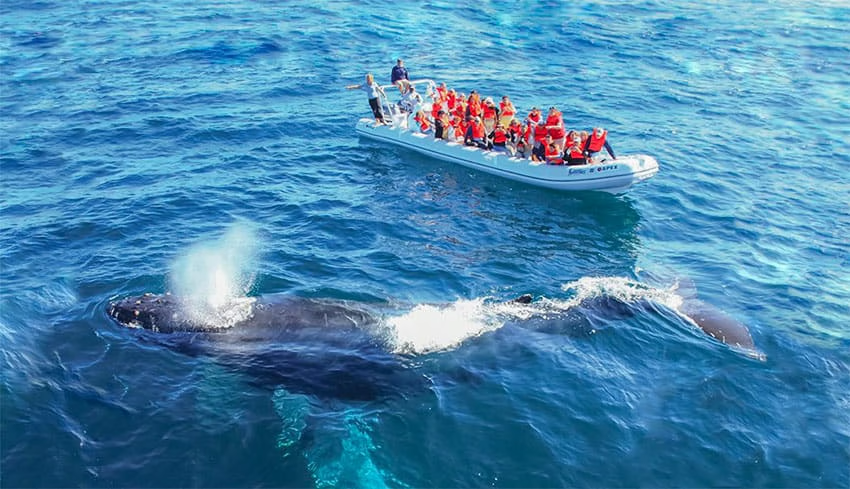
Baja is famous for seasonal whale encounters.
Different species appear in different areas and periods.
Whale-watching travel should always use responsible operators that maintain appropriate distance and follow marine regulations.
Cabo San Lucas
Cabo is a major luxury and resort destination.
It works well for:
- Couples
- Resorts
- Marine activities
- Short breaks
It is more polished and resort-oriented than many other Mexican destinations.
Puerto Vallarta
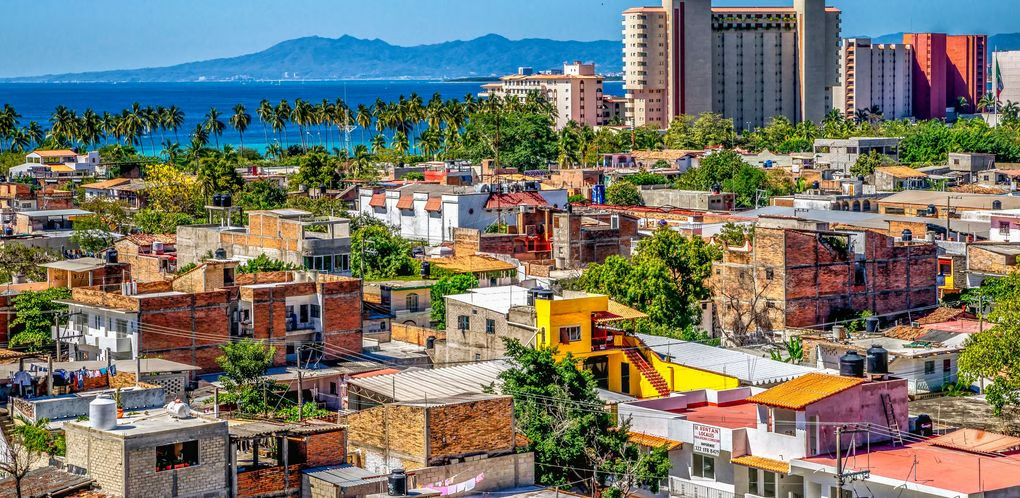
Puerto Vallarta combines beaches with a real city atmosphere.
It offers:
- Historic streets
- Restaurants
- Resorts
- Nightlife
It works well for travellers who want more than a self-contained hotel complex.
Mexico for Couples
Mexico is excellent for couples because the trip can be as active or relaxed as you want.
A strong itinerary might be:
Mexico City → Oaxaca → Riviera Maya
You get:
- Food
- Culture
- History
- Beach
all in one journey.
Mexico for Honeymooners
A honeymoon could combine:
Mexico City → Tulum
or
Oaxaca → Riviera Maya
For a more luxurious beach-focused trip, consider:
- Riviera Maya
- Cabo
- Selected boutique coastal resorts
Mexico works especially well for couples who want great food alongside the beach.
Mexico for Families
Mexico can be very family-friendly.
Good options include:
- Cancún
- Riviera Maya
- Mexico City
- Yucatán
Families can combine:
- Beaches
- Museums
- Wildlife
- Cenotes
- Archaeological sites
Keep heat and walking distances in mind with younger children.
What Should You Eat in Mexico?
Mexican food is far more varied than tacos.
Every region has its own specialties.
Tacos
Simple, regional and endlessly varied.
Mole
A complex sauce associated with several regions, especially Oaxaca and Puebla.
Tamales
Corn dough filled and steamed in leaves.
Styles vary around the country.
Cochinita Pibil
A Yucatán specialty traditionally involving slow-cooked pork with citrus and achiote.
Chilaquiles
A popular breakfast dish made with tortilla pieces, sauce and toppings.
Pozole
A hominy-based soup or stew with regional variations.
Street Food
Mexico City is one of the best places in the world for street food.
Good street-food habits include:
- Choose busy stalls
- Look for high turnover
- Watch food handling
- Use judgement around raw ingredients
A long queue of locals is often a better recommendation than a glossy sign.
Vegetarian Travel in Mexico
Mexico is excellent for vegetarian travellers.
Useful options include:
- Bean dishes
- Cheese quesadillas
- Mushroom tacos
- Cactus dishes
- Corn-based food
- Avocado
- Vegetable tamales
Always confirm whether beans, rice or sauces use animal fats or meat stock if that matters to you.
Mezcal and Tequila
These are not interchangeable.
Tequila is made from blue agave and is associated primarily with specific regions.
Mezcal can be produced from multiple agave varieties and is especially associated with Oaxaca.
A good tasting focuses on:
- Agave
- Production
- Region
- Craft
not simply drinking quickly.
Getting Around Mexico
Mexico is large.
Domestic flights can be useful between major regions.
Common combinations include:
- Mexico City → Oaxaca
- Mexico City → Cancún
- Mexico City → Baja
Within the Yucatán, road travel works well.
Do not underestimate travel time.
Atlas Insider Tip: Pick Two Mexicos
For a first trip, choose two broad experiences.
For example:
Culture + Beach
Mexico City + Riviera Maya
Food + Culture
Mexico City + Oaxaca
History + Beach
Yucatán + Riviera Maya
Luxury
Mexico City + Cabo
Trying to combine five distant regions in ten days is a mistake.
Safety and Smart Travel
Mexico is enormous, and safety varies significantly by region.
Practical habits include:
- Check current official travel guidance
- Use reputable transport
- Ask hotels about local conditions
- Avoid displaying valuables unnecessarily
- Be cautious when travelling late at night in unfamiliar areas
- Use licensed or well-reviewed guides where appropriate
Avoid making sweeping judgements about the entire country.
Local context matters much more than national stereotypes.
How Many Days Do You Need in Mexico?
5 to 6 Days
Mexico City or one beach region
7 to 9 Days
Mexico City + one second destination
10 to 12 Days
Excellent for culture + beach
14 Days
Ideal for three well-chosen regions
For most first-time travellers, 10 to 12 days works very well.
A Good First-Time Mexico Route
A strong first journey could be:
Mexico City → Oaxaca → Riviera Maya
For a shorter trip:
Mexico City → Cancún or Playa del Carmen
For history lovers:
Mexico City → Mérida → Valladolid
For food travellers:
Mexico City → Oaxaca
The best route depends on what you want Mexico to feel like.
Mexico vs Costa Rica
Choose Mexico for:
- Food
- Archaeology
- Big cities
- Beaches
- Cultural depth
Choose Costa Rica for:
- Rainforest
- Wildlife
- Adventure
- Eco-tourism
- Easier nature circuits
Both offer excellent beach travel, but the overall journeys are very different.
Mexico vs Brazil
Choose Mexico for:
- Archaeological sites
- Mexican cuisine
- Compact city + beach combinations
- Yucatán
Choose Brazil for:
- Rio
- Amazon
- Pantanal
- Larger tropical scale
Mexico is often easier to structure for a first multi-region trip.
Travel Tips Before You Go
- Use November to April for the easiest first trip.
- Give Mexico City at least four nights.
- Visit archaeological sites early.
- Spend at least one night inland if visiting Riviera Maya.
- Choose cenotes based on experience, not popularity.
- Respect Día de los Muertos traditions.
- Plan by region rather than trying to cover the whole country.
- Check current local safety guidance.
- Use domestic flights strategically.
- Keep tropical weather flexibility in Caribbean itineraries.
Quick Summary
| Travel Goal | Best Time |
|---|---|
| Overall First Trip | November-April |
| Mexico City | March-April, October-November |
| Cancún | December-April |
| Riviera Maya | December-April |
| Tulum | November-April |
| Oaxaca | October-March |
| Día de los Muertos | Late October-Early November |
| Fewer Crowds | May-June, September-October |
Frequently Asked Questions
What is the best month to visit Mexico?
November, February and March are among the strongest months for a broad first trip, depending on your chosen regions.
How many days are enough for Mexico?
Around 10 to 12 days works well for Mexico City plus one or two additional regions.
Mexico City or Cancún first?
Choose Mexico City for food, museums, neighbourhoods and history.
Choose Cancún for beaches, resorts and easy access to the Riviera Maya.
The best first trip often combines both.
Is Tulum worth visiting?
Yes if you want coastal ruins, boutique hotels and a stylish beach atmosphere. However, it is more developed and expensive than the relaxed image sometimes presented online.
Is Mexico good for honeymooners?
Absolutely. Mexico combines excellent hotels, beaches, food and cultural experiences very well.
Mexico or Costa Rica?
Choose Mexico for culture, food and archaeology.
Choose Costa Rica for wildlife, rainforest and adventure.
Both are excellent, but they serve different travel styles.
Continue Exploring on Mindflix Atlas
- Best Time to Visit Costa Rica
- Best Time to Visit Brazil
- Best Time to Visit Peru
- Best Time to Visit Ecuador
- 50 International Destinations Every Indian Traveller Should Experience at Least Once
- Mexico Travel Guide (Coming Soon)
- Mexico City Travel Guide (Coming Soon)
- Riviera Maya Travel Guide (Coming Soon)
- The Perfect 12-Day Mexico Itinerary (Coming Soon)
- Mexico City vs Cancún (Coming Soon)
- Best Cenotes in Yucatán (Coming Soon)
- Best Food Destinations in the World (Coming Soon)
Mexico is the kind of country that becomes more interesting every time you move away from the version you already knew.
Beyond Cancún is Yucatán.
Beyond tacos is an entire culinary universe.
Beyond Mexico City’s traffic are neighbourhoods, museums and markets that could fill a week.
And beyond every famous destination is another region with its own food, traditions and rhythm.
That is why Mexico works so well.
It is not one trip.
It is a lifetime of different trips hiding inside one country.
Mindflix Atlas helps you understand the destination before you book it, so you can travel smarter and experience more.
Related destination guides
Keep planning with more Mindflix Atlas weather, season and month-by-month guides.


Best Time to Visit Costa Rica: Rainforests, Volcanoes, Beaches & Month-by-Month Guide (2026)
Costa Rica is one of those destinations where the weather forecast never tells the whole story.
Read guide

Best Time to Visit Ecuador: Galápagos, Quito, Andes & Month-by-Month Guide (2026)
Ecuador is a small country with an unusually large number of travel personalities.
Read guide
Best Time to Visit Peru: Machu Picchu, Cusco & Month-by-Month Guide (2026)
Peru is one of those destinations where geography controls almost everything.
Read guide

Best Time to Visit Chile | Atacama, Patagonia & Month-by-Month Guide
Chile is one of the strangest countries on the map.
Read guide

Best Time to Visit Argentina | Buenos Aires, Patagonia & Month-by-Month Guide
Argentina is another country where one national weather forecast tells you almost nothing useful.
Read guide

Best Time to Visit Brazil | Rio, Iguazu Falls, Amazon & Month-by-Month Guide
Brazil is too large for one simple weather answer.
Read guide