
Best Time to Visit China: Beijing, Shanghai, Xi’an & Month-by-Month Guide (2026)
Jay Vora
Founder & CEO

Best Time to Visit China
China is too large for one weather answer.
Beijing can be dry and cold while Guilin is humid.
Shanghai can feel mild while northern China is already in winter.
Zhangjiajie can disappear into mist.
And western China can follow an entirely different seasonal rhythm.
For most first-time travellers focusing on the classic route, April to May and September to October are among the best periods.
These months often give you the best balance of:
- Comfortable sightseeing weather
- Clearer conditions
- Manageable temperatures
- Strong city travel
- Better outdoor experiences
But China should always be planned by region.
A trip built around Beijing and Xi’an is different from one focused on Shanghai and Guilin.
And a winter trip to Harbin is obviously a completely different proposition again.
Why China Deserves More Than One Trip



China can give you:
- Ancient imperial capitals
- Megacities
- High-speed trains
- Mountains
- Giant pandas
- Terraced landscapes
- Desert regions
- Dramatic karst scenery
- Extraordinary regional food
all within one country.
That is the appeal.
It is also the planning challenge.
You cannot realistically “see China” in one trip.
You choose one version.
Then return for another.
Understanding China’s Seasons
Broadly, China experiences four seasons:
- Spring: March-May
- Summer: June-August
- Autumn: September-November
- Winter: December-February
But this is only a starting point.
Climate changes significantly by latitude, altitude and region.
Northern China experiences much colder winters.
Southern China remains milder.
Central and southern areas can also become very humid in summer.
Spring: March to May

Spring is one of the best seasons for a first trip.
Temperatures improve.
Parks and gardens become greener.
Outdoor sightseeing becomes much easier.
April and May are especially attractive for:
- Beijing
- Xi’an
- Shanghai
- Great Wall excursions
- Classic city routes
The main caution is that spring can still be variable, especially in northern China.
Summer: June to August
Summer is popular, but it can be intense.
Expect:
- Heat
- Humidity
- Rain
- School-holiday crowds
Beijing can become very hot.
Shanghai and the south can feel humid.
Outdoor sightseeing is more tiring.
Summer still works, but you need earlier starts and more breaks.
Autumn: September to November
Autumn is arguably China’s strongest overall travel season.
September and October are particularly attractive.
You often get:
- Comfortable temperatures
- Clearer skies
- Strong Great Wall conditions
- Excellent city weather
- Beautiful autumn landscapes
For a first classic trip, late September through October can be outstanding.
Winter: December to February
Winter changes the country completely.
Beijing becomes cold and dry.
Northern landscapes can be snowy.
Tourist crowds may be lower outside major holiday periods.
Winter works well for:
- Beijing history
- Hot pot
- Snow destinations
- Harbin
- Lower crowds
But outdoor sightseeing requires proper clothing.
China Month by Month
January
Cold in northern China.
A good month for:
- Beijing with winter preparation
- Harbin
- Indoor cultural travel
Southern cities remain milder.
February
Still winter.
Lunar New Year can strongly affect:
- Transport
- Hotel demand
- Opening schedules
- Domestic travel
This is one of the most important periods to check before booking.
March
Spring begins.
Temperatures improve, but northern regions can still feel chilly.
A useful shoulder month.
April
One of the best months overall.
Comfortable for:
- Beijing
- Xi’an
- Shanghai
- Great Wall
May
Another excellent month.
Warmer than April but usually still comfortable before peak summer heat.
June
Summer arrives.
Rain and humidity increase in many areas.
July
Hot, humid and busy.
Outdoor-heavy itineraries become more demanding.
August
Similar to July.
Still workable, but plan early sightseeing and indoor breaks.
September
One of the best months of the year.
Comfortable across many classic destinations.
October
Excellent weather and beautiful autumn conditions.
But the early-October National Day holiday period can create enormous domestic travel demand.
Plan carefully.
November
Cooler and quieter.
Still attractive in many eastern and central destinations.
December
Cold in the north.
Festive atmosphere in major cities, though Christmas itself is not a traditional national holiday.
Good for travellers who do not mind winter conditions.
Best Time Based on Your Travel Style
First-Time Classic China Trip
April-May, September-October
Beijing
April-May, September-October
Great Wall
April-May, September-October
Shanghai
March-May, October-November
Xi’an
April-May, September-October
Zhangjiajie
April-June, September-October
Guilin
April-May, September-November
Chengdu
March-May, September-November
Beijing
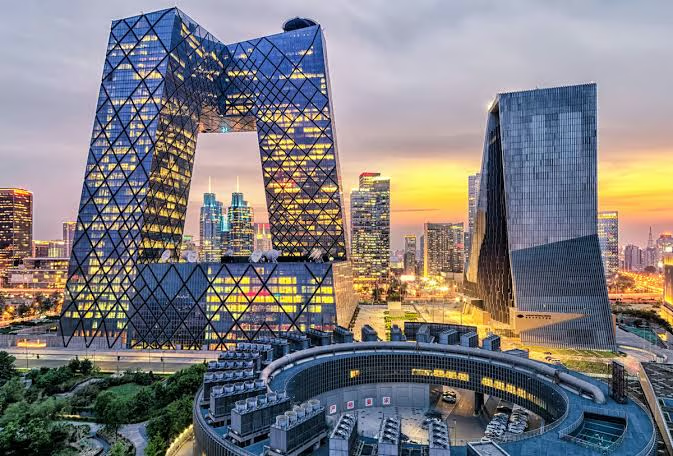
Beijing is one of the world’s great historical capitals.
You could spend an entire trip here.
Highlights include:
- Forbidden City
- Tiananmen area
- Temple of Heaven
- Summer Palace
- Hutongs
- Great Wall
Give Beijing at least four nights.
Five is better.
Forbidden City

The Forbidden City is enormous.
Do not treat it as a quick two-hour stop.
You are walking through the political and ceremonial heart of imperial China.
Go early.
Wear comfortable shoes.
And check current ticketing and entry procedures before travel.
Temple of Heaven

The Temple of Heaven is one of Beijing’s most elegant historic spaces.
It also works beautifully in the morning, when local residents use surrounding park areas for exercise and social activity.
This is one of those places where everyday life adds to the experience.
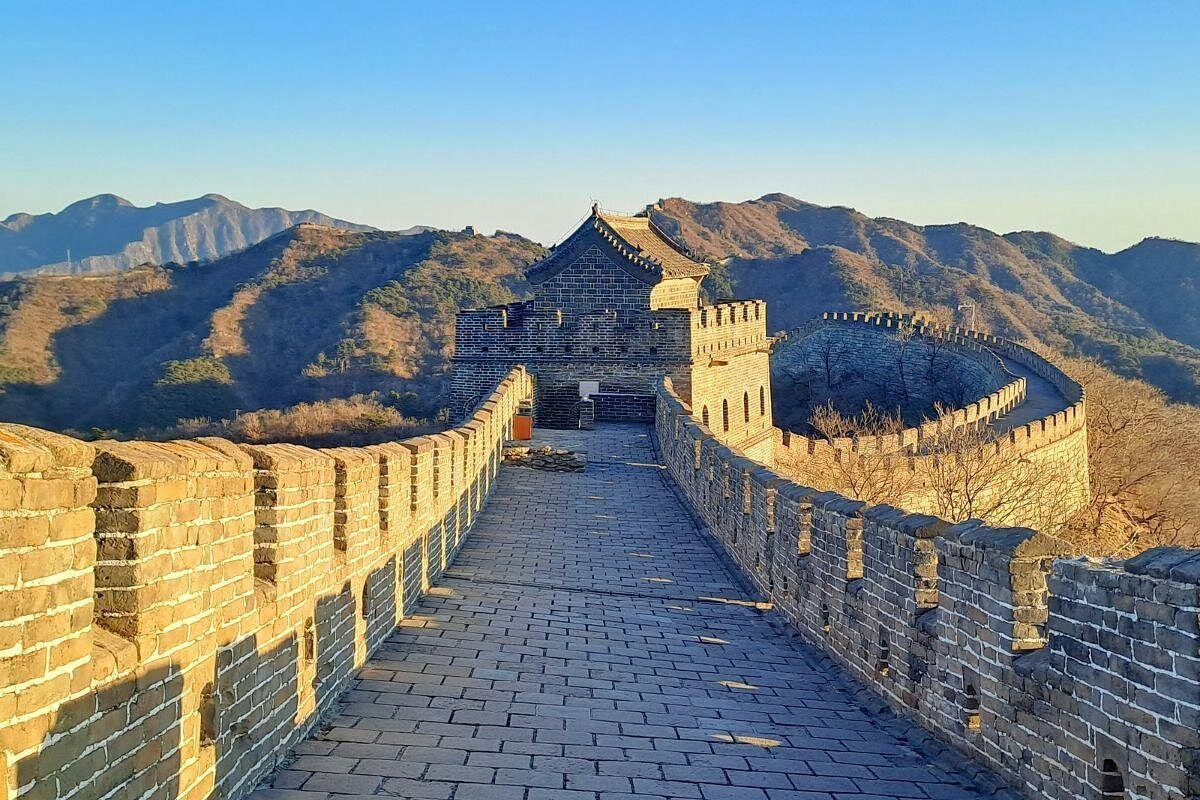
The Great Wall

The Great Wall is not one single viewpoint.
Different sections offer very different experiences.
Popular sections near Beijing include:
- Badaling
- Mutianyu
- Jinshanling
Badaling is highly developed and accessible.
Mutianyu is often a strong first-time balance between scenery and convenience.
More remote sections can offer quieter experiences but may require more planning.
Atlas Insider Tip: Don’t Treat the Great Wall as a Half-Day Afterthought
Give the Great Wall its own day.
Leave Beijing early.
Walk properly.
Stop rushing.
The scale only becomes clear when you spend time moving along the wall rather than photographing one watchtower and leaving.
Autumn at the Great Wall

October can be especially beautiful when surrounding hills shift into autumn colour.
But timing varies year to year.
Crowds also increase during major holiday periods.
If possible, avoid the first week of October.
Beijing Hutongs

Hutongs offer a different perspective on Beijing.
These older neighbourhoods provide:
- Courtyards
- Narrow lanes
- Local food
- Historic urban texture
Do not only see monumental Beijing.
The smaller scale matters too.
Shanghai
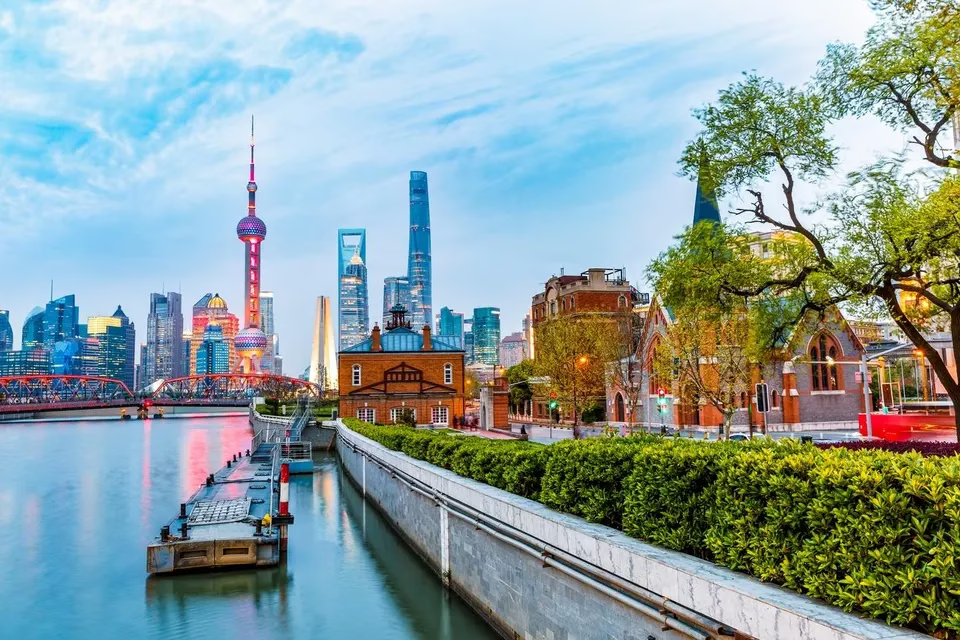
Shanghai feels completely different.
If Beijing is about imperial history, Shanghai is about:
- Commerce
- Architecture
- Modern China
- Nightlife
- Urban energy
Three nights works well.
The Bund
The Bund is one of Shanghai’s defining views.
The contrast between historic riverfront architecture and Pudong’s futuristic skyline explains the city in one glance.
Go once during daylight.
Return after dark.
Pudong
Shanghai’s modern skyline includes some of China’s most recognisable skyscrapers.
If visibility is good, observation decks can be worthwhile.
But like Taipei, Hong Kong or Dubai, skyline experiences are weather-dependent.
Atlas Insider Tip
Do not lock your skyline viewpoint to one exact evening.
If the air is unusually clear, take advantage of it.
Indoor museums can wait.
Good visibility is less flexible.
French Concession and Neighbourhood Shanghai
Shanghai is much more enjoyable when you leave the postcard riverfront.
Spend time around:
- Tree-lined streets
- Cafés
- Historic residences
- Small restaurants
The city rewards walking.
Xi’an
Xi’an is one of China’s most important historic cities.
It was a major imperial capital and eastern terminus of the ancient Silk Road.
Most travellers come for the Terracotta Army.
They should stay for the city itself.
Terracotta Army
The Terracotta Army is one of China’s headline archaeological experiences.
The scale is difficult to understand until you see the excavation halls in person.
Go early.
Crowds can become intense.
Xi’an City Wall
The city wall gives you a completely different perspective on Xi’an.
Walking or cycling sections of it can be one of the most enjoyable experiences in the city.
Muslim Quarter
Xi’an’s Muslim Quarter is famous for food.
Expect:
- Noodles
- Breads
- Skewers
- Sweets
- Street snacks
This is one of the best places to understand the city's Silk Road connections through food.
Atlas Insider Tip: Xi’an Is More Than the Terracotta Warriors
Do not fly in, visit the warriors, and leave.
Give Xi’an at least two nights.
The city wall, food and historic neighbourhoods make the archaeological visit much more meaningful.
Chengdu
Chengdu has a completely different rhythm.
It is famous for:
- Giant pandas
- Sichuan cuisine
- Tea houses
- Relaxed urban culture
For food lovers, Chengdu can easily become the favourite city of the trip.
Giant Pandas
Chengdu is closely associated with giant panda conservation.
Visit early in the day when animals are often more active.
Always check current opening, reservation and visitor procedures before travel.
Sichuan Food
Chengdu is one of the world’s great food cities.
Expect:
- Hot pot
- Mapo tofu
- Dan dan noodles
- Chilli
- Sichuan pepper
The famous numbing-spicy profile is only one part of a very complex cuisine.
Zhangjiajie
Zhangjiajie offers one of China’s most dramatic landscapes.
Think:
- Sandstone pillars
- Forest
- Mist
- Cliffside viewpoints
- Cable cars
The scenery can look unreal.
Weather Matters Enormously Here
Mist can either:
- Make the landscape magical
or
- Hide it completely
That means flexibility matters.
Give Zhangjiajie more than one day if it is a major reason for the trip.
Atlas Insider Tip
Do not schedule every major viewpoint on one fixed day.
If weather is poor, rearrange.
Zhangjiajie is one of those places where patience can be the difference between seeing everything and seeing clouds.
Guilin and Yangshuo
Guilin is famous for karst landscapes.
But for many travellers, nearby Yangshuo becomes the more memorable base.
Expect:
- Limestone peaks
- Rivers
- Countryside
- Cycling
- Boat journeys
This is one of China’s most iconic rural landscapes.
Li River
A Li River journey between Guilin and Yangshuo is one of the classic experiences in southern China.
Weather and water conditions can influence the journey.
Check current schedules before travelling.
Yangshuo
Yangshuo works best when you slow down.
Cycle.
Walk.
Stay outside the busiest centre if you want more countryside.
This is where China begins to feel much more rural.
China by High-Speed Train
One of the great pleasures of modern China travel is the high-speed rail network.
It can connect major cities efficiently and comfortably.
For classic routes such as:
Beijing → Xi’an → Shanghai
train travel can be a major part of the experience.
Atlas Insider Tip: Use Trains Strategically
Do not automatically fly every long distance.
High-speed rail can eliminate:
- Airport transfers
- Security queues
- Early arrival requirements
and delivers you closer to city centres.
Compare total door-to-door time.
China for First-Time Travellers
A first trip should not try to include the whole country.
A very strong 10-day route is:
Beijing → Xi’an → Shanghai
That gives you:
- Imperial history
- Great Wall
- Archaeology
- Modern megacity
and a logical rail route.
A 14-Day First China Route
With two weeks:
Beijing → Xi’an → Chengdu → Shanghai
or:
Beijing → Xi’an → Zhangjiajie → Shanghai
Choose Chengdu for food and pandas.
Choose Zhangjiajie for nature.
Not both unless your pace is comfortable.
China for Food Lovers
Regional food changes dramatically.
Beijing
Try:
- Peking duck
- Dumplings
- Northern wheat-based dishes
Xi’an
Look for:
- Hand-pulled noodles
- Flatbreads
- Lamb dishes
Chengdu
Expect:
- Hot pot
- Sichuan pepper
- Noodles
- Spicy small plates
Shanghai
Look for:
- Soup dumplings
- Braised dishes
- Jiangnan flavours
China is not one cuisine.
Vegetarian Travel in China
Vegetarian travel is possible but can require communication.
Vegetables may sometimes be cooked with:
- Meat stock
- Oyster sauce
- Lard
Useful strategies include:
- Translation apps
- Hotel-written dietary notes
- Buddhist vegetarian restaurants
Do not assume “vegetable dish” automatically means vegetarian.
China for Families
China can work well for families, especially older children interested in:
- History
- Pandas
- Trains
- Great Wall
- Big cities
But the scale can be tiring.
Keep transfer days realistic.
China for Couples
A couple’s itinerary might combine:
Beijing → Xi’an → Shanghai
or:
Shanghai → Guilin/Yangshuo
for more scenery.
The country offers far more romantic and atmospheric travel than its megacity reputation suggests.
How Many Days Do You Need in China?
5 to 6 Days
One city + one nearby region
7 to 9 Days
Beijing + Xi’an
or
Shanghai + Guilin/Yangshuo
10 to 12 Days
Excellent classic first trip
14 Days
Ideal for three to four major regions
3 Weeks
Much better for a broader journey
China rewards depth.
Current Visa Note for Indian Travellers
Indian passport holders generally need to arrange an appropriate Chinese visa before ordinary tourist travel.
A significant procedural change took effect on 26 October 2026: the Chinese Embassy in India and the Chinese Consulate General in Mumbai began directly accepting and processing Chinese visa applications rather than using the previous visa-centre model for new applications.
Applications are submitted online for review, and applicants then follow the relevant embassy or consulate procedure based on consular jurisdiction. The current official notice lists regular processing at around seven working days after passport submission and express processing at around four working days.
For Indian passport holders, the official fee schedule published in October 2026 lists a single-entry visa fee of ₹2,900, though the appropriate visa category and documentation depend on the trip.
Because visa procedures can change, always check the Chinese Embassy or relevant Consulate immediately before applying.
Digital Travel in China
China’s digital ecosystem differs from many other countries.
Before travelling, research current access and setup for:
- Maps
- Payments
- Messaging
- Translation
- Transport booking
Do not wait until you land to understand how the systems work.
A little preparation makes the trip much easier.
Payments
Mobile payments are deeply integrated into daily life in China.
International visitor access to payment platforms has improved over time, but procedures continue to evolve.
Check current official guidance before travel and maintain backup payment options.
Navigation
Save hotel names and addresses in Chinese characters.
This is especially useful for:
- Taxis
- Railway stations
- Smaller restaurants
English-language place names are not always enough.
Golden Week and Major Holiday Travel
China’s domestic travel market is enormous.
That means national holiday periods can dramatically affect:
- Trains
- Attractions
- Hotels
- Flights
The National Day holiday around early October is especially important.
Avoid major domestic holiday peaks unless the timing is unavoidable.
Atlas Insider Tip: China’s Biggest Crowd Is Often Domestic
Do not think only about international peak season.
China’s internal travel demand can be enormous.
A destination that feels manageable one week can become completely different during a major national holiday.
Always check the domestic calendar.
China vs Japan
Choose China for:
- Imperial scale
- Great Wall
- Silk Road history
- Giant megacities
- Huge geographic variety
Choose Japan for:
- Easier compact rail itineraries
- Temple towns
- Highly polished tourism infrastructure
- Distinct seasonal travel
Both deserve dedicated trips.
China vs South Korea
Choose China for:
- Historic scale
- Landscapes
- Archaeology
- Greater regional variety
Choose South Korea for:
- Easier short trips
- Seoul
- K-culture
- Shopping
- Food
China rewards more time.
Travel Tips Before You Go
- Choose April-May or September-October for an easy first trip.
- Avoid early October if possible because of major domestic holiday travel.
- Give Beijing at least four nights.
- Give the Great Wall its own day.
- Use high-speed rail strategically.
- Do not try to see the entire country.
- Keep skyline and mountain experiences flexible around visibility.
- Save important addresses in Chinese characters.
- Research digital payment and mapping tools before arrival.
- Verify current visa and entry procedures immediately before booking.
Quick Summary
| Travel Goal | Best Time |
|---|---|
| Overall First Trip | April-May, September-October |
| Beijing | April-May, September-October |
| Great Wall | April-May, September-October |
| Shanghai | March-May, October-November |
| Xi’an | April-May, September-October |
| Zhangjiajie | April-June, September-October |
| Guilin/Yangshuo | April-May, September-November |
| Chengdu | March-May, September-November |
Frequently Asked Questions
What is the best month to visit China?
For a classic first trip, April, May, September and October are among the strongest choices.
How many days do you need for China?
Around 10 to 14 days works well for a first journey covering Beijing, Xi’an and Shanghai, with one additional region if you travel efficiently.
What is the best first-time China itinerary?
A strong route is:
Beijing → Xi’an → Shanghai
It combines history, the Great Wall, archaeology and modern city life.
Is China easy to travel by train?
China’s high-speed rail system makes many major-city routes highly practical and can often be preferable to flying.
Do Indian travellers need a visa for China?
For ordinary tourist travel, Indian passport holders generally need an appropriate visa. Current procedures changed on 26 October 2026, with the Chinese Embassy and Consulate General in Mumbai directly accepting applications under their respective jurisdictions.
How much is a Chinese tourist visa for Indians?
The October 2026 official fee schedule lists ₹2,900 for a single-entry visa for Indian passport holders. The exact visa needed depends on the trip.
Is the Great Wall worth a full day?
Yes. Giving it a dedicated day creates a much better experience than squeezing it around other Beijing sightseeing.
Beijing or Shanghai first?
Choose Beijing for imperial history and the Great Wall.
Choose Shanghai for modern urban China.
For a first trip, visiting both is ideal.
Continue Exploring on Mindflix Atlas
- Best Time to Visit Japan
- Best Time to Visit South Korea
- Best Time to Visit Hong Kong
- Best Time to Visit Taiwan
- Best Time to Visit Kazakhstan
- Best Time to Visit Uzbekistan
- 70 Travel Lessons Every International Traveller Should Know
- China Travel Guide (Coming Soon)
- Beijing Travel Guide (Coming Soon)
- Shanghai Travel Guide (Coming Soon)
- The Perfect 10-Day China Itinerary (Coming Soon)
- Great Wall of China Guide (Coming Soon)
- China vs Japan (Coming Soon)
- Best East Asia Trips for First-Time Travellers (Coming Soon)
China Rewards Travellers Who Stop Trying to Understand It All at Once
Stand on the Great Wall.
Walk through Beijing’s imperial heart.
Take a train to Xi’an.
Eat noodles in a city connected to the Silk Road.
Watch Shanghai light up after dark.
Then realise you have barely started.
You still have Sichuan.
Guilin.
Yunnan.
The Tibetan plateau.
The deserts of the west.
Ancient towns.
Mountain landscapes.
Entire cuisines you have not tasted.
That is what makes China such a powerful destination.
Its scale prevents you from finishing it.
And that is a good thing.
The goal of the first trip is not to understand China completely.
It is to understand enough that you know you need to return.
Mindflix Atlas helps you understand the destination before you book it, so you can travel smarter and experience more.
Related destination guides
Keep planning with more Mindflix Atlas weather, season and month-by-month guides.


70 Travel Lessons Every International Traveller Should Know
Travel teaches some lessons beautifully.
Read guide

20 Cheapest Countries to Visit from India | Budget Travel Guide 2026
What is the cheapest foreign country to visit from India?
Read guide

Best International Destinations Under ₹1 Lakh from India (2026)
Can you really take an international holiday from India for under ₹1 lakh?
Read guide

15 Best International Destinations for First-Time Travellers from India (2026)
Your first international trip feels different from every trip that comes after it.
Read guide

15 Best International Trips Under 7 Days from India (2026)
Not every international holiday needs two weeks.
Read guide

25 Best International Destinations to Visit in December: Beaches, Snow, Christmas Markets & Winter Sun (2026)
December creates one of the most interesting travel maps of the entire year.
Read guide