
Best Time to Visit Saudi Arabia: Riyadh, Jeddah, AlUla & Month-by-Month Guide (2026)
Jay Vora
Founder & CEO
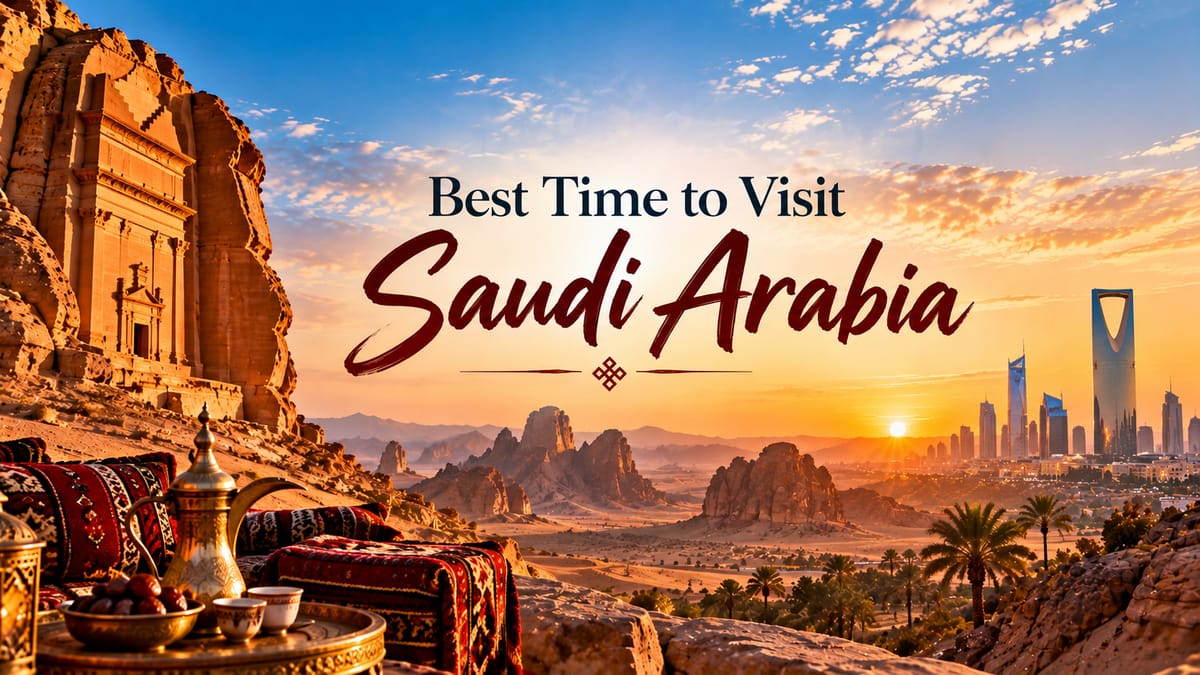
Best Time to Visit Saudi Arabia
Saudi Arabia is changing quickly as a leisure destination.
For many travellers, the old image of the country is now incomplete.
Yes, there are vast deserts.
But there are also dramatic sandstone landscapes, historic old towns, contemporary cities, Red Sea coastlines, mountain regions and some of the most ambitious new tourism projects in the world.
Riyadh feels modern and fast-moving.
Jeddah is more relaxed and coastal.
AlUla is the showstopper: monumental rock formations, ancient tombs and desert scenery that feels almost cinematic.
For most leisure travellers, October to March is the best time to visit Saudi Arabia.
Temperatures are much more comfortable for sightseeing, desert experiences and outdoor travel.
Summer can be intensely hot in many regions, so seasonality matters here more than it does in a lot of other destinations.
Understanding Saudi Arabia’s Climate
Saudi Arabia is large, and conditions vary by region.
Broadly, you can expect:
- Hot desert summers
- Mild to cool winters
- Very little rainfall in many areas
- Coastal humidity around Jeddah and the Red Sea
- Cooler temperatures at elevation
That means Riyadh, Jeddah, AlUla and Asir can feel quite different at the same time of year.
Winter in Saudi Arabia: December to February
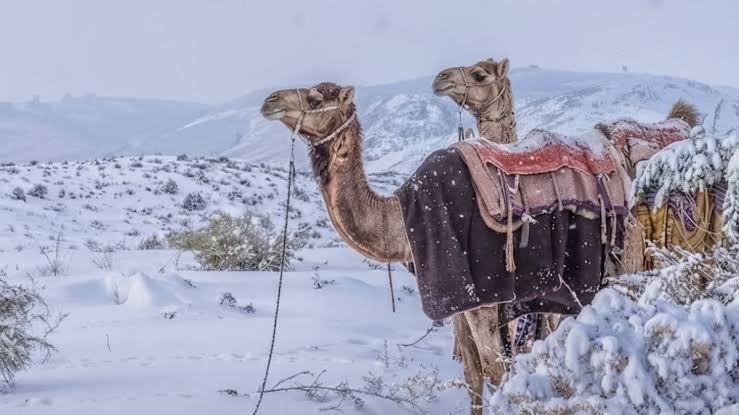
Winter is the easiest season for most first-time travellers.
Days are generally pleasant.
Evenings can be cool.
Desert areas become much more comfortable.
This is especially good for:
- Riyadh
- AlUla
- Jeddah
- Heritage sites
- Desert camps
- Road trips
Pack a light jacket for evenings, especially inland.
Spring in Saudi Arabia: March to April
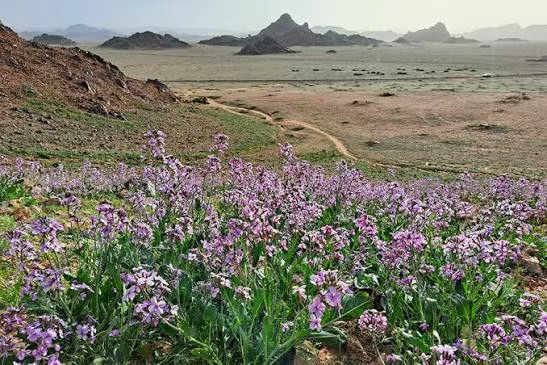
Spring can also be excellent.
March is particularly comfortable.
April becomes warmer but remains manageable in many regions.
This period works well for:
- City breaks
- AlUla
- Coastal travel
- Photography
- Outdoor events
Summer in Saudi Arabia: May to September
Summer can be extremely hot.
Inland temperatures can become challenging for long periods outdoors.
Jeddah may be hot and humid.
This season suits travellers who are comfortable structuring the day around:
- Indoor attractions
- Evening activities
- Resorts
- Red Sea experiences
For a classic sightseeing trip, winter is much easier.
Autumn in Saudi Arabia: October to November
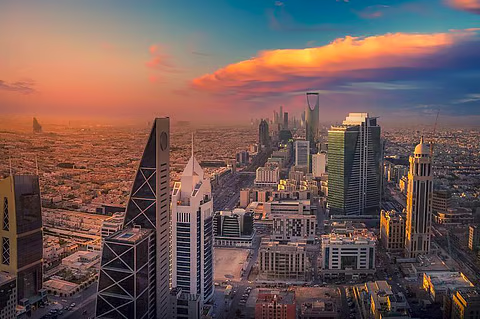
Autumn is one of the strongest times to visit.
Temperatures begin dropping.
Outdoor events return.
Desert travel becomes much more comfortable.
November is especially good for first-time visitors.
Saudi Arabia Month by Month
January
One of the best months.
Comfortable daytime temperatures and cooler evenings make sightseeing much easier.
Best for: Riyadh, AlUla, desert trips and outdoor experiences.
February
Excellent conditions continue.
A strong month for road trips and cultural travel.
March
Warm but generally pleasant.
Still a very good month for outdoor sightseeing.
April
Temperatures rise noticeably.
Early mornings and evenings become more valuable.
May
Summer heat begins taking hold.
Midday sightseeing becomes less comfortable.
June
Very hot in many inland regions.
Outdoor itineraries require careful timing.
July
One of the hottest months.
Air-conditioned indoor plans become essential.
August
Heat remains intense.
Coastal stays may still appeal, but humidity can be high.
September
Conditions begin improving slowly, though it can remain hot.
October
A very good transition month.
Outdoor travel becomes much more enjoyable again.
November
One of the best months overall.
Comfortable weather returns across many major destinations.
December
Peak travel conditions.
Cooler evenings and excellent outdoor weather make this a strong month.
Best Time Based on Your Travel Style
First-Time Visit
October to March
Riyadh
November to March
Jeddah
November to March
AlUla
October to March
Desert Experiences
November to February
Red Sea
October to May, depending on activity and heat tolerance
Photography
November to March
Road Trips
November to March
Riyadh
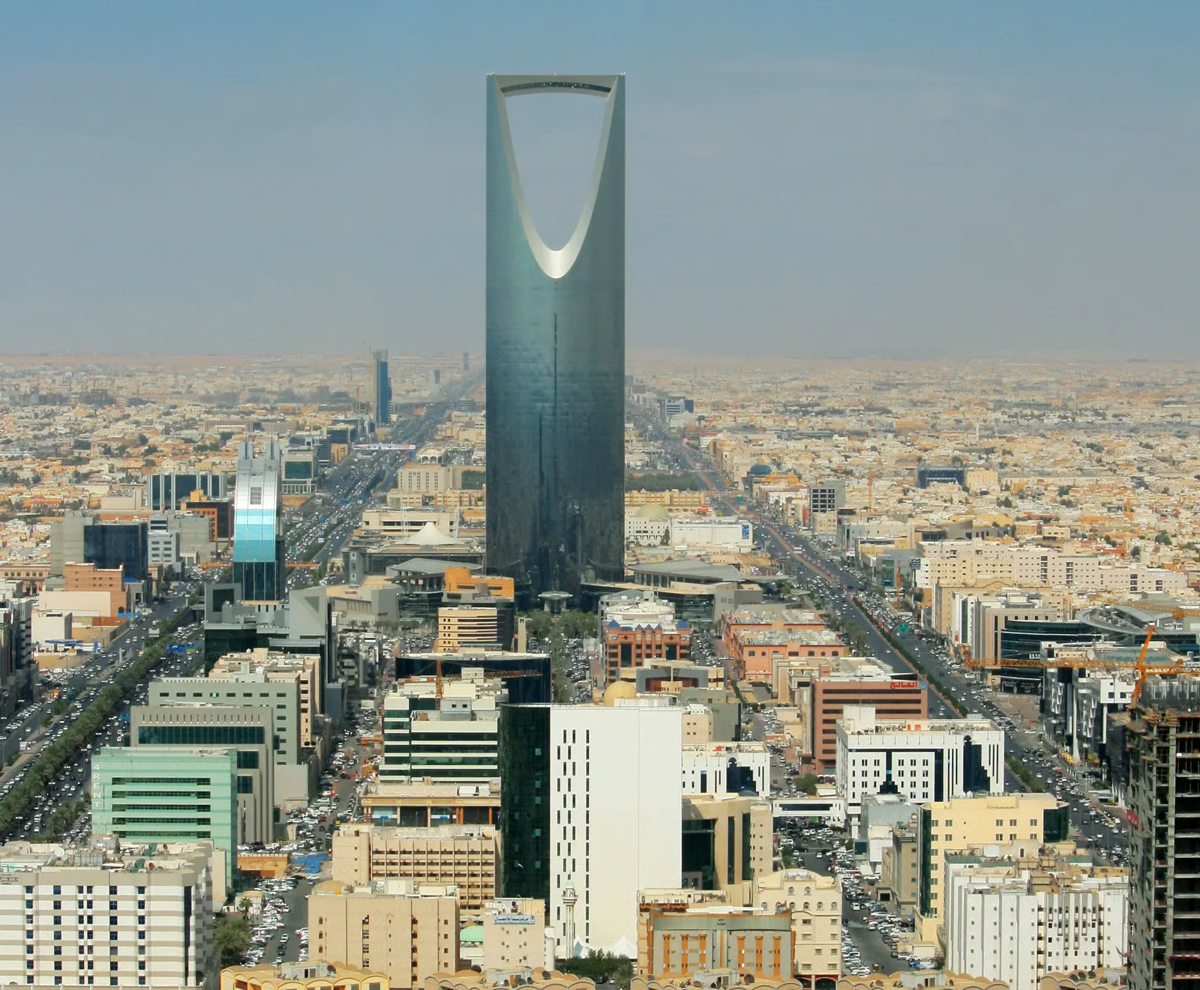
Riyadh is the capital and one of the best places to understand modern Saudi Arabia.
It is broad, fast-growing and more contemporary than many first-time visitors expect.
Highlights include:
- Kingdom Centre
- Diriyah
- National Museum
- Boulevard areas
- Contemporary dining
- Modern architecture
Riyadh is less about traditional street wandering and more about a mix of heritage, dining and modern city experiences.
Diriyah
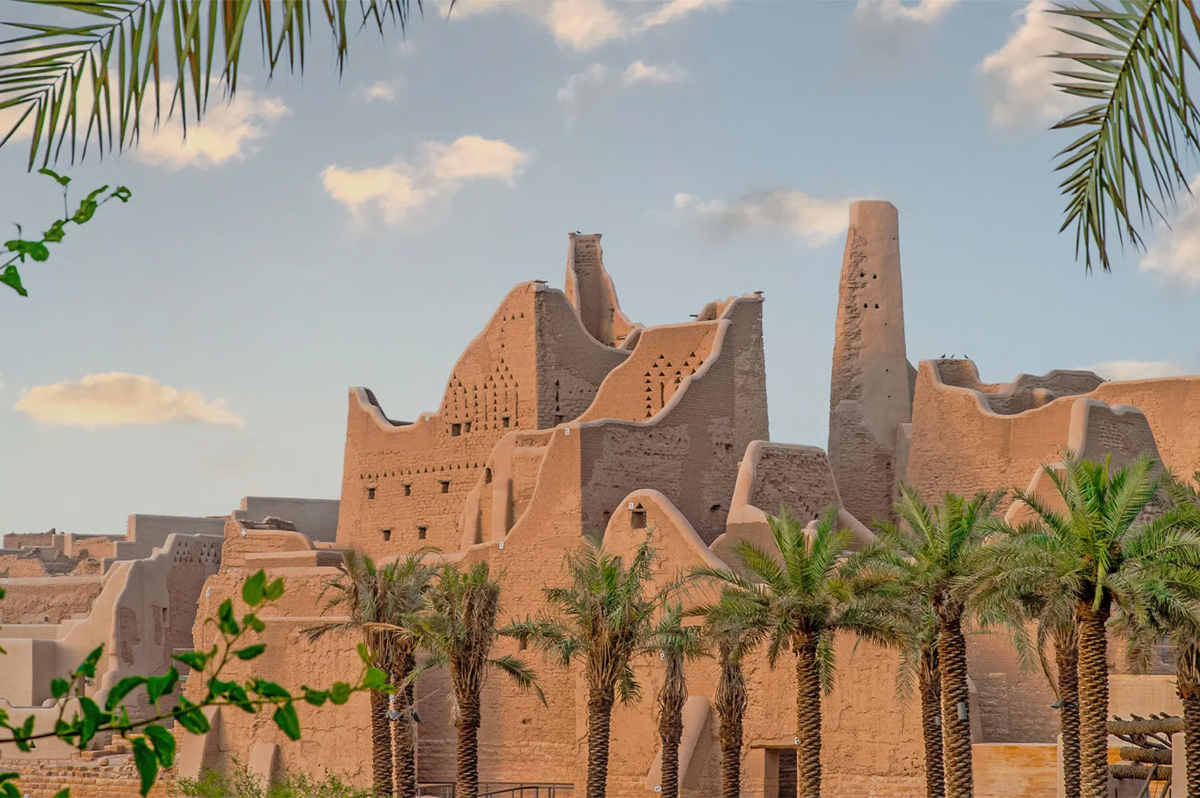
Diriyah is one of the most important heritage areas near Riyadh.
Its mud-brick architecture and historical significance make it a key cultural stop.
Visit later in the day if weather is warm.
The atmosphere improves significantly toward sunset and evening.
Jeddah
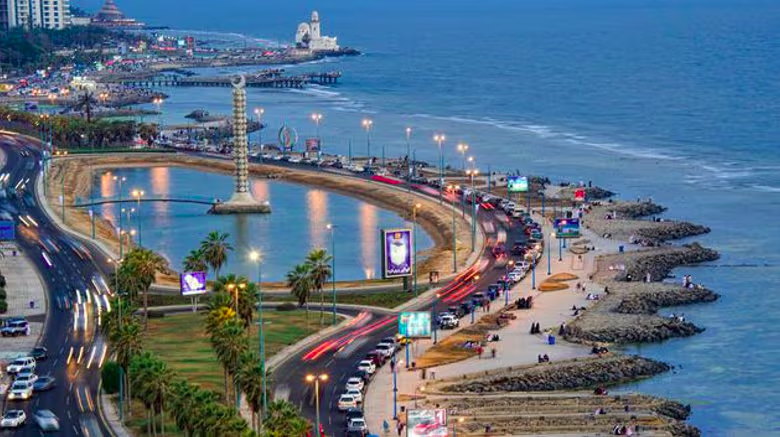
Jeddah has a completely different personality.
It is coastal, more relaxed and historically connected to trade and pilgrimage routes.
Highlights include:
- Al-Balad
- Jeddah Corniche
- Red Sea waterfront
- Historic houses
- Restaurants
- Art and design spaces
It is one of the best cities for combining old and new Saudi Arabia.
Al-Balad
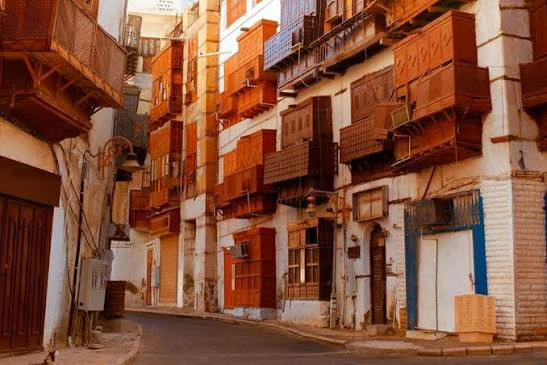
Al-Balad is Jeddah’s historic old town.
Its coral-stone buildings, wooden balconies and narrow streets create a striking contrast to the city’s modern districts.
Go slowly.
This is the kind of place where wandering is part of the experience.
AlUla
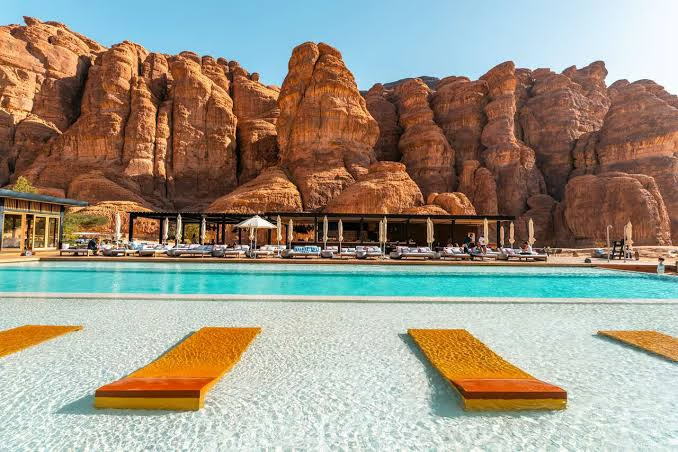
AlUla is one of Saudi Arabia’s most extraordinary destinations.
The landscape alone is worth the journey.
Think:
- Sandstone canyons
- Monumental rock formations
- Ancient tombs
- Vast desert silence
- Luxury desert resorts
This is where Saudi Arabia feels most visually dramatic.
Hegra
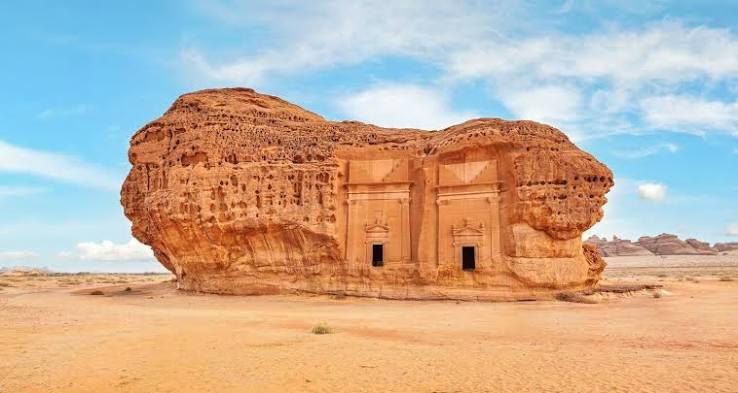
Hegra is one of AlUla’s most important archaeological sites.
Its rock-cut tombs are closely associated with the Nabataean civilisation.
Visits are controlled and usually operate through organised access.
Always check current booking and entry arrangements in advance.
Atlas Insider Tip
If AlUla is the reason you are visiting Saudi Arabia, do not treat it as a one-night stop.
Stay at least two or three nights.
Sunrise, sunset and evening completely change the desert landscape.
A rushed itinerary misses the atmosphere that makes the place special.
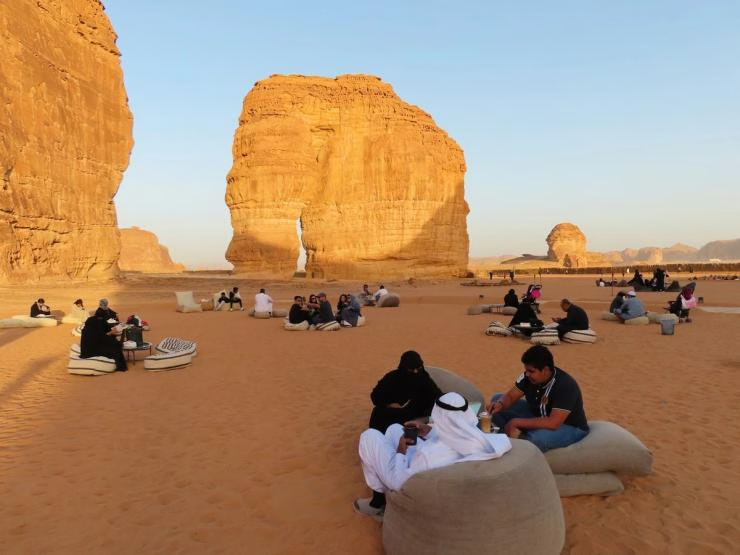
Elephant Rock
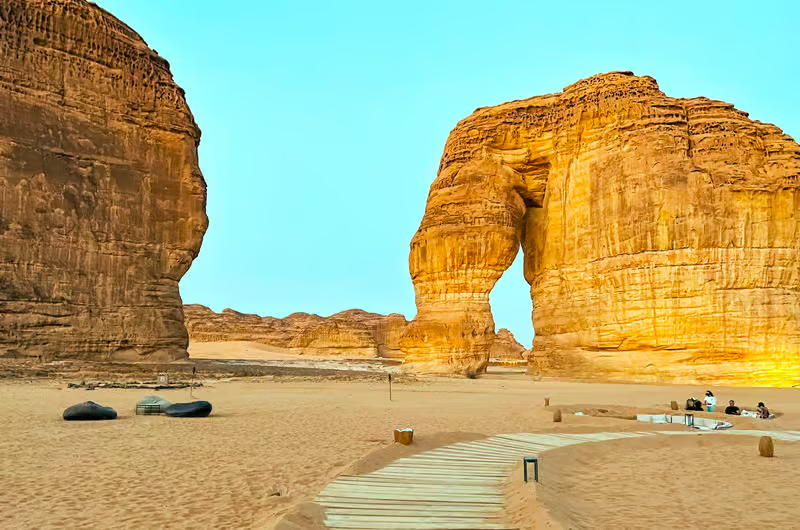
Elephant Rock is one of AlUla’s most recognisable natural formations.
It is especially impressive around sunset.
The surrounding desert becomes much more atmospheric as the light softens.
The Red Sea
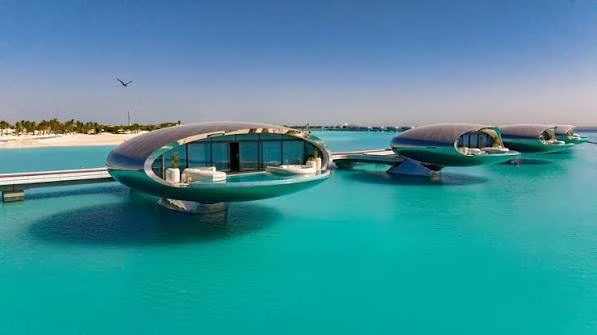
Saudi Arabia’s Red Sea coast is becoming increasingly important for tourism.
The region offers:
- Coral reefs
- Diving
- Snorkelling
- Beach resorts
- Marine life
This is a very different side of the country from Riyadh or AlUla.
Diving and Snorkelling
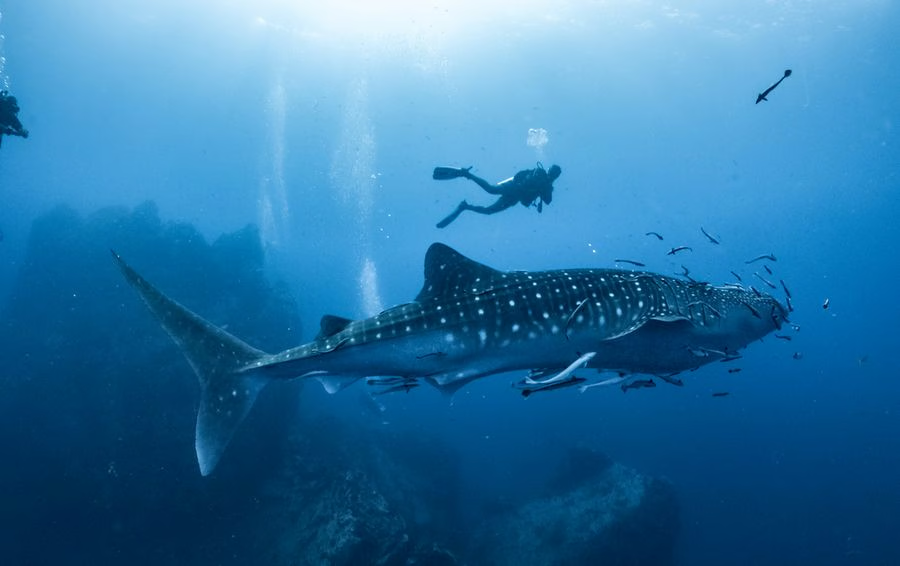
The Red Sea is known for clear water and rich marine life.
Travellers interested in diving should choose reputable operators and check seasonal marine conditions.
As with any reef destination, responsible tourism matters.
Avoid touching coral or disturbing marine life.
Asir and Abha
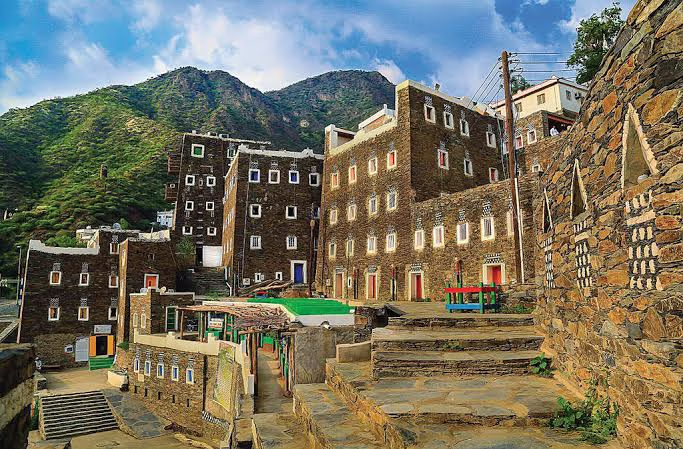
Saudi Arabia is not all desert.
The southwestern highlands around Abha and the Asir region are greener and cooler.
They offer:
- Mountain roads
- Cooler summer temperatures
- Villages
- Scenic viewpoints
- A different cultural landscape
This region is especially interesting for repeat visitors or travellers looking beyond the headline destinations.
Saudi Arabia for Couples
Saudi Arabia can be a strong choice for couples who prefer:
- Design hotels
- Desert landscapes
- Culture
- Luxury
- Road trips
A well-planned itinerary might combine:
Riyadh → AlUla → Jeddah
That gives you city, desert and coast in one journey.
Saudi Arabia for Families
Families can enjoy Saudi Arabia too.
Good options include:
- Riyadh
- Jeddah
- AlUla
- Red Sea resorts
The main planning challenge is heat.
In warmer months, structure days carefully and avoid long outdoor periods around midday.
What Should You Wear?
Dress codes have relaxed considerably for international visitors in many tourist settings, but modest clothing remains the sensible approach.
For most travellers:
- Shoulders and knees covered is a good baseline
- Lightweight fabrics work well
- Carry a layer for evenings
- Dress more conservatively at religious or traditional sites
Local norms can vary by place and setting.
Cultural Etiquette
A few basics go a long way.
- Dress respectfully
- Ask before photographing people
- Avoid public behaviour that may be seen as inappropriate
- Respect prayer times and religious spaces
- Follow local rules around alcohol and public conduct
Before travel, always check current official guidance because regulations can change.
Saudi Arabia During Ramadan
Travel during Ramadan can be deeply interesting but requires more planning.
Operating hours may change.
Restaurants may follow different schedules.
Evening activity often becomes much livelier after sunset.
For some travellers, this adds cultural depth.
For others, it may make a first trip less straightforward.
Always check the exact Ramadan dates and current local guidance before booking.
What Should You Eat in Saudi Arabia?
Saudi cuisine is hearty and generous.
Kabsa
A rice dish often served with chicken or lamb.
Mandi
Another rice-and-meat dish with deep regional roots.
Mutabbaq
A stuffed folded flatbread.
Jareesh
A traditional wheat-based dish.
Dates and Arabic Coffee
Hospitality often begins here.
The combination is simple but culturally important.
Vegetarian Travel in Saudi Arabia
Vegetarian travellers can manage well in major cities.
You’ll often find:
- Hummus
- Falafel
- Lentil soup
- Salads
- Bread
- Rice
- Grilled vegetables
Larger cities also have increasingly diverse international food scenes.
How Many Days Do You Need in Saudi Arabia?
4 to 5 Days
Riyadh or Jeddah + one nearby experience
7 Days
Riyadh + AlUla
8 to 10 Days
Riyadh + AlUla + Jeddah
10 to 14 Days
Better for Red Sea or regional extensions
For a first trip, 8 to 10 days is a strong duration.
A Good First-Time Saudi Arabia Route
A strong first itinerary could be:
Riyadh → AlUla → Jeddah
This gives you:
- Modern Saudi Arabia
- Historical heritage
- Desert landscapes
- Coastal culture
With more time, add:
Red Sea resort stay
or
Asir region
Travel Tips Before You Go
- Travel between October and March for the easiest first visit.
- Give AlUla at least two nights.
- Plan outdoor sightseeing around cooler hours.
- Dress respectfully.
- Check attraction bookings in advance.
- Keep current entry requirements under review.
- Confirm opening hours around Ramadan and religious holidays.
- Use reputable operators for desert and marine activities.
- Carry sun protection year-round.
- Don’t assume every region of Saudi Arabia has the same climate.
Quick Summary
| Travel Goal | Best Time |
|---|---|
| Overall Best Time | October-March |
| Riyadh | November-March |
| Jeddah | November-March |
| AlUla | October-March |
| Desert Experiences | November-February |
| Red Sea | October-May |
| Photography | November-March |
| Road Trips | November-March |
Frequently Asked Questions
What is the best month to visit Saudi Arabia?
November, December, January and February are among the most comfortable months for a broad first-time trip.
How many days are enough for Saudi Arabia?
Around 8 to 10 days works well for Riyadh, AlUla and Jeddah.
Is AlUla worth visiting?
Yes. For many leisure travellers, AlUla is the highlight of the country because of its desert scenery, archaeology and distinctive luxury stays.
Is Saudi Arabia suitable for couples?
Yes, especially for couples interested in culture, design, desert landscapes and luxury travel.
Is summer a good time to visit?
It can work for coastal resorts or indoor-focused travel, but extreme heat makes a classic city-and-desert itinerary much less comfortable.
Saudi Arabia or Jordan?
Choose Saudi Arabia for AlUla, modern city development, Red Sea travel and a larger range of emerging luxury experiences.
Choose Jordan for Petra, Wadi Rum and a more compact classic cultural circuit.
Continue Exploring on Mindflix Atlas
- Best Time to Visit Dubai
- Best Time to Visit Oman
- Best Time to Visit Jordan
- Best Time to Visit Egypt
- Best Time to Visit Turkey
- 10 International Destinations Indians Should Visit Before Everyone Else Does
- Best Time to Visit Every Country
- Saudi Arabia Travel Guide (Coming Soon)
- AlUla Travel Guide (Coming Soon)
- The Perfect 9-Day Saudi Arabia Itinerary (Coming Soon)
- Saudi Arabia vs Jordan (Coming Soon)
Saudi Arabia is most interesting when you stop thinking of it as one kind of destination.
The skyline of Riyadh.
The old streets of Jeddah.
The silence of AlUla.
The coral reefs of the Red Sea.
The mountain roads of the southwest.
They do not feel like one trip—and that is exactly what makes the country worth exploring.
Mindflix Atlas helps you understand the destination before you book it, so you can travel smarter and experience more.
Related destination guides
Keep planning with more Mindflix Atlas weather, season and month-by-month guides.


How to Find Cheap International Flights from India | 25 Smart Rules
There is no secret Tuesday at 2:37 AM when every international flight suddenly becomes cheap.
Read guide

Best Airline Stopover Programs | Turn One Flight into Two Trips
Discover the best airline stopover programs for Doha, Abu Dhabi, Istanbul, Dubai, Iceland and Portugal, plus how to turn one international flight into two holidays.
Read guide

15 Best Stopover Cities in the World: Places Worth Leaving the Airport For
Discover 15 of the best stopover cities in the world, including Doha, Dubai, Singapore, Istanbul, Hong Kong, Kuala Lumpur and more, with practical layover planning advice.
Read guide

Best Time to Visit Qatar | Doha, Desert & Month-by-Month Guide
Qatar is the kind of destination that surprises travellers who arrive expecting only a modern Gulf skyline.
Read guide

Best Time to Visit China: Beijing, Shanghai, Xi’an & Month-by-Month Guide (2026)
China is too large for one weather answer.
Read guide
70 Travel Lessons Every International Traveller Should Know
Travel teaches some lessons beautifully.
Read guide