
Best Time to Visit Jordan: Weather, Petra, Wadi Rum & Month-by-Month Guide (2026)
Jay Vora
Founder & CEO

Best Time to Visit Jordan
Jordan is one of those destinations that feels larger than the map suggests.
You can walk through the rose-red canyons of Petra, sleep beneath desert stars in Wadi Rum, float effortlessly in the Dead Sea and explore Roman ruins within the same trip.
And because so much of Jordan’s appeal lies outdoors, timing matters.
For most travellers, March to May and September to November are the best times to visit Jordan.
These months usually bring comfortable temperatures for walking, desert excursions and sightseeing.
Summer can be very hot.
Winter can be surprisingly cold, especially at night.
So the right season can completely change the experience.
Understanding Jordan’s Climate
Jordan has a predominantly dry climate.
But conditions vary depending on altitude and region.
Amman sits at elevation and can become quite cool in winter.
Petra also experiences colder evenings than many travellers expect.
The Dead Sea is lower and warmer.
Wadi Rum has classic desert conditions: hot days, cool nights and major temperature swings.
This is why you should never pack for Jordan based only on “Middle East weather.”
Spring in Jordan: March to May
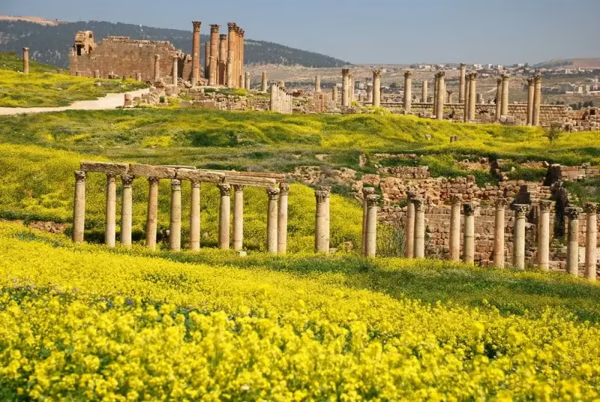
Spring is one of the best seasons to visit.
Temperatures are generally comfortable and landscapes can be greener than many people expect.
This season works beautifully for:
- Petra
- Wadi Rum
- Amman
- Jerash
- Hiking
- Road trips
- First-time visitors
April is particularly popular.
Summer in Jordan: June to August
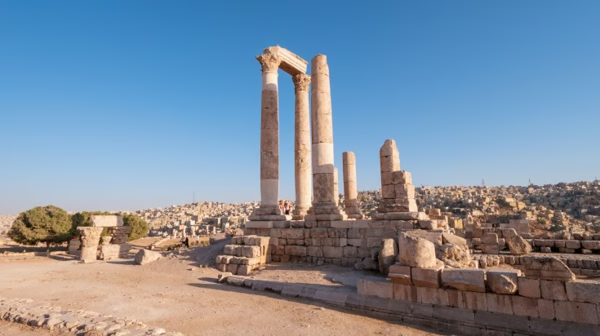
Summer is hot and dry.
Petra and Wadi Rum can become intense during the afternoon.
Travel is still possible, but you’ll need to:
- Start early
- Carry plenty of water
- Use strong sun protection
- Rest during peak heat
The Dead Sea and Aqaba remain popular, but midday temperatures can be extreme.
Autumn in Jordan: September to November
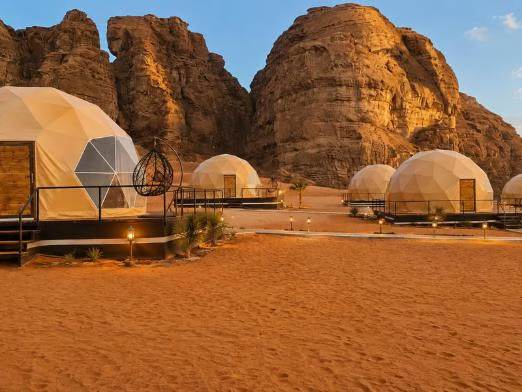
Autumn is another excellent season.
September remains warm.
October is particularly comfortable.
By November, nights become noticeably cooler.
This is a superb period for:
- Desert camps
- Petra
- Hiking
- Photography
- Couples
- Cultural travel
Winter in Jordan: December to February
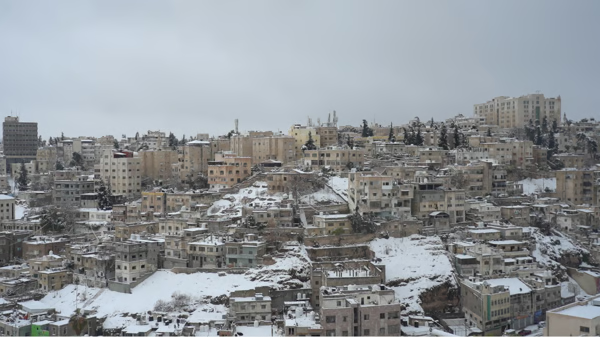
Jordan in winter is much cooler than many first-time travellers imagine.
Amman and Petra can become cold, especially in the evening.
Rain is more likely than in summer, and higher areas can occasionally experience snow.
The upside?
Crowds are smaller and major attractions can feel far more peaceful.
Jordan Month by Month
January
Cold by Jordanian standards.
Amman and Petra can feel chilly, especially after sunset.
The Dead Sea remains milder.
Best for: Lower crowds and cultural sightseeing.
February
Winter continues, but temperatures gradually begin improving.
Pack layers.
March
Spring begins.
Days become more comfortable and outdoor sightseeing improves significantly.
A very good month for a first visit.
April
One of the best months of the year.
Pleasant days, cool evenings and excellent conditions for walking through Petra.
May
Warm, dry and generally excellent.
Temperatures rise, but sightseeing remains comfortable for most travellers.
June
Summer begins properly.
Outdoor attractions are still manageable with early starts.
July
Hot and dry.
Avoid the strongest afternoon sun, particularly in Petra and Wadi Rum.
August
Similar to July.
Plan major outdoor sightseeing around sunrise and late afternoon.
September
Temperatures begin easing.
Still warm, but much more comfortable than peak summer.
October
One of Jordan’s finest travel months.
Excellent for Petra, Wadi Rum and desert camps.
November
Cooler conditions return.
Still a very good month, particularly early to mid-November.
December
Winter sets in.
Expect cooler days and cold nights, particularly in Amman and Petra.
Best Time Based on Your Travel Style
| Travel Goal | Best Time |
|---|---|
| First-Time Visit | March to May, September to November |
| Petra | March to May, September to November |
| Wadi Rum | March to May, September to November |
| Dead Sea | March to June, September to November |
| Hiking | March to May, October to November |
| Photography | March, April, October, November |
| Budget Travel | Winter and peak summer can sometimes offer better value |
Petra: The Reason Many Travellers Come to Jordan
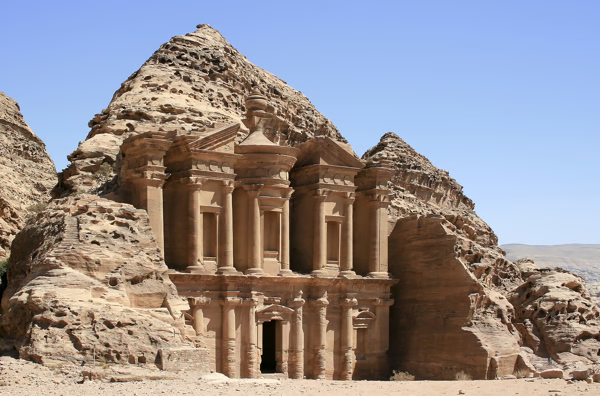
Petra is one of the world’s great archaeological sites.
But the Treasury is only the beginning.
Most travellers recognise the famous façade carved into rose-coloured rock.
What surprises them is how enormous the entire site is.
You can easily spend a full day exploring:
- The Siq
- The Treasury
- Royal Tombs
- Colonnaded Street
- The Monastery
- High Place of Sacrifice
Wear proper shoes.
You’ll walk far more than you expect.
Atlas Insider Tip
Don’t rush Petra in half a day.
If possible, give it one full day or even two.
Arrive early, before the major tour groups.
Walk through the Siq while it’s still quiet.
The first glimpse of the Treasury through the canyon is much more memorable when you’re not surrounded by hundreds of people.
And if you plan to hike to the Monastery, save enough energy.
The climb is worth it.
Wadi Rum
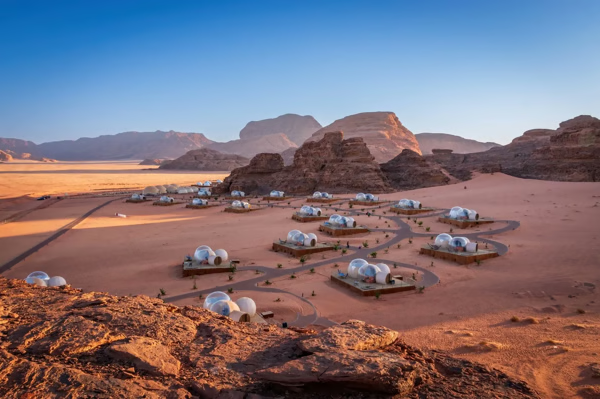
Wadi Rum is not simply a desert.
It’s an enormous landscape of sandstone mountains, red sand and vast open space.
The most memorable experience is usually an overnight stay.
A typical visit may include:
- Jeep safari
- Desert sunset
- Traditional dinner
- Stargazing
- Bedouin-style camp
The desert feels completely different after the day visitors leave.
Sleeping in the Desert
Wadi Rum camps range from simple traditional tents to luxury domes with panoramic windows.
Choose based on what matters to you.
Some travellers want authenticity.
Others want comfort.
Both can be memorable.
What matters more is:
- Location
- Camp atmosphere
- Food
- Guide quality
- Stargazing conditions
The Dead Sea
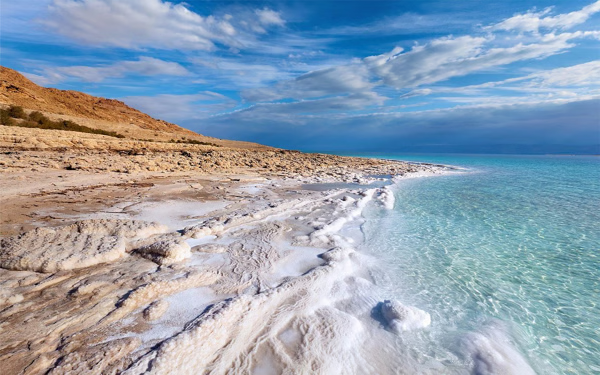
Floating in the Dead Sea is one of Jordan’s most unusual experiences.
The extremely high salinity makes the water remarkably buoyant.
You don’t really swim.
You float.
Keep a few things in mind:
- Avoid shaving immediately before entering
- Don’t let the water reach your eyes
- Limit the amount of time you stay in
- Shower afterward
- Follow local safety advice
Any small cut will remind you very quickly how salty the water is.
Amman
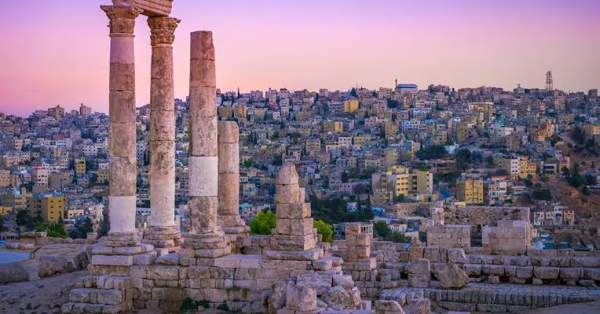
Amman often gets overlooked.
That’s a mistake.
The capital gives you a much better understanding of modern Jordan.
Spend time exploring:
- Amman Citadel
- Roman Theatre
- Rainbow Street
- Local restaurants
- Markets
The city is hilly, energetic and far more atmospheric than many travellers expect.
Jerash
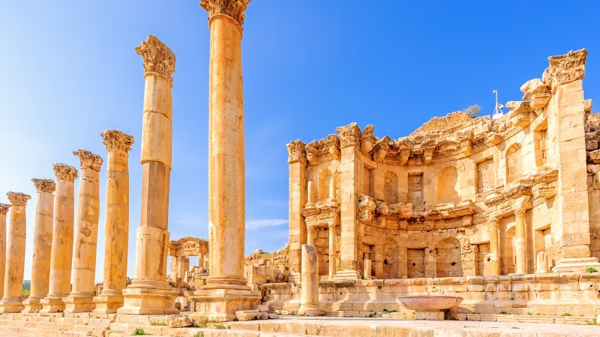
Jerash contains some of the best-preserved Roman ruins in the region.
Colonnaded streets, temples, theatres and enormous plazas give a strong sense of the scale of the ancient city.
It works well as a day trip from Amman.
Aqaba

Jordan’s small stretch of Red Sea coastline offers a very different experience.
Aqaba is popular for:
- Diving
- Snorkelling
- Beach resorts
- Relaxation
It’s a good place to finish an active itinerary.
A Strong First-Time Jordan Itinerary
A balanced first trip might look like:
Amman → Jerash → Dead Sea → Petra → Wadi Rum → Aqaba
This route gives you:
- Cities
- Roman history
- Biblical landscapes
- Ancient archaeology
- Desert adventure
- Beach relaxation
That’s a lot of variety for one relatively compact country.
How Many Days Do You Need in Jordan?
- 4 Days
Amman + Petra + Dead Sea - 5 to 6 Days
Add Wadi Rum - 7 to 8 Days
Ideal for a comfortable first trip - 9 to 10 Days
Allows Aqaba and slower exploration
For most travellers, 7 days is a strong starting point.
Jordan for Couples
Jordan works beautifully for couples who want something more adventurous than a conventional resort holiday.
Imagine:
- Boutique stays in Amman
- Sunset over Petra
- Luxury camp in Wadi Rum
- Spa stay beside the Dead Sea
It combines romance with a sense of discovery.
What Should You Eat in Jordan?
Jordanian food is one of the highlights.
- Mansaf
Jordan’s national dish, traditionally made with lamb, rice and fermented yoghurt sauce. - Maqluba
A layered rice dish served by flipping the pot upside down. - Falafel
A simple but excellent vegetarian staple. - Hummus
Widely available and often far better than versions found elsewhere. - Kunafa
A rich dessert made with cheese, pastry and syrup.
Vegetarian travellers generally do well. Common options include hummus, falafel, fattoush, tabouleh, mutabbal, lentil soup and fresh breads.
Strict vegans should clarify dairy and stock ingredients.
What Should You Wear?
Jordan is relatively easy to travel through, but modest clothing is respectful.
For most sightseeing:
- Lightweight trousers
- T-shirts or shirts
- Comfortable walking shoes
- Hat
- Sunglasses
Women generally don’t need to cover their hair outside religious settings.
In winter, pack proper layers.
Desert nights can become very cold.
Is Jordan Safe for Tourists?
Travel conditions can change, particularly given Jordan’s location in a geopolitically sensitive region.
Before departure, always check the latest official travel advisories and local conditions.
Within Jordan, major tourist areas are well established and accustomed to international visitors.
As anywhere, use normal precautions around belongings, transport and unfamiliar areas.
Travel Tips Before You Go
- Start Petra early.
- Carry more water than you think you’ll need.
- Stay overnight in Wadi Rum.
- Pack layers for desert nights.
- Wear proper walking shoes.
- Don’t underestimate Petra’s size.
- Check official travel guidance before departure.
- Leave some downtime between major sightseeing days.
- Consider ending with the Dead Sea or Aqaba.
Quick Summary
| Travel Goal | Best Time |
|---|---|
| Overall Best Time | March-May, September-November |
| Petra | March-May, September-November |
| Wadi Rum | March-May, September-November |
| Dead Sea | Spring & Autumn |
| Hiking | March-May, October-November |
| Fewer Crowds | Winter |
| Photography | April, October |
Frequently Asked Questions
What is the best month to visit Jordan?
April and October are among the best months for comfortable temperatures and outdoor sightseeing.
How many days are enough for Jordan?
Around 7 days gives most first-time visitors enough time for Amman, Petra, Wadi Rum and the Dead Sea.
Is Petra worth a full day?
Absolutely. Petra is far larger than the Treasury alone, and a full day gives you time to explore deeper into the site.
Is Wadi Rum worth staying overnight?
Yes. Sunset, stargazing and early morning are among the best parts of the desert experience.
Is Jordan expensive?
It can be moderately expensive compared with some Asian destinations, particularly for accommodation, private transport and attraction tickets. Budget varies significantly by travel style.
Jordan or Egypt: which should you visit first?
Choose Egypt if ancient civilisation, monumental temples and the Nile are your priorities.
Choose Jordan if you want archaeology combined with desert landscapes, road trips and a more compact itinerary.
Both are extraordinary and work very well as separate trips.
Continue Exploring on Mindflix Atlas
- Best Time to Visit Egypt
- Best Time to Visit Turkey
- Best Time to Visit Dubai
- Best Time to Visit Every Country
- Jordan Travel Guide (Coming Soon)
- Petra Travel Guide (Coming Soon)
- Wadi Rum Travel Guide (Coming Soon)
- The Perfect 7-Day Jordan Itinerary (Coming Soon)
- Egypt vs Jordan: Which Should You Visit? (Coming Soon)
Jordan doesn’t overwhelm you with size. It overwhelms you with contrast.
Ancient cities.
Desert silence.
Saltwater so dense you float without trying.
Roman ruins.
Mountain roads.
And one of the world’s most famous archaeological sites hidden behind a narrow canyon.
It’s the kind of journey where every two hours feels like a completely different country.
Mindflix Atlas helps you understand the destination before you book it, so you can travel smarter and experience more.