
Best Time to Visit Oman | Weather & Month-by-Month Guide (2026)
Jay Vora
Founder & CEO
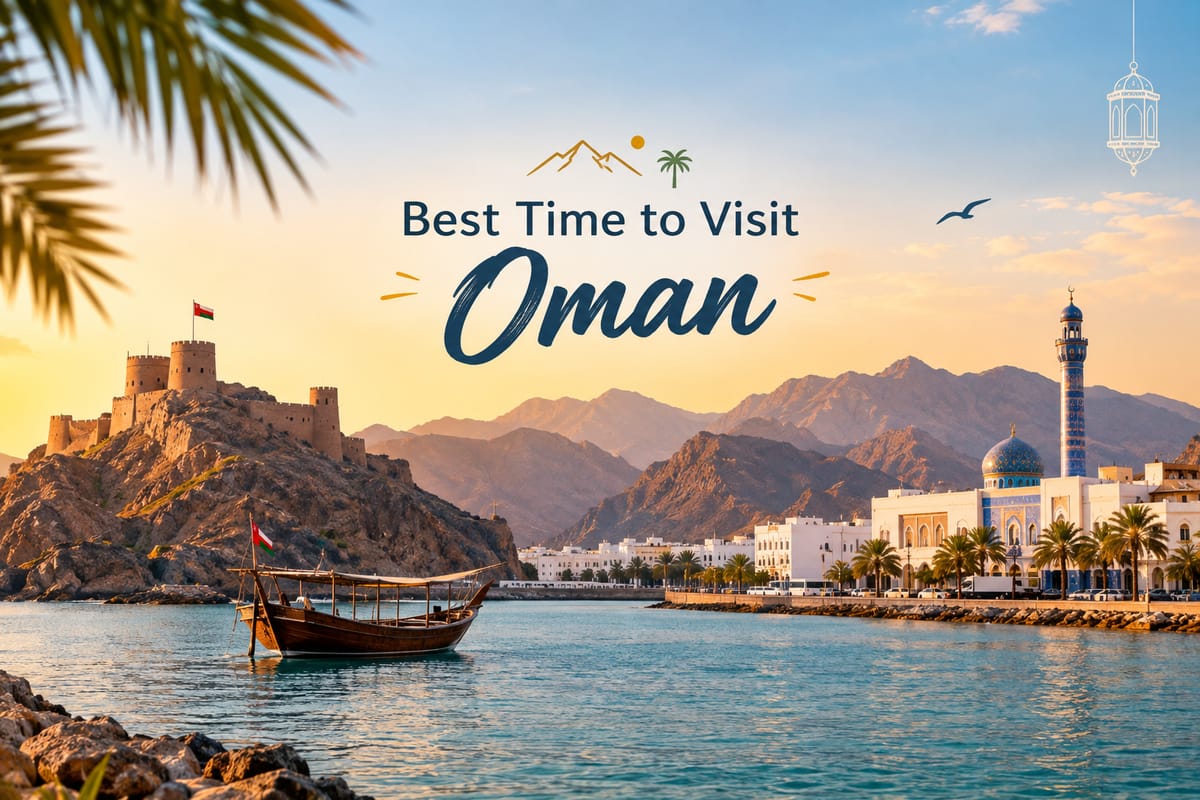
Best Time to Visit Oman
Oman is one of the Middle East’s most underrated destinations.
It doesn’t try to overwhelm you with skyscrapers.
It wins you over with landscapes.
Jagged mountains.
Turquoise wadis.
Empty desert roads.
Whitewashed towns.
Quiet beaches.
Traditional souqs.
And some of the most rewarding road trips in the region.
For most travellers, October to April is the best time to visit Oman, especially if you want to explore Muscat, the mountains, desert regions and coastal attractions comfortably.
But there’s one major exception.
If you’re heading to Salalah, the most famous season is actually during the summer khareef, when the desert landscape turns unexpectedly green.
That makes Oman particularly interesting.
The “best time” depends entirely on which part of the country you want to experience.
Understanding Oman’s Climate
Oman has a hot, dry climate across much of the country.
Summers can be extremely hot, particularly inland.
Winter is pleasantly warm and much easier for sightseeing.
Broadly, Oman has:
- A cooler travel season from October to April
- A hot summer from May to September
- A unique monsoon season in southern Oman
That southern monsoon, known as khareef, is one of the country’s most fascinating seasonal experiences.
Winter in Oman: October to April
This is the prime travel season.
Expect:
- Pleasant daytime temperatures
- Cooler evenings
- Comfortable desert conditions
- Better hiking weather
- Excellent road-trip conditions
This is the best time for:
- Muscat
- Nizwa
- Wahiba Sands
- Wadi Shab
- Jebel Akhdar
- Jebel Shams
- Coastal drives
Summer in Oman: May to September
Summer becomes very hot across much of northern and central Oman.
Outdoor sightseeing can be difficult during the afternoon.
However, this is when Salalah becomes one of the most interesting destinations in the Gulf.
The khareef monsoon brings:
- Mist
- Green hills
- Waterfalls
- Cooler temperatures
- A completely different landscape
So while summer is not ideal for Muscat or the desert, it can be the best time for Salalah.
Oman Month by Month
January
One of the best months of the year.
Muscat is comfortable, desert nights are cool and mountain hikes are far more enjoyable.
Best for: First-time visitors, road trips, desert camps and hiking.
February
Excellent conditions continue.
This is a strong month for combining cities, wadis, mountains and desert experiences.
March
Temperatures begin rising slightly but remain comfortable.
Still one of the best months for a complete Oman itinerary.
April
Warm weather arrives.
Outdoor sightseeing is still manageable, especially in the morning and evening.
Mountain destinations remain attractive.
May
Summer heat becomes more noticeable.
Midday outdoor activities become less comfortable.
Travel is possible, but the itinerary should be paced carefully.
June
Very hot across much of northern Oman.
This is when Salalah begins becoming more interesting as the khareef season approaches.
July
One of the hottest months in Muscat.
Meanwhile, Salalah transforms.
Mist, drizzle and greenery create conditions completely unlike the rest of the country.
August
Peak khareef season in Salalah.
Southern Oman becomes green, cool and atmospheric.
A unique time for travellers looking for something completely different from the typical Gulf landscape.
September
Khareef conditions begin fading.
Northern Oman remains hot, although temperatures gradually improve towards the end of the month.
October
One of the best months to return to northern Oman.
Temperatures become more manageable and the main travel season begins.
November
Excellent overall weather.
This is one of the strongest months for road trips, desert stays and sightseeing.
December
A fantastic month.
Comfortable days, cool nights and a festive travel atmosphere make December especially popular.
Book early during Christmas and New Year.
Best Time Based on Your Travel Style
| Travel Goal | Best Time |
|---|---|
| First-Time Visit | October to April |
| Muscat | October to April |
| Desert Camping | November to March |
| Mountain Trips | October to April |
| Hiking | November to March |
| Salalah Khareef | July to September |
| Road Trips | October to April |
| Beaches | October to April |
| Photography | November to March and khareef season in Salalah |
Muscat
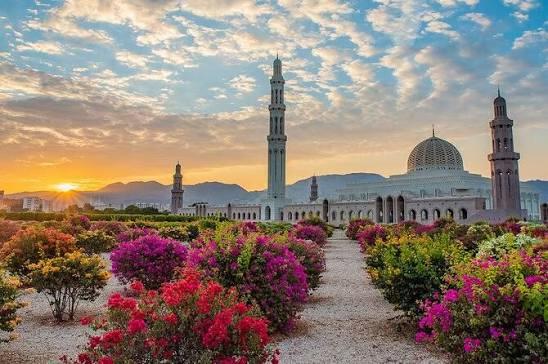
Muscat is one of the Gulf’s most distinctive capitals.
It’s modern, but not aggressively futuristic.
Buildings remain low-rise.
Mountains rise behind the city.
The coastline stays visible.
Traditional architecture remains part of the urban identity.
Highlights include:
- Sultan Qaboos Grand Mosque
- Mutrah Corniche
- Mutrah Souq
- Royal Opera House
- Coastal viewpoints
- Old Muscat
Two or three nights works well for most first-time visitors.
Sultan Qaboos Grand Mosque
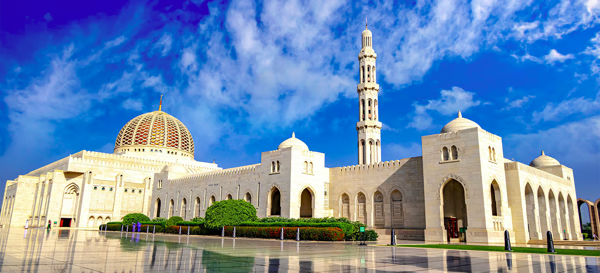
This is one of Muscat’s most important landmarks.
The architecture is elegant, peaceful and beautifully detailed.
Visit in the morning.
The light is better, temperatures are cooler and the overall experience feels more relaxed.
Dress requirements apply, so check current visitor guidance before arriving.
Mutrah Souq
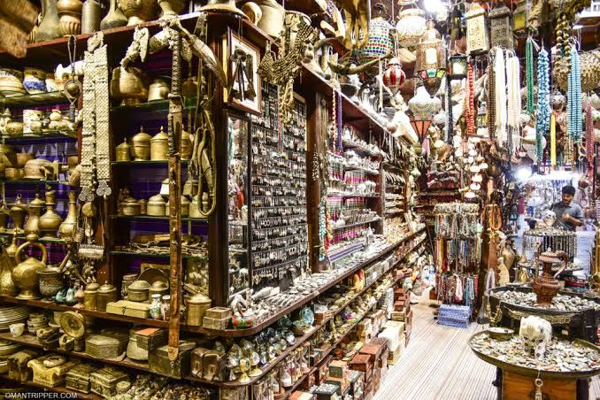
Mutrah Souq is one of the best places to experience old Muscat.
Expect narrow lanes filled with:
- Frankincense
- Spices
- Silver jewellery
- Perfumes
- Textiles
- Souvenirs
It becomes especially atmospheric in the evening.
Wadi Shab
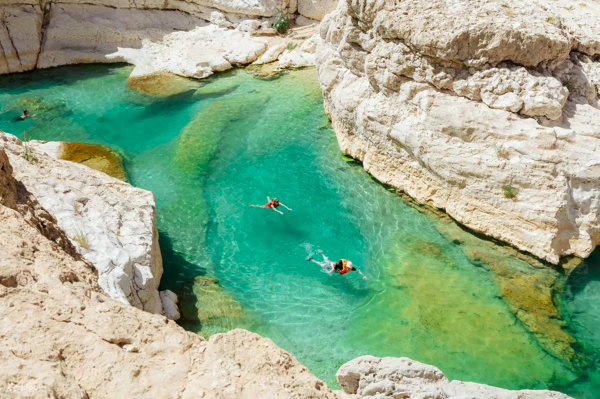
Wadi Shab is one of Oman’s most popular natural attractions.
The journey usually involves:
- A short boat crossing
- Hiking
- Swimming
- Rock pools
- Canyon scenery
This is not a “drive up, take a photo, leave” attraction.
You need time.
You also need proper footwear.
Atlas Insider Tip
If you’re visiting Wadi Shab, go early.
By late morning, the parking area and trail can become much busier.
An early start gives you:
- Cooler temperatures
- Quieter trails
- Better swimming conditions
- More time to enjoy the pools
Carry light gear and wear shoes you’re comfortable getting wet.
Bimmah Sinkhole
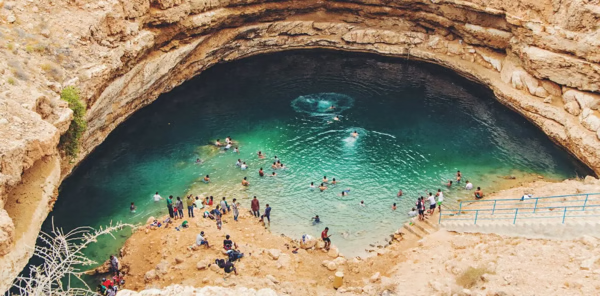
Often combined with Wadi Shab, Bimmah Sinkhole is a dramatic limestone depression filled with blue-green water.
It works well as part of a coastal road trip from Muscat.
Don’t treat it as the main reason for the drive.
Combine it with other attractions.
Nizwa
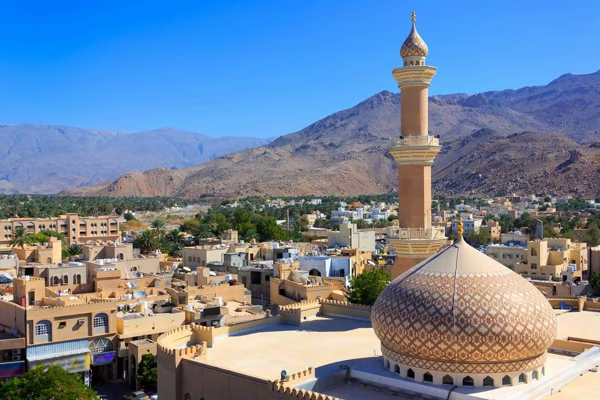
Nizwa gives travellers a stronger sense of traditional Oman.
The town is known for:
- Nizwa Fort
- Traditional souq
- Date markets
- Mountain access
It’s a natural stop on a road trip toward Jebel Akhdar or Jebel Shams.
Jebel Akhdar
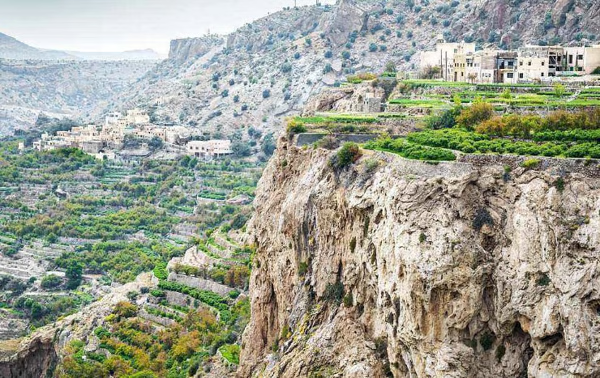
Jebel Akhdar means “Green Mountain.”
The region sits at higher altitude and offers much cooler temperatures than Muscat.
Expect:
- Mountain villages
- Terraced farms
- Scenic viewpoints
- Hiking
- Luxury mountain resorts
It’s especially attractive during spring when roses bloom in some villages.
Jebel Shams
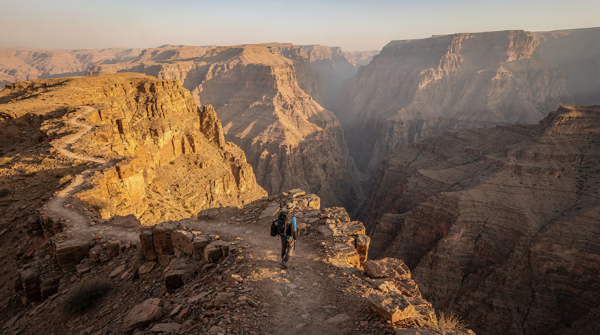
Jebel Shams is often called the “Grand Canyon of Oman.”
The scenery is dramatic.
One of the best-known walks is the Balcony Walk, which follows the edge of the canyon.
This is a completely different side of Oman from beaches and desert.
Wahiba Sands
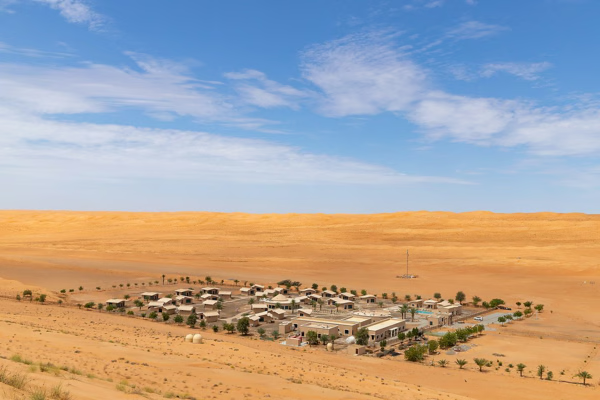
For many travellers, the desert is one of the highlights.
Wahiba Sands offers:
- Dune drives
- Sunset views
- Desert camps
- Stargazing
- Camel experiences
Stay overnight if possible.
The desert is far more memorable after the day-trippers leave.
Desert Nights in Oman
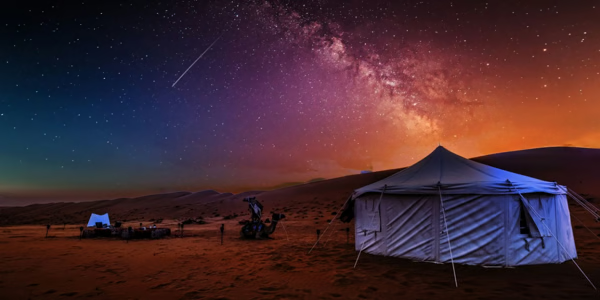
Desert camps range from simple to luxurious.
What matters most isn’t how many stars the camp claims to have.
It’s:
- Location
- Dune setting
- Sunset access
- Food
- Atmosphere
- Noise level
The desert should feel quiet.
That’s part of the experience.
Salalah
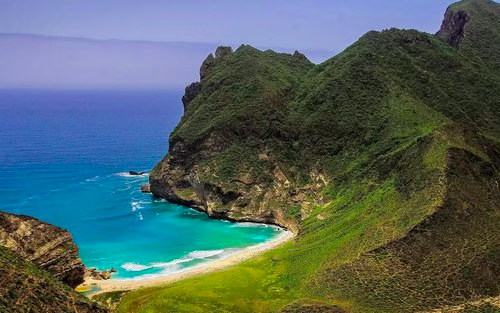
Salalah is unlike northern Oman.
During khareef, the landscape transforms.
Mountains turn green.
Mist rolls across the hills.
Waterfalls appear.
Temperatures drop.
It feels almost impossible to believe you’re still in the Arabian Peninsula.
Khareef Season
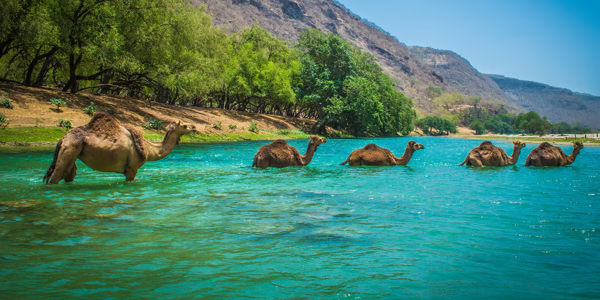
Khareef generally occurs from around July to September.
This is Salalah’s signature season.
Expect:
- Mist
- Light rain
- Green landscapes
- Cooler weather
- Large regional crowds
The downside?
It can become very busy.
Hotels may fill quickly.
If khareef is your main reason for travelling, book early.
Oman Road Trips
Oman is made for driving.
A strong first-time route might look like:
Muscat → Wadi Shab → Sur → Wahiba Sands → Nizwa → Jebel Akhdar → Muscat
This gives you:
- Coast
- Wadis
- Desert
- Forts
- Mountains
It’s one of the most varied road trips you can do in the Gulf.
4WD or Normal Car?
This depends on your itinerary.
A regular car works well for many highways and cities.
However, some mountain roads and desert areas may require or strongly favour a 4WD.
Always check current access requirements before travelling.
Don’t assume every scenic road is suitable for a standard vehicle.
Oman for Couples
Oman is excellent for couples who prefer experiences over nightlife.
You can combine:
- Luxury hotels in Muscat
- Mountain resorts
- Desert camps
- Quiet beaches
- Scenic drives
It feels romantic without being overly commercial.
Oman for Families
Families can enjoy Oman too, especially if the itinerary includes:
- Wadis
- Beaches
- Forts
- Desert camps
- Easy scenic drives
Keep driving times manageable and avoid overloading each day.
What Should You Eat in Oman?
Omani cuisine is subtle, aromatic and influenced by centuries of trade.
- Shuwa
Slow-cooked meat traditionally prepared for special occasions. - Majboos
Spiced rice usually served with meat or fish. - Mashuai
Grilled kingfish served with rice. - Omani Halwa
A rich, sticky sweet often served with coffee. - Kahwa
Traditional Omani coffee, commonly flavoured with cardamom.
Vegetarian travellers generally do well in larger cities and hotels. Indian food is also widely available. Still, outside urban areas, it helps to communicate clearly and plan meals in advance.
How Many Days Do You Need in Oman?
- 3 to 4 Days
Muscat + one excursion - 5 Days
Muscat + Wadi Shab + Nizwa - 6 to 7 Days
Add desert and mountains - 8 to 10 Days
Ideal for a proper road trip
For most first-time travellers, 6 to 8 days works extremely well.
Travel Tips Before You Go
- Travel between October and April for a classic first trip.
- Start outdoor sightseeing early.
- Carry proper hiking shoes.
- Pack modest clothing for cultural sites.
- Stay overnight in the desert.
- Check whether your route requires a 4WD.
- Carry water on all road trips.
- Don’t underestimate distances.
- Book Salalah early during khareef.
- Allow extra time for mountain roads.
Quick Summary
| Travel Goal | Best Time |
|---|---|
| Overall Best Time | October to April |
| Muscat | October to April |
| Desert Camping | November to March |
| Mountains | October to April |
| Hiking | November to March |
| Salalah Khareef | July to September |
| Road Trips | October to April |
| Beaches | October to April |
Frequently Asked Questions
What is the best month to visit Oman?
November to February offers some of the most comfortable weather for road trips, sightseeing and desert experiences.
Is Oman worth visiting in summer?
Northern Oman can become extremely hot, but summer is exactly when Salalah becomes famous for the khareef monsoon.
How many days are enough for Oman?
Around 6 to 8 days works very well for a first trip combining Muscat, wadis, mountains and desert.
Is Oman good for honeymooners?
Yes. Luxury hotels, mountain resorts, quiet beaches and desert camps make Oman an excellent choice for couples seeking something different.
Is Oman better than Dubai for a road trip?
They provide completely different experiences. Dubai focuses more heavily on urban attractions and entertainment, while Oman is stronger for landscapes, driving, mountains, wadis and desert travel.
What is the best time to visit Salalah?
The famous khareef season generally runs through July to September, when southern Oman becomes cooler and dramatically greener.
Continue Exploring on Mindflix Atlas
- Best Time to Visit Dubai
- Best Time to Visit Jordan
- Best Time to Visit Egypt
- Best Time to Visit Turkey
- Best Time to Visit Every Country
- Oman Travel Guide (Coming Soon)
- The Perfect Oman Road Trip (Coming Soon)
- Muscat Travel Guide (Coming Soon)
- Salalah Khareef Guide (Coming Soon)
- Oman vs Dubai: Which Trip Is Right for You? (Coming Soon)
Oman doesn’t demand your attention.
It earns it.
A mountain road appears where you expected desert.
A turquoise pool sits hidden inside a canyon.
A quiet village appears between cliffs.
And a night in the desert reminds you how dark the sky can really be.
It’s not a destination you rush through.
Drive slowly.
Stop often.
And let the landscape do the talking.
Mindflix Atlas helps you understand the destination before you book it, so you can travel smarter and experience more.