
Best Time to Visit Malaysia: Weather, Seasons & Month-by-Month Guide (2026)
Jay Vora
Founder & CEO

Best Time to Visit Malaysia
Malaysia is one of Southeast Asia’s most diverse destinations.
In a single holiday, you can admire futuristic skylines in Kuala Lumpur, relax on white-sand islands, explore ancient rainforests, wander through colonial towns, and enjoy one of the world’s richest food cultures.
It’s a country where modern cities meet untouched nature. Where luxury resorts exist alongside centuries-old traditions. And where every region offers something completely different.
Because Malaysia stretches across different geographical regions, the weather isn’t the same everywhere. That means choosing the right time to visit can significantly improve your experience.
Understanding Malaysia’s Climate
Malaysia enjoys a tropical climate throughout the year.
Expect:
- Warm temperatures
- High humidity
- Tropical rain showers
- Lush green landscapes
Unlike countries with four seasons, Malaysia experiences changing rainfall patterns depending on the region. This means one coast may enjoy sunshine while another experiences heavier rainfall.
Understanding where you’re travelling is just as important as deciding when.
Month-by-Month Guide
- January: Excellent weather across much of the west coast. Langkawi, Penang and Kuala Lumpur are fantastic choices.
- February: One of the best months to visit. Sunny skies, pleasant conditions and Chinese New Year celebrations create a lively atmosphere across the country.
- March: Comfortable weather continues. Ideal for sightseeing, beaches and rainforest adventures.
- April: Warm tropical weather with occasional afternoon showers. Nature looks vibrant, making it a wonderful time for photography.
- May: A great month for exploring cities and enjoying island holidays before heavier rainfall begins in some regions.
- June: Popular among families travelling during school holidays. Excellent time for Langkawi and Penang.
- July: Comfortable tropical weather continues. A fantastic month for beaches, food experiences and cultural exploration.
- August: One of the busiest travel periods. Expect lively attractions and vibrant nightlife in major tourist destinations.
- September: Rainfall begins increasing in certain regions, while others remain excellent for travel. Always check local weather for your chosen destination.
- October: Some eastern coastal destinations experience heavier rainfall, but Kuala Lumpur, Penang and Langkawi continue welcoming visitors.
- November: The northeast monsoon affects parts of eastern Malaysia. West coast destinations generally remain better choices.
- December: Holiday season brings festive energy across Malaysia. Shopping districts, attractions and city centres become especially lively. Book early if travelling during Christmas or New Year.
Best Time Based on Your Travel Style
| Travel Style | Best Time |
|---|---|
| First-Time Visitors | February to April |
| Family Holiday | February to August |
| Honeymoon | March to July |
| Beaches | December to August (West Coast) |
| Rainforest Adventures | March to June |
| Food Exploration | Year-round |
| Budget Travel | September to November |
Which Part of Malaysia Should You Visit?
Every destination offers its own personality:
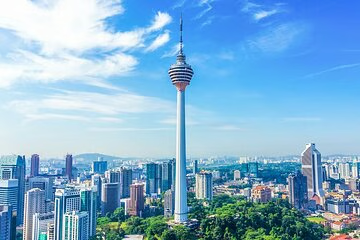
- Kuala Lumpur: Combines modern skyscrapers, vibrant nightlife, shopping and world-famous landmarks like the Petronas Twin Towers.

- Langkawi: Famous for luxury resorts, pristine beaches and breathtaking sunsets.


- Penang: Celebrated for its incredible street food, colonial heritage and colourful George Town.


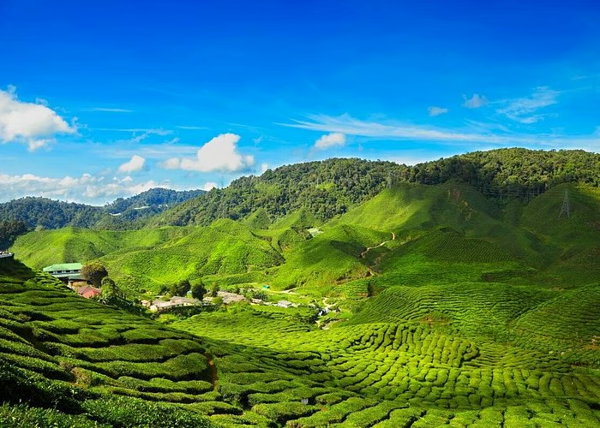
- Cameron Highlands: Offers cool temperatures, tea plantations and scenic countryside.

- Borneo (Sabah & Sarawak): Ideal for wildlife lovers seeking orangutans, rainforests and Mount Kinabalu.


💡 Atlas Insider Tip
Many travellers treat Kuala Lumpur as just a transit city. That’s a mistake!
Spend at least three nights here. Beyond the Petronas Towers, you’ll discover rooftop bars, hidden cafés, vibrant night markets, cultural neighbourhoods and one of Southeast Asia’s best food scenes. The city becomes even more enjoyable after sunset.
Travel Tips Before You Go
- Carry lightweight clothing suitable for tropical weather.
- Keep a compact umbrella handy for afternoon showers.
- Wear comfortable shoes, as many cities are best explored on foot.
- Don’t limit yourself to shopping malls—explore local markets and street food areas.
- Check regional weather forecasts rather than relying on national averages if visiting multiple regions.
Quick Summary
| Travel Goal | Best Time |
|---|---|
| Overall Best Weather | February to April |
| Beaches | December to August (West Coast) |
| Honeymoon | March to July |
| Rainforest | March to June |
| Food Tours | Year-round |
| Budget Travel | September to November |
Frequently Asked Questions
What is the best month to visit Malaysia?
March is often considered one of the best months, offering pleasant weather across many popular destinations.
Is Malaysia suitable throughout the year?
Yes. Thanks to regional weather differences, there is almost always an excellent destination to visit somewhere in Malaysia.
Which is better: Langkawi or Penang?
Langkawi is ideal for beaches, resorts and relaxation, while Penang is better known for its food, history and cultural experiences.
How many days should I spend in Malaysia?
A trip of 7 to 10 days allows enough time to explore Kuala Lumpur along with one or two additional destinations such as Langkawi, Penang or Cameron Highlands.
Continue Exploring on Mindflix Atlas
- How to Plan Your First International Trip
- Best Time to Visit Every Country
- Best Time to Visit Singapore
- Best Time to Visit Thailand
- Best Time to Visit Bali
- Malaysia Travel Guide (Coming Soon)
- Singapore vs Malaysia: Which Should You Visit First? (Coming Soon)
- Langkawi Travel Guide (Coming Soon)
Malaysia is a destination that surprises travellers with its diversity. From futuristic skylines and tropical islands to ancient rainforests and unforgettable cuisine, every journey feels different. Visit during the right season and you’ll discover why Malaysia continues to be one of Southeast Asia’s most rewarding destinations. At Mindflix Atlas, we’re here to help you travel smarter, one destination at a time.