
Best Time to Visit Indonesia Beyond Bali: Java, Komodo, Lombok & Raja Ampat Guide (2026)
Jay Vora
Founder & CEO
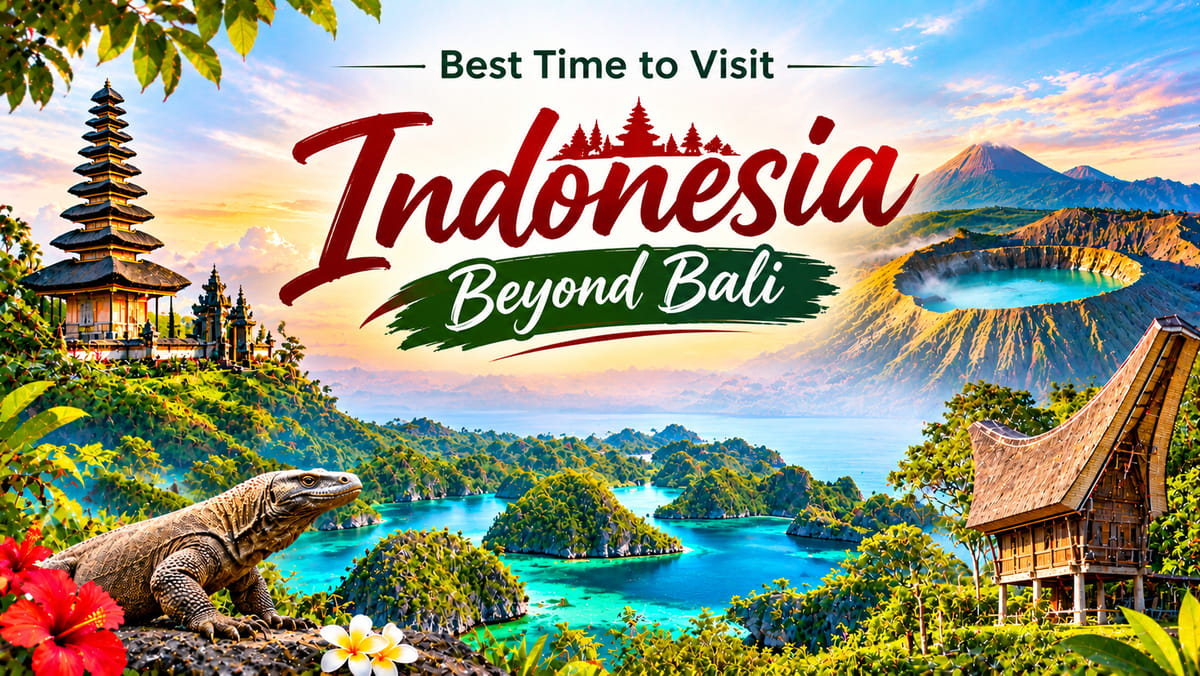
Best Time to Visit Indonesia Beyond Bali
For millions of travellers, Indonesia means Bali.
But Bali is one island in an archipelago so enormous that treating it as the whole country is like visiting Paris and assuming you have understood Europe.
Travel east and volcanoes rise above Java.
Continue toward Flores and giant Komodo dragons still roam wild islands.
Lombok offers beaches, surf and the enormous silhouette of Mount Rinjani.
Travel much farther east and Raja Ampat becomes a maze of limestone islands surrounded by some of the richest marine ecosystems on Earth.
Indonesia is not one destination.
It is hundreds of potential journeys.
For many first-time trips beyond Bali, May to September offers the easiest combination of drier conditions across Java, Lombok and much of Nusa Tenggara. Indonesia’s official tourism guidance broadly places the dry season across much of Java and Bali between April and October, although regional weather patterns vary considerably.
But there is an important exception.
Raja Ampat generally works better from around October to April, when conditions are often more favourable for marine travel.
So before choosing your month, choose your Indonesia.
Why Go Beyond Bali?
Bali deserves its popularity.
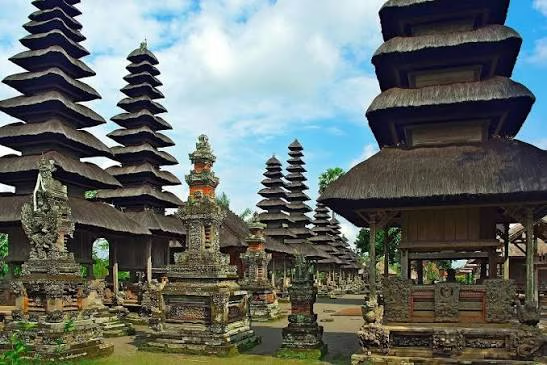
But travellers who stop there miss most of the geographical and cultural scale of Indonesia.
Beyond Bali you can experience:
- Ancient Buddhist and Hindu temples
- Active volcanoes
- Komodo dragons
- Orangutans
- World-class diving
- Remote islands
- Sasak culture
- Papuan communities
- Javanese cities
- Crater lakes
- Tropical reefs
Indonesia becomes much more rewarding once you stop trying to find another Bali.
Understanding Indonesia’s Seasons
Indonesia is tropical.
Instead of four traditional seasons, most regions are shaped primarily by:
- Dry season
- Rainy season
Across much of Java, Bali and nearby islands, the dry season generally runs from around April to October, while wetter conditions are more common from November to March.
But Indonesia is enormous.
Raja Ampat follows a different marine-weather pattern.
Mountain destinations also behave differently from coastal areas.
Always plan by region.
Indonesia Month by Month
January
Wet season across many popular western and central regions.
Heavy rain can affect:
- Java
- Lombok
- Flores
- Boat journeys
Raja Ampat can still be attractive during this period.
February
Rainy conditions continue across much of Java and Nusa Tenggara.
Not the easiest month for volcano-focused itineraries.
March
A transition period.
Rain gradually becomes less dominant in several areas.
Shoulder-season travel can offer fewer crowds.
April
One of the most useful transition months.
Conditions generally improve across:
- Java
- Lombok
- Komodo region
A strong month for broader itineraries.
May
One of the best months overall.
Landscapes remain relatively green while drier conditions improve outdoor travel.
Excellent for:
- Java
- Bromo
- Lombok
- Flores
June
Dry-season travel becomes established across many popular regions.
A great month for first-time travellers.
July
Excellent weather in many regions.
Also one of the busiest periods.
Book major attractions and accommodation early.
August
Peak dry season for many destinations.
Fantastic for volcanoes, beaches and island travel.
Expect crowds around famous locations.
September
Another excellent month.
Conditions remain strong while some peak-season pressure begins easing.
October
Still very good across many areas.
Raja Ampat begins moving into one of its more attractive marine-travel periods.
November
Rain begins returning across parts of Java and Nusa Tenggara.
Raja Ampat becomes increasingly attractive.
December
Peak holiday demand combines with wetter conditions in many areas.
Plan boat journeys with flexibility.
Best Time Based on Your Travel Style
| Experience | Best Period |
|---|---|
| First Indonesia Beyond Bali Trip | May-September |
| Java | May-September |
| Yogyakarta | May-September |
| Mount Bromo | May-September |
| Lombok | May-October |
| Komodo | April-June, September-November |
| Flores | April-October |
| Raja Ampat | October-April |
| Orangutan Travel | Region-dependent |
| Diving | Destination-dependent |
Java
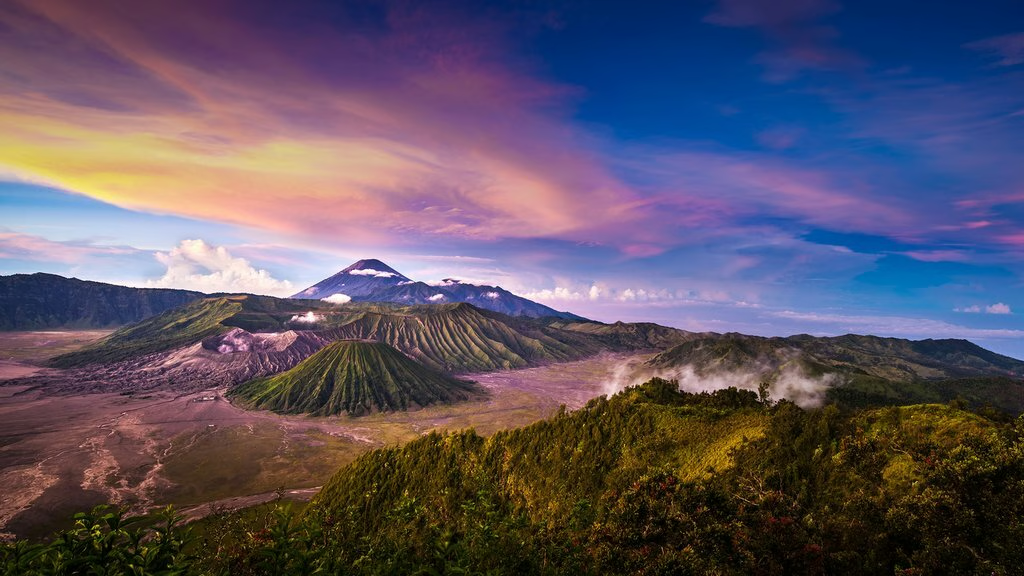
Java is one of the best places to begin understanding Indonesia.
It contains enormous cities, volcanoes, royal traditions, rice landscapes and some of Southeast Asia’s most important monuments.
A classic route could combine:
Yogyakarta → Bromo → East Java
It feels completely different from Bali.
Yogyakarta
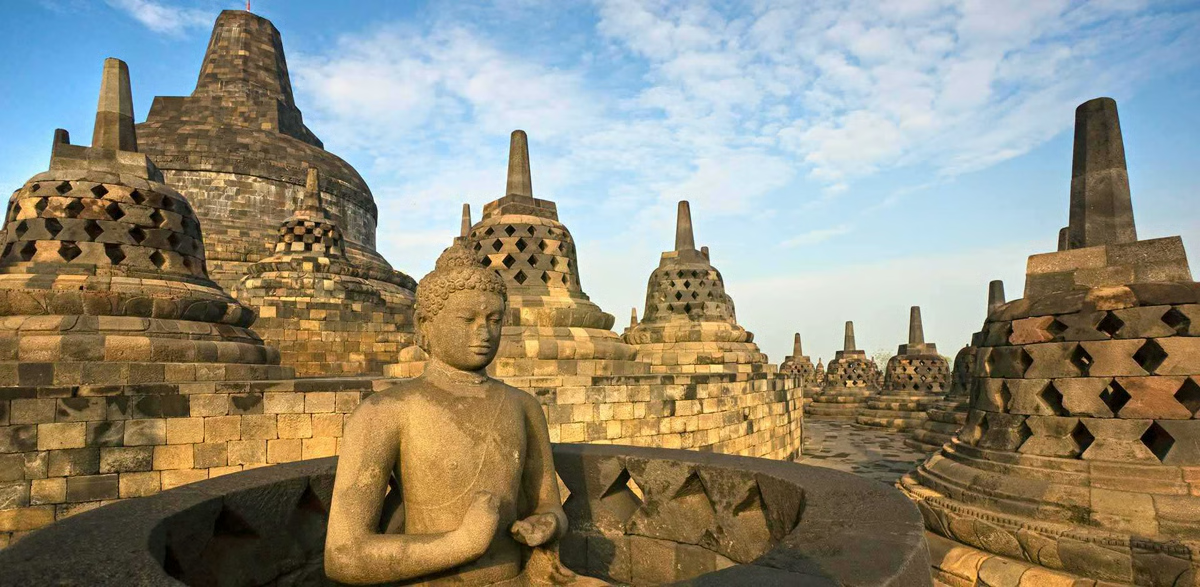
Yogyakarta — often simply called Jogja — is one of Indonesia’s great cultural cities.
It works as a base for:
- Borobudur
- Prambanan
- Javanese culture
- Batik
- Food
- Royal heritage
Give it at least three nights.
Borobudur
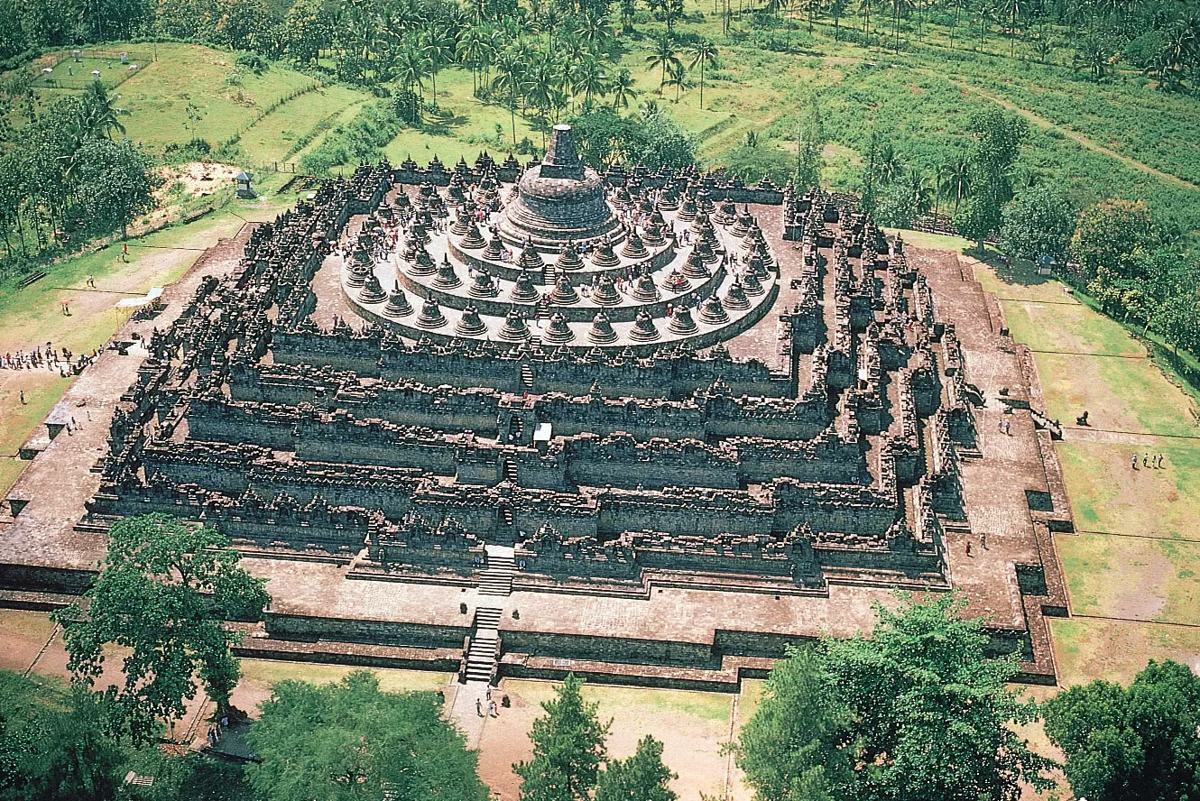
Borobudur is one of Southeast Asia’s great monuments.
The massive Buddhist complex rises above central Java amid volcanic scenery.
Do not experience it only as a quick photo stop.
Its scale and symbolism become much more impressive when you understand how the monument is structured.
Current visitor access arrangements can change, so check official ticket and monument-access rules before travelling.
Prambanan
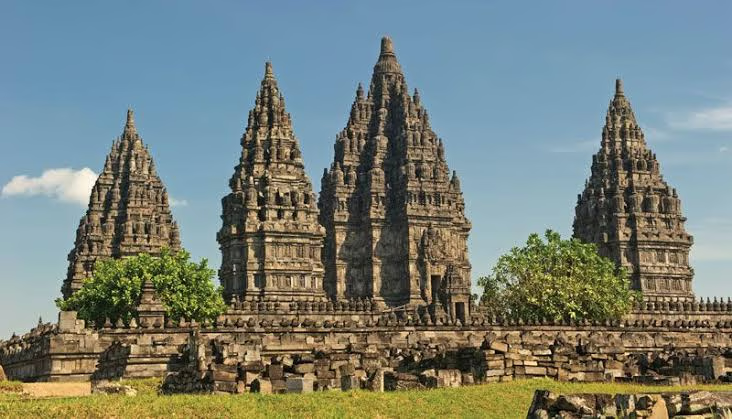
Prambanan is one of Indonesia’s most important Hindu temple complexes.
Its tall central towers create a completely different visual experience from Borobudur.
The two sites complement each other perfectly.
Trying to decide which one is “better” misses the point.
See both.
Atlas Insider Tip
Do not force Borobudur + Prambanan + central Yogyakarta into one frantic day merely because a tour operator says it is possible.
Give the region time.
One great temple experienced properly is better than three historical sites remembered mostly from the back seat of a car.
Yogyakarta Beyond the Temples
The city itself deserves attention.
Explore:
- Malioboro
- Kraton area
- Local markets
- Batik workshops
- Traditional food
Yogyakarta is not just the hotel base between temple excursions.
Mount Bromo
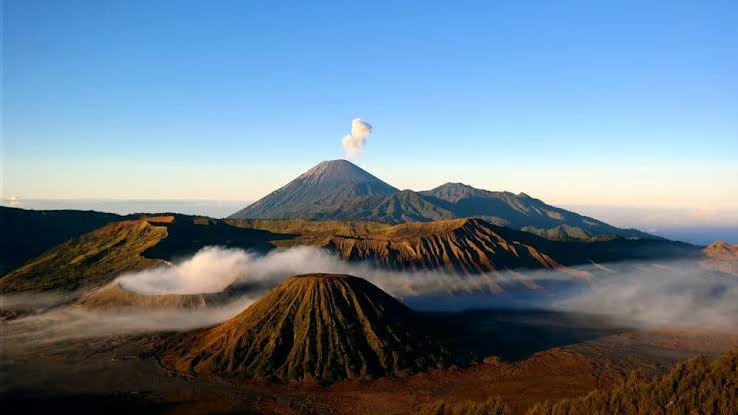
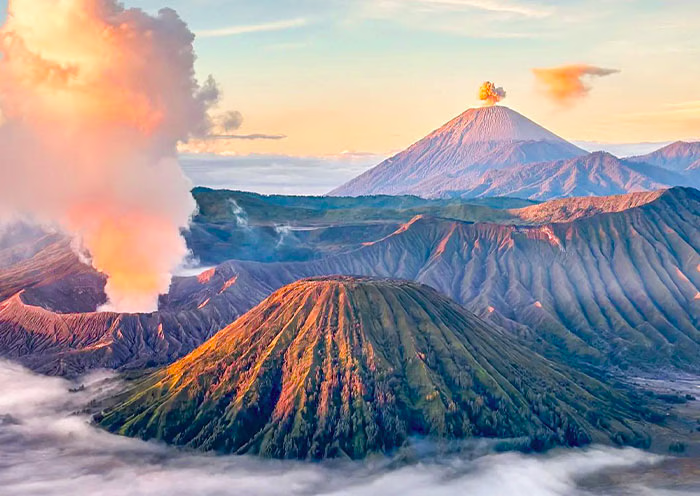
Mount Bromo is one of Indonesia’s most recognisable volcanic landscapes.
The classic experience involves arriving before dawn and watching the volcanic caldera gradually appear as the sky brightens.
Indonesia’s official tourism guidance identifies roughly May to September as a favourable period for clearer Bromo mountain scenery.
But the famous sunrise comes with a reality:
You will not be alone.
Atlas Insider Tip: Bromo Is More Than Sunrise
Everyone concentrates on sunrise.
Stay longer.
Once some visitors leave, explore:
- Sea of Sand
- Volcano viewpoints
- Tengger landscapes
Bromo becomes more interesting when the itinerary does not end at breakfast.
What to Wear at Bromo
Do not assume “Indonesia = hot.”
Before sunrise at altitude, Bromo can feel genuinely cold.
Bring:
- Warm layer
- Jacket
- Long trousers
- Proper shoes
The temperature contrast with coastal Indonesia can be surprising.
East Java
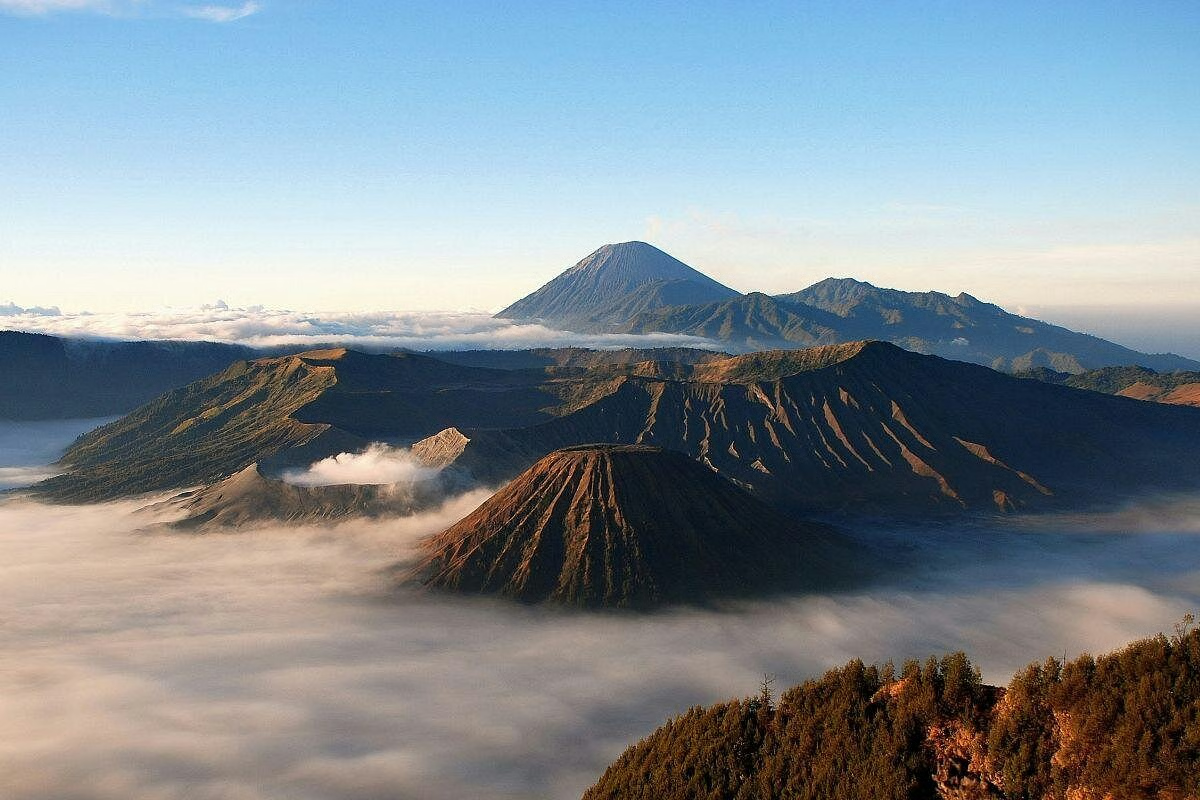
Travellers interested in volcanoes can continue farther east.
East Java offers dramatic landscapes and longer overland routes.
This part of Indonesia works especially well for travellers who enjoy early mornings, hiking and active itineraries.
Lombok
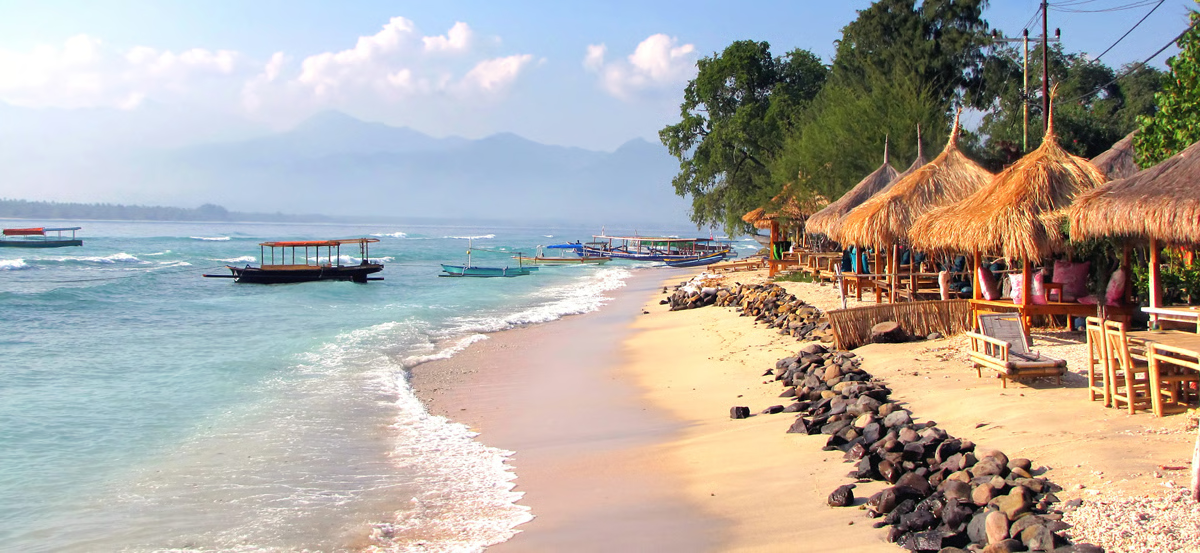
Lombok sits immediately east of Bali.
That makes it easy to dismiss as “Bali but quieter.”
It deserves better.
Lombok has:
- Beaches
- Surf
- Sasak culture
- Mountain landscapes
- Gili Islands
- Mount Rinjani
Official Indonesian tourism guidance suggests roughly April to October as a favourable period for beaches and outdoor travel in Lombok.
Kuta Lombok
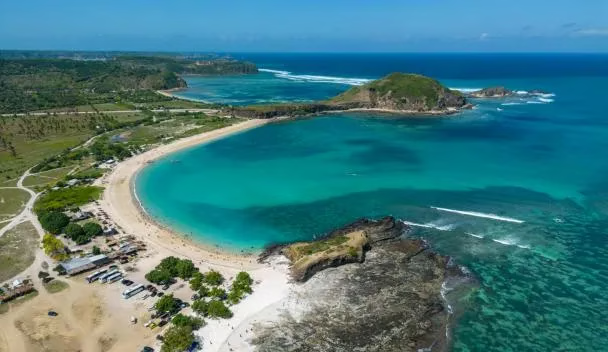
Do not confuse Kuta Lombok with Kuta Bali.
The Lombok version offers access to southern beaches and increasingly developed tourism infrastructure.
Popular nearby areas include:
- Tanjung Aan
- Mandalika
- Coastal viewpoints
It is particularly strong for beach and surf-focused trips.
Gili Islands
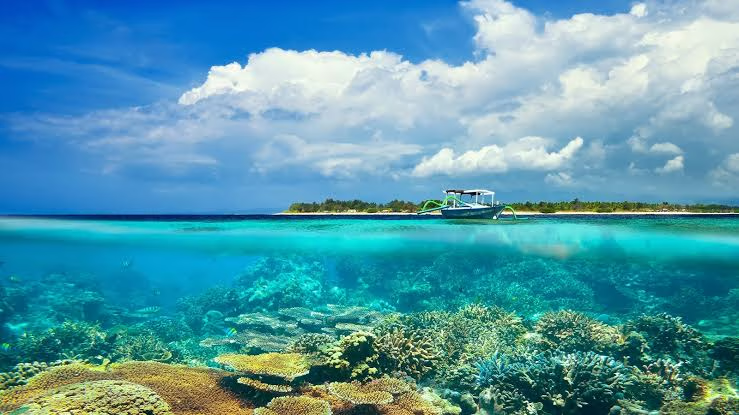
The three famous Gilis are:
- Gili Trawangan
- Gili Air
- Gili Meno
Each has a different personality.
Gili Trawangan
Livelier, more nightlife.
Gili Air
Balanced and relaxed.
Gili Meno
Quieter and more romantic.
Choose based on atmosphere rather than simply booking the most famous island.
Atlas Insider Tip: Pick the Right Gili
A honeymoon couple seeking silence and a backpacker looking for nightlife should not automatically book the same island.
The Gilis are geographically close.
Their atmosphere can be very different.
Mount Rinjani
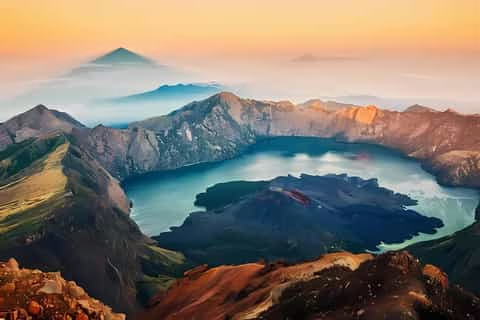
Mount Rinjani dominates Lombok.
For serious hikers, it is one of Indonesia’s major trekking experiences.
But this is not an easy casual climb.
It requires:
- Fitness
- Proper trekking preparation
- Weather awareness
- Current access checks
- Responsible guides
Trail closures and safety restrictions can change due to weather, volcanic conditions or environmental risks.
Check official park information shortly before travelling rather than relying on an old blog post.
Sasak Culture
Lombok is home to the Sasak people.
Travellers can visit traditional villages and learn about:
- Architecture
- Weaving
- Local customs
Approach cultural experiences respectfully.
A village is not an outdoor museum created for visitors.
Flores
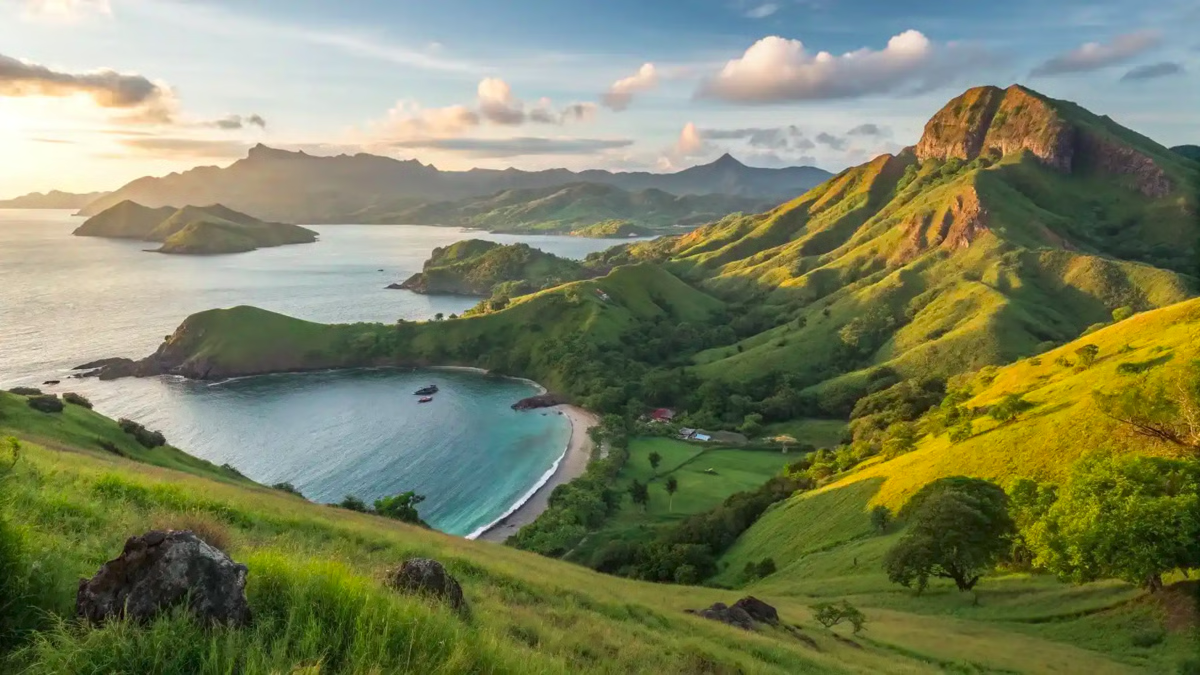
Flores is one of Indonesia’s most interesting islands.
Many travellers know it only because of Labuan Bajo and Komodo.
But Flores itself offers:
- Volcanoes
- Villages
- Mountain roads
- Traditional cultures
- Crater lakes
It rewards travellers with more time.
Labuan Bajo
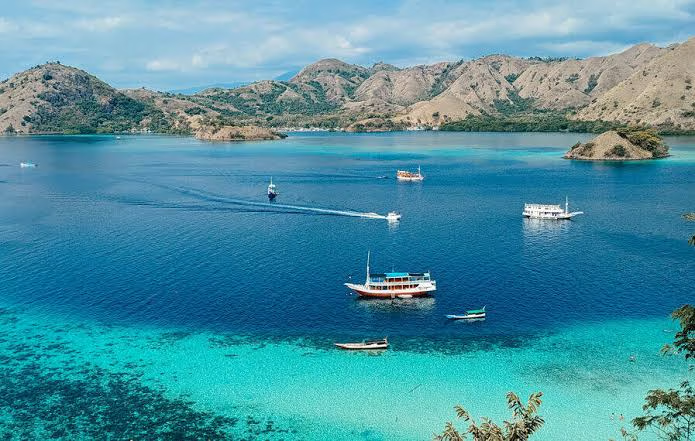
Labuan Bajo is the main gateway to Komodo National Park.
Once a small fishing town, it has developed rapidly into a major tourism hub.
Most travellers use it for:
- Komodo cruises
- Diving
- Snorkelling
- Island hopping
Give yourself buffer time around boat trips because sea conditions matter.
Komodo National Park
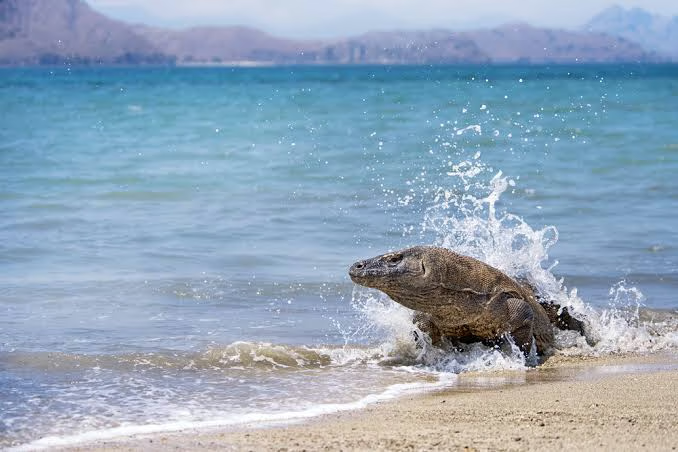
Komodo is one of Indonesia’s most extraordinary destinations.
The park combines:
- Komodo dragons
- Rugged islands
- Reefs
- Pink beaches
- Manta encounters
- Dramatic viewpoints
It is not simply a wildlife park.
It is a marine-and-landscape destination.
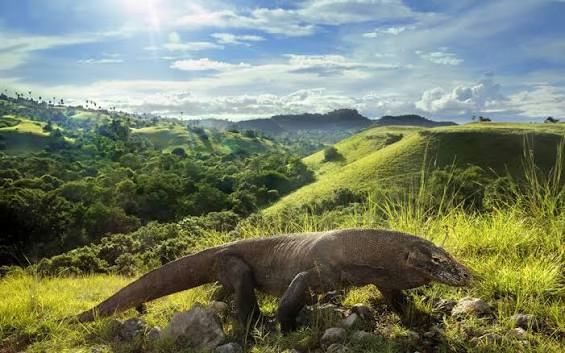
Komodo Dragons
Komodo dragons are the world’s largest living lizards.
They are wild predators.
Never approach them independently.
Follow ranger instructions at all times.
Indonesia’s official tourism guidance explicitly advises visitors not to approach, feed, chase or provoke Komodo dragons.
Important 2026 Komodo Update
From 1 April 2026, Komodo National Park introduced a maximum visitor quota of 1,000 people per day, with advance registration required through the official SIORA reservation system.
This makes advance planning much more important than it used to be.
Do not build an expensive Flores trip around the assumption that you can simply arrive and sort everything out locally.
Best Time for Komodo
Official Indonesian tourism guidance generally highlights April-June and September-November as favourable periods, while wetter conditions can affect sea conditions and boat schedules.
July and August are still popular, but peak demand can be intense.
Padar Island
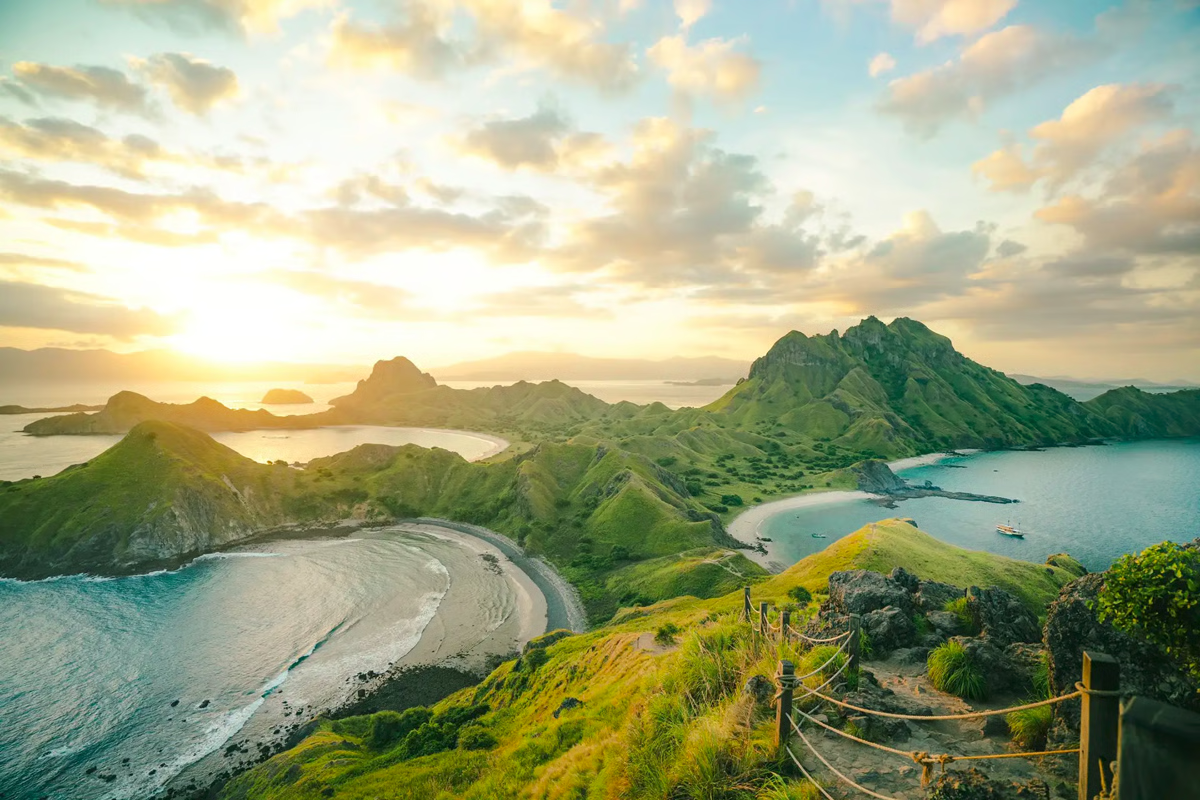
Padar is famous for the viewpoint overlooking its curved bays.
The climb is steep enough to feel substantial in tropical heat.
Start early.
Bring water.
Wear actual footwear.
Flip-flops are not an adventure strategy.
Pink Beach
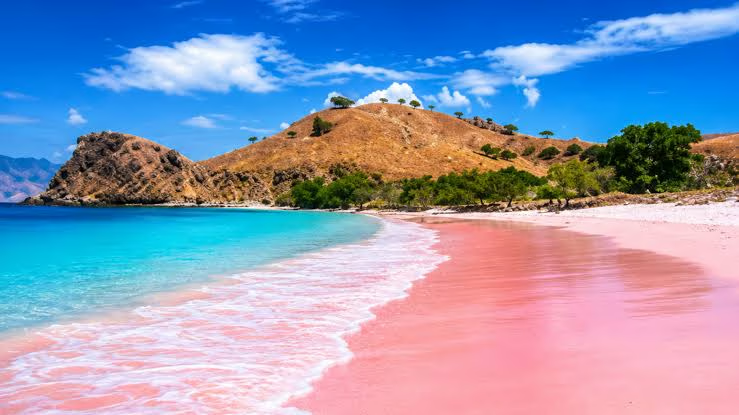
Pink-sand beaches around Komodo are another signature experience.
The colour comes from a mixture of pale sand and red coral fragments.
Enjoy the beach.
But do not remove sand or coral as souvenirs.
Manta Rays
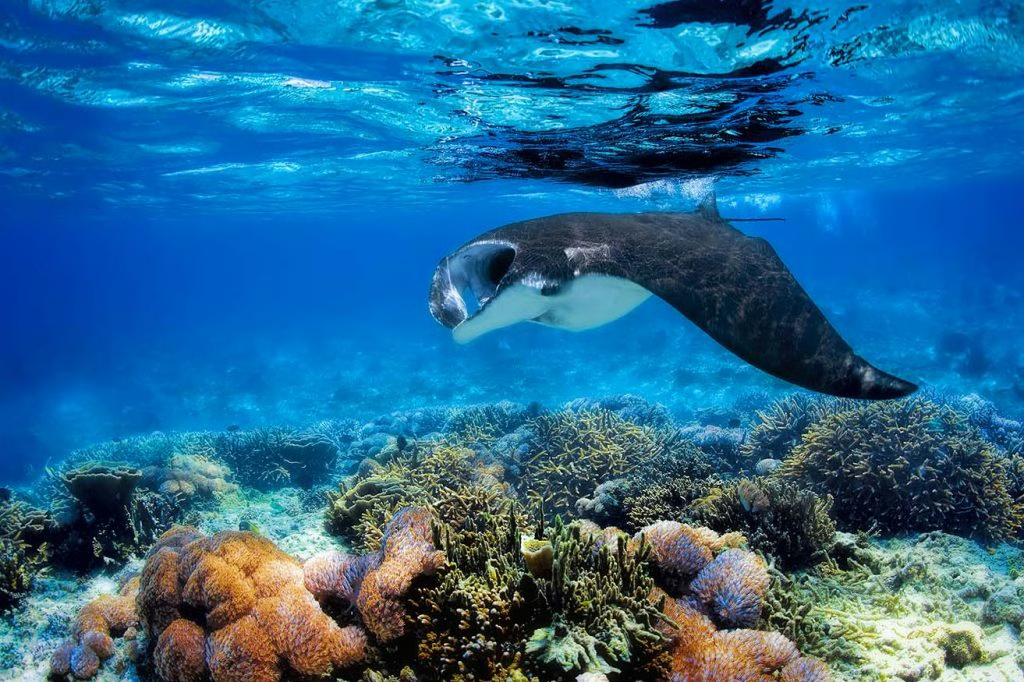
Komodo is also known for manta encounters.
Snorkelling or diving around these animals can be extraordinary.
Choose operators that respect marine wildlife and maintain appropriate distance.
Never chase or touch mantas.
Atlas Insider Tip: Don’t Book Komodo by Boat Aesthetics Alone
Beautiful wooden phinisi boats photograph extremely well.
But before booking, investigate:
- Safety standards
- Crew reputation
- Life-saving equipment
- Cabin ventilation
- Route
- Passenger capacity
- Weather policy
The prettiest boat on Instagram is not necessarily the best boat at sea.
Kelimutu
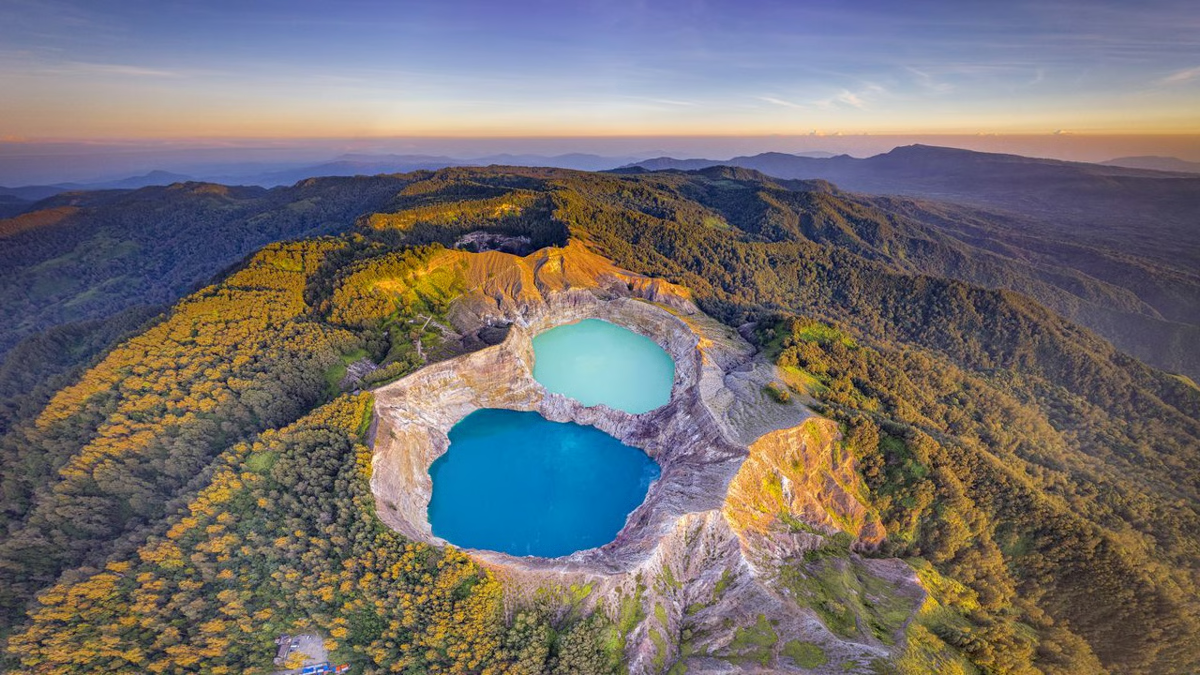
Farther east on Flores, Kelimutu is famous for its volcanic crater lakes.
The landscape feels completely different from Komodo.
Travellers with enough time can build a longer overland Flores journey rather than flying immediately back after Labuan Bajo.
Raja Ampat
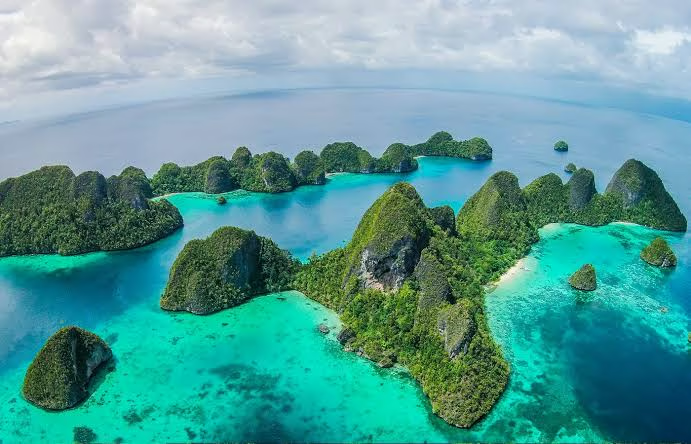
Raja Ampat is Indonesia at its most remote and spectacular.
Located in Southwest Papua, it is known for:
- Limestone islands
- Coral reefs
- Diving
- Snorkelling
- Birdlife
- Papuan communities
Indonesia’s official tourism site highlights October to April as a popular period for marine activities, while conditions can become rougher at other times.
Raja Ampat Is Not a Casual Add-On
This matters.
Raja Ampat is not somewhere you casually attach to a 7-day Bali itinerary.
Getting there often involves travelling through Sorong before continuing by sea.
The distance means it deserves proper time.
How Long Do You Need in Raja Ampat?
At minimum, think in terms of several nights rather than a weekend.
If travelling toward more remote areas such as Misool, allow significantly more time because sea journeys can be substantial. Indonesia’s official guidance specifically recommends deciding which part of Raja Ampat you want to explore before building the itinerary.
Piaynemo
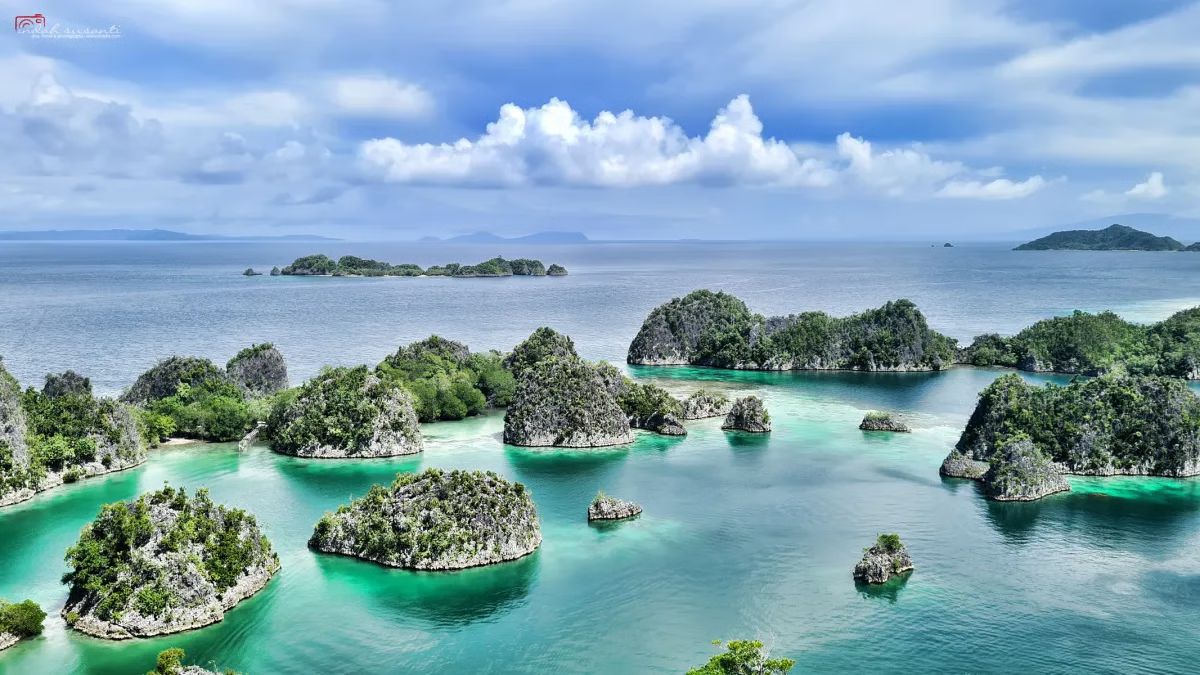
Piaynemo offers the classic Raja Ampat viewpoint:
Small limestone islands scattered across turquoise water.
It is one of Indonesia’s great landscape photographs.
But the surrounding marine environment is far more important than the viewpoint alone.
Diving in Raja Ampat
For divers, Raja Ampat is one of the world’s great destinations.
The region sits within the Coral Triangle and is internationally recognised for extraordinary marine biodiversity.
Even non-divers can enjoy:
- Snorkelling
- Island hopping
- Birdwatching
- Village experiences
Responsible Raja Ampat Travel
Remote beauty is fragile.
Visitors should:
- Never touch coral
- Avoid reef-damaging activities
- Minimise plastic waste
- Respect village communities
- Use responsible operators
- Follow conservation requirements
Official Indonesian tourism guidance specifically reminds snorkellers and divers to avoid touching coral and to check current conservation requirements.
Sumatra
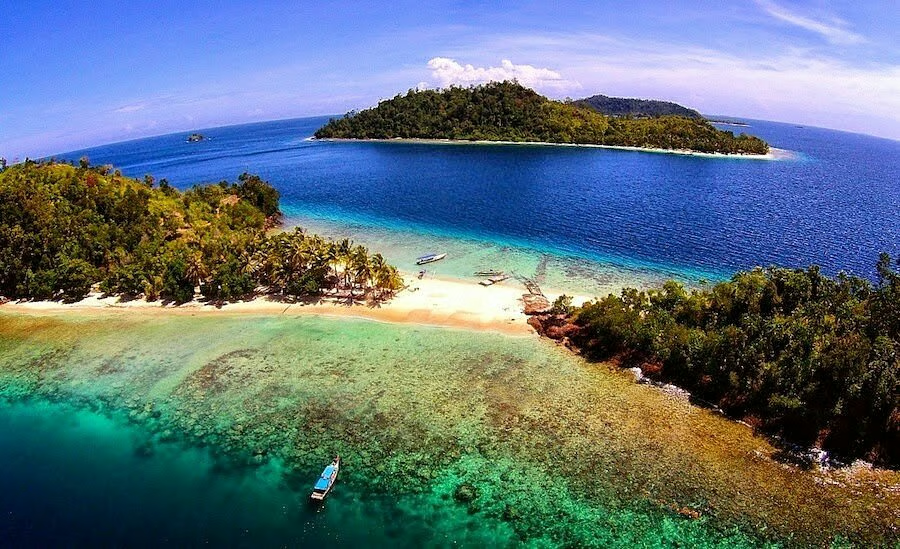
Indonesia beyond Bali also means Sumatra.
This massive island offers:
- Rainforest
- Volcanoes
- Lake Toba
- Orangutans
- Distinct regional cultures
For wildlife travellers, northern Sumatra can become an entirely separate journey.
Orangutans
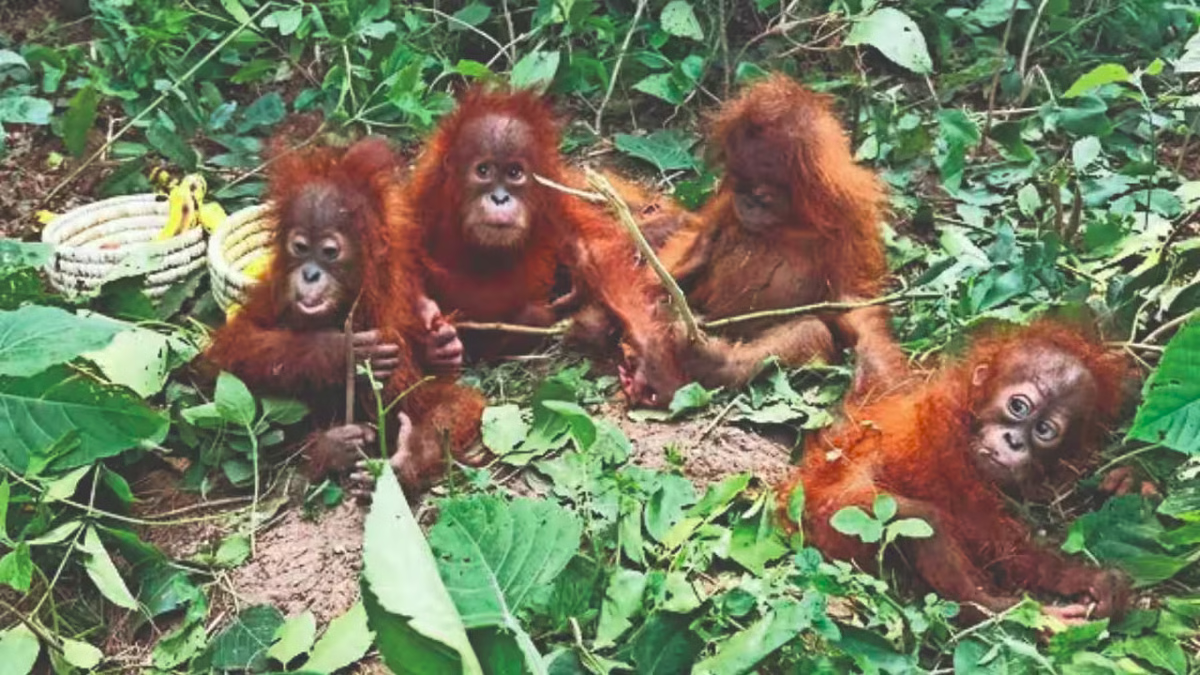
Indonesia is one of the few places on Earth where travellers can experience orangutan habitats in the wild.
Popular regions include parts of:
- Sumatra
- Kalimantan
Wildlife tourism needs to be handled carefully.
Do not support experiences involving inappropriate touching, feeding or staged interactions.
Kalimantan
Indonesian Borneo offers another wildlife-focused route.
River journeys and rainforest areas can provide opportunities to see orangutans in a completely different setting from Java or Nusa Tenggara.
This is an Indonesia trip for travellers who prioritise ecosystems over beaches.
Sulawesi
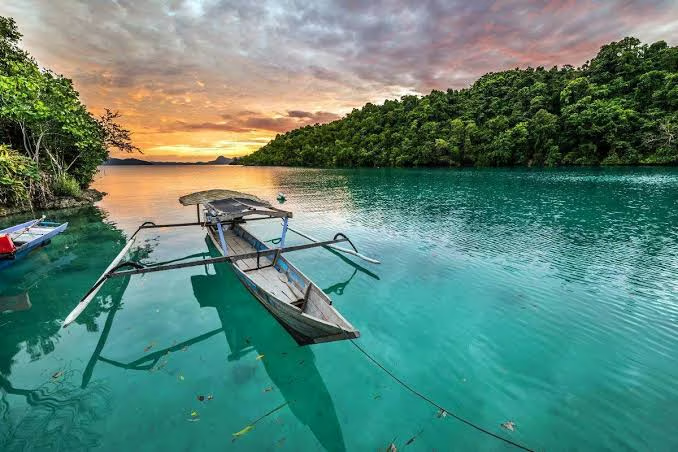
Sulawesi is another vast chapter.
Travellers come for:
- Diving
- Tana Toraja
- Distinctive cultures
- Marine life
It is best treated as a dedicated trip rather than squeezed between Bali and Komodo.
Indonesia for Couples
Indonesia can build an extraordinary couples’ journey beyond Bali.
Consider:
Yogyakarta → Lombok → Komodo
You get:
- Culture
- Beaches
- Volcano landscapes
- Wildlife
- Boat travel
without repeating the same experience.
Indonesia for Honeymooners
A more unusual honeymoon might combine:
Bali → Lombok → Komodo
or, for a major once-in-a-lifetime trip:
Java → Bali → Raja Ampat
This suits couples who want adventure alongside luxury.
Indonesia for Families
Indonesia can work well for families, but choose the route carefully.
Good options include:
- Yogyakarta
- Lombok
- Selected island resorts
Long boat trips, high-altitude volcano excursions and remote destinations require more planning with younger children.
What Should You Eat Beyond Bali?
Indonesian food varies enormously between islands.
There is no single Indonesian cuisine.
Gudeg
A Yogyakarta speciality made from young jackfruit cooked slowly with spices and coconut.
An excellent option for understanding Javanese flavours.
Rawon
A dark East Javanese beef soup traditionally flavoured with keluak.
Soto
A broad family of soups found in many regional variations across Indonesia.
Rendang
Most strongly associated with West Sumatra.
Rich, slow-cooked and deeply spiced.
Satay
Satay exists in numerous regional versions.
The style changes as you travel.
Vegetarian Travel in Indonesia
Vegetarian travel can be easy, but communication matters.
Useful dishes can include:
- Gado-gado
- Tempeh
- Tofu
- Vegetable curries
- Nasi goreng without meat
- Gudeg
However, sauces may contain:
- Shrimp paste
- Fish sauce
- Meat stock
Confirm ingredients if you are strict vegetarian or vegan.
Getting Around Indonesia
Indonesia’s geography is the main logistical challenge.
You may need combinations of:
- Flights
- Trains
- Ferries
- Speedboats
- Cars
Official tourism guidance specifically recommends accounting for inter-island transport times rather than overloading itineraries.
This is crucial.
Atlas Insider Tip: Never Measure Indonesia by Map Distance
Two islands can look close.
That does not mean travelling between them is quick.
Flights may connect through another city.
Boats depend on weather.
Road travel can be slow.
Build Indonesia around transport reality, not the visual distance between pins on Google Maps.
Java by Train
Java is one of the easiest parts of Indonesia to travel overland.
Trains can connect major cities efficiently.
A rail-based route can be far more enjoyable than constantly flying.
Island Flights
For longer jumps — such as Java to Flores or western Indonesia to Papua — flying becomes essential.
Keep some itinerary flexibility around remote connections.
How Many Days Do You Need?
5 to 7 Days
Choose one region beyond Bali
8 to 10 Days
Java or Lombok + Komodo
12 to 14 Days
Excellent for a multi-region first trip
3 Weeks
Strong for Java + Bali/Lombok + Flores
Raja Ampat Trip
Give it dedicated time rather than squeezing it into another itinerary
Indonesia rewards slow travel.
A Good First-Time Indonesia Beyond Bali Route
For a strong first journey:
Yogyakarta → Mount Bromo → Lombok → Labuan Bajo/Komodo
This gives you:
- Culture
- Temples
- Volcanoes
- Beaches
- Wildlife
- Island landscapes
without trying to cross the whole archipelago.
A 10-Day Route
A simpler route:
Yogyakarta – 3 nights
Lombok – 3 nights
Labuan Bajo/Komodo – 4 nights
This is much more enjoyable than collecting five islands.
Indonesia Beyond Bali vs Thailand
Choose Indonesia for:
- Volcanoes
- Komodo
- Huge island diversity
- Strong regional cultural differences
- Diving
Choose Thailand for:
- Easier logistics
- Established beach circuits
- Bangkok
- Simple first-time island travel
Indonesia rewards travellers willing to work slightly harder for the journey.
Indonesia Beyond Bali vs Philippines
Choose Indonesia for:
- Culture
- Volcanoes
- Wildlife
- Historic temples
- Greater land diversity
Choose the Philippines for:
- Island beaches
- Lagoons
- Tropical marine scenery
Both are enormous archipelagos.
Neither should be rushed.
Bali vs Lombok
Choose Bali for:
- Cafés
- Temples
- Villas
- Wellness
- Larger tourism infrastructure
Choose Lombok for:
- Quieter beaches
- Rinjani
- Sasak culture
- Simpler island atmosphere
The smartest answer may be to combine them.
Travel Tips Before You Go
- Use May to September for an easy first multi-region itinerary.
- Plan Raja Ampat separately around its marine season.
- Do not underestimate inter-island travel.
- Book Komodo access in advance under current 2026 visitor rules.
- Check volcanic and trekking conditions before mountain trips.
- Use reputable boat operators.
- Stay with rangers around Komodo dragons.
- Build weather buffers around island journeys.
- Choose fewer islands and experience them properly.
- Verify current visa, park, conservation and local-access rules before departure.
Quick Summary
| Travel Goal | Best Time |
|---|---|
| Overall First Trip | May-September |
| Java | May-September |
| Yogyakarta | May-September |
| Mount Bromo | May-September |
| Lombok | May-October |
| Komodo | April-June, September-November |
| Flores | April-October |
| Raja Ampat | October-April |
Frequently Asked Questions
What is the best month to visit Indonesia beyond Bali?
For a trip combining Java, Lombok and Komodo, May, June and September are particularly strong choices.
Is Indonesia worth visiting beyond Bali?
Absolutely. Java, Komodo, Lombok, Flores, Raja Ampat, Sumatra and Sulawesi offer completely different landscapes and cultures.
How many days do you need?
Around 12 to 14 days works well for two or three regions beyond Bali. Trying to see the entire country in one trip is unrealistic.
Lombok or Bali?
Choose Bali for stronger tourism infrastructure, cafés, temples and villas.
Choose Lombok for quieter beaches, Rinjani and a different cultural atmosphere.
Is Komodo worth visiting?
Yes. The combination of wildlife, marine scenery, Padar and island landscapes makes it one of Indonesia’s most distinctive destinations.
Do I need to book Komodo in advance?
Under the current 2026 system, Komodo National Park has a daily visitor quota and requires advance registration, making early planning important.
Is Raja Ampat only for divers?
No. Divers will find extraordinary underwater experiences, but non-divers can enjoy snorkelling, island hopping, viewpoints, birdlife and community visits.
Continue Exploring on Mindflix Atlas
- Best Time to Visit Bali
- Best Time to Visit Thailand
- Best Time to Visit Philippines
- Best Time to Visit Malaysia
- Best Time to Visit Singapore
- 50 International Destinations Every Indian Traveller Should Experience at Least Once
- Indonesia Travel Guide (Coming Soon)
- Java Travel Guide (Coming Soon)
- Komodo National Park Guide (Coming Soon)
- Lombok Travel Guide (Coming Soon)
- Raja Ampat Travel Guide (Coming Soon)
- The Perfect 14-Day Indonesia Itinerary (Coming Soon)
- Bali vs Lombok (Coming Soon)
Indonesia becomes much more interesting the moment Bali stops being the finish line.
Take a train across Java.
Wake before sunrise beneath a volcano.
Spend a few days on Lombok.
Sail out of Labuan Bajo.
Watch a Komodo dragon cross the trail.
Then, someday, keep going east until the islands of Raja Ampat rise from impossibly clear water.
That is when the scale of Indonesia finally starts making sense.
You are not travelling through one destination.
You are travelling through an archipelago where every few hundred kilometres can change the language, landscape, food and entire rhythm of the journey.
And that is exactly why one Indonesia trip is rarely enough.
Mindflix Atlas helps you understand the destination before you book it, so you can travel smarter and experience more.
Related destination guides
Keep planning with more Mindflix Atlas weather, season and month-by-month guides.


Best Time to Visit Taiwan: Taipei, Night Markets, Mountains & Month-by-Month Guide (2026)
Taiwan is one of Asia’s most underrated first time destinations.
Read guide

Best Time to Visit Mexico: Mexico City, Cancún, Riviera Maya & Month-by-Month Guide (2026)
Mexico is too diverse for one simple weather answer.
Read guide

Best Time to Visit Costa Rica: Rainforests, Volcanoes, Beaches & Month-by-Month Guide (2026)
Costa Rica is one of those destinations where the weather forecast never tells the whole story.
Read guide

Best Time to Visit Ecuador: Galápagos, Quito, Andes & Month-by-Month Guide (2026)
Ecuador is a small country with an unusually large number of travel personalities.
Read guide

Best Time to Visit Peru: Machu Picchu, Cusco & Month-by-Month Guide (2026)
Peru is one of those destinations where geography controls almost everything.
Read guide

Best Time to Visit Chile | Atacama, Patagonia & Month-by-Month Guide
Chile is one of the strangest countries on the map.
Read guide