
Best Time to Visit Laos: Luang Prabang, Mekong, Waterfalls & Month-by-Month Guide (2026)
Jay Vora
Founder & CEO
Best Time to Visit Laos
Laos is not the Southeast Asian country you visit for frantic sightseeing.
It is not built around huge cities.
It does not try to compete with Thailand for beaches or Vietnam for urban energy.
Its appeal is quieter.
Monks move through Luang Prabang before sunrise.
The Mekong drifts past old houses and temple roofs.
Waterfalls cut through jungle.
Mountain roads connect small towns.
And in many places, the best thing to do is simply stay longer than you originally planned.
For most first-time travellers, November to February is the easiest time to visit Laos.
The weather is generally drier and cooler, making temple visits, road travel and outdoor exploration more comfortable.
March and April become much hotter.
The rainy season brings greener landscapes but also heavier showers and more unpredictable rural travel.
Understanding Laos’s Seasons
Laos has a tropical monsoon climate.
Broadly, travellers should think in terms of:
- Cooler dry season: November to February
- Hot dry season: March to April
- Rainy season: May to October
Conditions vary by altitude.
Northern mountain regions can feel surprisingly cool in winter.
Lowland areas stay warm.
Cooler Dry Season: November to February
This is the easiest period for most travellers.
Expect:
- Lower humidity
- Cooler mornings
- Better road conditions
- Comfortable sightseeing
- Strong demand in Luang Prabang
It is excellent for:
- Luang Prabang
- Vang Vieng
- Mekong travel
- Hiking
- First-time itineraries
January is especially pleasant.
Hot Season: March to April
Temperatures rise sharply.
Afternoons can become exhausting.
This period can still work, but sightseeing should be structured around:
- Early mornings
- Long midday breaks
- Evenings
April also includes Lao New Year celebrations, which can significantly change the atmosphere and travel patterns.
Rainy Season: May to October
The green season transforms Laos.
Mountains become lush.
Waterfalls become more dramatic.
Rice fields turn intensely green.
The trade-off is rain.
Travel can become slower, especially in more remote areas.
But travellers who do not mind weather flexibility may find this the country at its most beautiful.
Laos Month by Month
January
One of the best months overall.
Cooler temperatures make Luang Prabang and northern travel especially pleasant.
Best for: First-time trips, temples and mountain travel.
February
Still excellent.
Conditions remain generally dry and comfortable.
March
Heat begins increasing.
Northern landscapes can sometimes become hazier during the late dry season.
April
Very hot.
Lao New Year brings major celebrations and water festivities.
Expect disrupted schedules and a very different travel atmosphere.
May
The rainy season begins building.
Landscapes become greener.
Visitor numbers generally reduce.
June
Warm, humid and increasingly wet.
Waterfalls improve significantly.
July
Rainy but lush.
A good month for travellers who value green landscapes over perfect weather.
August
One of the wetter periods.
Rural travel may require more time and patience.
September
Still wet.
The countryside can look spectacular.
October
A strong transition month.
Rain begins easing and landscapes remain green.
This can be an excellent shoulder-season choice.
November
One of Laos’s best months.
Dry conditions return while the country still retains some green-season freshness.
December
Peak travel season begins.
Cool mornings and pleasant afternoons make this a favourite month.
Best Time Based on Your Travel Style
First-Time Visit
November-February
Luang Prabang
November-February
Kuang Si Falls
October-February for comfortable travel, green season for stronger water flow
Vang Vieng
November-February
Mekong Journeys
November-February
Hiking
November-February
Green Landscapes
June-October
Fewer Crowds
May-October
Luang Prabang
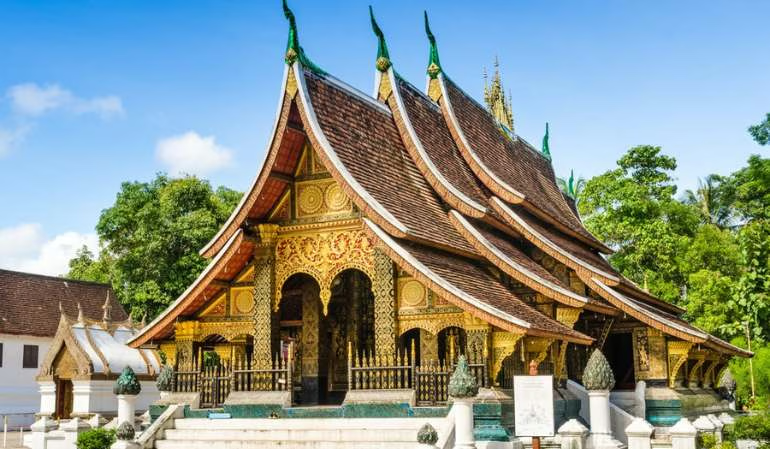
Luang Prabang is one of Southeast Asia’s most atmospheric small cities.
It sits between the Mekong and Nam Khan rivers and combines:
- Buddhist temples
- French colonial architecture
- Markets
- Cafés
- Mountain scenery
- Slow river life
Three nights is the minimum.
Four or five is better.
Why Luang Prabang Works So Well
Nothing here needs to be rushed.
You can:
- Visit a temple
- Have coffee
- Walk beside the river
- Eat lunch slowly
- Visit a waterfall
- Return for sunset
The pace is part of the destination.
Mount Phousi
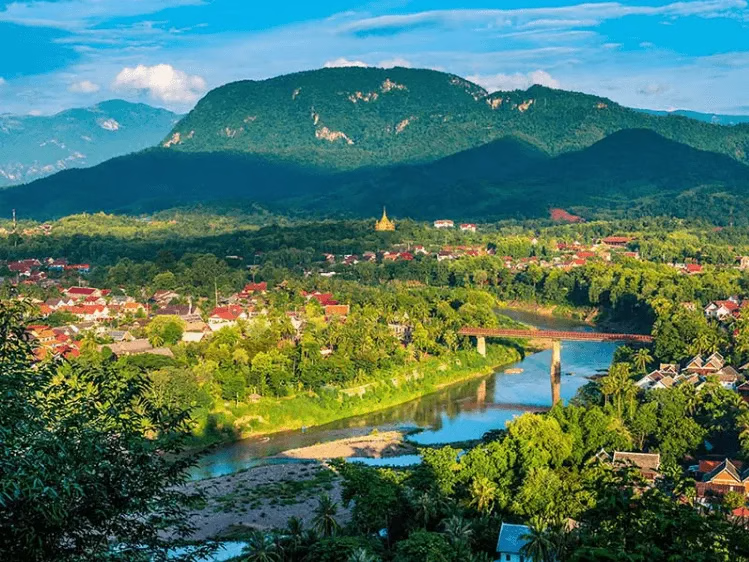
Mount Phousi rises in the centre of Luang Prabang.
The climb is manageable but involves plenty of steps.
The summit is famous for sunset views.
It can also become very crowded.
Atlas Insider Tip
Do not assume sunset is the only reason to climb Mount Phousi.
Go earlier or in the morning if you want more space.
A less famous view experienced calmly can be far better than a crowded “perfect sunset.”
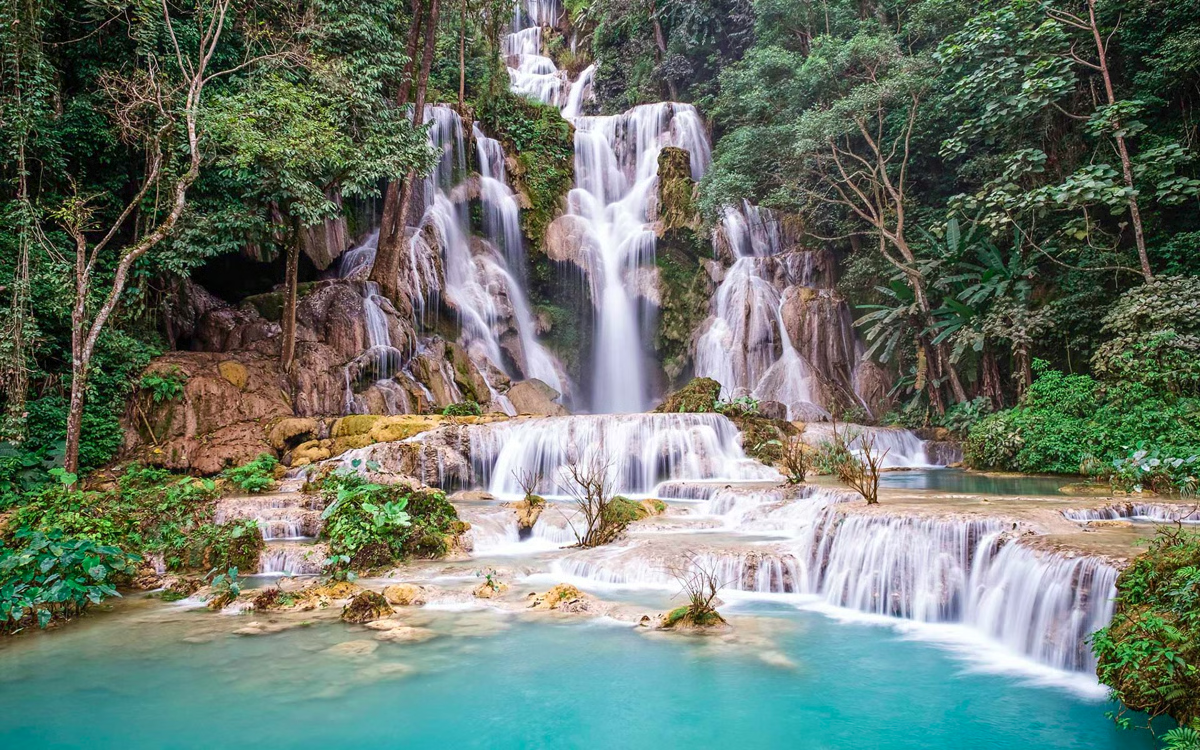
Kuang Si Falls
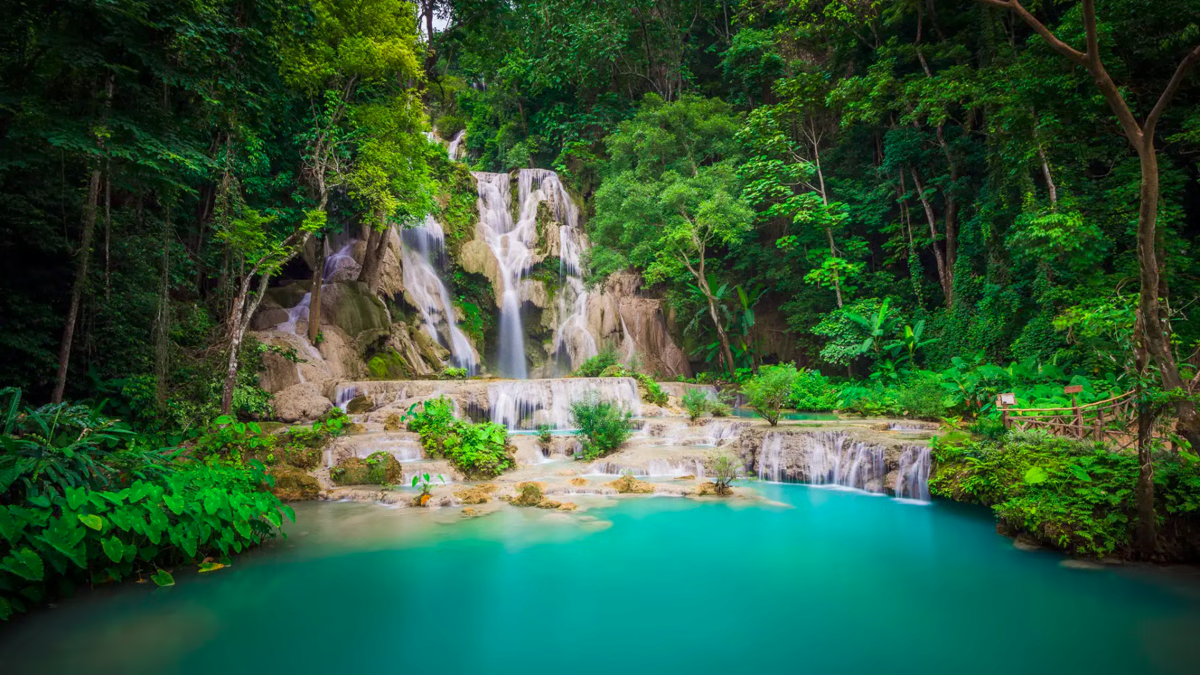
Kuang Si is one of Laos’s most famous natural attractions.
The waterfall cascades through multiple turquoise pools surrounded by forest.
It is one of those places that actually deserves the photographs you have seen.
Go early.
Atlas Insider Tip: Kuang Si Before the Tour Vans
Leave Luang Prabang early enough to arrive near opening time.
Later in the day, the main pools can become extremely busy.
Morning gives you:
- Cooler temperatures
- Quieter paths
- Better photography
- More time
without turning the experience into a crowd-management exercise.
Kuang Si in Different Seasons
Water volume changes through the year.
During and after the rainy season, the falls can become especially powerful.
In drier periods, conditions may be calmer and swimming easier in designated areas.
Always follow local safety guidance.
Alms Giving in Luang Prabang
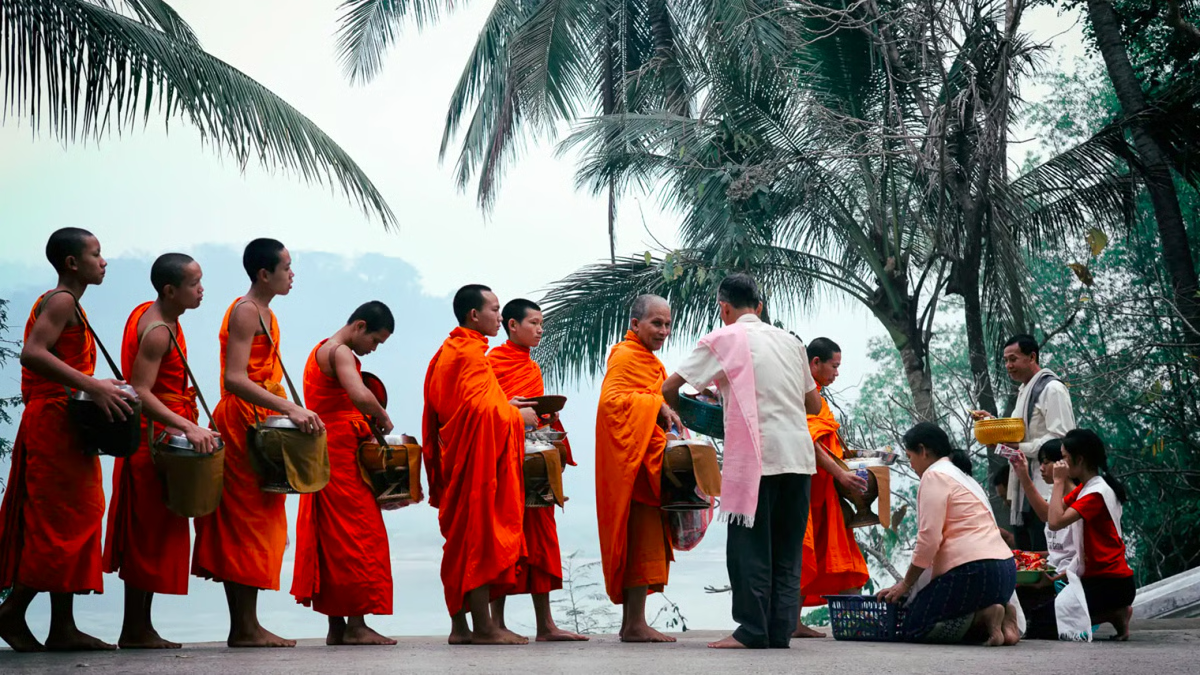
The morning alms-giving ceremony is one of Luang Prabang’s most photographed traditions.
It is also a living religious practice.
That distinction matters.
Visitors should:
- Keep respectful distance
- Avoid flash photography
- Dress appropriately
- Avoid blocking monks
- Participate only if they understand the etiquette
Do not turn a spiritual ritual into a staged photo shoot.
Atlas Insider Tip: Watching Can Be More Respectful Than Participating
You do not need to buy rice and join the alms line to have a meaningful experience.
Standing quietly at a respectful distance can sometimes be the better choice.
Travel does not require inserting yourself into every tradition you encounter.
Luang Prabang Night Market
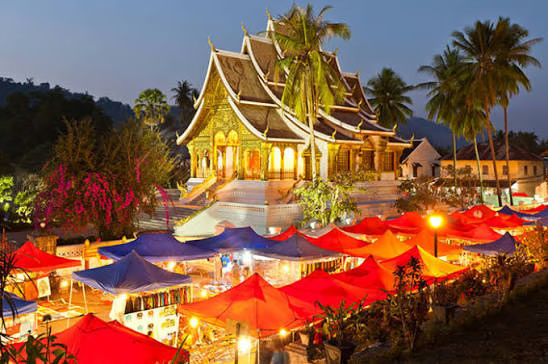
The night market is a relaxed place to explore:
- Textiles
- Handicrafts
- Local food
- Souvenirs
It is much calmer than many Southeast Asian night markets.
That suits Luang Prabang perfectly.
Mekong River
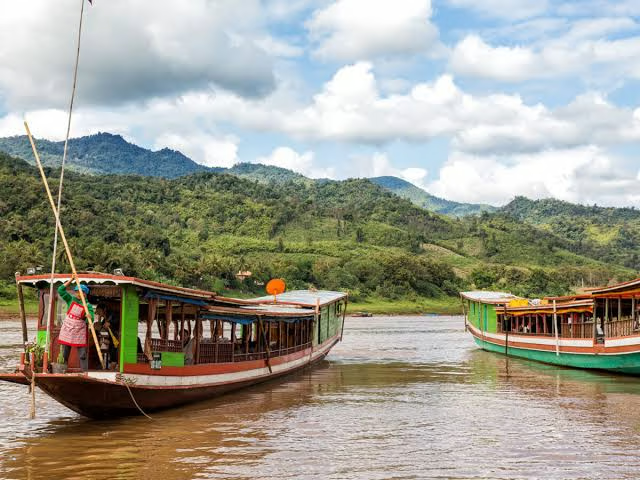
The Mekong is central to the rhythm of Laos.
It shapes:
- Trade
- Villages
- Transport
- Agriculture
- Daily life
A river journey offers a completely different perspective from travelling by road.
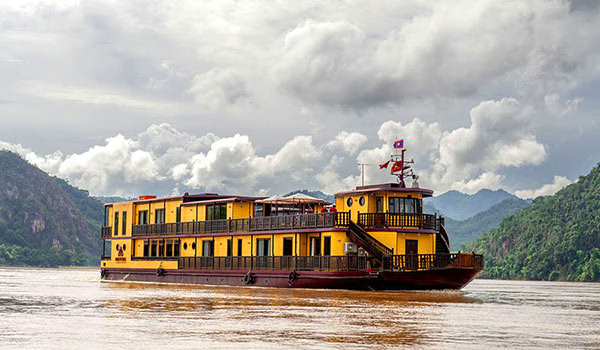
Slow Boats on the Mekong
One of the classic Laos experiences is the multi-day slow-boat journey linking northern Laos with the Thai border region.
This is not luxurious.
It is slow.
That is the point.
Travellers should expect:
- Long hours
- Basic seating depending on vessel
- River landscapes
- Village stops
For some people, it becomes a highlight.
For others, it feels too slow.
Know your travel style.
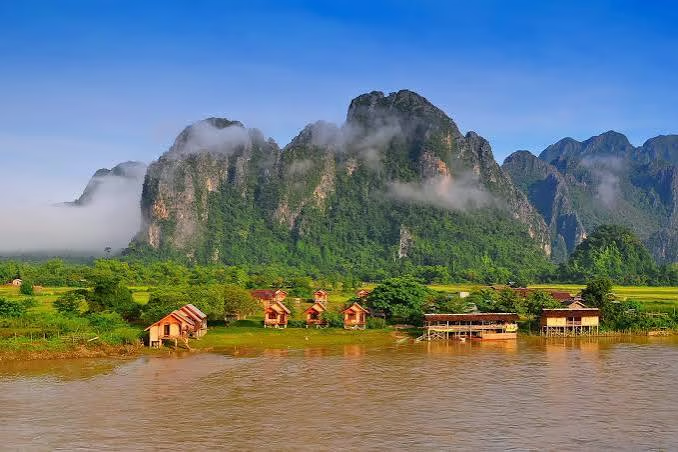
Vang Vieng
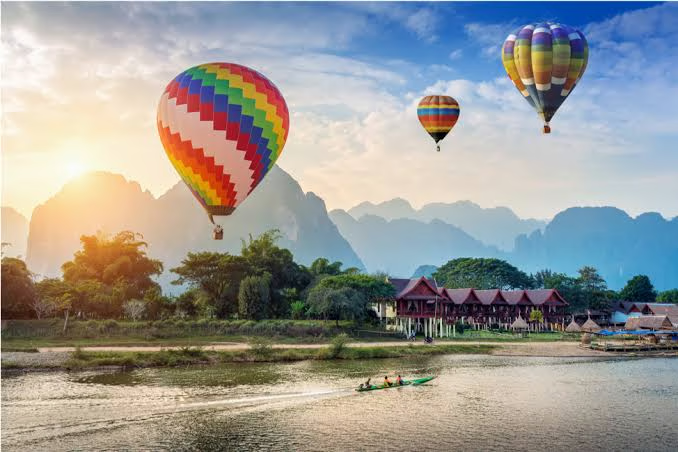
Vang Vieng has changed considerably from its old backpacker-party reputation.
Today, the landscape is the main reason to go.
Expect:
- Limestone mountains
- Lagoons
- Caves
- Kayaking
- Hot-air balloons
- Scenic viewpoints
Two to three nights works well.
The New Vang Vieng
Modern Vang Vieng can be experienced as:
- Adventure destination
- Scenic stop
- Couples’ retreat
- Backpacker town
You decide which version you want.
The landscape is strong enough that you do not need nightlife to enjoy it.
Viewpoints in Vang Vieng
Several hikes lead to dramatic limestone views.
These can be steep.
Wear proper footwear.
Heat makes the climbs much harder.
Start early.
Blue Lagoons
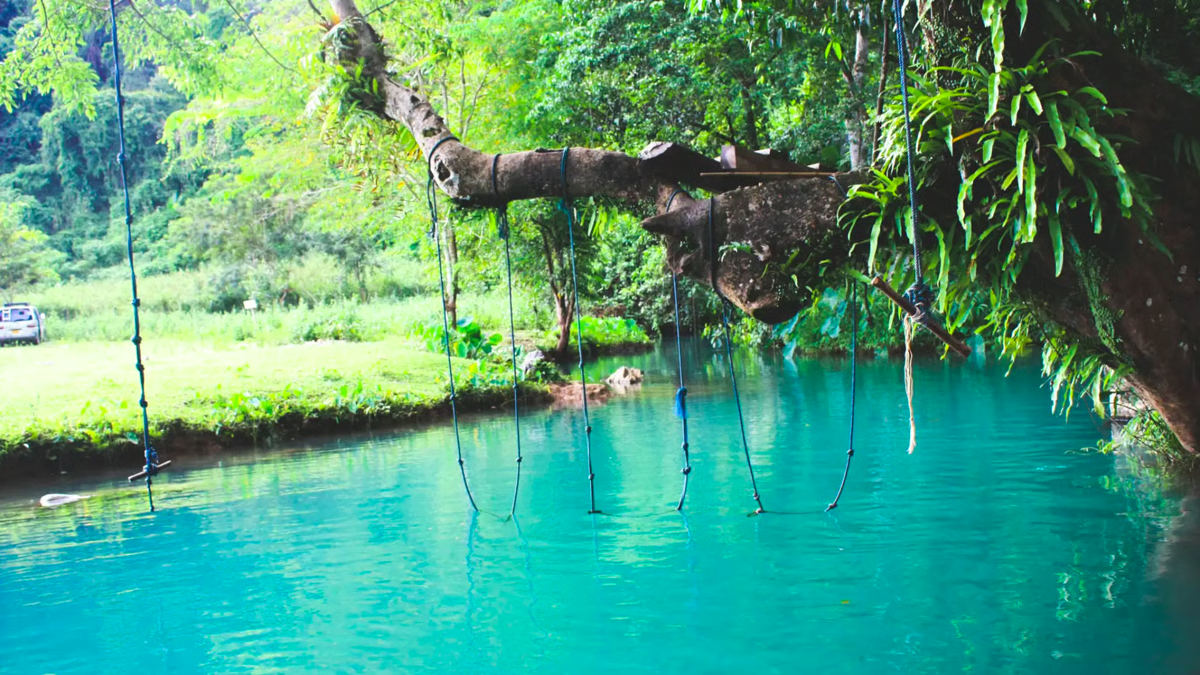
Vang Vieng is famous for its swimming lagoons.
Some are highly developed and busy.
Others feel quieter.
Do not assume “Blue Lagoon 1” is automatically the best.
Ask locally which option suits your day.
Atlas Insider Tip: Choose One Viewpoint and One Lagoon
Trying to visit every numbered lagoon and every viewpoint turns Vang Vieng into a checklist.
Pick fewer.
Stay longer.
The scenery deserves more than ten-minute stops.
Laos-China Railway
One of the biggest changes in Laos travel has been the railway connecting major destinations such as:
- Vientiane
- Vang Vieng
- Luang Prabang
This has made overland travel between these places far faster than it once was.
For travellers who remember old Laos itineraries built around long bus journeys, the country now feels very different.
Atlas Insider Tip: The Train Changed the Classic Laos Route
A first-time itinerary no longer needs to spend entire days moving between Vientiane, Vang Vieng and Luang Prabang.
That means you can spend more time experiencing places rather than simply reaching them.
Still, check current ticketing and station procedures before travel.
Vientiane
Vientiane is one of Southeast Asia’s quietest capitals.
It does not have the scale of Bangkok or Hanoi.
That is exactly its character.
Highlights include:
- Pha That Luang
- Patuxai
- Wat Si Saket
- Mekong riverfront
One or two nights is enough for most first-time travellers.
Pha That Luang
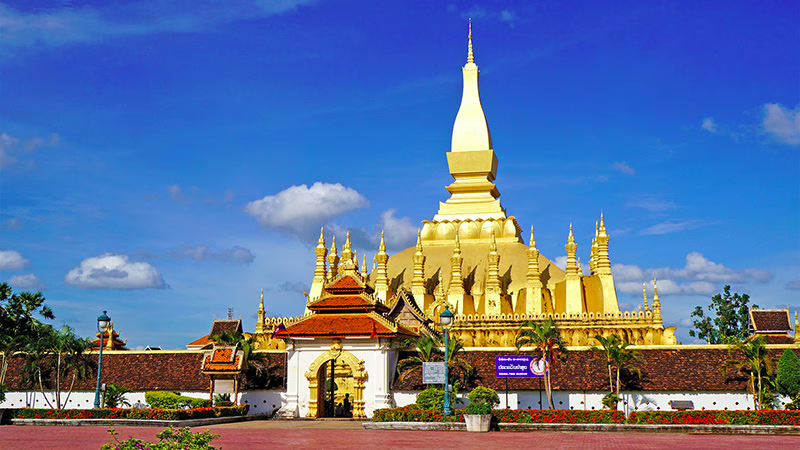
Pha That Luang is one of Laos’s most important national and religious monuments.
Its golden stupa is one of Vientiane’s defining landmarks.
Visit respectfully.
Patuxai
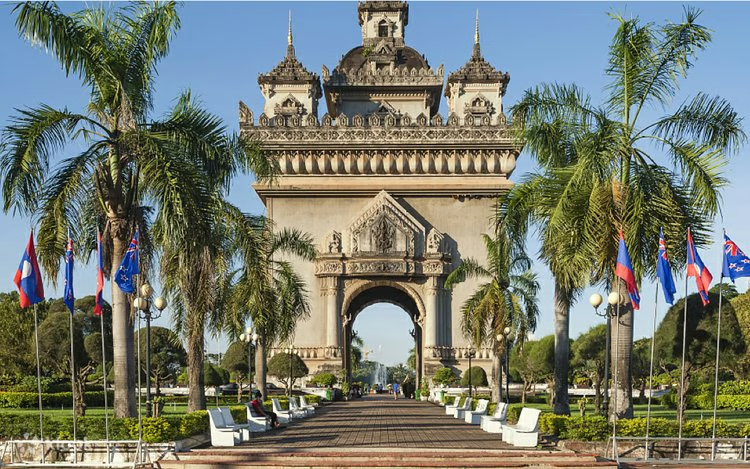
Patuxai is Vientiane’s monumental arch.
It is often compared visually with Paris’s Arc de Triomphe, but its Lao architectural elements give it a distinct identity.
Vientiane by the Mekong
The riverside becomes particularly pleasant in the evening.
This is where Vientiane makes sense.
Not as a city of blockbuster attractions.
As a place to slow down.
Nong Khiaw
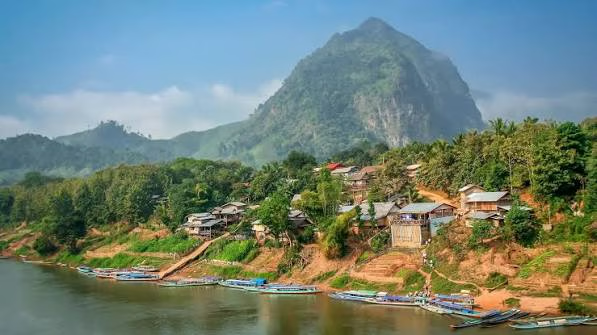
Nong Khiaw is one of northern Laos’s most beautiful mountain destinations.
The town sits beside the Nam Ou River beneath limestone peaks.
Travellers come for:
- Hiking
- Viewpoints
- River travel
- Quiet scenery
It is a strong alternative for travellers who want something more rural than Vang Vieng.
Muang Ngoi
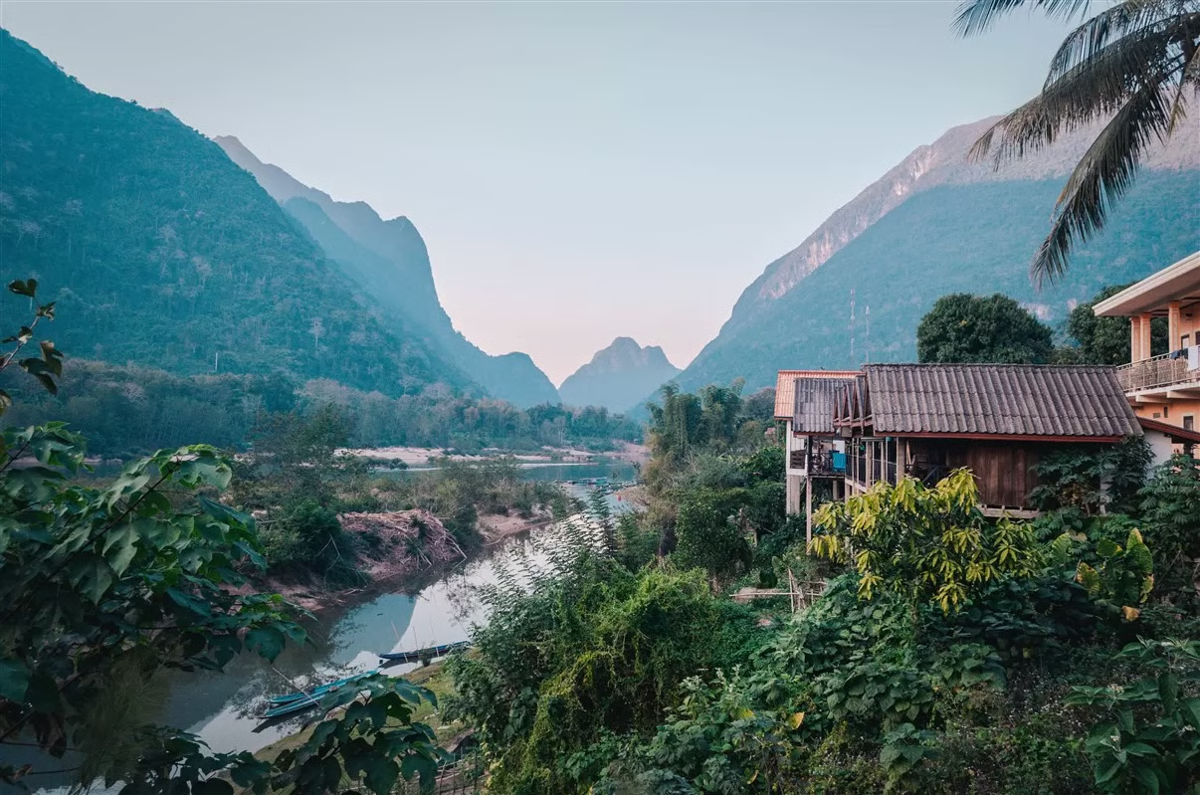
Farther along the river, Muang Ngoi offers an even slower atmosphere.
This is the kind of place where doing very little becomes the itinerary.
Southern Laos
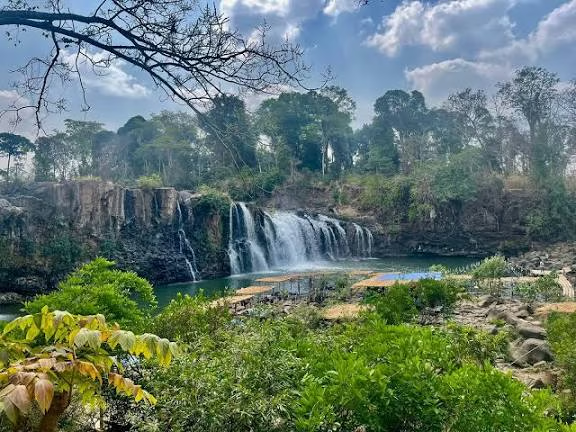
Southern Laos receives fewer first-time visitors.
But it offers:
- Waterfalls
- Mekong islands
- Temples
- Coffee regions
- Rural landscapes
It is particularly good for repeat visitors or longer journeys.
Pakse
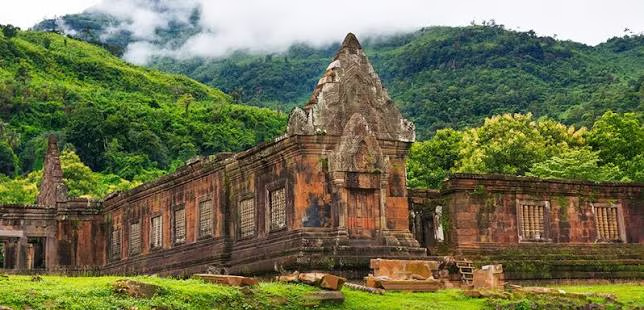
Pakse is the main gateway to southern Laos.
It is useful for accessing:
- Bolaven Plateau
- Wat Phou
- Si Phan Don
Bolaven Plateau
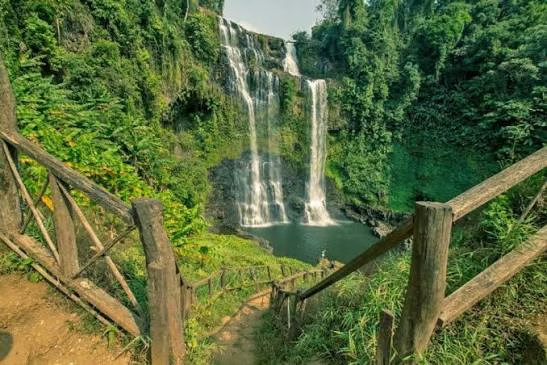
The Bolaven Plateau is known for:
- Coffee
- Waterfalls
- Cooler temperatures
- Scenic roads
It is one of Laos’s best regions for road trips.
Lao Coffee
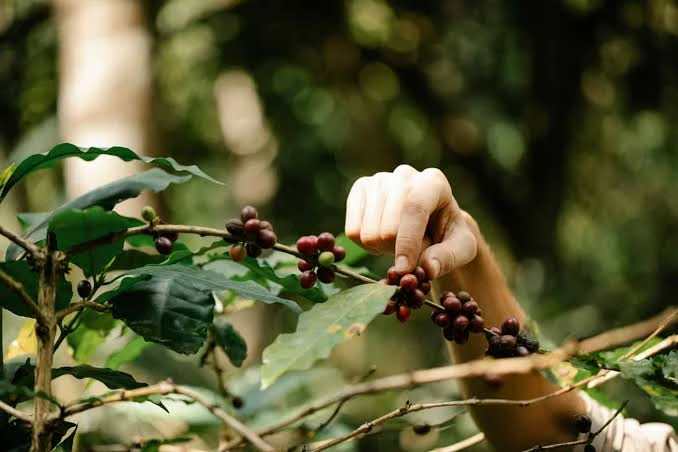
Coffee is an important part of the economy in southern Laos.
The Bolaven Plateau’s elevation and climate support coffee cultivation.
A farm or plantation visit adds an interesting dimension to a southern itinerary.
Wat Phou
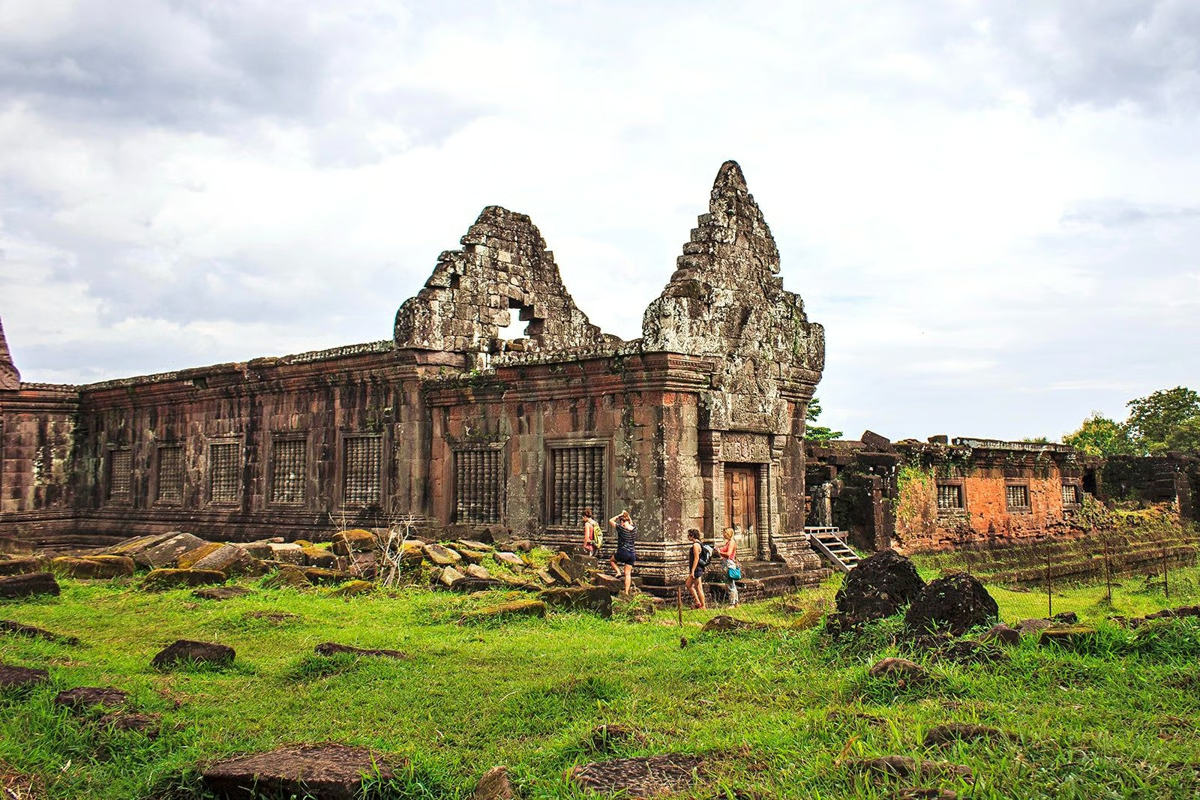
Wat Phou is an ancient Khmer temple complex in southern Laos.
It predates much of Angkor’s famous architecture.
For travellers who love history, it creates a fascinating link between Laos and Cambodia.
Si Phan Don: The 4,000 Islands
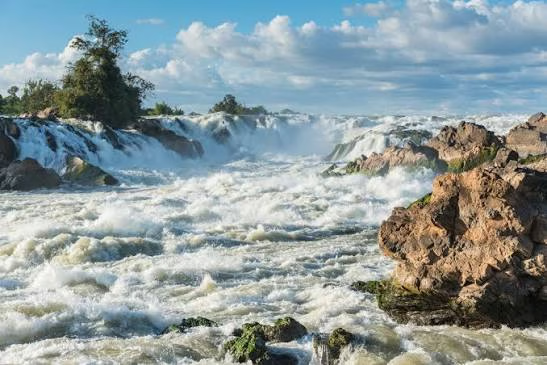
Si Phan Don lies in the Mekong near the Cambodian border.
The landscape is made up of islands, channels and riverside villages.
Popular bases include:
- Don Det
- Don Khon
This is one of Southeast Asia’s classic slow-travel zones.
Atlas Insider Tip: Don’t Come to the 4,000 Islands Looking for 4,000 Things to Do
The point is the opposite.
Cycle.
Read.
Sit beside the river.
Watch the light change.
This is not a destination for travellers who need an attraction every two hours.
What Should You Eat in Laos?
Lao food deserves far more recognition.
It shares ingredients with neighbouring Thailand and Vietnam, but has its own identity.
Laap
Laap is one of Laos’s most important dishes.
It can be made with:
- Meat
- Fish
- Mushrooms
and is typically flavoured with herbs, lime and toasted rice.
Sticky Rice
Sticky rice is central to Lao food culture.
It is traditionally eaten by hand and used to scoop other dishes.
This is not just a side dish.
It is part of everyday eating.
Tam Mak Hoong
This Lao-style green papaya salad is related to versions found in Thailand but has its own flavour profile.
It can be intensely savoury and spicy.
Khao Piak Sen
A comforting noodle soup.
Excellent in cooler weather or after a long travel day.
Mok Pa
Fish steamed in banana leaves with herbs and seasonings.
A good introduction to Lao flavours.
Vegetarian Travel in Laos
Vegetarian travel is manageable in major tourist areas.
Look for:
- Vegetable stir-fries
- Tofu
- Noodles
- Mushroom laap
- Rice dishes
But fish sauce and meat stock can appear in seemingly vegetarian dishes.
Clarify if necessary.
Laos for Couples
Laos works exceptionally well for couples who dislike rushed itineraries.
A strong route could be:
Luang Prabang → Vang Vieng → Vientiane
Or for a slower trip:
Luang Prabang → Nong Khiaw
The country’s strength is atmosphere rather than nightlife.
Laos for Honeymooners
Laos is not a conventional honeymoon destination.
That makes it interesting.
A boutique honeymoon could include:
- Riverside hotels
- Private Mekong cruises
- Mountain lodges
- Slow breakfasts
- Waterfalls
It works best for couples who value quiet over resort spectacle.
Laos for Families
Families can enjoy Laos, especially with older children.
Good experiences include:
- Waterfalls
- River journeys
- Train travel
- Markets
- Light adventure activities
Remote road journeys and long hot days can be harder with very young children.
Getting Around Laos
Transport has improved significantly.
Depending on the route, travellers can use:
- Rail
- Private cars
- Buses
- Minivans
- Boats
- Domestic flights
For the classic northern corridor, rail has become especially useful.
Laos + Thailand
Laos combines naturally with Thailand.
A classic route could be:
Chiang Rai/Thai border → Mekong slow boat → Luang Prabang
or
Bangkok → Vientiane → Vang Vieng → Luang Prabang
Laos + Cambodia
A longer route can continue south toward Cambodia.
This works best if you have time.
Trying to rush both countries in one week defeats the purpose.
Laos + Vietnam
Northern Laos can also connect naturally with Vietnam on longer Southeast Asia journeys.
Again, allow enough days.
The countries deserve more than quick border crossings.
How Many Days Do You Need in Laos?
3 to 4 Days
Luang Prabang only
5 to 6 Days
Luang Prabang + Vang Vieng
7 to 9 Days
Strong first trip
10 to 12 Days
Excellent for Luang Prabang + mountains + Vientiane
14 Days+
Better for northern + southern Laos
For most first-time visitors, 7 to 10 days works very well.
A Good First-Time Laos Route
A balanced first journey could be:
Luang Prabang – 4 nights
Vang Vieng – 2 or 3 nights
Vientiane – 1 or 2 nights
For a more atmospheric trip:
Luang Prabang → Nong Khiaw → Vang Vieng
For slow travellers:
Spend longer in fewer places.
Laos vs Cambodia
Choose Laos for:
- Slow travel
- Mountains
- Mekong landscapes
- Luang Prabang
- Quieter itineraries
Choose Cambodia for:
- Angkor
- Khmer history
- Archaeology
- More developed island extensions
Both combine beautifully.
Laos vs Vietnam
Choose Laos for:
- Slower pace
- Smaller cities
- Mountain scenery
- Mekong travel
Choose Vietnam for:
- Food variety
- Bigger cities
- Coastline
- Greater geographic scale
Vietnam gives you more intensity.
Laos gives you more space.
Laos vs Thailand
Choose Laos for:
- Quiet
- Luang Prabang
- Mekong
- Mountains
- Slow travel
Choose Thailand for:
- Beaches
- Nightlife
- Shopping
- Larger tourism infrastructure
Thailand is easier.
Laos is often calmer.
Travel Tips Before You Go
- Visit November to February for the easiest weather.
- Give Luang Prabang at least three nights.
- Start Kuang Si early.
- Respect the alms-giving ceremony.
- Use the railway strategically for the northern route.
- Carry layers in northern Laos during winter.
- Avoid overloading a Vang Vieng day with too many activities.
- Build rainy-season flexibility into rural travel.
- Give southern Laos more time than the map suggests.
- Verify current visa, train-ticket and border rules before departure.
Quick Summary
| Travel Goal | Best Time |
|---|---|
| Overall Best Time | November-February |
| Luang Prabang | November-February |
| Vang Vieng | November-February |
| Mekong Travel | November-February |
| Hiking | November-February |
| Waterfalls | Green season for stronger flow |
| Green Landscapes | June-October |
| Fewer Crowds | May-October |
Frequently Asked Questions
What is the best month to visit Laos?
November, December and January are among the easiest months for a first trip because conditions are generally drier and cooler.
How many days are enough for Laos?
Around 7 to 10 days works well for Luang Prabang, Vang Vieng and Vientiane without rushing.
Is Luang Prabang worth visiting?
Absolutely. It is one of Southeast Asia’s most atmospheric small cities and deserves several nights.
Is Laos expensive?
Laos can offer good value, though boutique hotels, private transfers and premium river experiences can raise costs considerably.
Is Vang Vieng still a party destination?
It can still have nightlife, but modern Vang Vieng is much more focused on landscapes, adventure activities and scenic travel than its old reputation suggests.
Laos or Cambodia?
Choose Laos for mountains, river travel and a slower pace.
Choose Cambodia for Angkor, archaeology and Khmer history.
A longer trip can combine both.
Continue Exploring on Mindflix Atlas
- Best Time to Visit Cambodia
- Best Time to Visit Thailand
- Best Time to Visit Vietnam
- Best Time to Visit Malaysia
- Best Time to Visit Indonesia Beyond Bali
- 50 International Destinations Every Indian Traveller Should Experience at Least Once
- Laos Travel Guide (Coming Soon)
- Luang Prabang Travel Guide (Coming Soon)
- The Perfect 8-Day Laos Itinerary (Coming Soon)
- Laos vs Cambodia (Coming Soon)
- Thailand + Laos Itinerary (Coming Soon)
- Best Slow-Travel Destinations in Asia (Coming Soon)
Laos is the kind of place that becomes better when you stop asking what comes next.
Stay for another coffee.
Watch the Mekong for a while.
Wake early, but not because you need to tick off five attractions.
Spend an afternoon at a waterfall.
Take the train through mountains.
Let a small town occupy more days than your spreadsheet originally allowed.
That is when Laos begins to make sense.
It is not trying to compete for your attention.
It is asking you to give your attention back.
Mindflix Atlas helps you understand the destination before you book it, so you can travel smarter and experience more.
Related destination guides
Keep planning with more Mindflix Atlas weather, season and month-by-month guides.


25 Best International Destinations to Visit in December: Beaches, Snow, Christmas Markets & Winter Sun (2026)
December creates one of the most interesting travel maps of the entire year.
Read guide

Best Time to Visit Cambodia: Angkor Wat, Siem Reap & Month-by-Month Guide (2026)
Cambodia is often reduced to one image : Angkor Wat at sunrise.
Read guide

Best Time to Visit Indonesia Beyond Bali: Java, Komodo, Lombok & Raja Ampat Guide (2026)
For millions of travellers, Indonesia means Bali.
Read guide

Best Time to Visit Taiwan: Taipei, Night Markets, Mountains & Month-by-Month Guide (2026)
Taiwan is one of Asia’s most underrated first time destinations.
Read guide

Best Time to Visit Mexico: Mexico City, Cancún, Riviera Maya & Month-by-Month Guide (2026)
Mexico is too diverse for one simple weather answer.
Read guide

Best Time to Visit Costa Rica: Rainforests, Volcanoes, Beaches & Month-by-Month Guide (2026)
Costa Rica is one of those destinations where the weather forecast never tells the whole story.
Read guide