
Best Time to Visit Cambodia: Angkor Wat, Siem Reap & Month-by-Month Guide (2026)
Jay Vora
Founder & CEO
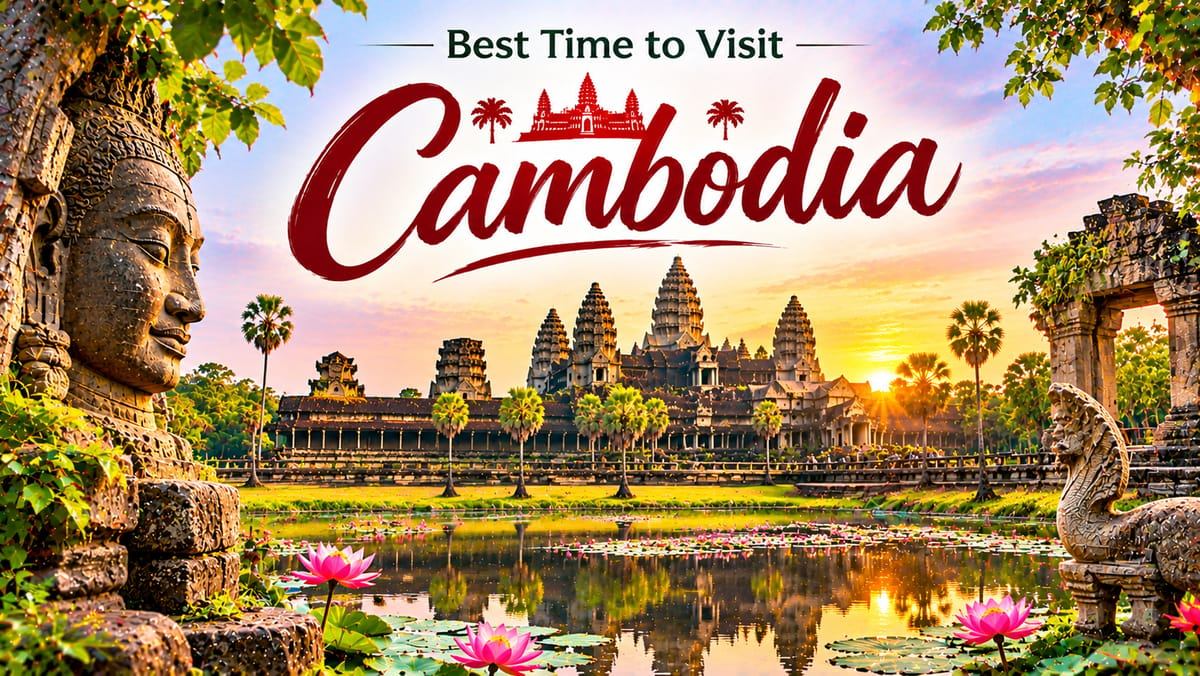
Best Time to Visit Cambodia
Cambodia is often reduced to one image : Angkor Wat at sunrise.
And yes, Angkor deserves its reputation.
But Cambodia becomes far more interesting once you stop treating Siem Reap as the entire country.
Phnom Penh tells a much more complicated story.
Tonlé Sap introduces you to a different relationship with water and rural life.
The south brings beaches and islands.
And across the country, Khmer food, temples, markets and everyday life make Cambodia feel much richer than a three-day Angkor stopover.
For most first-time travellers, November to February is the easiest time to visit Cambodia.
The weather is generally drier, humidity is more manageable, and temple days are less exhausting than during the hottest part of the year.
But shoulder-season months can also be excellent.
And the greener rainy season shows Cambodia in a completely different mood.
Understanding Cambodia’s Seasons
Cambodia is tropical.
Instead of four classic seasons, it is more useful to think in terms of:
- Cooler dry season: roughly November to February
- Hot dry season: roughly March to May
- Rainy season: roughly June to October
Temperatures remain warm throughout the year.
The difference is mainly heat, humidity and rainfall.
Cooler Dry Season: November to February
This is the easiest travel period for most visitors.
Expect:
- Lower humidity
- More comfortable temple exploration
- Better conditions for city travel
- Strong demand
It is especially good for:
- Angkor
- Siem Reap
- Phnom Penh
- First-time trips
- Families
January and February are particularly comfortable.
Hot Season: March to May
This is when Cambodia becomes genuinely intense.
Temple courtyards can feel extremely hot by midday.
April is often one of the hottest periods.
This season can still work if you:
- Start early
- Rest at midday
- Travel slowly
- Stay hydrated
The main advantage is that some destinations may feel less crowded than during peak winter months.
Rainy Season: June to October
The rainy season is often misunderstood.
Rain does not necessarily mean all-day downpours every day.
Showers may arrive heavily and then disappear.
The benefits include:
- Greener landscapes
- Fuller moats and countryside
- Lower visitor numbers
- More atmospheric temple photography
Travel can become slower in rural areas.
But Cambodia in the rain can be beautiful.
Cambodia Month by Month
January
One of the best months overall.
Temperatures are relatively comfortable and rainfall is low.
Best for: Angkor, Siem Reap and first-time trips.
February
Another excellent month.
Days are warm but generally easier than late spring.
March
Heat begins building.
Temple exploration becomes more tiring in the afternoon.
Start early.
April
Very hot.
This is not the month to build a temple itinerary around midday sightseeing.
Khmer New Year can also affect domestic travel and business hours.
May
Hot and increasingly humid.
Rain begins returning.
A quieter travel period.
June
The green season develops.
Short, heavy showers become more common.
July
Rainy but lush.
Temple complexes can look especially atmospheric.
August
Wet-season conditions continue.
Countryside landscapes become beautifully green.
September
One of the wetter months.
Rural travel may require more flexibility.
October
A useful transition month.
Rain begins easing later in the month.
November
One of Cambodia’s best travel months.
Drier conditions return while landscapes may still retain some green-season colour.
December
Peak season begins.
Excellent for temple travel, cities and broader itineraries.
Book popular hotels early.
Best Time Based on Your Travel Style
First-Time Visit
November-February
Angkor Wat
November-February
Siem Reap
November-February, October-March
Phnom Penh
November-February
Cambodia Islands
November-April
Photography
November-January, July-October for greener landscapes
Fewer Crowds
May-October
Budget Travel
Green season, excluding major holidays
Siem Reap
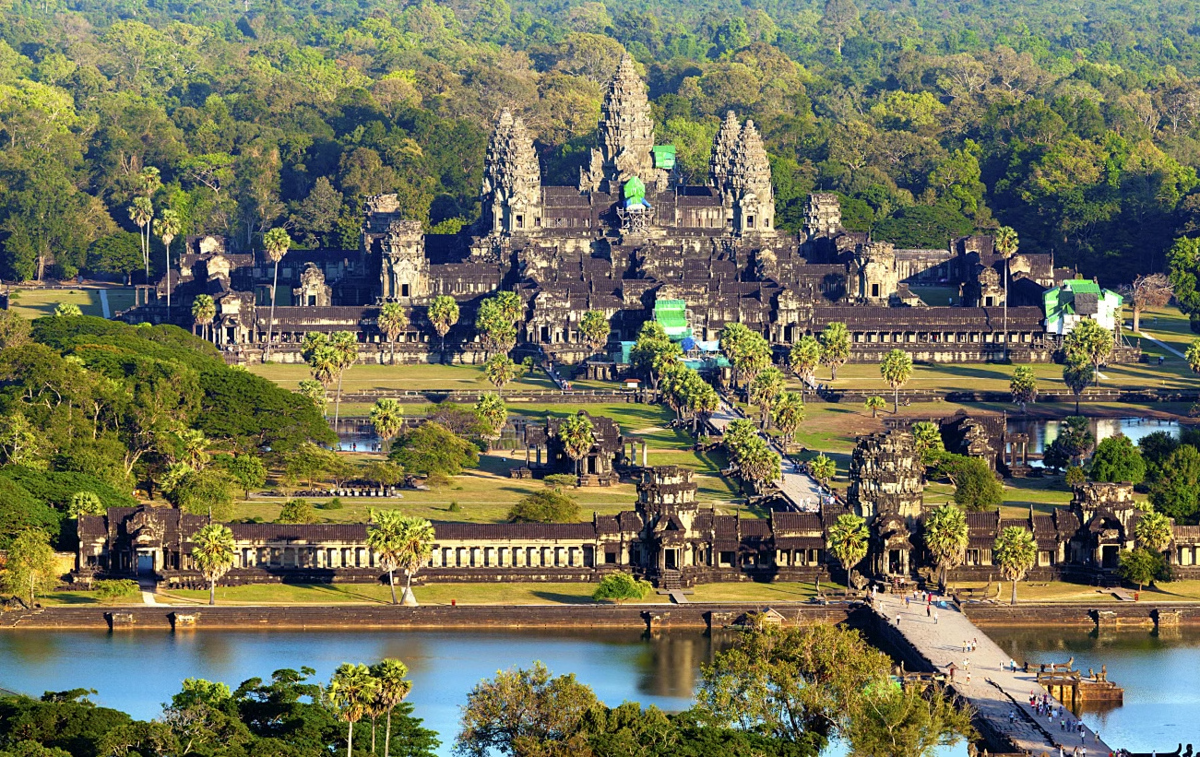
Siem Reap is the gateway to Angkor.
But the town itself has evolved into much more than an archaeological base.
You’ll find:
- Restaurants
- Boutique hotels
- Markets
- Cafés
- Museums
- Nightlife
Three nights is possible.
Four nights is better.
Five is excellent if you want to explore Angkor slowly.
Angkor Archaeological Park
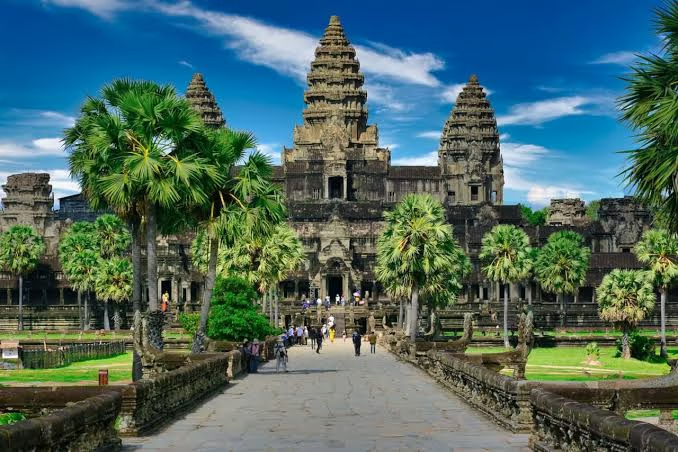
Angkor is not one temple.
It is an enormous archaeological landscape containing dozens of major and minor temple sites.
The official Angkor ticketing system currently offers 1-day, 3-day and 7-day passes, and the 3-day pass can be used across seven days while the 7-day pass can be used across 30 days.
That alone tells you something important:
Angkor deserves more than a rushed morning.
Angkor Wat
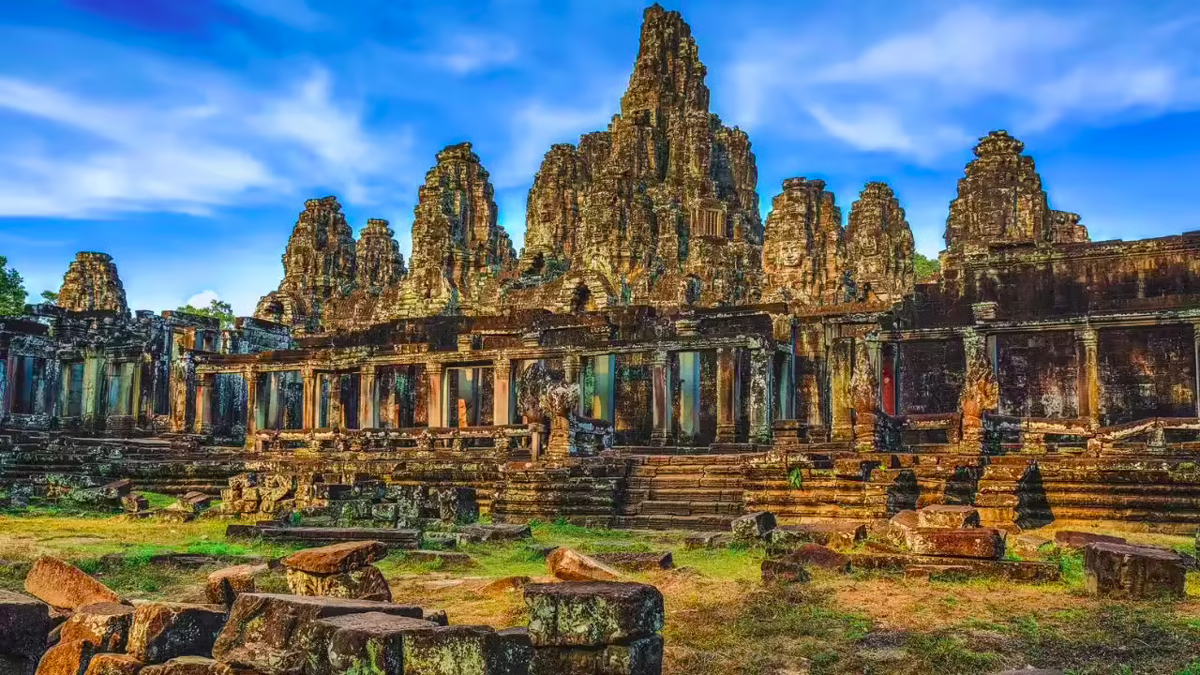
Angkor Wat is the headline.
The scale becomes much more obvious in person than in photographs.
It is:
- Monumental
- Symmetrical
- Symbolic
- Architecturally complex
Give it time.
The mistake is walking in, taking the reflection-pool photograph and leaving.
Angkor Wat Sunrise
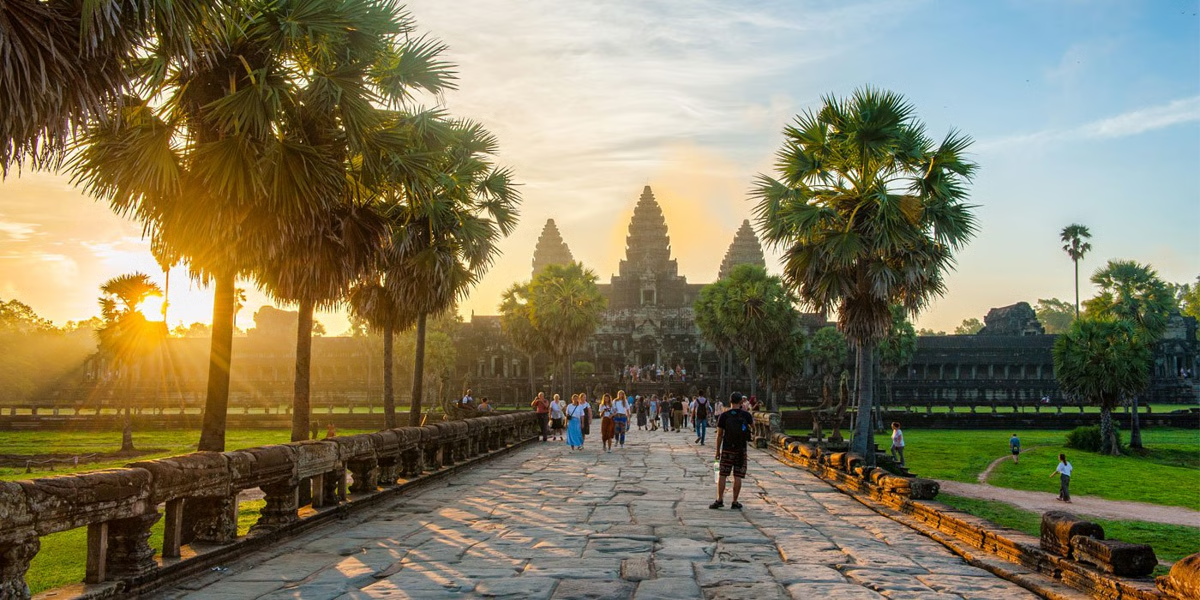
Sunrise is famous.
It is also crowded.
If you want the classic silhouette, arrive early.
But do not assume sunrise is automatically the best experience of Angkor Wat.
Cloud, crowds and weather can completely change the morning.
Atlas Insider Tip
If you only have one sunrise, do Angkor Wat.
If you have more time, use another early morning for a different temple.
Angkor becomes much more memorable when every day is not spent following the same tourist flow.
A Smart Angkor Strategy
Instead of:
Sunrise → every famous temple → exhaustion
try:
Early temple → breakfast break → second temple → long midday rest → late-afternoon temple
Cambodia rewards travellers who respect the heat.
Bayon
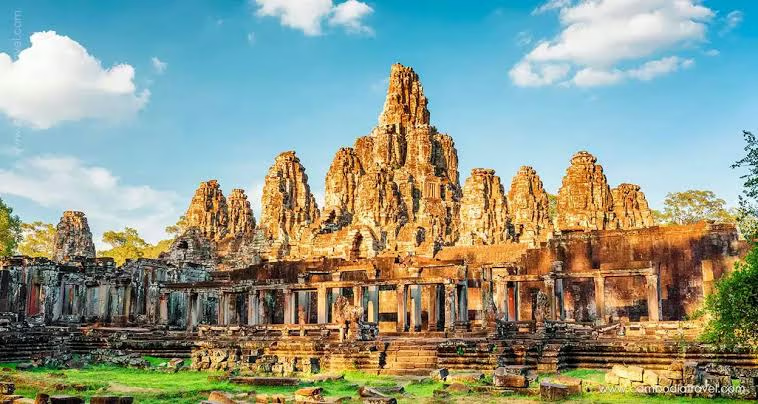
Bayon sits at the heart of Angkor Thom.
Its enormous stone faces make it one of Cambodia’s most distinctive monuments.
The experience is completely different from Angkor Wat.
Narrow passages, towers and sculpted faces create a more mysterious atmosphere.
Angkor Thom
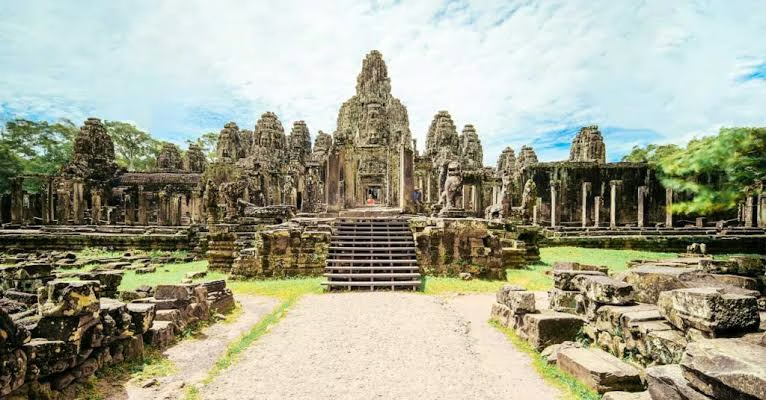
Angkor Thom was once a vast fortified city.
Beyond Bayon, the area includes:
- Gates
- Terraces
- Archaeological structures
- Forested roads
Do not treat Angkor Thom as one quick Bayon stop.
Ta Prohm
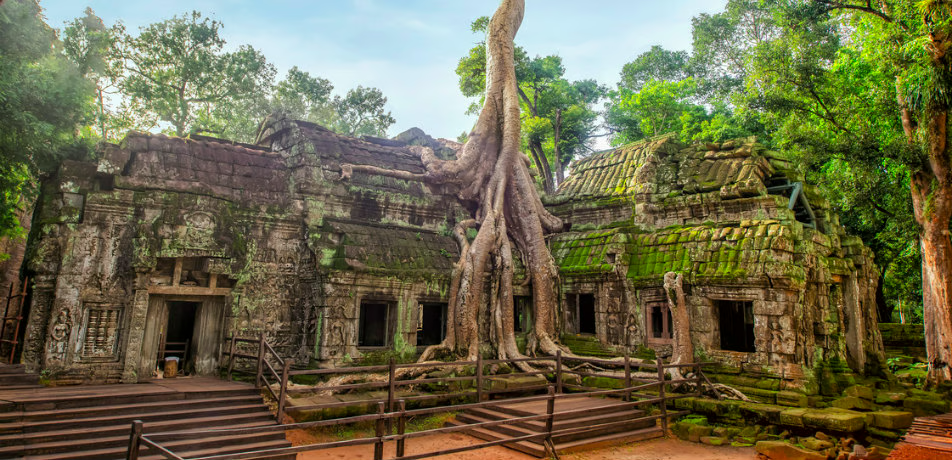
Ta Prohm is famous for giant tree roots wrapping around stone ruins.
It became internationally recognisable partly because of film exposure, but the atmosphere remains extraordinary.
Go early if possible.
Crowds can become heavy.
Banteay Srei
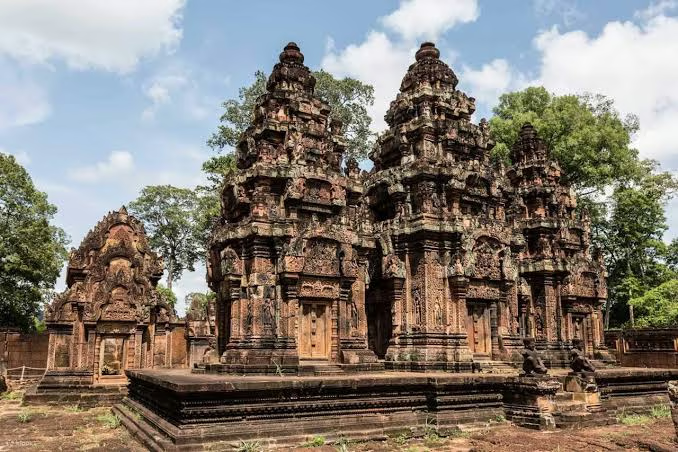
Banteay Srei sits farther from the main Angkor circuit.
It is smaller than the major temples but famous for intricate stone carving.
If you have a 3-day pass, it is an excellent reason to move beyond the standard small circuit.
The official Angkor Enterprise recommends broader circuits for longer passes rather than trying to compress the park into a single day.
Atlas Insider Tip: Three Days Is the Sweet Spot
For most first-time visitors who genuinely care about history, a 3-day Angkor pass is much better than one day.
You can spread temple visits out.
You avoid the midday heat.
And you stop experiencing one of the world’s great archaeological landscapes as a race.
Current Angkor Pass Information
As of November 2026, official Angkor passes are priced at:
- 1 day: US$37
- 3 days: US$62
- 7 days: US$72
Official digital tickets can be purchased online and stored on your phone.
Because ticket rules can change, always check the official Angkor Enterprise system before travel.
A Useful Angkor Ticket Trick
Current official guidance states that if you purchase a ticket for the following day after 4:45 PM, you may enter the park that evening for sunset and still use the ticket for its full validity the next day.
That can be a very useful arrival-day strategy.
Dress Respectfully at Angkor
Angkor is not merely an archaeological attraction.
Many temples remain spiritually significant.
Wear clothing that appropriately covers shoulders and knees where required.
Respect:
- Religious areas
- Monks
- Restricted zones
- Signs
- Restoration work
Phnom Penh
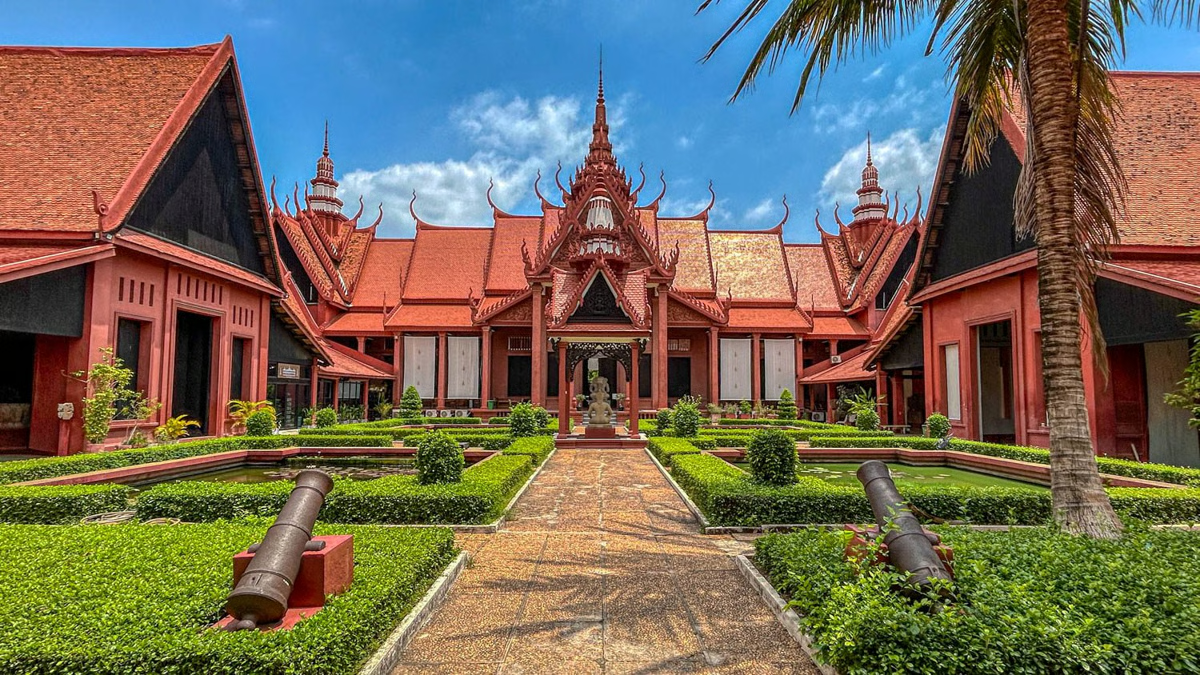
Phnom Penh deserves more than being treated as a flight connection.
Cambodia’s capital is:
- Busy
- Energetic
- Historic
- Uneven
- Deeply layered
A first stay should generally include at least two nights.
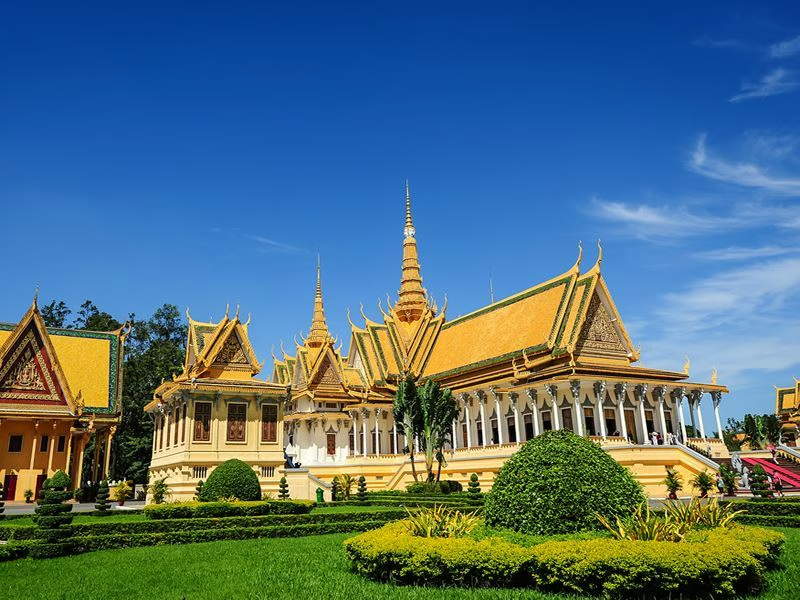
Royal Palace
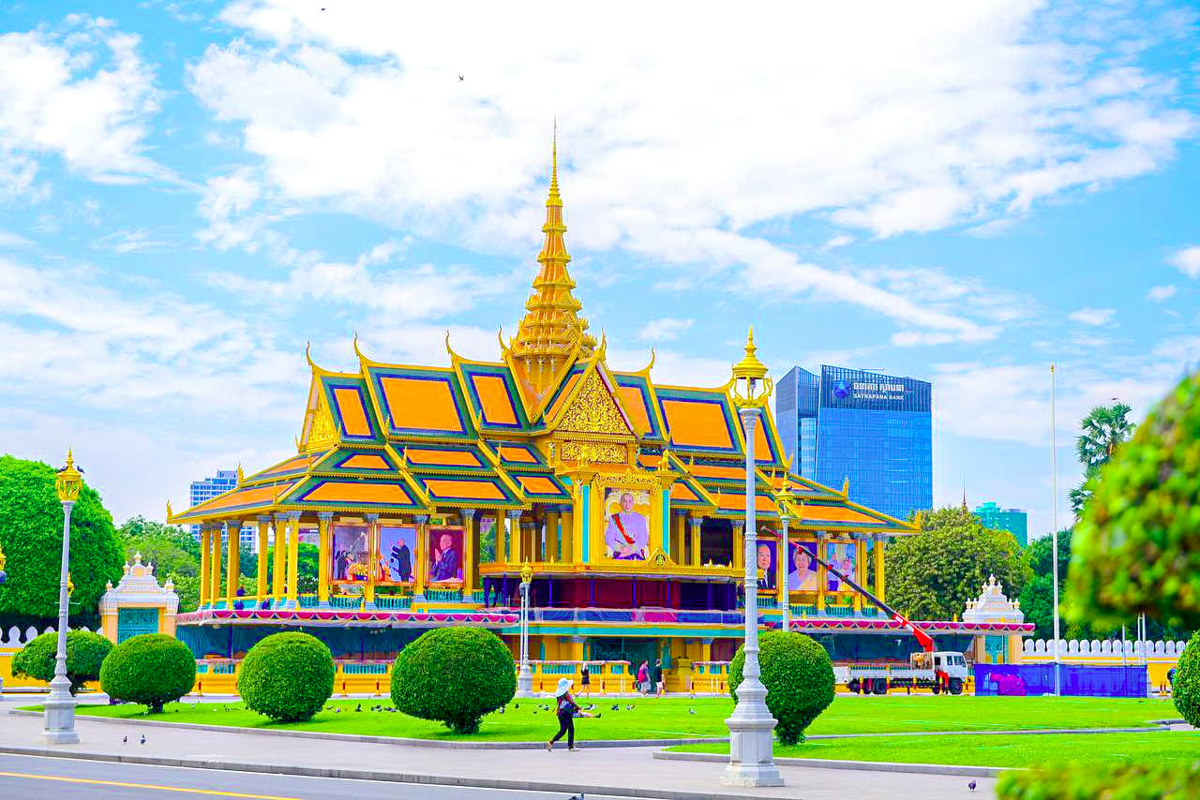
The Royal Palace complex is one of Phnom Penh’s most prominent landmarks.
It offers a completely different experience from Angkor.
The architecture is elegant rather than monumental.
Dress rules matter.
Check current visitor hours before going.
Cambodia’s Difficult History
Any serious visit to Phnom Penh eventually encounters Cambodia’s modern history under the Khmer Rouge.
Sites associated with that period are emotionally difficult.
They should not be treated as casual attractions.
Give them the seriousness they deserve.
Tuol Sleng
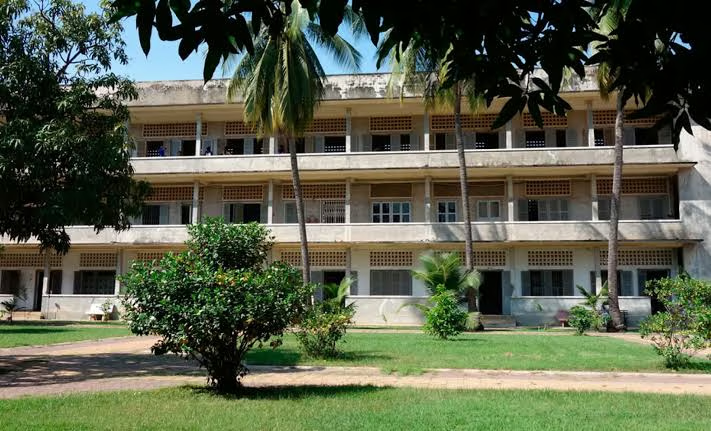
The Tuol Sleng Genocide Museum documents one of the darkest periods in Cambodian history.
It can be deeply distressing.
Move slowly.
Read.
Listen.
Do not rush through simply because it is on a checklist.
Choeung Ek
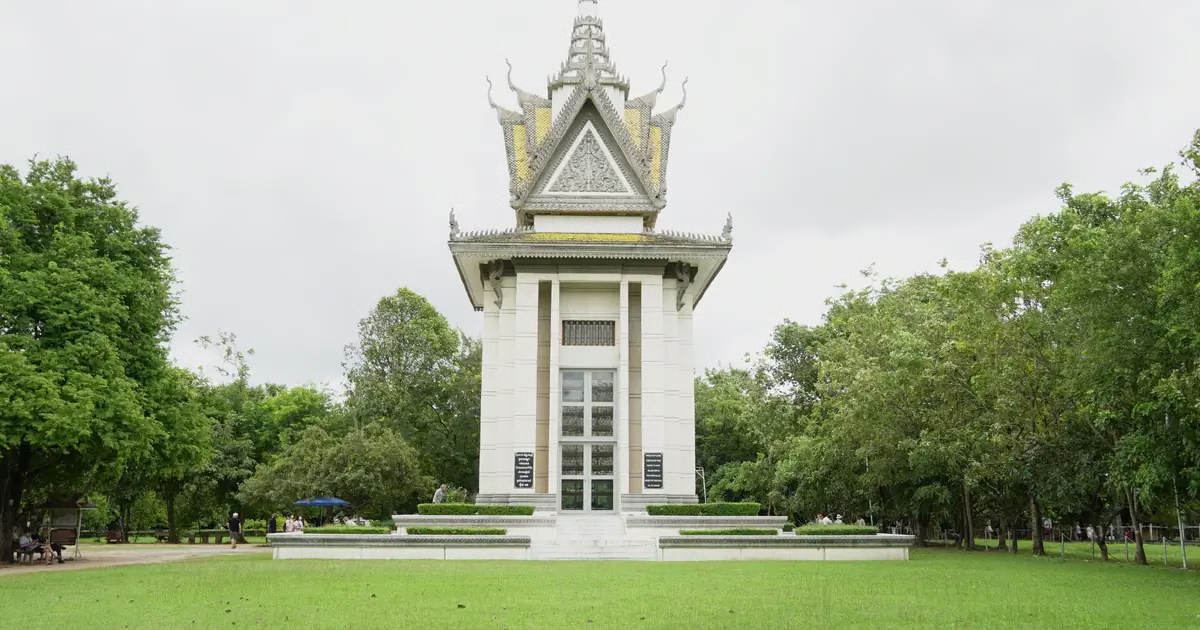
Choeung Ek is another site connected to Khmer Rouge atrocities.
If you visit, approach it quietly and respectfully.
Photography should never become the priority in places associated with mass suffering.
Atlas Insider Tip: Don’t Stack Phnom Penh’s Heavy Sites
Avoid scheduling Tuol Sleng, Choeung Ek and several other intense historical attractions back-to-back without a break.
Give yourself time to process what you are learning.
Travel is not always supposed to be entertaining.
Sometimes understanding the destination means facing uncomfortable history.
Tonlé Sap
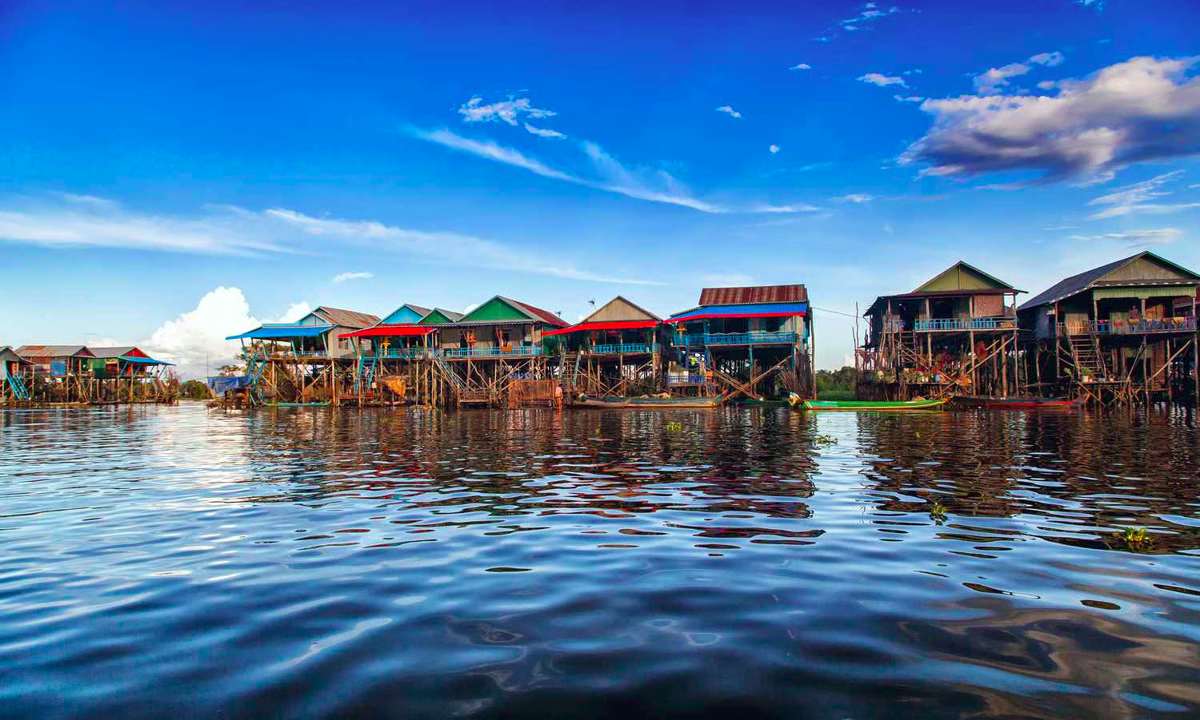
Tonlé Sap is Southeast Asia’s largest freshwater lake system and plays an enormous role in Cambodian life.
Seasonal changes dramatically affect water levels.
The wet season can create especially expansive flooded landscapes.
Floating Villages
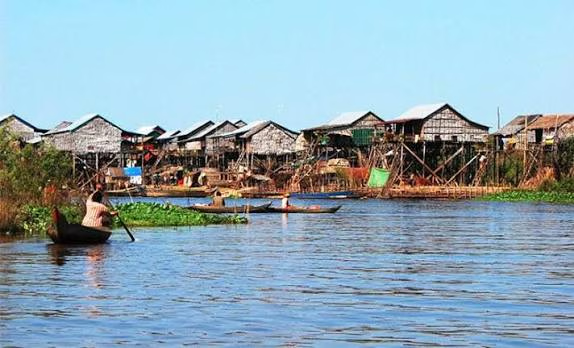
Several communities around Tonlé Sap are commonly described as floating villages.
But tourism experiences vary widely.
Choose carefully.
Look for tours that:
- Respect residents
- Avoid intrusive photography
- Support local communities
- Do not turn poverty into entertainment
Kampot
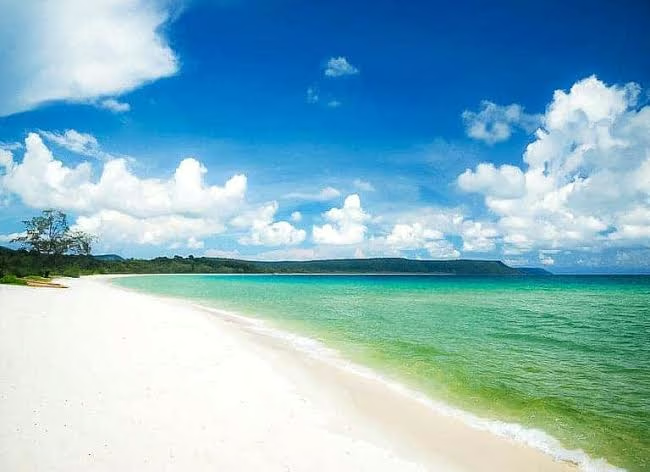
Kampot offers a slower Cambodian experience.
It is known for:
- Riverside atmosphere
- Colonial-era architecture
- Nearby countryside
- Pepper farms
It works particularly well after busy temple or city travel.
Kampot Pepper
Kampot pepper has international geographical-indication recognition.
Visitors can tour pepper farms and learn how different pepper varieties are grown and processed.
For food travellers, this is one of Cambodia’s most interesting regional experiences.
Kep
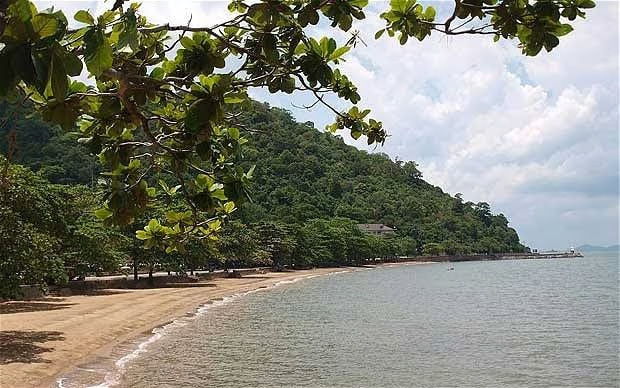
Nearby Kep is known for:
- Coastal atmosphere
- Seafood
- Crab
- Quiet travel
Kampot and Kep combine easily.
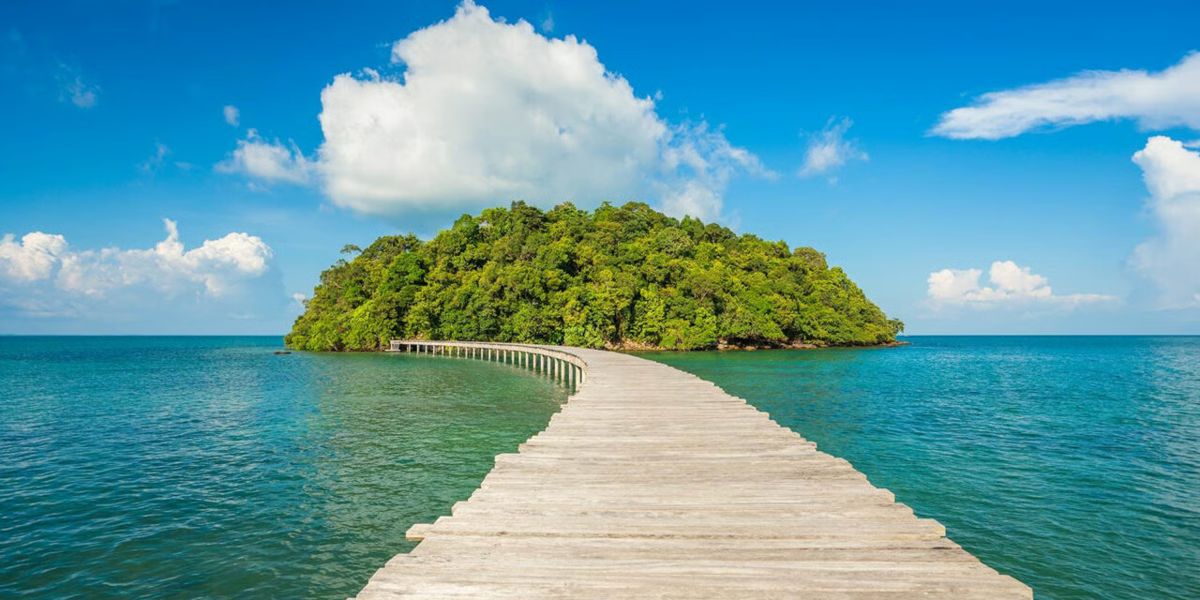
Cambodia’s Islands
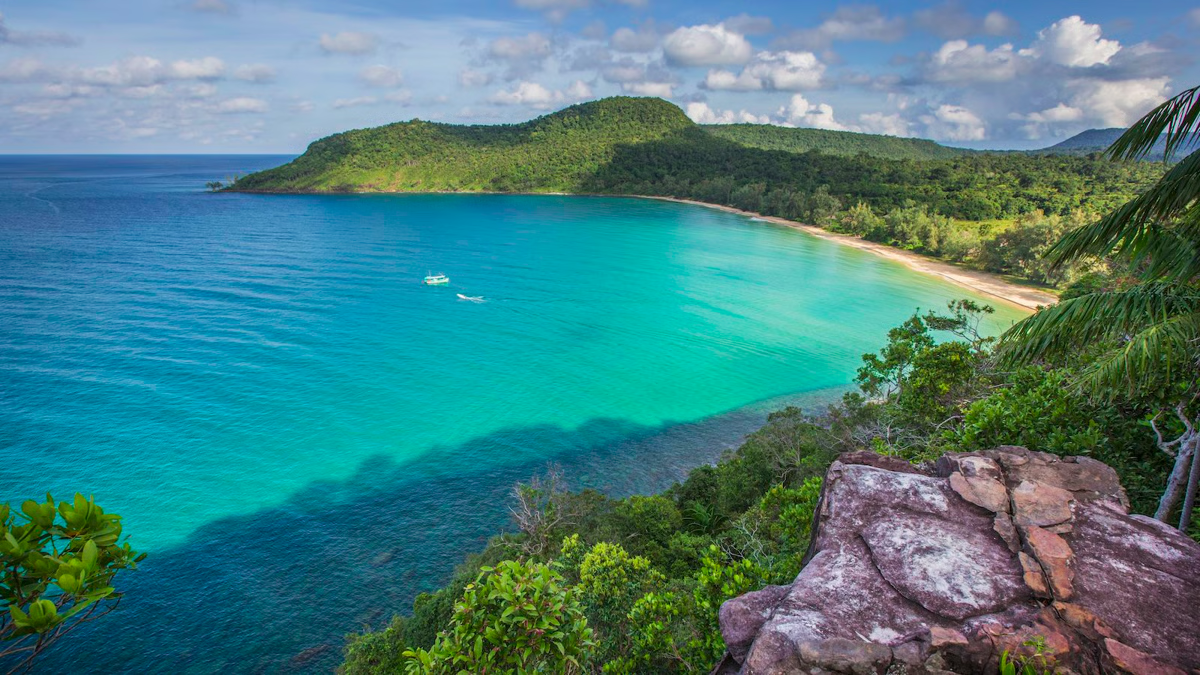
Cambodia also has a tropical-island side that many first-time visitors do not realise exists.
Popular options include:
- Koh Rong
- Koh Rong Sanloem
These islands offer a completely different ending to a temple-heavy trip.
Koh Rong
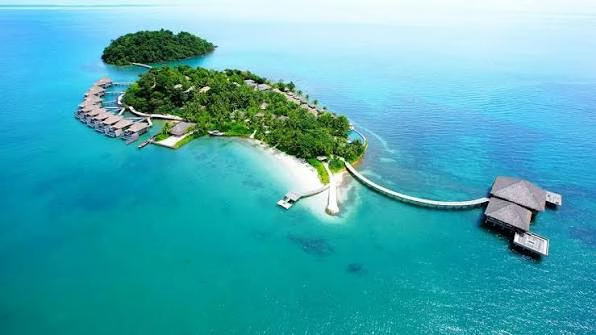
Koh Rong offers:
- Beaches
- Resorts
- Backpacker areas
- Boat trips
Different parts of the island have very different atmospheres.
Research the specific beach before booking.
Koh Rong Sanloem
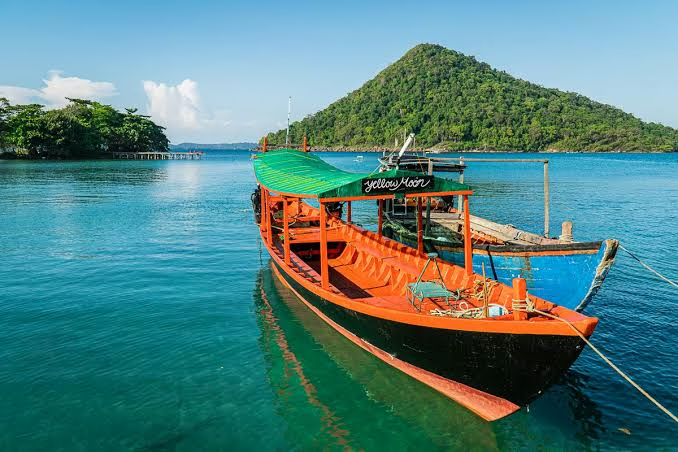
Traditionally quieter than Koh Rong, Koh Rong Sanloem has appealed to travellers seeking:
- Slower beach time
- Smaller resorts
- Less nightlife
Development changes quickly on tropical islands, so check recent accommodation and transport information before booking.
Atlas Insider Tip: Put the Beach at the End
For a Cambodia itinerary combining temples, history and coast, put the islands at the end.
A strong rhythm is:
Siem Reap → Phnom Penh → Kampot/Kep → Island
You finish with fewer alarms and more beach.
That is much better than relaxing first and then returning to 4:30 AM Angkor wake-ups.
Battambang
Battambang is one of Cambodia’s more relaxed provincial cities.
It is known for:
- Colonial architecture
- Countryside
- Art
- Local food
- Nearby temples
It works well for travellers who want to see more of everyday Cambodia.
Cambodian Countryside
Some of Cambodia’s most memorable moments happen between famous places.
Rice fields.
Small towns.
Roadside markets.
Monasteries.
Rural landscapes.
Do not make the entire trip airports, temples and hotels.
What Should You Eat in Cambodia?
Khmer cuisine deserves far more international recognition.
It can be subtle, fresh and aromatic rather than aggressively spicy.
Fish Amok
Fish amok is one of Cambodia’s best-known dishes.
It typically involves fish cooked with coconut and aromatic spices.
Versions vary considerably.
Khmer Curry
Cambodian curry is often milder than neighbouring Thai curry styles.
It may include:
- Coconut milk
- Vegetables
- Meat
- Aromatic spices
Beef Lok Lak
A popular beef dish usually served with rice and a distinctive dipping sauce.
Nom Banh Chok
A traditional Khmer noodle dish often associated with breakfast.
This is exactly the kind of local food worth trying beyond tourist restaurants.
Fresh Tropical Fruit
Cambodia is excellent for:
- Mango
- Dragon fruit
- Pineapple
- Rambutan
- Mangosteen
Markets are the best place to explore.
Vegetarian Travel in Cambodia
Vegetarian travel is increasingly easy in:
- Siem Reap
- Phnom Penh
- Kampot
You can find:
- Vegetable curries
- Tofu
- Rice dishes
- Noodles
- Vegan cafés
But traditional sauces may contain fish sauce or shrimp-based ingredients.
Confirm when necessary.
Cambodia for Couples
Cambodia can make an excellent couples’ trip.
A strong route could combine:
Siem Reap → Phnom Penh → Koh Rong Sanloem
You get:
- History
- Culture
- Food
- Beach
without requiring a huge itinerary.
Cambodia for Honeymooners
Cambodia is not the most obvious honeymoon destination.
That is part of its appeal.
A boutique itinerary might include:
- Luxury Siem Reap hotel
- Private temple guide
- Riverside stay in Phnom Penh
- Island resort
It works especially well for couples who prefer experiences to resort-only travel.
Cambodia for Families
Cambodia can work well for families with older children.
Angkor is visually exciting.
However:
- Temple days involve lots of walking
- Heat can be intense
- Historical sites in Phnom Penh may be emotionally unsuitable for younger children
Keep the itinerary realistic.
Getting Around Cambodia
Travel between major destinations can involve:
- Domestic flights
- Buses
- Private cars
- Boats
- Tuk-tuks
For Angkor, a tuk-tuk or private car with driver is often the easiest option.
Tuk-Tuks in Siem Reap
Tuk-tuks are part of the travel experience.
Agree on:
- Route
- Duration
- Price
- Sunrise pickup
before starting the day.
A good driver can become one of the most useful people on the trip.
Cambodia + Thailand
A classic regional trip could combine:
Bangkok → Siem Reap
or:
Thailand beaches → Siem Reap
This gives you a completely different cultural experience without an enormous geographic jump.
Cambodia + Vietnam
Cambodia and Vietnam combine extremely well.
A route could be:
Siem Reap → Phnom Penh → Ho Chi Minh City
or the reverse.
For a longer journey, this becomes one of Southeast Asia’s strongest first-time multi-country itineraries.
Cambodia + Laos
For slower travellers, Cambodia and Laos can create a more relaxed Mekong-focused journey.
This deserves more time than a rapid three-country circuit.
How Many Days Do You Need in Cambodia?
3 to 4 Days
Siem Reap and Angkor only
5 to 6 Days
Siem Reap + Phnom Penh
7 to 9 Days
Strong first trip
10 to 12 Days
Excellent for temples + cities + coast
14 Days
Ideal for a slower, broader Cambodia journey
For most first-time visitors, 8 to 10 days works very well.
A Good First-Time Cambodia Route
A balanced itinerary could be:
Siem Reap – 4 nights
Phnom Penh – 2 nights
Kampot/Kep – 2 nights
Island – 2 or 3 nights
If you have less time:
Siem Reap → Phnom Penh
If Angkor is the main reason:
Stay longer in Siem Reap rather than trying to add too much.
Cambodia vs Thailand
Choose Cambodia for:
- Angkor
- Khmer history
- Smaller-scale travel
- Strong archaeological focus
Choose Thailand for:
- Beaches
- Larger tourism infrastructure
- Bangkok
- Greater nightlife variety
They complement each other extremely well.
Cambodia vs Vietnam
Choose Cambodia for:
- Angkor
- Compact cultural journeys
- Khmer heritage
- Easier short itineraries
Choose Vietnam for:
- Bigger geographic variety
- Food regions
- Mountains
- Cities
- Coastline
Cambodia is easier to understand in one focused trip.
Vietnam rewards longer journeys.
Cambodia vs Indonesia
Choose Cambodia for:
- Archaeology
- History
- Compact overland routes
- Angkor
Choose Indonesia for:
- Volcanoes
- Islands
- Wildlife
- Diving
- Greater geographic diversity
These are completely different Southeast Asian experiences.
Travel Tips Before You Go
- Visit November to February for the easiest weather.
- Give Angkor at least two full days if possible.
- Consider the 3-day Angkor pass for a slower experience.
- Start temple days early and rest at midday.
- Dress respectfully at religious sites.
- Buy Angkor passes only through official channels.
- Approach Khmer Rouge history seriously and respectfully.
- Choose Tonlé Sap tours carefully.
- Put island time at the end of the itinerary.
- Check current entry, transport and temple regulations before travel.
Quick Summary
| Travel Goal | Best Time |
|---|---|
| Overall Best Time | November-February |
| Angkor Wat | November-February |
| Siem Reap | October-March |
| Phnom Penh | November-February |
| Cambodia Islands | November-April |
| Green Landscapes | July-October |
| Fewer Crowds | May-October |
| Temple Photography | November-January, green season for lush scenery |
Frequently Asked Questions
What is the best month to visit Cambodia?
December and January are among the easiest months for a first trip because the weather is generally drier and temple exploration is more comfortable.
How many days are enough for Cambodia?
Around 8 to 10 days works well for Angkor, Phnom Penh and at least one additional region.
How many days do I need for Angkor Wat?
One day is possible, but two to three temple days create a much better experience.
Which Angkor pass should I buy?
For most history-focused first-time visitors, the 3-day pass offers the best balance. As of November 2026, it costs US$62 and can be used over seven days.
Is Angkor Wat sunrise worth it?
Yes, but it can be crowded. Do it once, then use another morning to explore quieter temples.
Is Cambodia good for honeymooners?
Yes, especially for couples who want a mix of heritage, boutique hotels and island time rather than a conventional resort-only honeymoon.
Cambodia or Thailand for a first Southeast Asia trip?
Thailand is generally easier for beaches, nightlife and broad tourism infrastructure.
Cambodia is stronger for archaeological heritage and a more compact culture-focused journey.
Combining both works extremely well.
Continue Exploring on Mindflix Atlas
- Best Time to Visit Thailand
- Best Time to Visit Vietnam
- Best Time to Visit Indonesia Beyond Bali
- Best Time to Visit Malaysia
- Best Time to Visit Singapore
- 50 International Destinations Every Indian Traveller Should Experience at Least Once
- Cambodia Travel Guide (Coming Soon)
- Angkor Wat Travel Guide (Coming Soon)
- The Perfect 3-Day Angkor Itinerary (Coming Soon)
- Cambodia vs Thailand (Coming Soon)
- Cambodia + Vietnam Itinerary (Coming Soon)
- Best Ancient Cities and Temples in Asia (Coming Soon)
Cambodia is the kind of destination where the famous photograph gets you there, but the spaces between the famous places are what stay with you.
Yes, wake before sunrise for Angkor Wat.
But also stay until the light changes.
Walk through a quieter temple.
Eat something you cannot pronounce.
Spend an afternoon beside the river.
Listen carefully when Cambodia tells you about its difficult past.
Then finish somewhere slow, where there are no temple alarms and the Gulf of Thailand replaces ancient stone.
Angkor may be Cambodia’s masterpiece.
But Cambodia is much bigger than Angkor.
Mindflix Atlas helps you understand the destination before you book it, so you can travel smarter and experience more.
Related destination guides
Keep planning with more Mindflix Atlas weather, season and month-by-month guides.

Best Time to Visit Indonesia Beyond Bali: Java, Komodo, Lombok & Raja Ampat Guide (2026)
For millions of travellers, Indonesia means Bali.
Read guide

Best Time to Visit Taiwan: Taipei, Night Markets, Mountains & Month-by-Month Guide (2026)
Taiwan is one of Asia’s most underrated first time destinations.
Read guide

Best Time to Visit Mexico: Mexico City, Cancún, Riviera Maya & Month-by-Month Guide (2026)
Mexico is too diverse for one simple weather answer.
Read guide

Best Time to Visit Costa Rica: Rainforests, Volcanoes, Beaches & Month-by-Month Guide (2026)
Costa Rica is one of those destinations where the weather forecast never tells the whole story.
Read guide

Best Time to Visit Ecuador: Galápagos, Quito, Andes & Month-by-Month Guide (2026)
Ecuador is a small country with an unusually large number of travel personalities.
Read guide
Best Time to Visit Peru: Machu Picchu, Cusco & Month-by-Month Guide (2026)
Peru is one of those destinations where geography controls almost everything.
Read guide