
Best Time to Visit Sri Lanka: Weather, Beaches & Month-by-Month Guide (2026)
Jay Vora
Founder & CEO
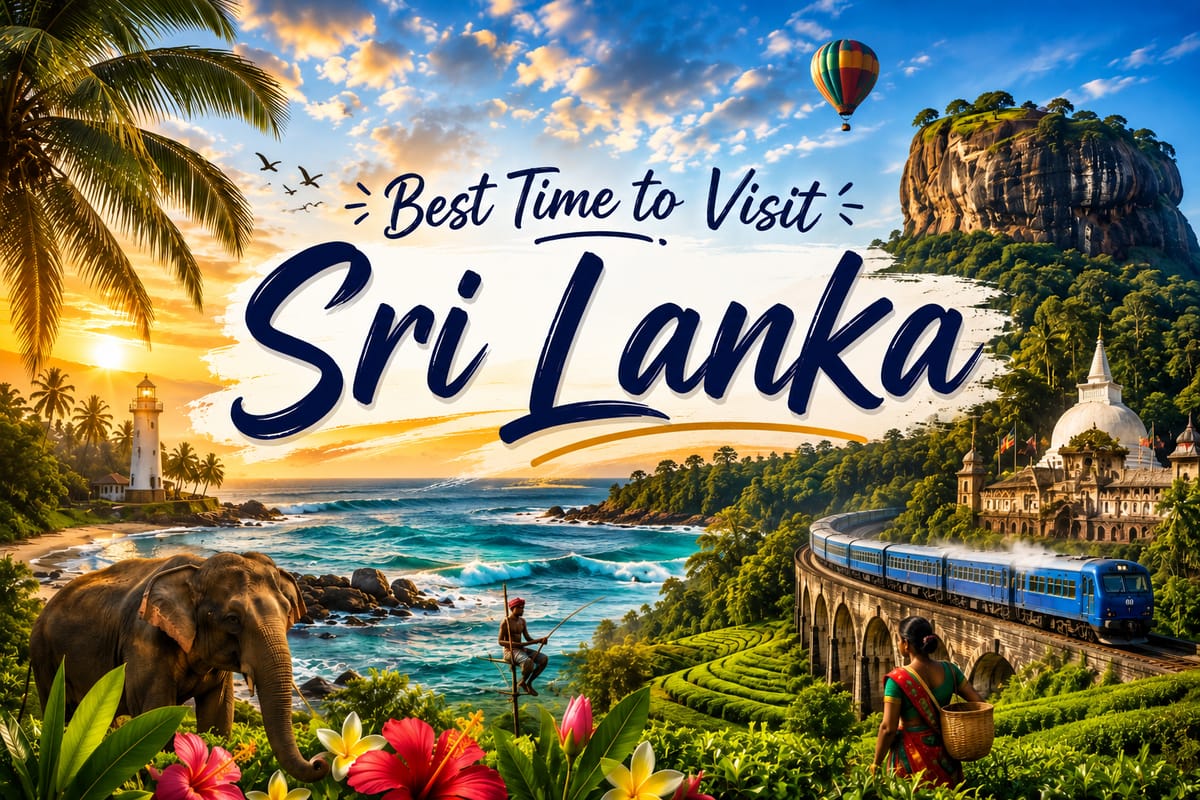
Best Time to Visit Sri Lanka
Sri Lanka is much bigger than it looks on the map.
Within a single journey, you can wake up beside the Indian Ocean, travel through tea-covered mountains by afternoon, spot elephants in the wild, explore ancient cities, surf tropical beaches and eat some of South Asia’s most exciting food.
But planning a Sri Lankan holiday comes with one important question:
When should you go?
The answer isn’t as simple as choosing a dry season.
Sri Lanka is influenced by two different monsoons, which means one part of the island can be enjoying sunshine while another is experiencing heavy rainfall.
- December to March: Generally one of the best periods for most travellers exploring Colombo, Galle, Mirissa, Ella, and Sri Lanka’s popular southwest circuit.
- May to September: Offers better beach conditions for the east coast, including destinations such as Trincomalee and Arugam Bay.
In other words, there is almost always somewhere worth visiting in Sri Lanka. You just need to know which side of the island to choose.
Understanding Sri Lanka’s Weather
Sri Lanka sits close to the equator, so temperatures remain warm throughout much of the year. Altitude makes a major difference: coastal destinations are tropical and humid, while hill-country destinations such as Nuwara Eliya can feel surprisingly cool, particularly at night.
Rainfall is driven by two major monsoon systems:
- Southwest Monsoon (Yala): Approximately May to September. This primarily affects the south and west of the country. Destinations such as Colombo, Bentota, Galle, and parts of the southwest coast experience increased rainfall, while the east coast enjoys dry beach conditions.
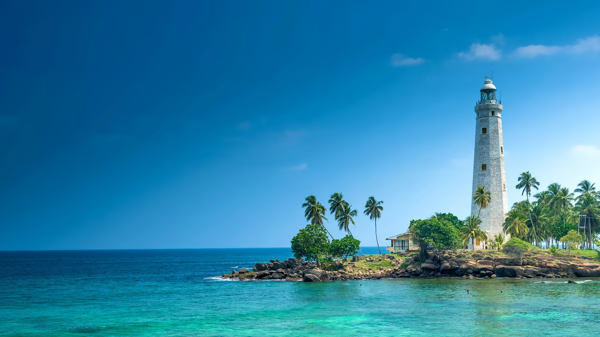
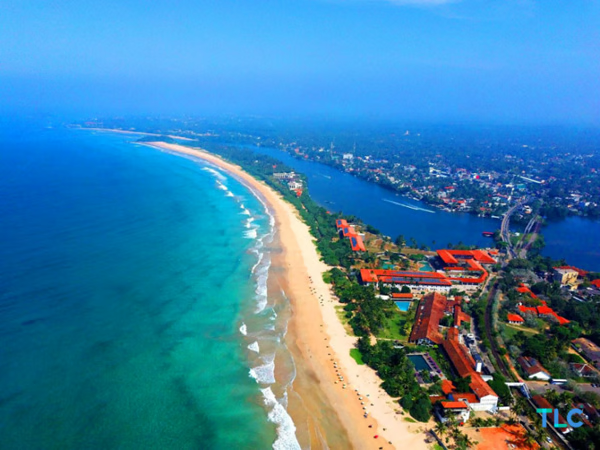
- Northeast Monsoon (Maha): Approximately October to January. This affects northern and eastern areas more strongly. During this period, the south and west coasts become far more attractive for beach holidays.
This dual pattern is one of Sri Lanka’s greatest advantages—when one coast is rainy, the other is usually sunny.
Sri Lanka Month by Month
- January: One of the best months for exploring the classic Sri Lanka circuit. Favourable weather in the south and west (Colombo, Galle, Mirissa, Bentota) and the hill country.
- Best for: First-time visitors, beaches, honeymoons, and sightseeing.
- February: Excellent conditions continue across southern and western regions. Ideal for combining beach stays with Ella and Nuwara Eliya.
- Best for: Wildlife safaris, beach holidays, and cultural sites.
- March: Weather remains warm and dry across most popular tourist regions.
- Best for: A balanced mix of beaches, national parks, and mountain hiking.
- April: One of the warmest months. Tropical showers become more frequent, while the Sinhala and Tamil New Year brings vibrant cultural festivities across the island.
- May: The southwest monsoon begins. Travellers should shift focus toward east coast destinations like Trincomalee, Pasikuda, and Arugam Bay.
- June: Peak season for Sri Lanka’s east coast. Ideal for beach relaxing and surfing around Arugam Bay.
- July: Great weather continues along the east coast. Also features the famous Kandy Esala Perahera festival (dates vary by lunar calendar).
- August: Excellent conditions for combining the Cultural Triangle with eastern beaches. Great time for wildlife sightings in national parks due to drier conditions.
- September: A transitional weather month. The east coast remains viable, but rain patterns start to shift across the island.
- October: Unpredictable transition period with frequent rain and inter-monsoonal thunderstorms across multiple regions.
- November: Conditions begin improving in the southwest as the high tourist season approaches once again.
- December: High season returns for the south and west coasts, alongside cooler temperatures in the hill country. Peak holiday period requires advance booking.
Best Time Based on Your Travel Style
| Travel Focus | Best Months | Regions |
|---|---|---|
| First-Time Visit | December – March | Colombo, Kandy, Ella, Yala, Galle |
| South & West Coast Beaches | December – April | Bentota, Hikkaduwa, Mirissa, Galle |
| East Coast Beaches | May – September | Trincomalee, Pasikuda, Nilaveli |
| Hill Country & Hiking | January – March | Nuwara Eliya, Ella, Hatton |
| Surfing (South Coast) | November – April | Weligama, Hikkaduwa, Midigama |
| Surfing (East Coast) | May – September | Arugam Bay |
| Cultural Exploration | Jan – Mar & Jul – Aug | Sigiriya, Dambulla, Polonnaruwa, Kandy |
| Budget Travel | May, June, Sep, Nov | Regional shoulder/monsoon seasons |
Where Should You Go in Sri Lanka?
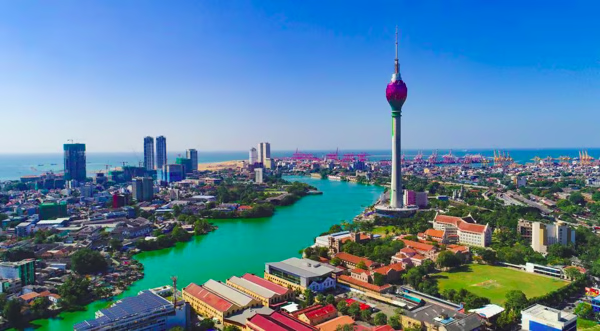
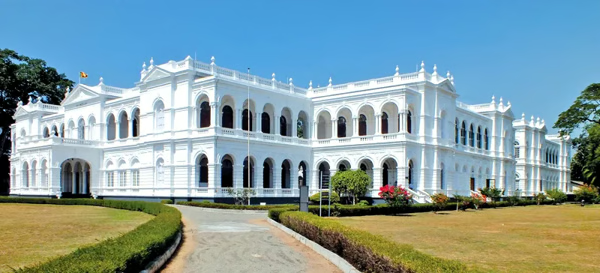
- Colombo: The energetic commercial capital combining colonial architecture, street markets, and modern rooftop dining.
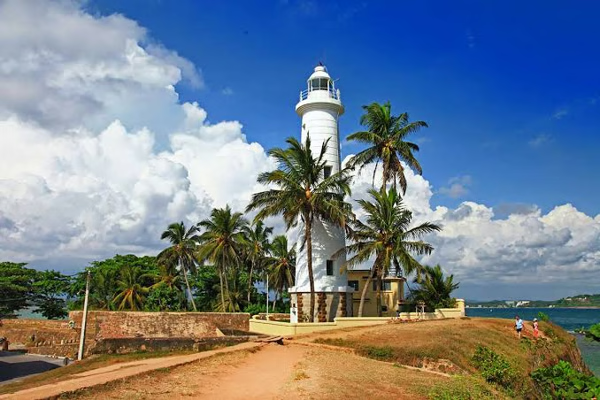
- Galle: Famous for the UNESCO-listed Galle Fort, filled with boutique hotels, cobblestone streets, and ocean views.
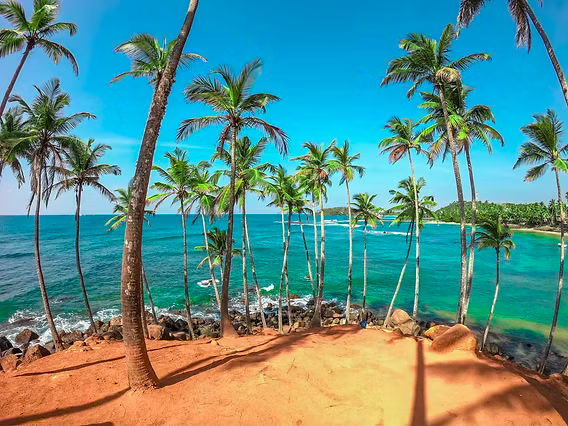
- Mirissa: A laid-back southern beach hub famous for palm-lined bays and marine excursions.
- Ella: A mountain town framed by tea plantations, waterfalls, and hiking routes like Mini Adams Peak.
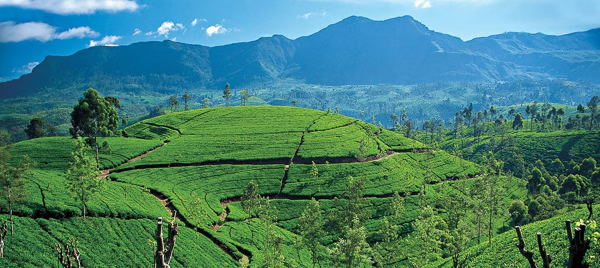
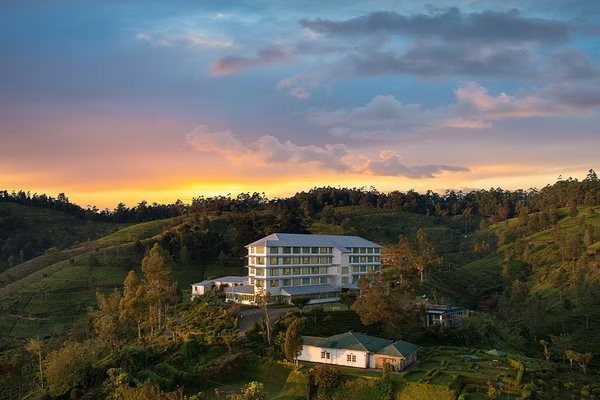
- Nuwara Eliya: "Little England"—offering cool climate, colonial-style bungalows, and sprawling tea estates.
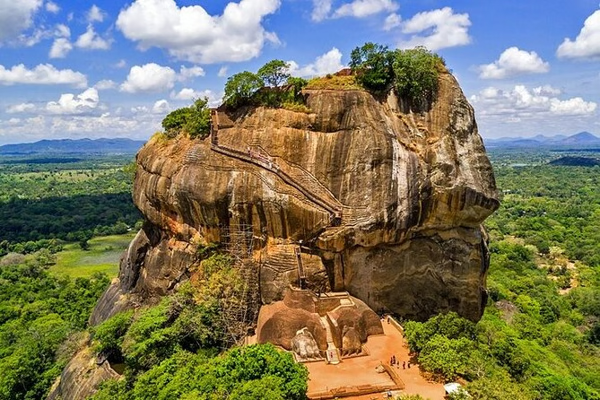
- Sigiriya: Home to the iconic Sigiriya Rock Fortress and the heart of the ancient Cultural Triangle.
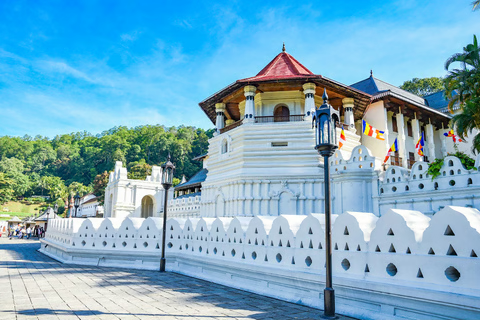
- Kandy: The cultural capital housing the Temple of the Sacred Tooth Relic, set around a scenic central lake.
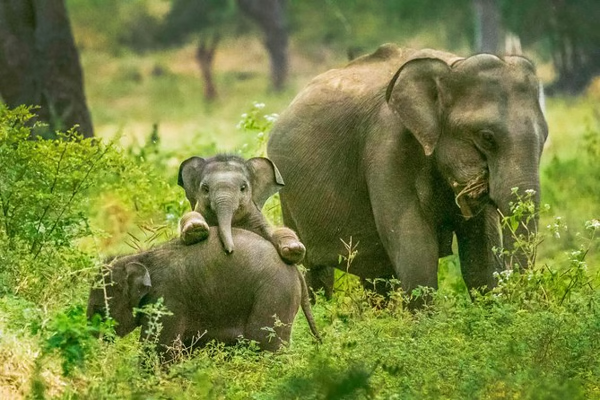
- Yala National Park: Sri Lanka’s flagship wildlife reserve, renowned for high leopard densities, elephants, and sloth bears.
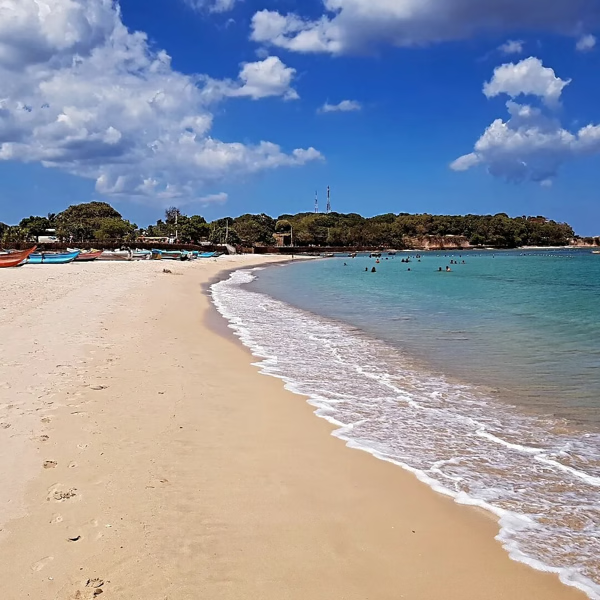
- Trincomalee: An eastern gem known for calm waters, shallow beaches, and whale watching in season.
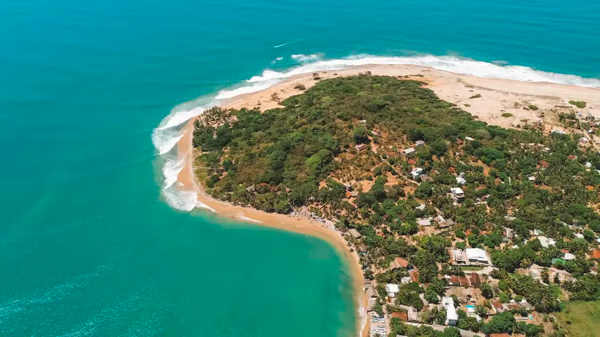
- Arugam Bay: A world-renowned point-break surfing mecca with a relaxed, bohemian vibe.
Don’t Plan Sri Lanka Like a Beach Holiday
Sri Lanka is best experienced as a circuit-style road trip rather than a single-resort stay.
Recommended 10-Day Route
Colombo → Sigiriya → Kandy → Nuwara Eliya → Ella → Yala → Mirissa → Galle
Moving slowly lets you experience tea plantations, mountain passes, local markets, national parks, and coastal fortresses all in one trip.
The Famous Kandy to Ella Train
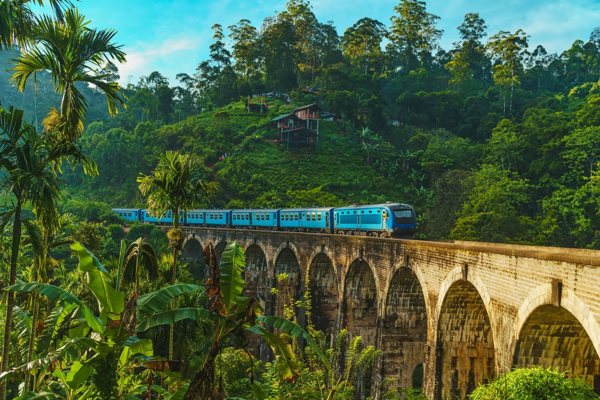
The blue train winding through high-altitude tea plantations is one of the world’s most scenic rail journeys.
Atlas Insider Tip: You don't need to take the full 7-hour train ride to enjoy the views. Booking a shorter segment (such as Nuwara Eliya/Nanu Oya to Ella) lets you experience the highlight scenery while keeping your private vehicle and luggage routing seamless.
Wildlife in Sri Lanka
Sri Lanka offers high biodiversity for its size. Key species include:
- Asian Elephants
- Sri Lankan Leopards
- Sloth Bears
- Mugger & Saltwater Crocodiles
- Blue Whales & Dolphins (off the coasts)
Always select ethical safari operators who maintain safe distances and respect park wildlife rules.
How Many Days Do You Need in Sri Lanka?
- 5 Days: Best for a single region (e.g., South Coast beaches or Cultural Triangle).
- 7 Days: A fast-paced trip covering culture, hill country, and one beach stop.
- 8 to 10 Days: The sweet spot for first-timers (Culture + Tea Country + Wildlife + Beach).
- 12 to 14 Days: Allows for a relaxed pace, full island loops, or dual-coast itineraries.
Travel Tips Before You Go
- Check Microclimates: Weather varies significantly between the east, west, and central highlands.
- Factor in Driving Times: Mountain roads and local traffic make distances take longer than expected.
- Pack for Two Climates: Lightweight cottons for the coast; layers and a fleece for Nuwara Eliya and Ella.
- Temple Etiquette: Cover shoulders and knees when entering sacred sites, and remove shoes.
- Book Trains Early: Reserved seats on popular scenic rail routes sell out weeks in advance.
Frequently Asked Questions
What is the best month to visit Sri Lanka?
For a classic first-time itinerary (Colombo, Cultural Triangle, Ella, and South Coast), January and February offer the most consistently dry and pleasant weather.
Is Sri Lanka good to visit year-round?
Yes. Because the island has two opposing monsoon seasons, there is always one coast enjoying sunny, dry conditions.
How many days are enough for Sri Lanka?
An 8 to 10-day itinerary is ideal for covering the classic highlights without rushing.
Is Sri Lanka good for a honeymoon?
Yes. Its mix of luxury tea estate bungalows, private boutique beach villas, cool mountain retreats, and wildlife safaris creates a diverse romantic itinerary.
Continue Exploring on Mindflix Atlas
- How to Plan Your First International Trip
- Best Time to Visit Every Country
- Best Time to Visit Maldives
- Best Time to Visit Singapore
- Best Time to Visit Malaysia
- Best Time to Visit Bali
- Best Time to Visit Georgia
- Sri Lanka Travel Guide (Coming Soon)
- The Perfect 10-Day Sri Lanka Itinerary (Coming Soon)
- Sri Lanka’s Most Beautiful Train Journeys (Coming Soon)
Sri Lanka isn’t one holiday. It’s several journeys packed onto one remarkable island.
Come for the beaches and you may fall in love with the mountains. Come for the wildlife and you may remember the train journeys. Come for the landscapes and you may end up talking about the food.
Choose the right region for the right season, give yourself enough time to explore, and Sri Lanka can become one of the most rewarding journeys in South Asia.
Mindflix Atlas helps you understand the destination before you book it, so you can travel smarter and experience more.