
Best Time to Visit Kenya: Safari, Great Migration & Month-by-Month Guide (2026)
Jay Vora
Founder & CEO
Best Time to Visit Kenya
Kenya is one of those destinations that turns wildlife documentaries into real life.
Lions resting in the grass.
Elephants walking beneath Mount Kilimanjaro.
Thousands of wildebeest crossing open plains.
Sunrise game drives.
Dusty tracks disappearing into the horizon.
And evenings spent listening to the sounds of the bush from a safari camp.
For many travellers, Kenya is the safari destination they’ve always imagined.
But timing matters.
For most travellers, June to October is one of the best periods to visit Kenya for safari because the weather is generally drier and wildlife viewing can be excellent.
If the Great Migration is your priority, timing becomes even more important.
And if you want to combine safari with the Kenyan coast, there are other seasonal considerations too.
Understanding Kenya’s Seasons
Kenya sits close to the equator, so temperatures don’t shift as dramatically as they do in Europe.
Instead, the year is shaped more by:
- Dry seasons
- Rainy seasons
- Wildlife movement
- Migration patterns
Broadly, you can think of the year like this:
- January to February: Short dry season
- March to May: Long rains
- June to October: Long dry season
- November to December: Short rains
These seasons can vary from year to year.
Nature does not follow a fixed calendar exactly.
Best Time for Safari
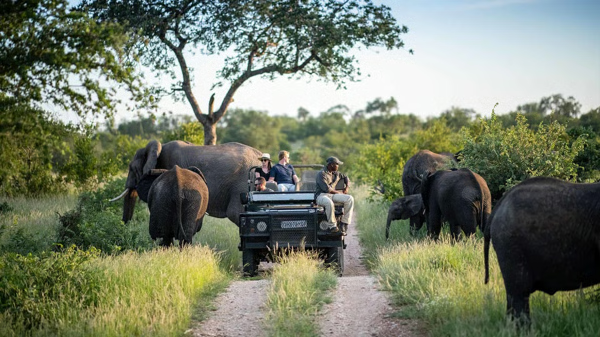
For classic safari conditions, June to October is one of the strongest periods.
Why?
Vegetation is thinner.
Water sources become more important.
Wildlife can be easier to spot.
Roads are generally more manageable.
Days are usually dry and comfortable.
January and February are also excellent in many areas.
The Great Migration
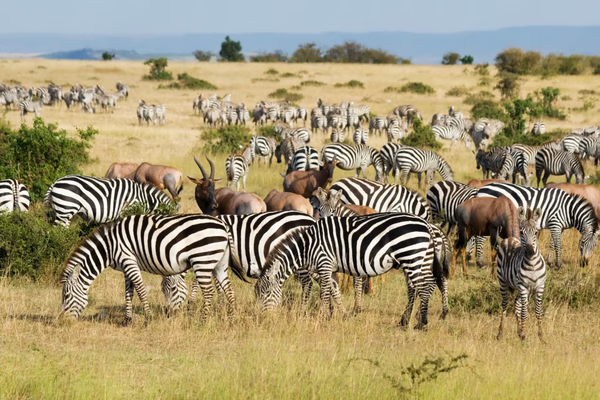
The Great Migration is one of the world’s most famous wildlife spectacles.
Millions of wildebeest, zebra and other animals move through the Serengeti-Mara ecosystem in search of water and fresh grazing.
In Kenya, July to October is commonly associated with migration activity in and around the Masai Mara.
But there’s an important point:
The migration is driven by rainfall.
It does not operate like a scheduled event.
Exact timing shifts every year.
River crossings are especially unpredictable.
Never book a safari assuming you’ll definitely see one.
Kenya Month by Month
January
A very good safari month.
Conditions are relatively dry and wildlife viewing can be excellent.
Best for: Masai Mara, Amboseli and first-time safaris.
February
Similar to January.
Warm, dry conditions make this another strong month.
Photography is especially good in clear weather.
March
Rainfall begins increasing.
Early March can still be good, while later in the month may become wetter.
April
Part of the long rainy season.
Road conditions can become difficult in some reserves.
The advantages are fewer tourists and lush landscapes.
May
Rain can continue.
Some camps may close temporarily or reduce operations.
Travellers seeking lower prices may find opportunities, but flexibility is essential.
June
The dry season begins.
Conditions improve and safari activity picks up.
A strong month before peak migration crowds arrive.
July
One of the most popular safari months.
The migration may begin entering the Masai Mara depending on annual conditions.
Book early.
August
Peak safari season.
Excellent wildlife viewing, high demand and strong migration interest.
Crowds can be substantial in famous areas.
September
Another outstanding month.
Migration activity may continue and weather remains favourable.
October
Still a strong safari month.
Conditions begin shifting as the short rains approach.
November
Short rains arrive.
The landscape becomes greener and crowds reduce.
Rain is often intermittent rather than continuous.
December
An interesting shoulder-season month.
The country turns greener and safari conditions can still be very good.
Christmas and New Year demand can raise prices.
Best Time Based on Your Travel Style
| Travel Goal | Best Time |
|---|---|
| First-Time Safari | June to October, January to February |
| Great Migration | Typically July to October in the Masai Mara |
| Masai Mara | June to October |
| Amboseli | January to February, June to October |
| Photography | January to February, June to October |
| Fewer Crowds | March to May, November |
| Honeymoon | June to October, January to February |
| Family Safari | June to October |
| Beach Extension | January to February and selected dry-season months |
Masai Mara
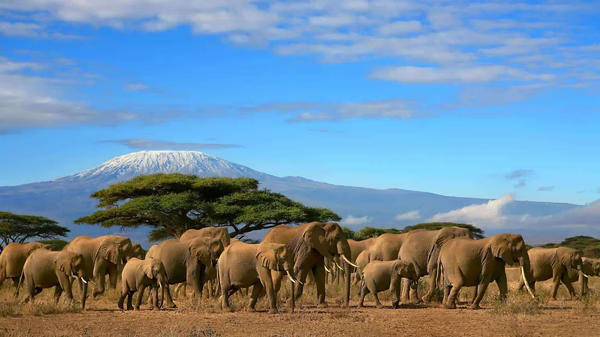
The Masai Mara is the name most people associate with Kenyan safari.
Open grasslands.
Big cats.
Elephants.
Giraffes.
Hyenas.
And, during migration season, enormous herds.
The reserve is relatively compact compared with some other safari regions, which can make wildlife viewing especially productive.
But popularity comes with a trade-off.
Peak migration season can be crowded.
Choosing the right camp and location becomes extremely important.
Atlas Insider Tip
If you’re visiting the Masai Mara during migration season, don’t choose your camp based only on luxury level.
Location matters more.
A beautiful lodge far from the wildlife action can mean hours of driving every day.
A well-positioned camp can give you better access, earlier starts and less time commuting across the reserve.
In safari travel, the map matters as much as the hotel photographs.
River Crossings
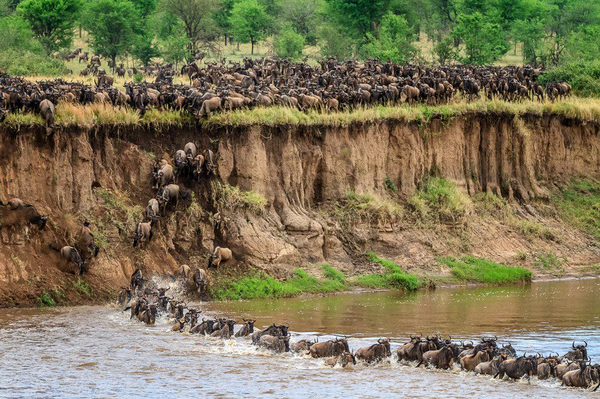
River crossings are one of the most dramatic migration experiences.
They’re also the most misunderstood.
You may wait for hours.
The animals may approach the river, then turn back.
They may cross somewhere else.
Or the crossing may happen suddenly.
That unpredictability is the point.
Safari is not a performance scheduled for tourists.
It’s nature unfolding on its own terms.
Amboseli National Park
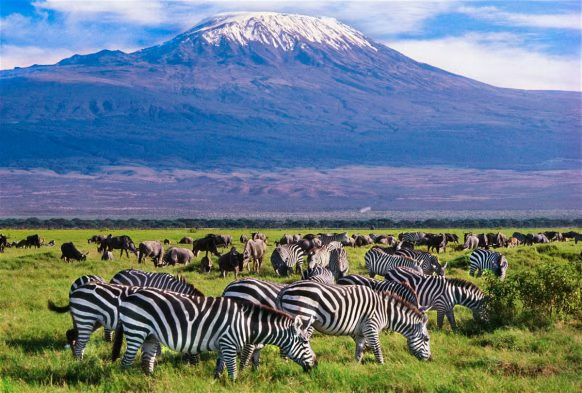
Amboseli is famous for elephants and views of Mount Kilimanjaro.
On a clear morning, the combination is extraordinary.
The mountain is actually across the border in Tanzania, but some of the most famous views are seen from Kenya.
Early morning often gives you the best chance of clear visibility.
Clouds can build later in the day.
Nairobi
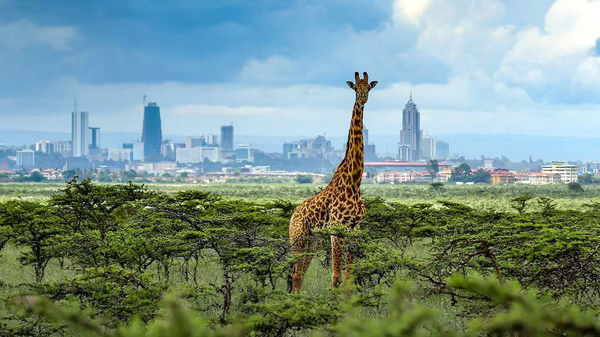
Many travellers treat Nairobi as a transit city.
It can be worth spending a little more time.
The city offers:
- Restaurants
- Museums
- Cultural experiences
- Nairobi National Park
- Wildlife conservation centres
A night or two can make the arrival and departure experience less rushed.
Nairobi National Park
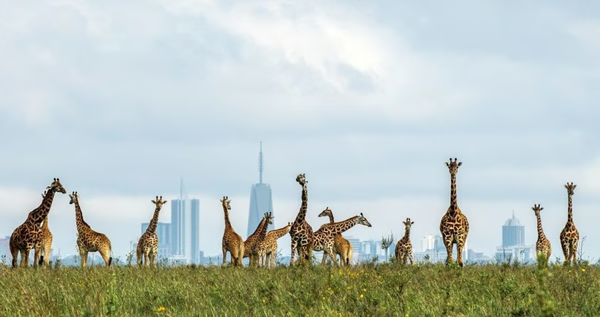
One of Nairobi’s most unusual features is having a national park on the edge of a major capital.
You can see wildlife with city buildings in the distance.
It works well for travellers with limited time or as a warm-up before a longer safari.
Lake Nakuru
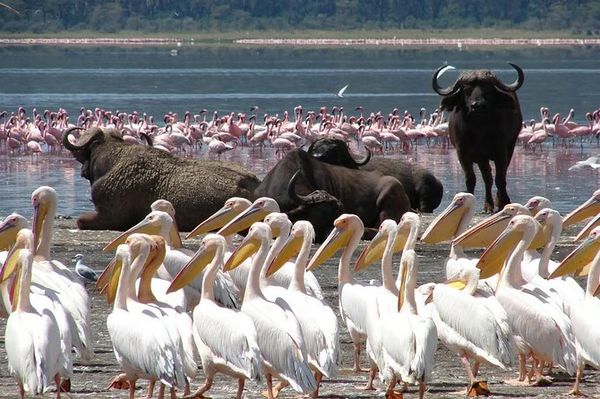
Lake Nakuru National Park is known for:
- Rhinos
- Birdlife
- Scenic landscapes
It fits well into itineraries connecting Nairobi and the Masai Mara.
Samburu
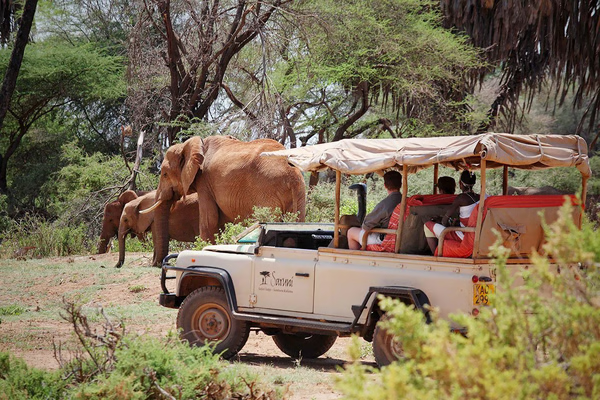
Samburu offers a different safari environment.
The landscape is drier and more rugged than the Masai Mara.
It’s also home to wildlife species that may be harder to see further south.
This makes it an excellent option for repeat safari travellers or anyone wanting more variety.
Kenya’s Coast
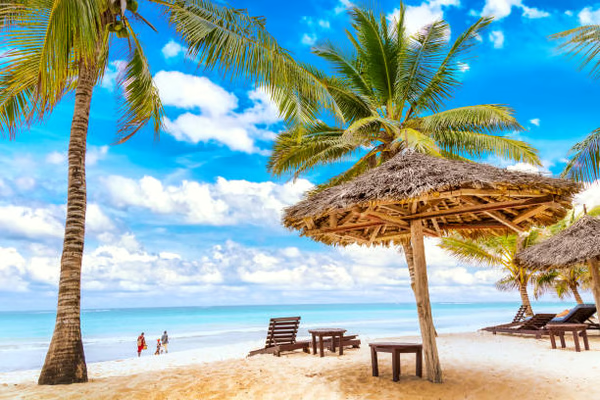
Kenya isn’t only safari.
The Indian Ocean coast offers beaches, resorts and Swahili culture.
Popular areas include:
- Diani Beach
- Watamu
- Malindi
A safari followed by a few days on the coast creates an excellent balance.
Diani Beach
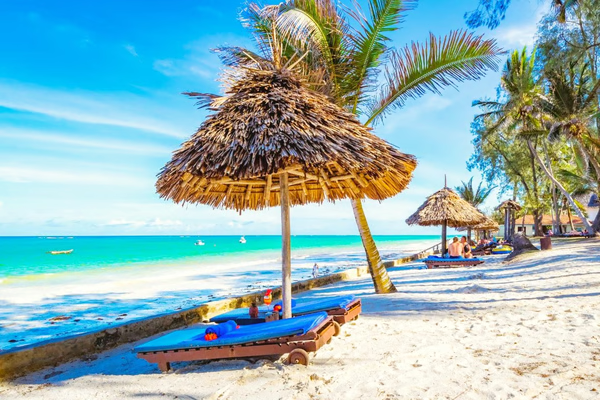
Diani is one of Kenya’s best-known beach destinations.
Expect:
- White sand
- Palm trees
- Resorts
- Water sports
- Relaxed atmosphere
It works beautifully after a safari because the pace changes completely.
Safari + Beach: One of Kenya’s Best Combinations
A strong first itinerary might look like:
Nairobi → Masai Mara → Amboseli → Diani Beach
This gives you:
- City culture
- Big wildlife
- Kilimanjaro views
- Beach relaxation
It’s one of the most complete African holiday combinations.
Kenya for Honeymooners
Kenya is a superb honeymoon destination for couples who want more than a conventional resort.
You can combine:
- Luxury tented camps
- Private game drives
- Bush breakfasts
- Sundowners
- Beach resorts
A well-planned safari can feel extremely intimate.
Kenya for Families
Safari can be incredible for children.
But age matters.
Young children may struggle with:
- Very early starts
- Long drives
- Quiet periods between sightings
Families should choose camps with flexible activities and ask about age restrictions on certain game drives or walking safaris.
What Should You Wear on Safari?
Comfort matters most.
Pack:
- Neutral-coloured clothing
- Layers
- Light jacket
- Hat
- Sunglasses
- Comfortable shoes
Morning game drives can be surprisingly cold.
Afternoons can become warm.
Layering is essential.
What Should You Eat in Kenya?
Kenyan cuisine reflects many regional and cultural influences.
- Nyama Choma
Grilled meat, often enjoyed socially. - Ugali
A staple made from maize flour. - Sukuma Wiki
Cooked leafy greens commonly served with meals. - Pilau
Spiced rice influenced by Swahili cuisine. - Chapati
Widely enjoyed and familiar to Indian travellers.
Vegetarian Travel in Kenya
Vegetarian travellers usually do well in major cities and safari lodges.
Popular options may include:
- Beans
- Lentils
- Vegetables
- Rice
- Chapati
- Salads
Safari properties should be informed of dietary requirements before arrival.
How Many Days Do You Need in Kenya?
- 4 to 5 Days
Nairobi + one safari reserve - 6 to 7 Days
Masai Mara + Amboseli or another reserve - 8 to 10 Days
Ideal for a multi-reserve safari - 10 to 14 Days
Excellent for safari + beach
For most first-time travellers, 8 to 10 days gives a very strong introduction.
Travel Tips Before You Go
- Don’t build your entire trip around a guaranteed river crossing.
- Choose safari camps based on location, not just luxury.
- Pack layers for cold mornings.
- Carry binoculars.
- Use reputable guides and operators.
- Keep expectations realistic with wildlife.
- Avoid overcrowding animals for photographs.
- Book peak migration season well in advance.
- Consider adding the coast after safari.
- Respect park rules and wildlife distances.
Quick Summary
| Travel Goal | Best Time |
|---|---|
| Overall Safari | June–October, January–February |
| Great Migration | Typically July–October |
| Masai Mara | June–October |
| Amboseli | January–February, June–October |
| Photography | January–February, June–October |
| Fewer Crowds | March–May, November |
| Honeymoon | June–October, January–February |
| Safari + Beach | Depends on safari and coast combination |
Frequently Asked Questions
What is the best month to visit Kenya?
For classic safari travel, July to September is especially popular, although January and February can also be excellent.
When is the Great Migration in Kenya?
Migration activity is commonly seen in the Masai Mara between July and October, but exact timing depends on rainfall and can vary every year.
How many days are enough for Kenya?
Around 8 to 10 days is excellent for a first safari-focused trip. Add several more days if you want a beach extension.
Is Kenya good for honeymooners?
Yes. Luxury camps, private game drives and beach extensions make Kenya an excellent honeymoon destination.
Kenya or South Africa for first safari?
Kenya offers the classic East African savannah experience and migration opportunities. South Africa often offers easier combinations with Cape Town, wine country and self-drive travel. Both are excellent first safari destinations for different reasons.
Is safari safe?
Reputable safari operations follow strict wildlife and park-safety procedures. Travellers should always follow guide instructions and never approach wild animals independently.
Continue Exploring on Mindflix Atlas
- Best Time to Visit South Africa
- Best Time to Visit Egypt
- Best Time to Visit Mauritius
- Best Time to Visit Seychelles
- Best Time to Visit Every Country
- Kenya Travel Guide (Coming Soon)
- Masai Mara Travel Guide (Coming Soon)
- Great Migration Guide (Coming Soon)
- The Perfect 10-Day Kenya Itinerary (Coming Soon)
- Kenya vs South Africa for Safari (Coming Soon)
Kenya teaches you very quickly that the best travel moments cannot be scheduled.
A lion appears when you least expect it.
Elephants cross the road and everything stops.
The sunrise turns the grasslands gold.
And sometimes you spend an hour watching absolutely nothing happen—until suddenly, everything does.
That uncertainty is what makes safari unforgettable.
Mindflix Atlas helps you understand the destination before you book it, so you can travel smarter and experience more.